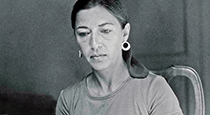
How are memories created and preserved? Brandeis scientists are studying the brain to find out — and, ultimately, untangle disorders like Alzheimer’s and dementia.
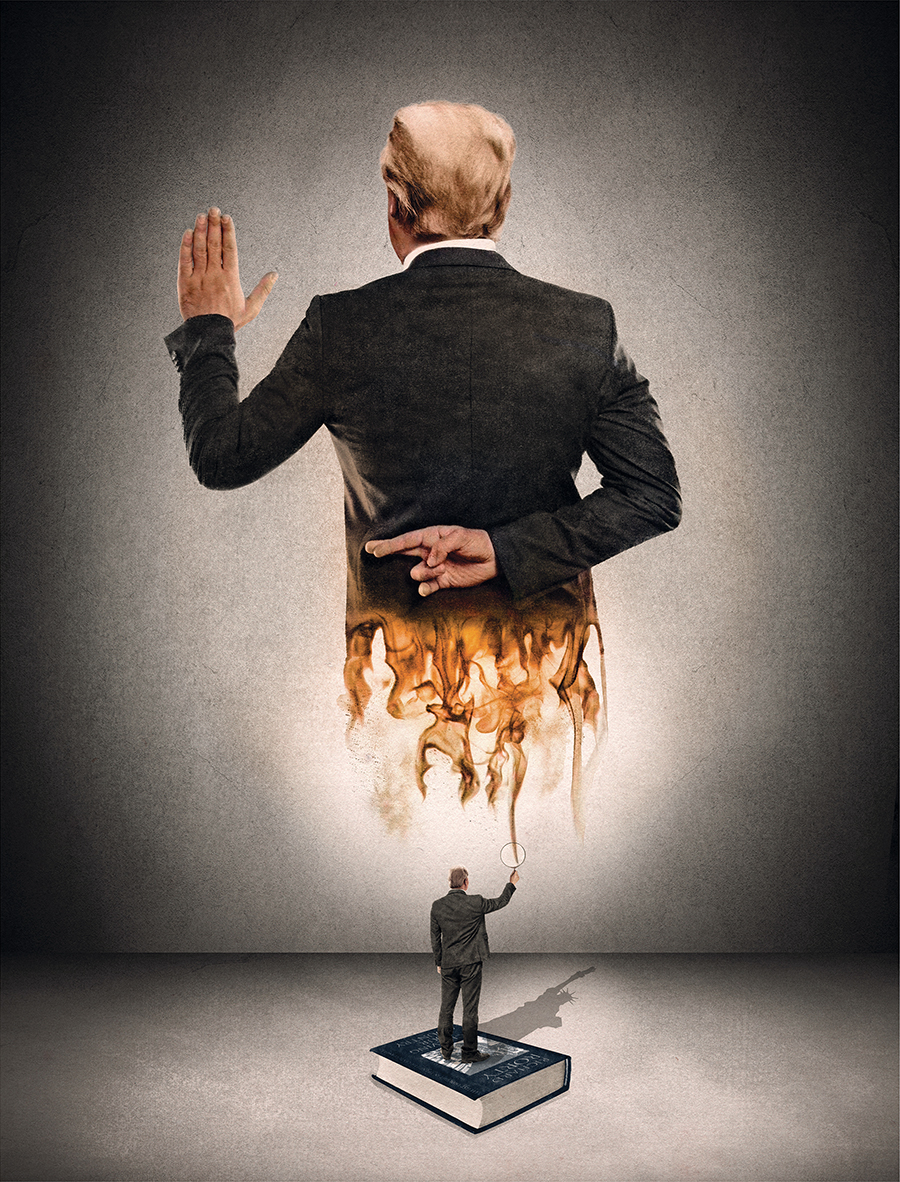
Twenty-five years ago, the philosopher Richard Rorty accomplished something many writers aspire to but few ever pull off: he predicted the future. Toward the end of his 1998 book Achieving Our Country, Rorty considered the possibility that “the old industrialized democracies are heading into a Weimar-like period, one in which populist movements are likely to overturn constitutional governments.”
The Republican leader’s ambition has always been his defining characteristic. Attempting to placate both Trumpists and moderates may lead to his downfall.
The gathering of syrup from maple trees in the woodlands of Canada and the northeastern United States is an ancient practice that had helped sustain Indigenous peoples for thousands of years. Yet during the colonial era, some lost their connection to the tree and its ceremonies. Only recently have many started to reclaim it.
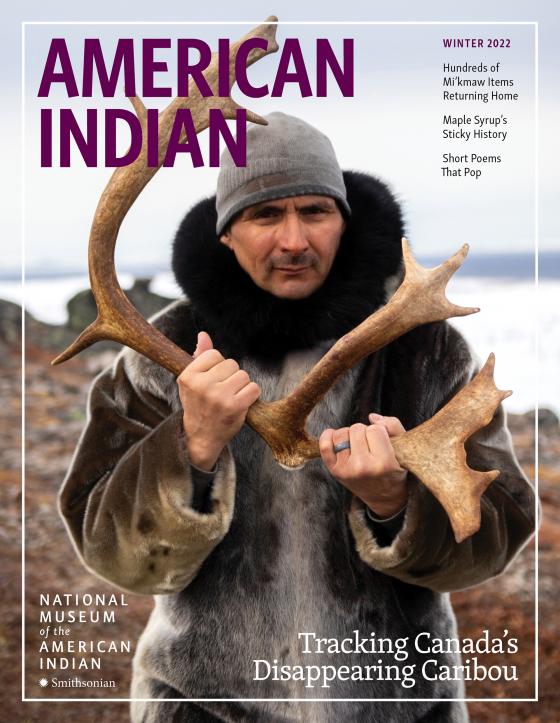
Robert Watt shot his first caribou when he was eight years old. A small group from his Inuit community of Kuujjuaq in northern Quebec had traveled upriver toward the confluence of the Larch and Caniapiscau Rivers to hunt the animals. The memory of that day almost four decades ago still lingers. “The air was crisp and cold,” recalled Watt. “You could see your breath.”
The 12.18.22 Issue – The stories of 12 children, among the thousands, killed this year by what has become the leading cause of death for American kids: gun violence. But these are not the stories of how they died. These are the stories of the lives they lived.
Every December, The Times Magazine devotes a special project to the deaths of notable people. This year, we are telling the stories of 12 children killed by guns.
Gun violence recently surpassed car accidents as the leading cause of death for American children. No group of kids has been spared, but some have fared far worse.
The Guardian Weekly (December 16, 2022): In Germany, 25 conspirators were arrested and accused of plotting to overthrow the government. The eclectic grouping, known as the Reichsbürger plotters, espoused a far-right ideology but hailed largely from the centre of respectable German society, headed up by an elderly minor aristocrat and including in their ranks family doctors, judges, a celebrity chef and an opera singer.
Three months have passed since fervent anti-regime demonstrations began in Iran. As more grim details emerged of public executions of protesters and the grotesque targeting of women by security forces, Christopher de Bellaigue takes a deep look at the movement, in particular the role played by women and young people, and asks what it might take for a popular revolution to succeed.
Mark Zuckerberg, the CEO of Meta (formerly Facebook) has spent $100bn building a virtual reality world known as the metaverse, which he believes will replace the conventional internet. The problem is, hardly anyone seems to prefer its clunky headsets and empty landscapes to the real world. With poor financial results and redundancies at Meta, has it all been a hugely expensive mistake? Steve Rose ventures into the metaverse, so you don’t have to.
This year, Athens was crowned Europe’s Leading Cultural City Destination at the World Travel Awards, and in this 143-page magazine, culture takes center stage. We guide you to Athens’ major museums and the neighborhoods around them; learn what life is like for the many artists who in recent years have sought their way from abroad to create homes and studios here; trace ancient philosophers’ favorite haunts in and around the Athenian Agora; present museum tours tailored specifically to children; discover the local dining scene through a historic lens as renowned Greek writer Christos Choumenidis presents five traditional and contemporary restaurants with their unique stories to tell; and check in on the development of the never-more-hot campaign for the return of the Parthenon marbles.