
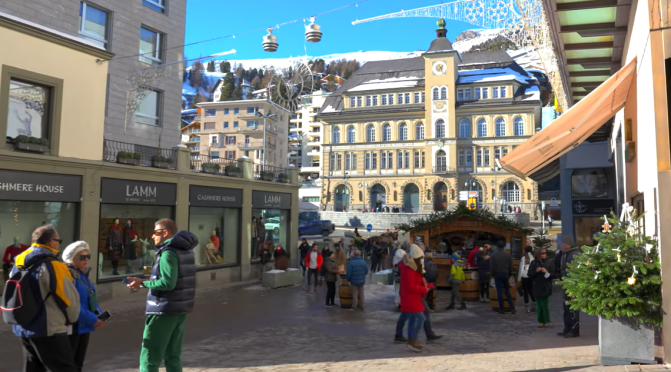
St. Moritz is a luxury alpine resort town in Switzerland’s Engadin valley. It has hosted the Winter Olympics twice, has the Cresta Run, a world-championship bobsled run made of natural ice, and an outdoor Olympic ice rink. Its frozen lake hosts polo, cricket and even horse racing on ice. Ski and snowboard areas include Corviglia, Diavolezza and Corvatsch, and there are well-groomed cross-country ski trails.

Front Page: WSJ Weekend Edition – January 8, 2022

Saturday Morning: News And Stories From London
Georgina Godwin covers the weekend’s biggest topics. Brian Klaas reviews the newspapers, Andrew Mueller explains what we’ve learned this week and Monocle’s editor in chief Andrew Tuck is back with his weekend column.
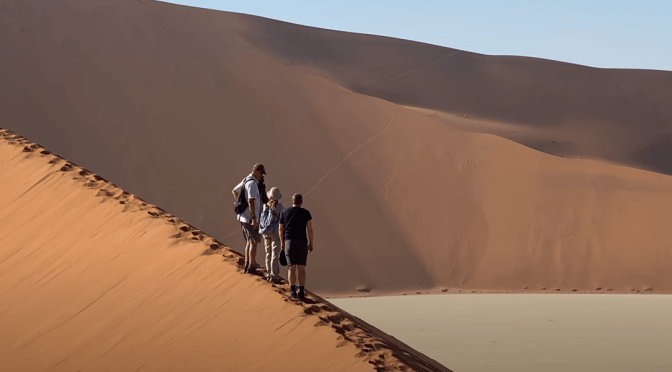
Travel Tours: Namibia In Southwest Africa (4K)
Namibia, a country in southwest Africa, is distinguished by the Namib Desert along its Atlantic Ocean coast. The country is home to diverse wildlife, including a significant cheetah population. The capital, Windhoek, and coastal town Swakopmund contain German colonial-era buildings such as Windhoek’s Christuskirche, built in 1907. In the north, Etosha National Park’s salt pan draws game including rhinos and giraffes.
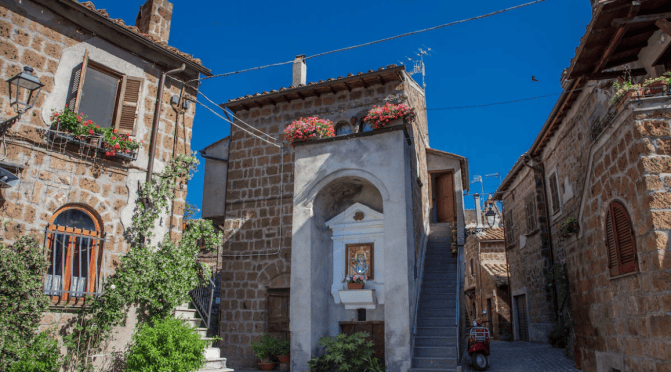
Village Walks: Blera In Lazio, Western Italy (4K)
Blera is a small town and comune in the northern Lazio region of Italy. It was known during the Middle Ages as Bieda, an evolved form of its ancient name, which was restored in the twentieth century. It is the birthplace of Pope Sabinian; Pope Paschal II was also originally thought to be from here.
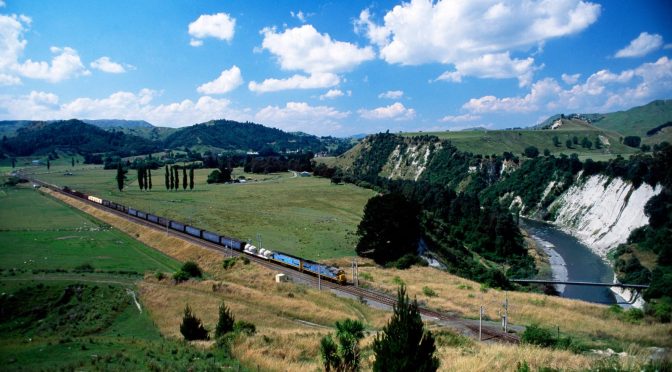
New Zealand Train Lines: North Island Main Trunk
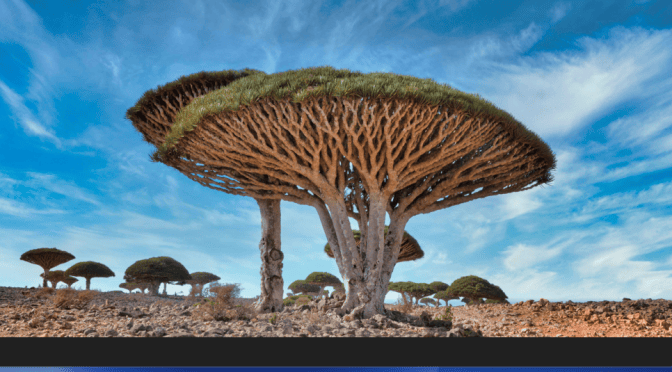
Views: The World’s Top 15 Most Beautiful Trees
These trees look like they’re native to some alien planet or some strange otherworldly place. It’s hard to believe they actually exist in our world. Here are the top 15 most stunning and beautiful looking trees.
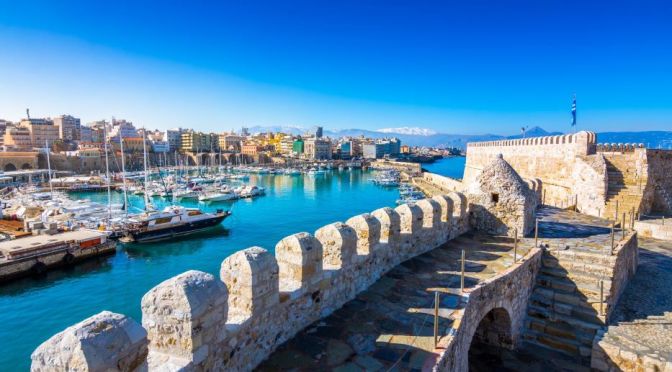
Walking Tours: Heraklion – Capital Of Crete (4K)
Heraklion, also known as Iraklio, is a port city and the capital of the Greek island of Crete. It’s known for the Palace of Knossos, just outside the city. The huge archaeological site dates back thousands of years to the Minoan civilization, and includes frescoes and baths. Guarding the city’s Venetian port is the 16th-century Koules fortress. Heraklion Archaeological Museum has a large collection of Minoan art.
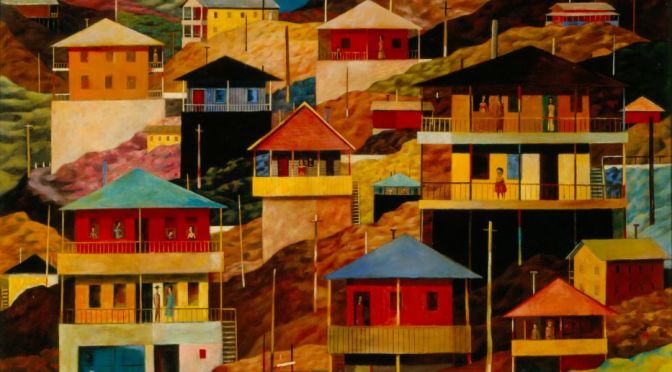
Exhibits: ‘Philip C. Curtis – Landscapes of Arizona’ (Phoenix Art Museum)
Philip C. Curtis saw the desert through a lens of magic realism.
Landscape remains one of the most popular subjects for artists visiting and residing in Arizona. Philip C. Curtis, while not known as a landscape painter, draws extensively on that subject. Curtis came to the state in 1937 to establish the Phoenix Federal Art Center under the Federal Art Project, a New Deal program. He left two years later to head a similar facility in Des Moines, Iowa, but returned to Arizona in 1947.
Settling in Scottsdale, he painted surreal compositions, with figures in Victorian costumes set in the desert. Arizona’s landscapes were a rich source of inspiration for him, and while his canvases do not portray any recognizable geological features, his work may be contextualized within the work of a broad spectrum of artists who came to the state. Curtis saw the desert through a lens of magic realism. This differed from Maxfield Parrish, Eugene Berman, and other artists who preferred more representational modes.
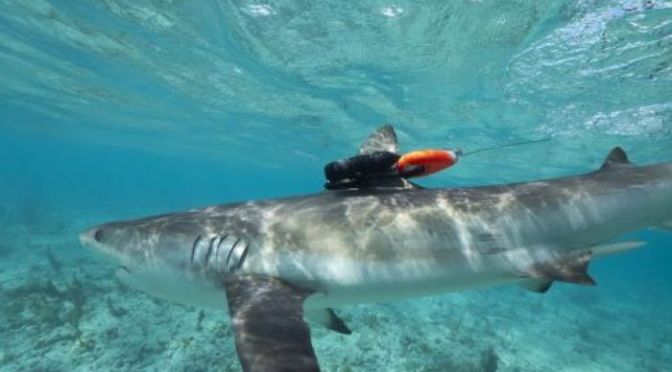
Underwater: Shark Cams Give Rare View Of Reefs
Shark cams take us where divers never could.

