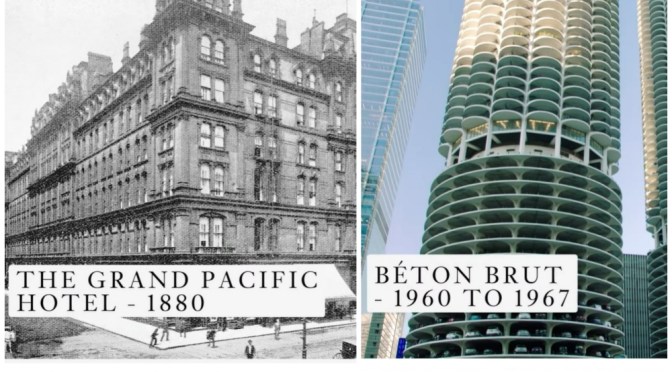
Architectural Digest – Today on AD Architect Lynda Dossey leads us on a walking tour of Chicago, highlighting the captivating details found in its storied architecture.
From exploring The Loop and Marina City to detailing the history of The Thompson Center and iconic Willis Tower, discover the history behind Chicago’s most famous buildings and neighborhoods through Lynda Dossey’s expert eye.
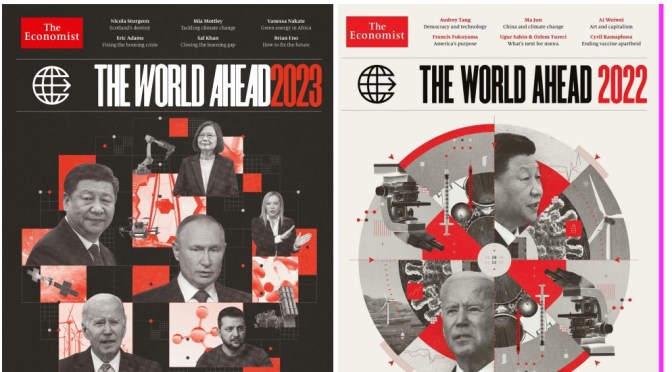
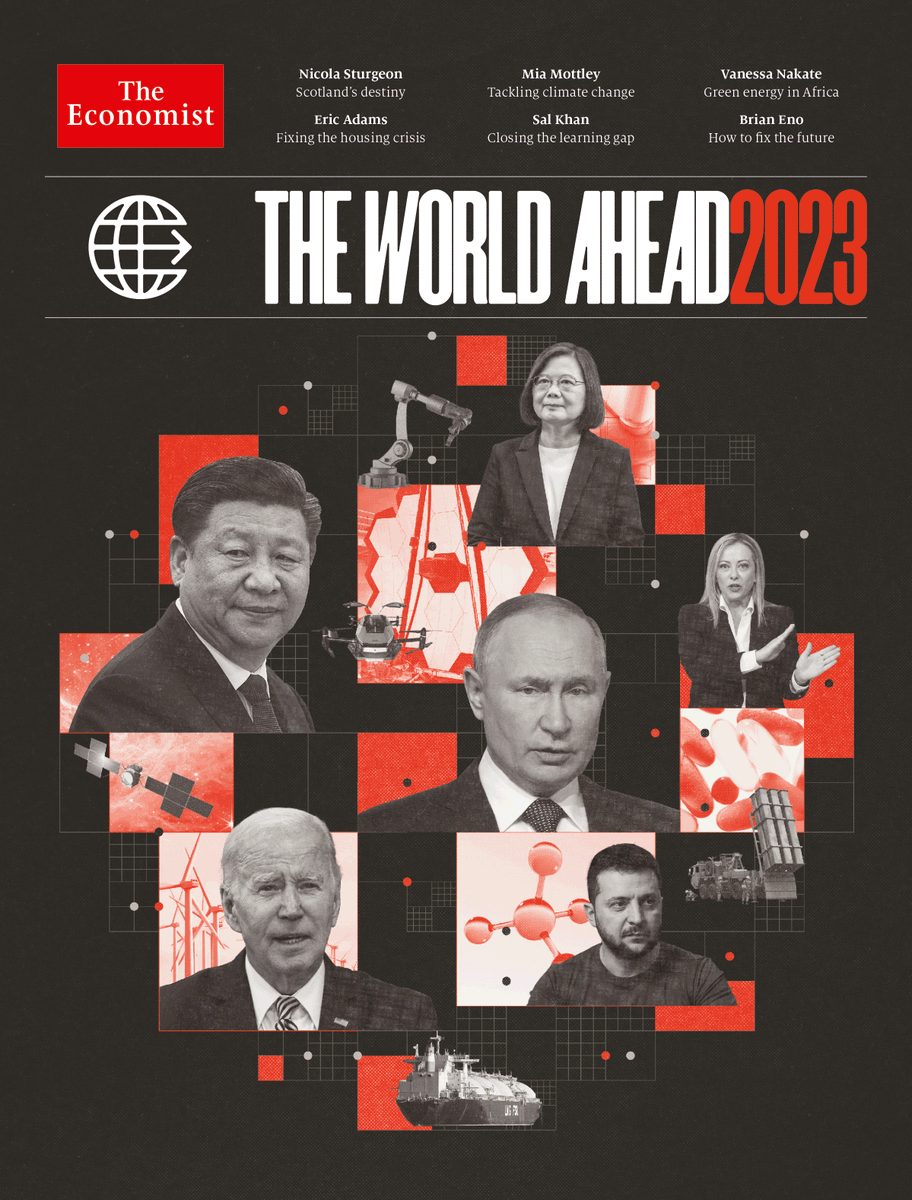
A letter from Tom Standage, editor of “The World Ahead 2023”
1. All eyes on Ukraine. Energy prices, inflation, interest rates, economic growth, food shortages—all depend on how the conflict plays out in the coming months. Rapid progress by Ukraine could threaten Vladimir Putin, but a grinding stalemate seems the most likely outcome. Russia will try to string out the conflict in the hope that energy shortages, and political shifts in America, will undermine Western support for Ukraine.
2. Recessions loom. Major economies will go into recession as central banks raise interest rates to stifle inflation, an after-effect of the pandemic since inflamed by high energy prices. America’s recession should be relatively mild; Europe’s will be more brutal. The pain will be global as the strong dollar hurts poor countries already hit by soaring food prices.
3. Climate silver lining. As countries rush to secure their energy supplies, they are turning back to dirty fossil fuels. But in the medium term the war will accelerate the switch to renewables as a safer alternative to hydrocarbons supplied by autocrats. As well as wind and solar, nuclear and hydrogen will benefit too.
4. Peak China? Some time in April China’s population will be overtaken by India’s, at around 1.43bn. With China’s population in decline, and its economy facing headwinds, expect much discussion of whether China has peaked. Slower growth means its economy may never overtake America’s in size.
5. Divided America. Although Republicans did worse than expected in the midterm elections, social and cultural divides on abortion, guns and other hot-button issues continue to widen after a string of contentious Supreme Court rulings. Donald Trump’s formal entry into the 2024 presidential race will pour fuel on the fire.
6. Flashpoints to watch. The intense focus on the war in Ukraine heightens the risk of conflict elsewhere. With Russia distracted, conflicts are breaking out in its backyard. China may decide that there will never be a better time to make a move on Taiwan. India-China tensions could flare in the Himalayas. And might Turkey try to nab a Greek island in the Aegean?
7. Shifting alliances. Amid geopolitical shifts, alliances are responding. nato, revitalised by the war in Ukraine, will welcome two new members. Will Saudi Arabia join the Abraham accords, an emerging bloc? Other groupings of growing importance include the Quad and aukus (two American-led clubs intended to deal with China’s rise) and i2u2—not a rock band, but a sustainability forum linking India, Israel, the United Arab Emirates and the United States.
8. Revenge tourism. Take that, covid! As travellers engage in post-lockdown “revenge” tourism, traveller spending will almost regain its 2019 level of $1.4trn, but only because inflation has pushed up prices. The actual number of international tourist trips, at 1.6bn, will still be below the pre-pandemic level of 1.8bn in 2019. Business travel will remain weak as firms cut costs.
9. Metaverse reality check. Will the idea of working and playing in virtual worlds catch on beyond video games? 2023 will provide some answers as Apple launches its first headset and Meta decides whether to change its strategy as its share price languishes. Meanwhile, a less complicated and more immediately useful shift may be the rise of “passkeys” to replace passwords.
10. New year, new jargon. Never heard of a passkey? Fear not! Turn to our special section, “Understand This”, which rounds up the vital vocabulary that will be useful to know in 2023. nimbys are out and yimbys are in; cryptocurrencies are uncool and post-quantum cryptography is hot; but can you define a frozen conflict, or synfuel? We’ve got you covered.
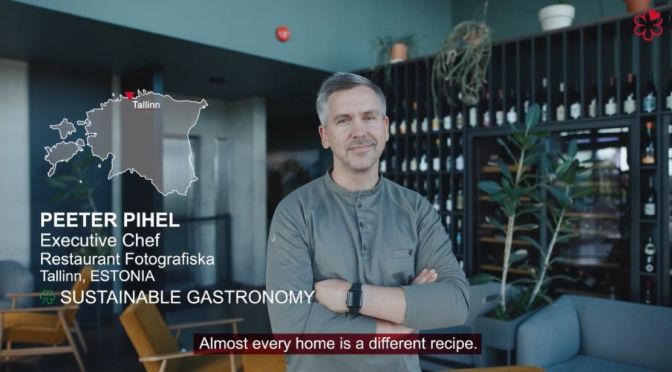
MICHELIN Guide – The MICHELIN Guide makes you travel to Estonia to discover the treasures of this country and their products. Following the launch of the first MICHELIN Guide Estonia in May 2022, we take a closer look at this popular Baltic region.
We hear from several of the forward-thinking chefs whose restaurants feature in the first MICHELIN Guide Estonia. They tell us about culinary traditions and classic recipes passed down through generations, as well as the importance of the seasons, foraging and fermentation in Estonian culture. Discover why now is an exciting time to be a chef in Estonia, as the country’s diverse cuisine finally gets the international recognition it deserves.
Questions of public memory—“specifically how people, communities, and nations should account for the crimes of their past”—animate the work of the Atlantic staff writer, author, and poet Clint Smith.
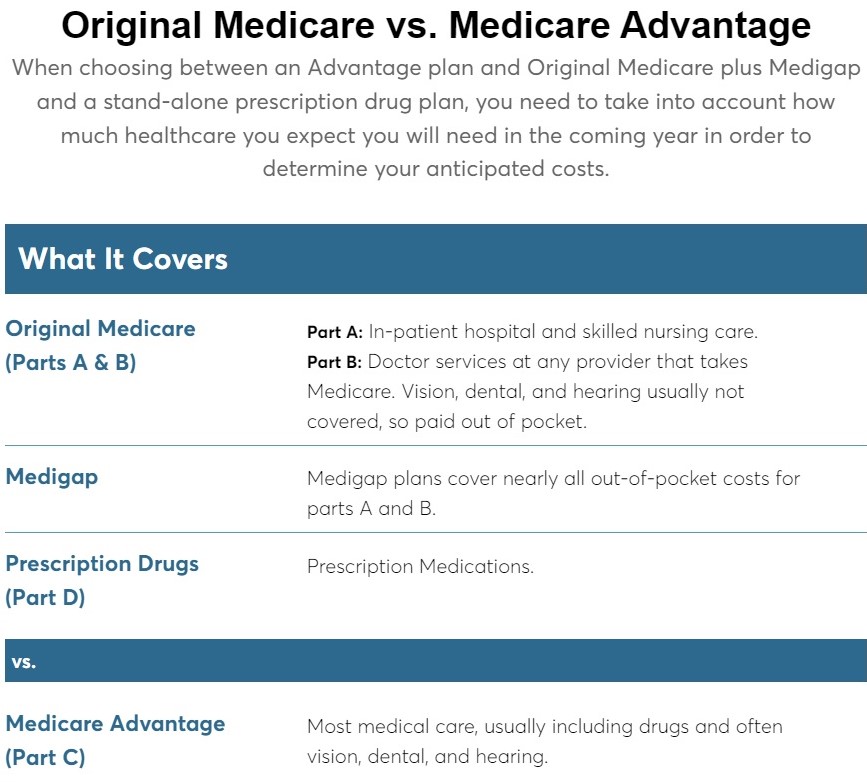
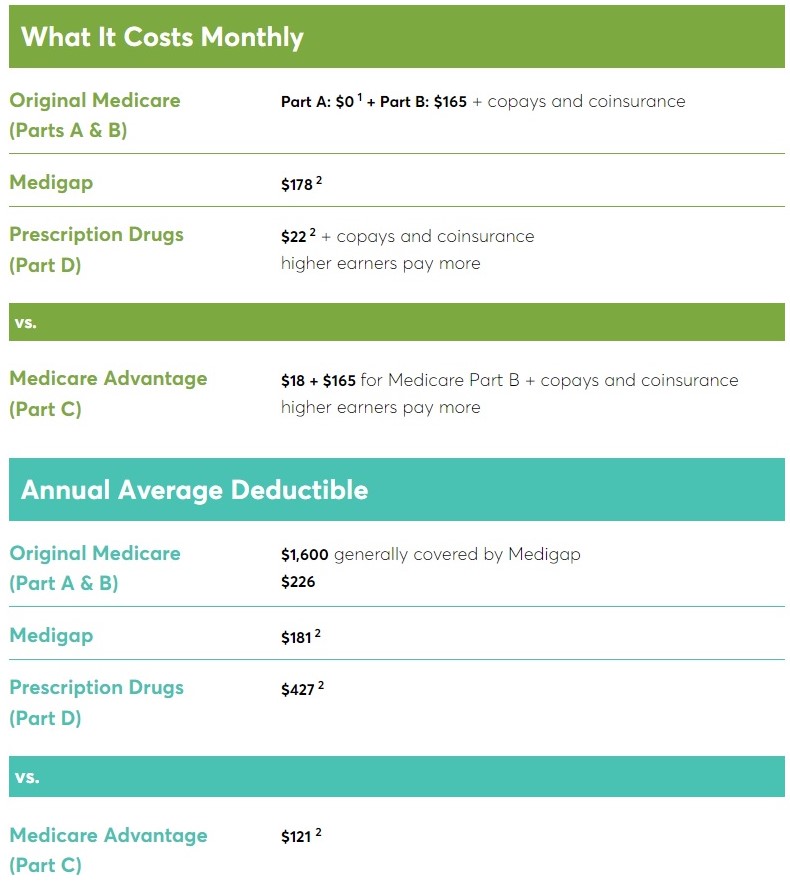
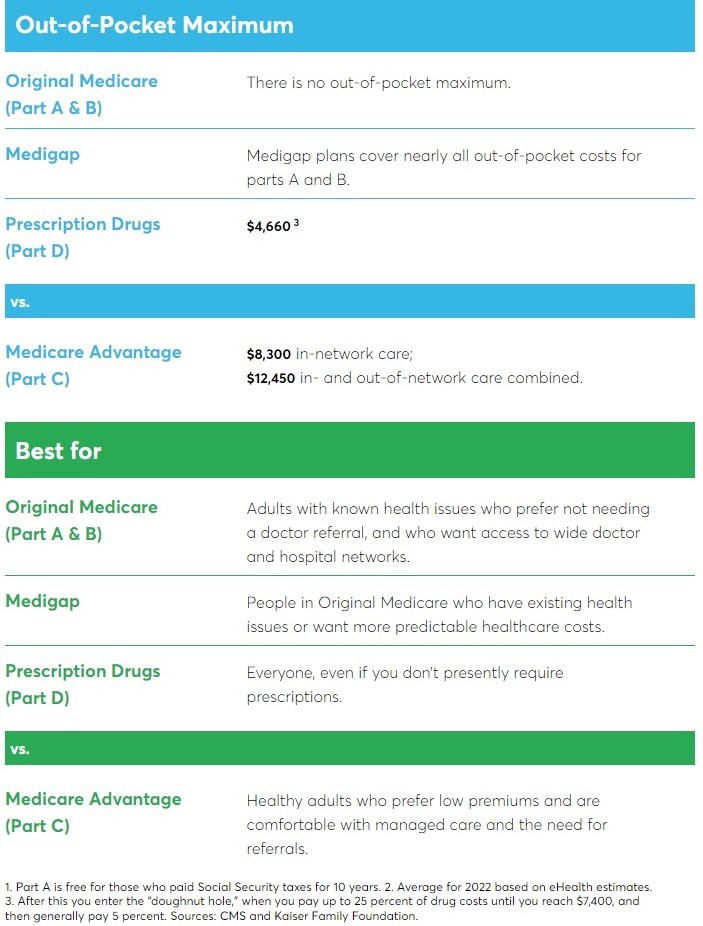
When you’re ready to start reviewing plans, check out the Medicare plan finder tool, which will let you compare Medicare Advantage and Part D prescription drug plans available in your area. You can also get this information by calling Medicare at 800-633-4227.
If you’re looking for a Medigap plan, you can also start at medicare.gov, where you can compare the different types of coverage, as well as find the policies available in your ZIP code.
Another good resource is the State Health Insurance Assistance Program (SHIP), which provides free guidance over the phone. To find your state’s program, go to shiphelp.org or call 877-839-2675.
Will the cities of the future be climate neutral? Might they also be able to actively filter carbon dioxide out of the air? Futurologist Vincente Guallarte thinks so. In fact, he says, our cities will soon be able to absorb CO2, just like trees do.
To accomplish this, Guallarte wants to bring sustainable industries and agriculture to our urban centers, with greenhouses atop every building. But in order for Guallarte’s proposal to work, he says, cities will have learn to submit to the laws and principles of nature. Urban planners also have big plans for our energy supply. In the future, countries like Germany could become energy producers.
In Esslingen am Neckar, residents are working on producing green hydrogen in homes, to be used as fuel for trucks. It’s a project that‘s breaking new ground, says investor Manfred Norbert. Our future cities will be all about redefining a new normal. Architects and urban planners are expecting to see entirely new approaches to communal living, as well as new urban concepts for autonomous supply chains. The repurposing of old buildings, and the generation of food as well as energy, are other important topics.
The architect Arno Brandhuber thinks the current building stock available, and the possibilities it offers, have been underestimated. His spectacular business headquarters are located in an old silo in Berlin’s Lichtenberg district. His most provocative project, something he calls his “Anti-villa,” is a repurposed East German factory for cotton knitwear. It‘s a prime example of sustainable design.
In plays like ‘Death of a Salesman’ and ‘The Crucible,’ Miller gave voice to the anxieties behind the optimism of mid-20th-century America. Review by Willard Spielgelman