

Space launch costs are dropping rapidly. Solar panels are cheaper than ever. Could space-based solar power soon be price-competitive with nuclear? Promoted as a zero-carbon solution, classified military space planes have also been conducting experiments into wireless power transmission. The FT’s Peggy Hollinger looks at whether space-based solar power can move beyond science fiction.
Tag Archives: Technology

Research: How CRISPR Can Save Lives And End Disease
CRISPR is a technology that can be used to edit genes and, as such, will likely change the world. The essence of CRISPR is simple: it’s a way of finding a specific bit of DNA inside a cell. After that, the next step in CRISPR gene editing is usually to alter that piece of DNA.
Research: The Search For An Alzheimer’s Vaccine
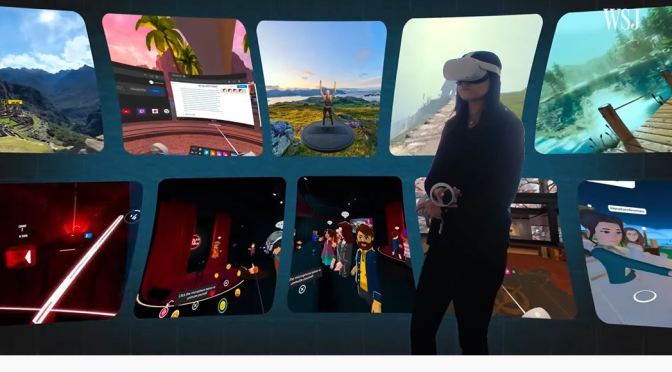
Views: What 24 Hours In The Metaverse Feels Like
Everyone is blabbing about the metaverse. But what does this future digital world look like? WSJ’s Joanna Stern checked into a hotel and strapped on a virtual-reality headset for the day. She went to work meetings, hung out with new avatar friends and attended virtual shows. Photo illustration: Tammy Lian / The Wall Street Journal
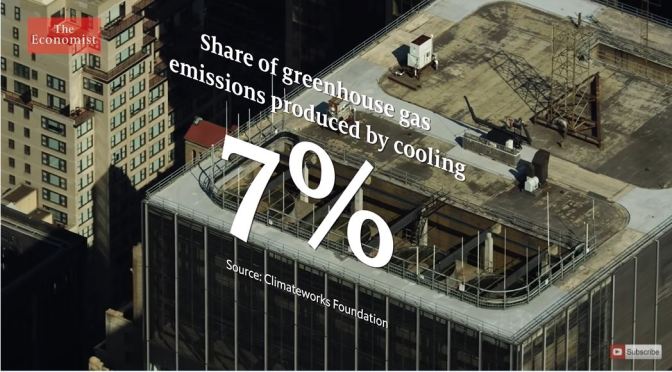
Analysis: Air Conditioning Is Warming The World
The warmer it gets, the more people use air conditioning—but the more people use air conditioning, the warmer it gets. Is there any way out of this trap?
Video timeline: 00:00: What’s the cooling conundrum? 01:05: The pros and cons of AC 03:28: How to reinvent air conditioning 05:02: Can buildings be redesigned to keep cool? 07:30: Scalable, affordable cooling solutions 10:24: Policy interventions for cooling

Technology: NASA Targets Asteroid With Spacecraft
NASA introduced the space agency’s first planetary defense test mission, the Double Asteroid Redirection Test or DART, a spacecraft they plan to launch later this month on a mission to crash into an asteroid.
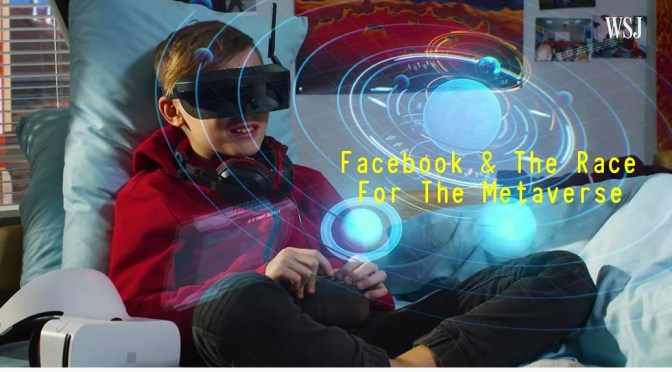
Analysis: Facebook & The Race For The Metaverse
A tech industry battle is taking shape over the “metaverse.” WSJ tech reporter Meghan Bobrowsky explains the concept and why tech companies like Facebook, Roblox and Epic Games are investing billions to develop this digital space. Photo: Storyblocks
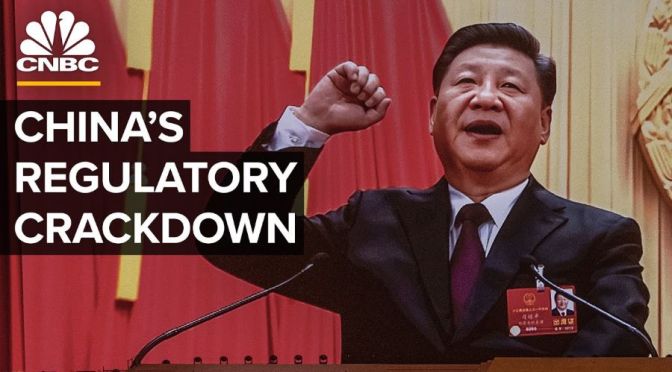
Analysis: China’s New Regulations On Tech
Big Tech, real estate, and even video games are being targeted by new regulations in China. This regulatory upheaval could be yet another sign that Xi Jinping and the Chinese Communist Party is trying to reign in the business sector.

Views: Foxconn Reveals First EV Prototypes (WSJ)
Foxconn, the Taiwanese company known for assembling Apple products, has unveiled three electric-vehicle prototypes. WSJ’s Stephanie Yang attended the launch event to see how the company is diversifying its business to gain a foothold in the auto industry. Photo: I-Hwa Cheng/Bloomberg News
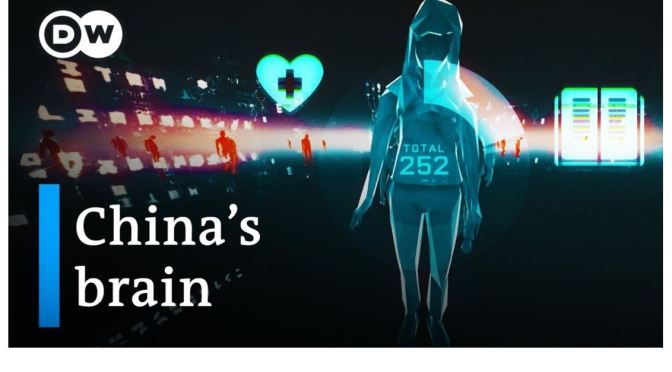
Politics & Technology: China’s Surveillance State
China is building a huge digital surveillance system. The state collects massive amounts of data from willing citizens: the benefits are practical, and people who play by the rules are rewarded. Critics call it “the most ambitious Orwellian project in human history.”
China’s digital surveillance system involves massive amounts of data being gathered by the state. In the so-called “brain” of Shanghai, for example, authorities have an eye on everything. On huge screens, they can switch to any of the approximately one million cameras, to find out who’s falling asleep behind the wheel, or littering, or not following Coronavirus regulations. “We want people to feel good here, to feel that the city is very safe,” says Sheng Dandan, who helped design the “brain.” Surveys suggest that most Chinese are inclined to see benefits as opposed to risks: if algorithms can identify every citizen by their face, speech and even the way they walk, those breaking the law or behaving badly will have no chance. It’s incredibly convenient: a smartphone can be used to accomplish just about any task, and playing by the rules leads to online discounts thanks to a social rating system. That’s what makes Big Data so attractive, and not just in China. But where does the required data come from? Who owns it, and who is allowed to use it? The choice facing the Western world is whether to engage with such technology at the expense of social values, or ignore it, allowing others around the world to set the rules.
 Intellicurious