Video timeline: 00:16 Stamp-sized stickers that can see inside your body 01:44 Energy Crisis Lessons from Japan 03:21 Waterless toilet 05:09 US Climate Plan
The World Economic Forum is the International Organization for Public-Private Cooperation. The Forum engages the foremost political, business, cultural and other leaders of society to shape global, regional and industry agendas. We believe that progress happens by bringing together people from all walks of life who have the drive and the influence to make positive change.
A selection of three essential articles read aloud from the latest issue of The Economist. This week, MBS: despot in the desert, the era of big-tech exceptionalism may be over (49:05), and why it’s OK not to be perfect at work (55:30).
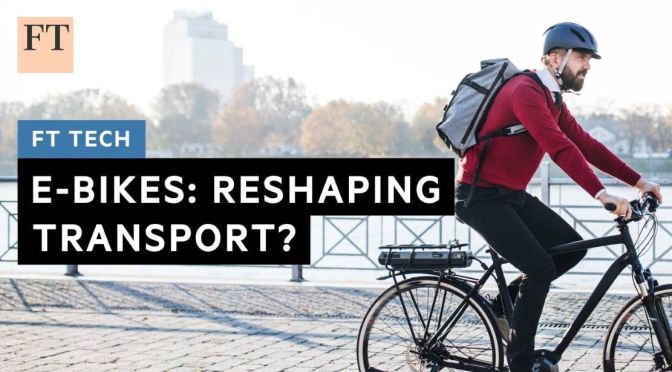
Sales of electric bicycles, or e-bikes, as they’re better known, are booming. At the same time, innovations in battery technology have extended the range that an e-bike can travel. The FT’s Harry Dempsey explores the impact they’re having on commuting, deliveries, and the cities we live in.
As the planet gets hotter, engineers are racing to find ways to store energy on a massive scale, clearing the way for a transition to renewable electricity.
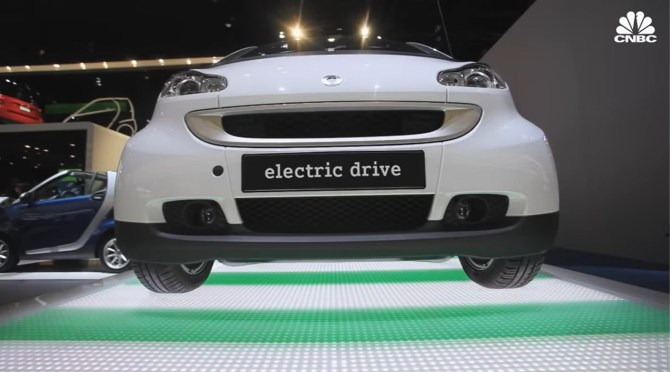
CNBC Marathon revisits General Motors’ shift into the electric vehicle market. GM is one of the largest automakers in the world with a range of models falling under its four brands, Chevy, Buick, Cadillac, and GMC.
Chapters: 00:00 Why GM’s all-electric future is a big gamble (Published September 2021) 15:17 The rise of electric boats (Published April 2022) 27:13 Why GM says its Ultium platform will drive EV dominance (Published May 2022)
The automaker made its name selling gas burning cars but in January 2021, it made a stunning announcement. The company said it “aspires to eliminate tailpipe emissions from new light-duty vehicles by 2035.” This means that GM intends to stop selling gas-burning cars. General Motors says it wants to lead electric vehicle sales in North America by 2025, and vows that its new Ultium battery platform will drive that dominance.
Not only are cars going electric but so are boats. General Motors recently invested $150 million in one start-up, Pure Watercraft, to build an electric pontoon boat. And several others are working to bring their own battery-powered offerings to market. CNBC Marathon brings together the best of CNBC on YouTube.
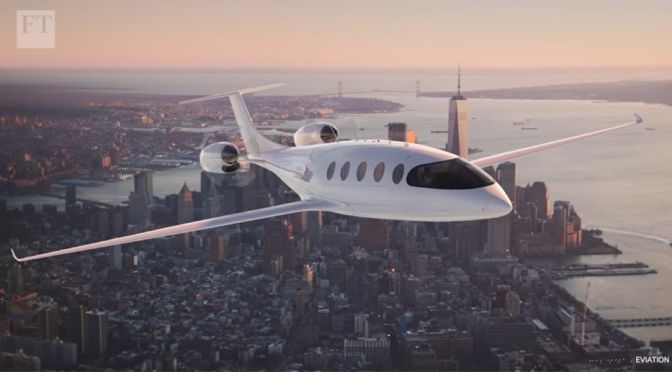
The aviation industry is keen to reduce its carbon footprint, and big money is being spent developing battery-powered aircraft. Last year, investors poured around $5bn into companies seeking to get manned electric VTOLs – vertical take-off and landing craft – airborne. The technology is improving, but as the FT’s Charlotte Middlehurst reports, there are still major hurdles to overcome.
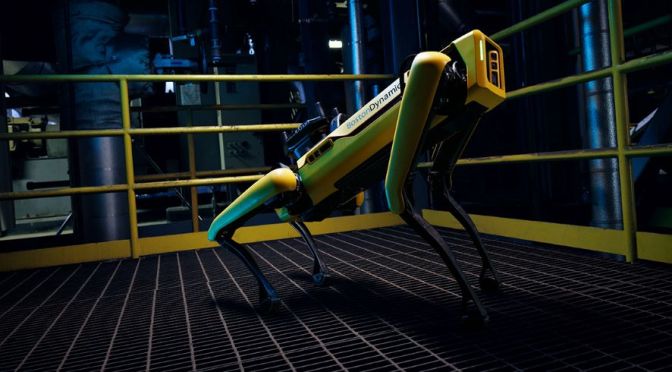
Over the last few years, we’ve seen our customers make huge strides in what they’ve been able to accomplish with Spot – including collecting thousands of data points to drive predictive maintenance models, building comprehensive digital twins of their construction sites, and keeping workers away from dangerous or hazardous situations. We can’t wait to see what they’ll be able to do next.
In MIT class, 2.788 Mechanical Engineering and Design of Living Systems students explore how mechanics, structure, and materials intersect with biology by studying butterflies at every stage of their metamorphosis. Associate Professor Ming Guo and Associate Professor Mathias Kolle take a cross-disciplinary approach to introduce students to the engineering behind biological systems.
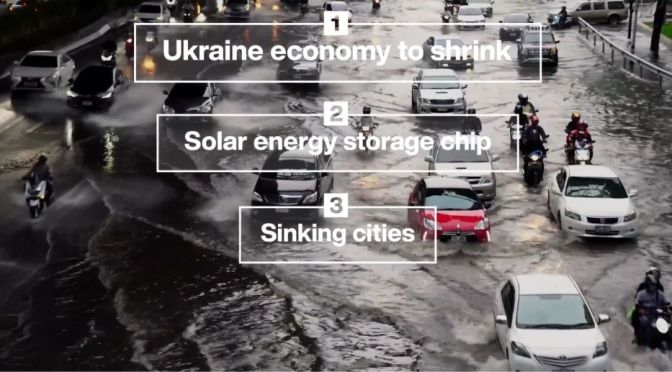
This week The World Economic Forum are highlighting 4 top stories – how Ukraine’s economy is predicted to shrink, a new solar energy storage chip, the reason behind sinking cities and a transformative toilet design.
Timeline: 00:16 Ukraine economy to shrink 01:34 Solar energy storage chip 03:02 Sinking cities 04:25 Transformative toilet
News, Views and Reviews For The Intellectually Curious