
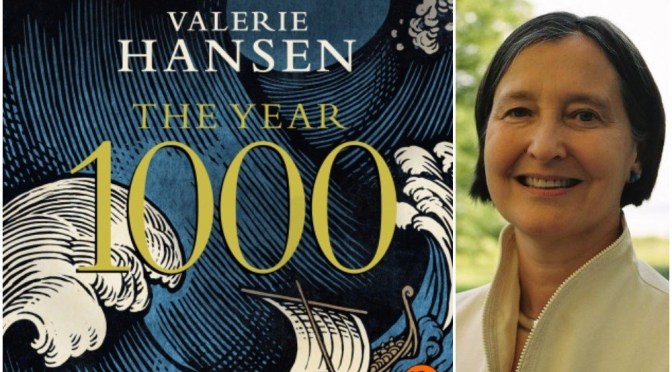
 Valerie Hansen explores these early economic and cultural exchanges and their long-term impact in her new book “The Year 1000: When Explorers Connected the World―and Globalization Began”, which originated as a college course co-taught with Mary Miller, director of the Getty Research Institute. In this episode, Hansen and Miller discuss the state of the world around the year 1000.
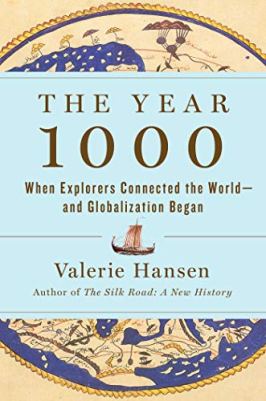 From celebrated Yale professor Valerie Hansen, a groundbreaking work of history showing that bold explorations and daring trade missions connected all of the world’s great societies for the first time at the end of the first millennium.
People often believe that the years immediately prior to AD 1000 were, with just a few exceptions, lacking in any major cultural developments or geopolitical encounters, that the Europeans hadn’t yet reached North America, and that the farthest feat of sea travel was the Vikings’ invasion of Britain. But how, then, to explain the presence of blonde-haired people in Maya temple murals at Chichén Itzá, Mexico? Could it be possible that the Vikings had found their way to the Americas during the height of the Maya empire?
Valerie Hansen, an award-winning historian, argues that the year 1000 was the world’s first point of major cultural exchange and exploration. Drawing on nearly thirty years of research, she presents a compelling account of first encounters between disparate societies, which sparked conflict and collaboration eerily reminiscent of our contemporary moment.
For readers of Jared Diamond’s Guns, Germs, and Steel and Yuval Noah Harari’s Sapiens, The Year 1000 is an intellectually daring, provocative account that will make you rethink everything you thought you knew about how the modern world came to be. It will also hold up a mirror to the hopes and fears we experience today.
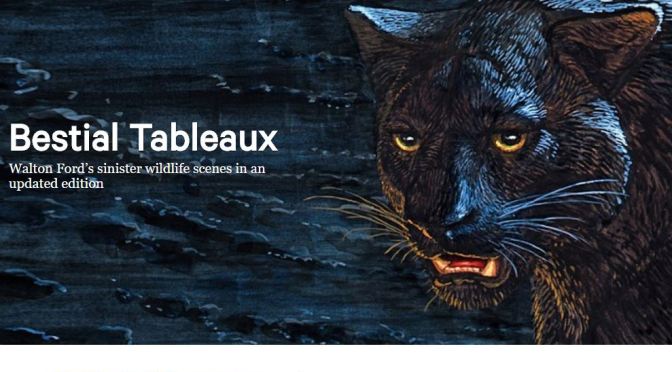
 In this stunning but sinister visual universe, beasts and birds are not mere aesthetic objects but dynamic actors in allegorical struggles: a wild turkey crushes a small parrot in its claw; a troupe of monkeys wreaks havoc on a formal dinner table; an American buffalo is surrounded by bloodied white wolves. In dazzling watercolor, the images impress as much for their impeccable realism as they do for their complex narratives.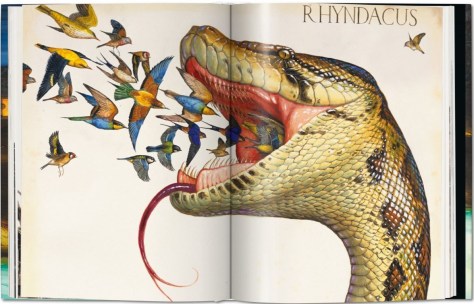
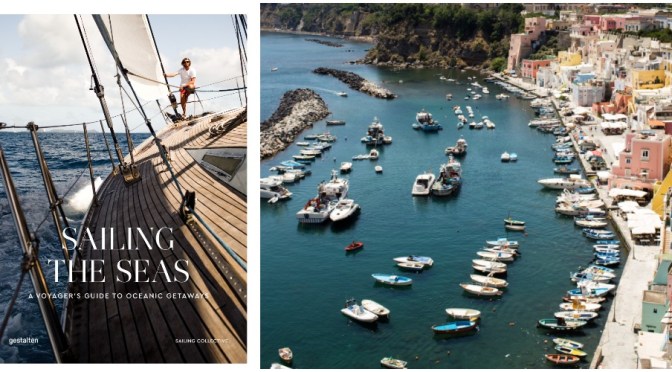
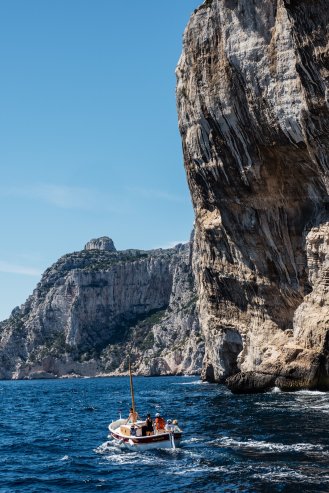 Sailing the Seas will take readers on a series of nautical adventures across the globe, from the coast of the USA down to the Caribbean, through classic Mediterranean voyages and on trips in far-flung locations such as Thailand and French Polynesia. Presenting a fresh, younger side of sailing, this volume reveals the sights, sounds, tastes, and experiences that can be had on board a boat.
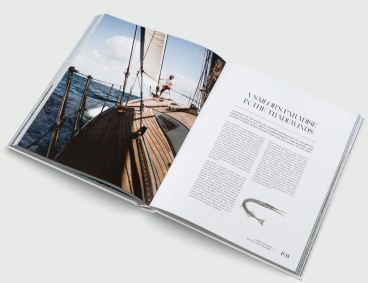 With beautiful photos of locations, detailed itineraries, and “Captain’s Notes” filled with useful tips and insights on destinations, Sailing the Seas will inspire novice sailors and “old salts” alike to take to the waves.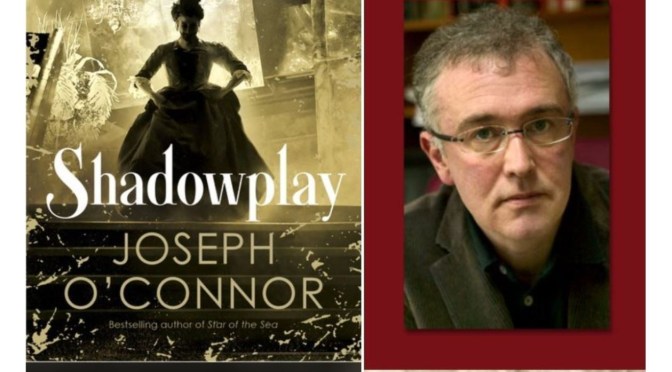
 “Shadowplay” opens in Dublin in the winter of 1876, with O’Connor painting that ravishing city with a soft lyricism that Stoker himself might have envied: “Smacks heading down the estuary, trailing petticoats of nets, out towards the expanse of the sea.” Stoker, a government clerk who moonlights as a theater critic, is reeling from the visceral intensity of Irving’s performance in Dublin as Hamlet. “Eyes glowing red in the gaslight,” Irving terrifies the audience, “slinking towards the lip of the stage, left hand on hip, wiping his wet mouth with the back of his sleeve. Sneering, he regarded them. Then he spat.” (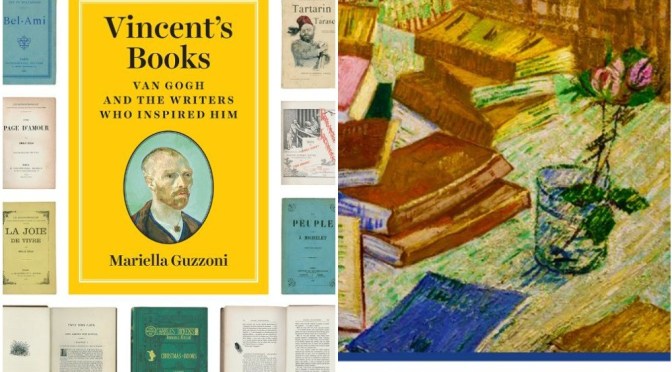
 In his paintings we see books on their own, or books in the company of people or other objects; small, lonely ziggurats of books, or a book beside a candle. That last juxtaposition is telling in the extreme. Vincent had a reverence for books. They were sacred ground. They have a kind of inner glow about them.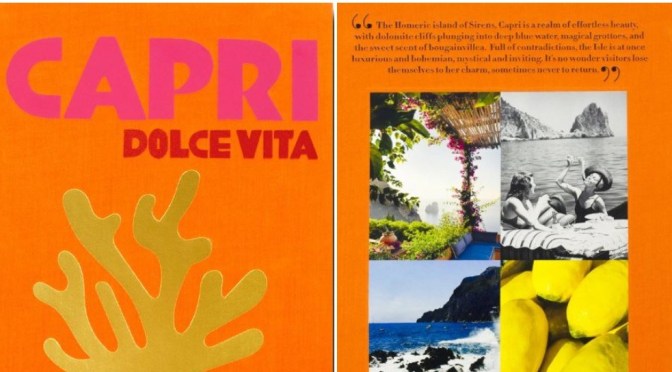
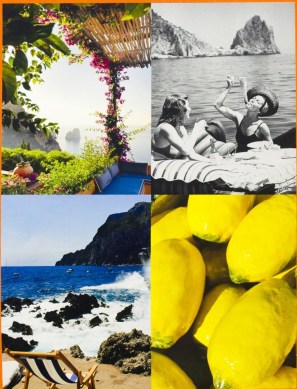 Capri, a resort island dating back to the height of the Roman Empire, has long been an extraordinary destination full of ancient charm. Cherished by everyone from physician Axel Munthe, who recommended its clean air to his patients as a cure for bronchitis; to film director Jean-Luc Godard as the setting for his 1963 film Contempt; to literary icons, celebrities, poets, and the jet set, Capri boasts a rich Mediterranean spirit and style that encompasses a wealth of beauty, from gardens to villas to caves to the people walking in the lively Piazzetta, where cars are prohibited and the island’s playful attitude runs rampant. Capri Dolce Vita is a look at this fabled corner of the world through the ages and a celebration of paradise on earth.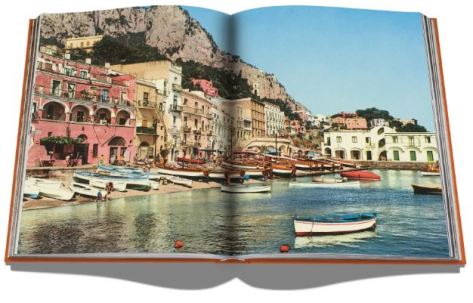
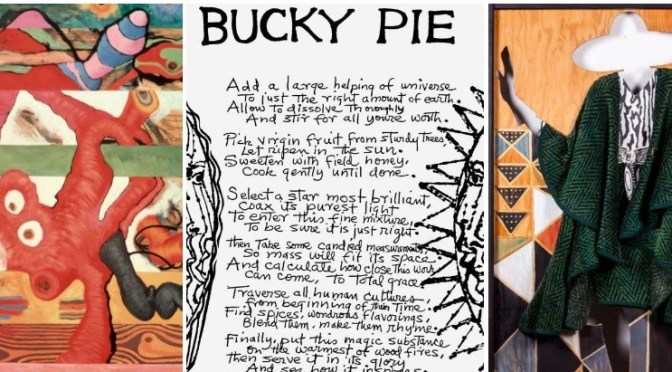
 “We are proud to announce the Fall 2020 Artbook | D.A.P. Catalog of new books on art and culture.”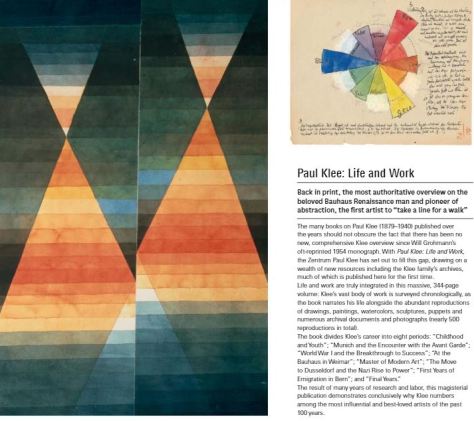
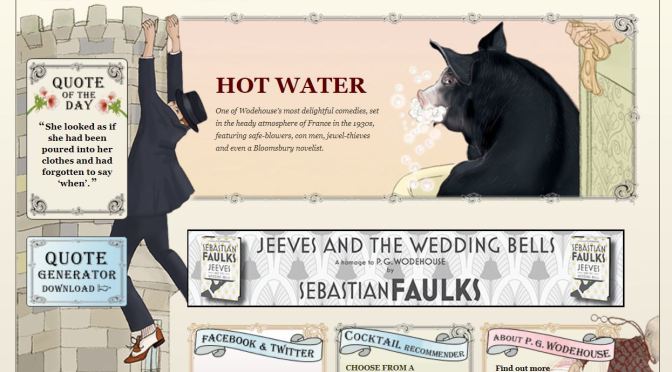
 With every sparkling joke, every well-meaning and innocent character, every farcical tussle with angry swans and pet Pekingese, every utopian description of a stroll around the grounds of a pal’s stately home or a flutter on the choir boys’ hundred yards handicap at a summer village fete, he wanted to whisk us far away from our worries.
 T
T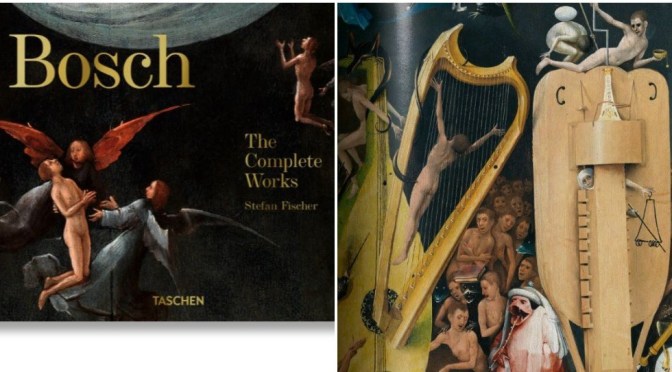
 A bird-monster devouring sinners, naked bodies in tantric contortions, a pair of ears brandishing a sharpened blade: with just 20 paintings and nine drawings to his name, Netherlandish visionary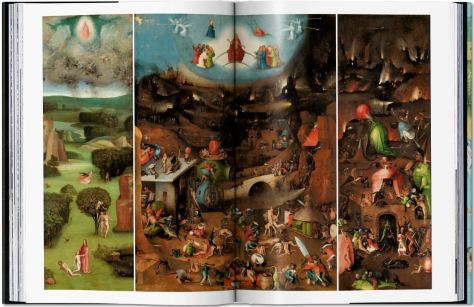
 Intellicurious