

Outside of Denver is one of America’s most iconic music venues: a naturally-formed amphitheatre, millions of years in the making, that is today a stunning setting for concerts and yoga sessions. Correspondent Luke Burbank visits Red Rocks, and talks with members of the band The String Cheese Incident about the intensity and acoustics of a Red Rocks set.
Category Archives: History

New Technology: Is There Cause To Worry About It?
The covid-19 pandemic has reinforced humanity’s dependence on modern tech, but the same tools that enable remote working are also being used to spread disinformation and perpetuate cybercrime. Ambivalence towards technology is nothing new. Read more of our coverage of Science & technology: https://econ.st/3CdkVa5
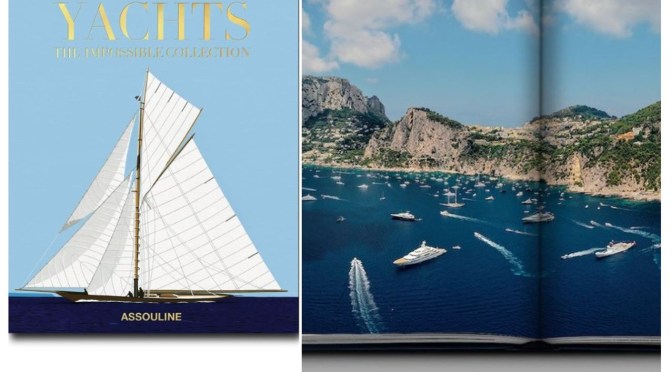
New Photography Books: ‘Yachts – The Impossible Collection’ (Assouline)
Yachts: The Impossible Collection is an eclectic and carefully curated anthology of ships, from the 1851 ship for which the America’s Cup was named, to J Class racing yachts of the early 1900s, to the current high-tech megayachts, from classics with timeless silhouettes, to head-turners that broke the mold with daring design and redefined their era.
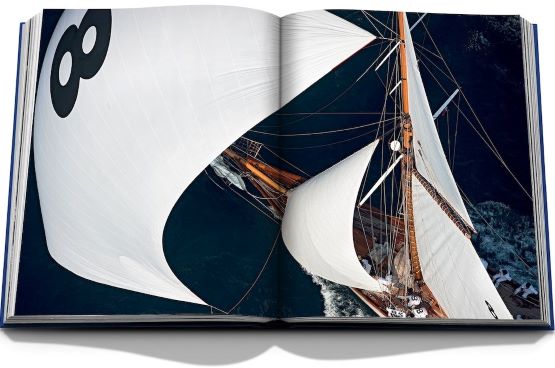
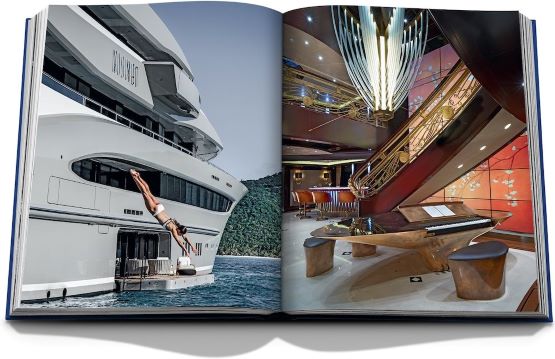
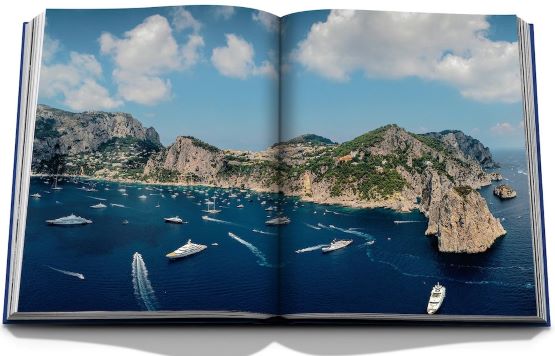
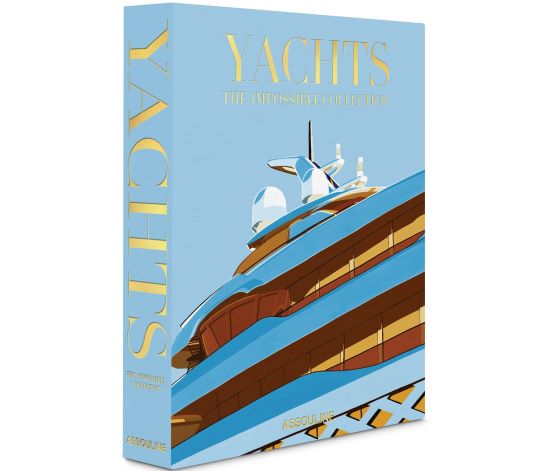
Since time immemorial, monarchs, nobility and the aristocracy have yearned to spend their leisure time on the water. From Cleopatra’s fabled luxury barge to Her Majesty’s Royal Yacht Britannia, from elegant Jazz Age vessels such as Nahlin, once chartered by King Edward VIII and Wallis Simpson, to the swinging ’60s Hollywood royalty invited aboard Aristotle Onassis’ Christina O, the yachting scene has always attracted celebrities, high society and the top 0.1%. But with over three thousand sizable yachts currently in the global fleet, not to mention those legendary vessels that are sadly no longer in existence, how do we distinguish the crème de la crème of this exclusive breed?
And with so much focus today on the environment and the health of the oceans, the yachting world is changing quickly, increasingly pursuing sustainability. Whether impossible in sheer size, speed, luxurious features or advanced green technology, all of the vessels in this fantasy marina have transformed the yachting seascape.
As long as there are people with means and blue oceans to explore, there will always be a demand for these beautiful and impossible creatures that break the boundaries of technology, luxury and decadence—and new yachts are still yet to be built, worthy of The Impossible Collection.
Miriam Cain is a U.K.-based luxury journalist and editor, specializing in the superyacht industry for two decades, in a variety of editorial and PR roles, including editor of Elite Traveler Superyachts and SEA+I Magazine. Cain is currently the editor for the yachting and lifestyle publication Navigator, and she also contributes to a variety of international yachting publications as a freelance journalist.
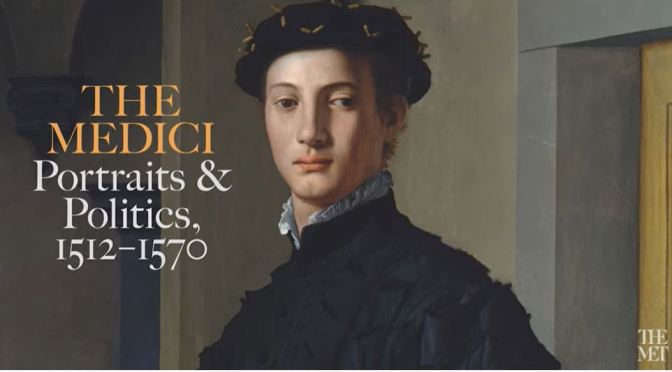
Met Museum Exhibit Tour: The Medici – Portraits And Politics, 1512-1570 (Video)
Join exhibition curator Keith Christiansen and Renaissance art historians Linda Wolk-Simon and Davide Gasparatto in conversation about the exhibition “The Medici: Portraits and Politics, 1512–1570,” and the development of the Florentine identity through portraits under Cosimo I de’ Medici’s rule. Film made possible by the generous support of The Brownstein Family Foundation, a Patron Member of The Friends of the Bargello. Learn more about the exhibition “The Medici: Portraits and Politics, 1512–1570” on The Met’s website: https://www.metmuseum.org/MediciPortr…

Two-Minute Views: The History Of Bread (Video)
Have you noticed how many favorite foods involve bread? Like pizza, tortillas, steamed buns, and croissants. But where did bread come from and when did humans start making it? Take a 2-minute ride in our time machine and jump back thousands of years to find out.
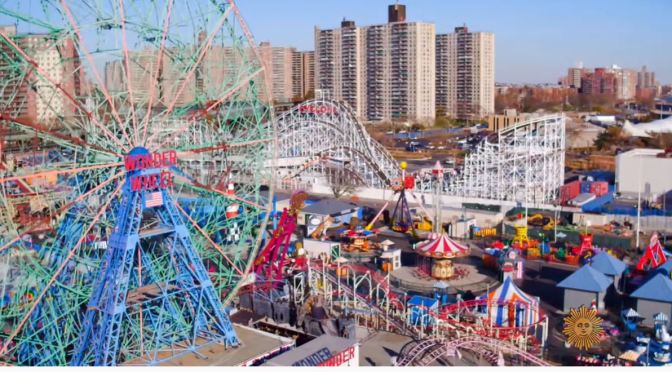
Summer Tourism: 150 Years Of Coney Island, New York
Amusement park rides and sideshows, hot dogs, and mermaid parades: Coney Island, a tiny stretch of beachfront in Brooklyn, has left an indelible mark on the world’s popular imagination for nearly 150 years. Correspondent David Pogue rides a rollercoaster of history in exploring the allure of the New York seaside resort.
Coney Island is a residential Brooklyn neighborhood that morphs into a relaxation and entertainment destination each summer. Locals and tourists crowd its beach, the Wonder Wheel and Luna Park, an amusement park featuring the famed Cyclone roller coaster. Street performers, the Circus Sideshow and the Mermaid Parade in June lend an eccentric vibe. Nathan’s Famous is known for its July 4th hot-dog eating contest.
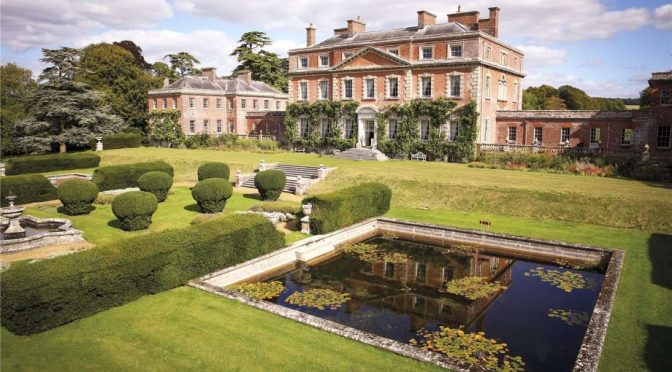
English County Estates: Trafalgar Park, Salisbury
Writing in Country Life in 1997, the magazine’s then-Architectural Editor the late Giles Worsley referred to stately Grade I-listed Trafalgar Park, near Salisbury, Wiltshire, as ‘the Flying Dutchman of the property world, endlessly seeking an owner and being sold on while the fabric slowly decayed’.
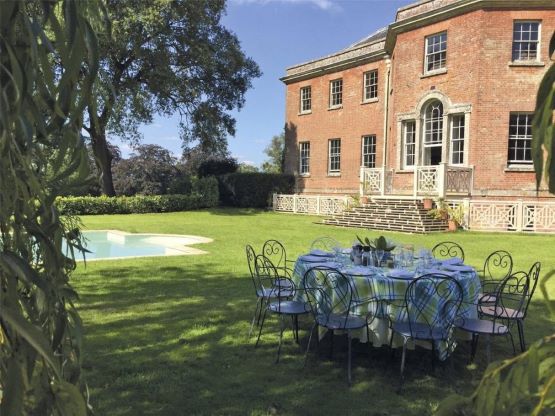
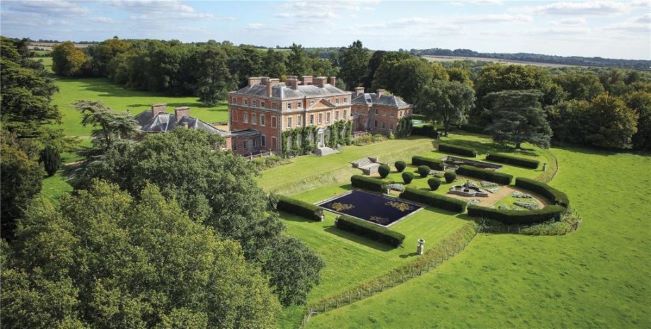
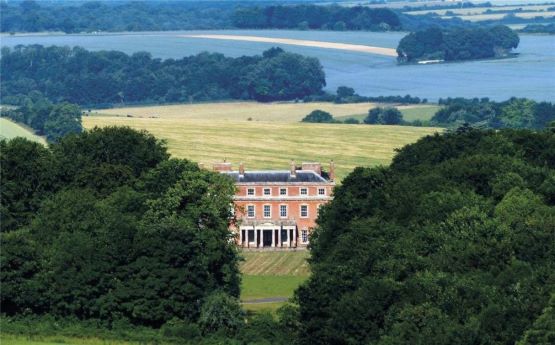
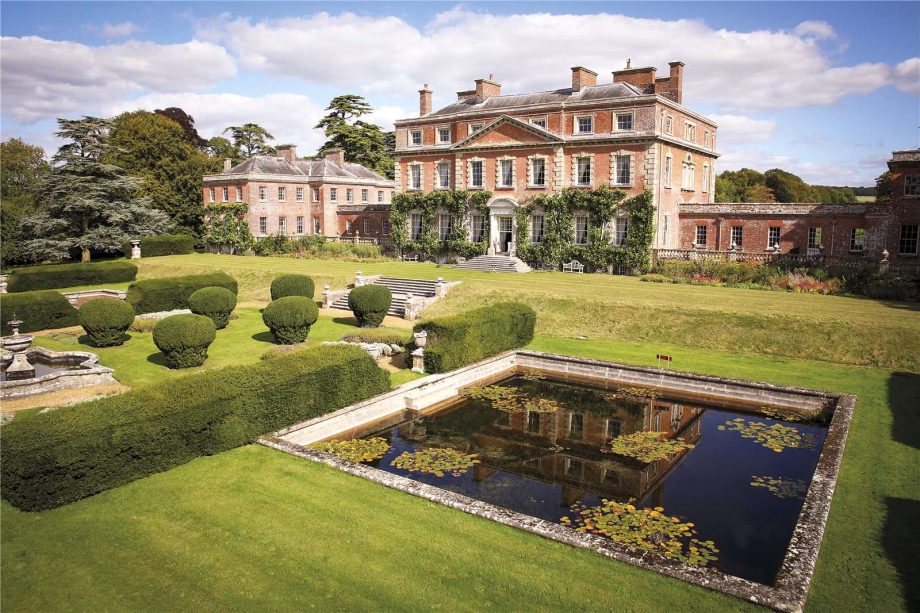

The fine country house built by John James of Greenwich in 1733 for City grandee Sir Peter Vandeput was nevertheless described as ‘an estate agent’s dream, a house that always seemed to come back on the market’.
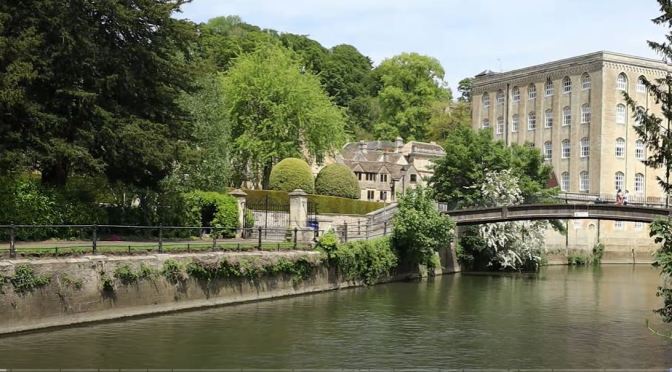
Tours: Bradford-On-Avon, Wiltshire, England (4K)
Bradford-on-Avon is a town and civil parish in west Wiltshire, England, near the border with Somerset, with a population of 9,402 at the 2011 census. The town’s canal, historic buildings, shops, pubs and restaurants make it popular with tourists. The history of the town can be traced back to Roman origins.
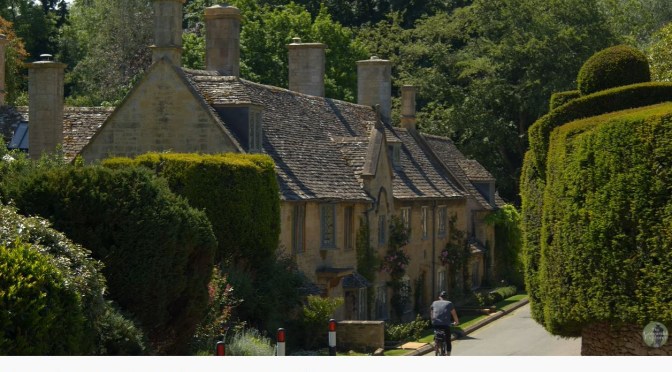
The Cotswolds: A History Of Broad Campden (4K)
Situated just outside Chipping Campden, Broad Campden is a small village in Gloucestershire, England, with a church and pub, and notable for its beauty and fine walking trails.

1950’s: A ‘Moral Panic’ That Targeted Comic Books
Comic books have been a staple of American pop culture for the better part of 90 years. The origin story of comics as we know them, however, is much more complicated. In the 1950s, a moral panic swept across the country — one in which parents and children burned comic books by the bushel in public gatherings — and led to the near destruction of the comic book industry. Comics were big business even by the 1940s. They reached millions of readers each week. And the superheroes created then have now become billion-dollar franchises, showcased in blockbuster films and massive conventions such as Comic-Con. Events in 1954, however, almost changed that. Laws were passed. Careers were ruined. And comics fell under a strict censorship regime that lasted for decades to come.
 Intellicurious