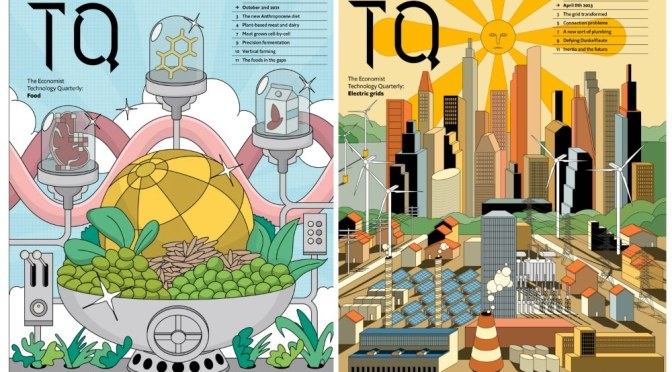


Silicon returns to Silicon Valley
AI has returned chipmaking to the heart of computer technology, says Shailesh Chitnis

AI has returned chipmaking to the heart of computer technology, says Shailesh Chitnis


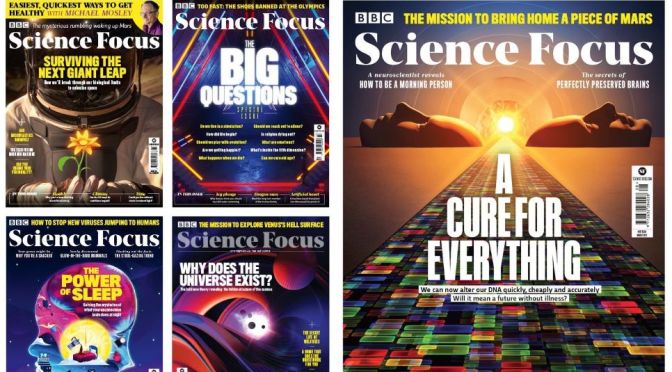
The technical knowledge of Egyptian architects once again exceeds expectations. Was Egypt’s oldest pyramid, the Step Pyramid of Djoser, built using some seriously high-tech kit? And what’s with the huge, unexplained cavity that’s been discovered in the Great Pyramid of Giza?
Meet the creatures for whom time has almost stood still. These animals give us a glimpse into what life was like millions of years ago, and show us just how resilient some groups have been to the calamitous events that have consigned others – such as the dinosaurs – to extinction.
There’s a mysterious object hurtling at one million miles per hour across the Milky Way. It’s moving so fast that it could exit the Milky Way entirely – and scientists are still trying to figure out what it is. Not quite a planet and not quite a star, so what is it?
The Proba-3 mission aims to unravel the mysteries of the Sun’s atmosphere by creating artificial eclipses on demand. But achieving this feat means teaching two spacecraft to perform a complicated dance with an unprecedented level of precision. If the mission is successful, scientists will be able to study the Sun’s corona in unprecedented detail, ushering in a new era for space observation.
Impostor syndrome: Ever feel like you’re an impostor, who’s bluffing their way through life? You’re not alone. Even the world’s most brilliant minds suffer from the fear of being ‘found out’. But what causes impostor syndrome? And more importantly, how can you overcome it?
Q&A: Boost your general knowledge! This issue: How do I break free of blame culture? How often should I change my toothbrush? How are identical twins created? Did dinosaurs have fleas? Why does my computer screen look so weird when I take a picture of it? What’s the smelliest animal? And more.
Sleep gadgets: A bad night’s sleep can follow you for days, making you tired and grumpy. Our tech experts have rounded up the best gadgets to help perfect your sleep routine and make the most of your shut-eye.
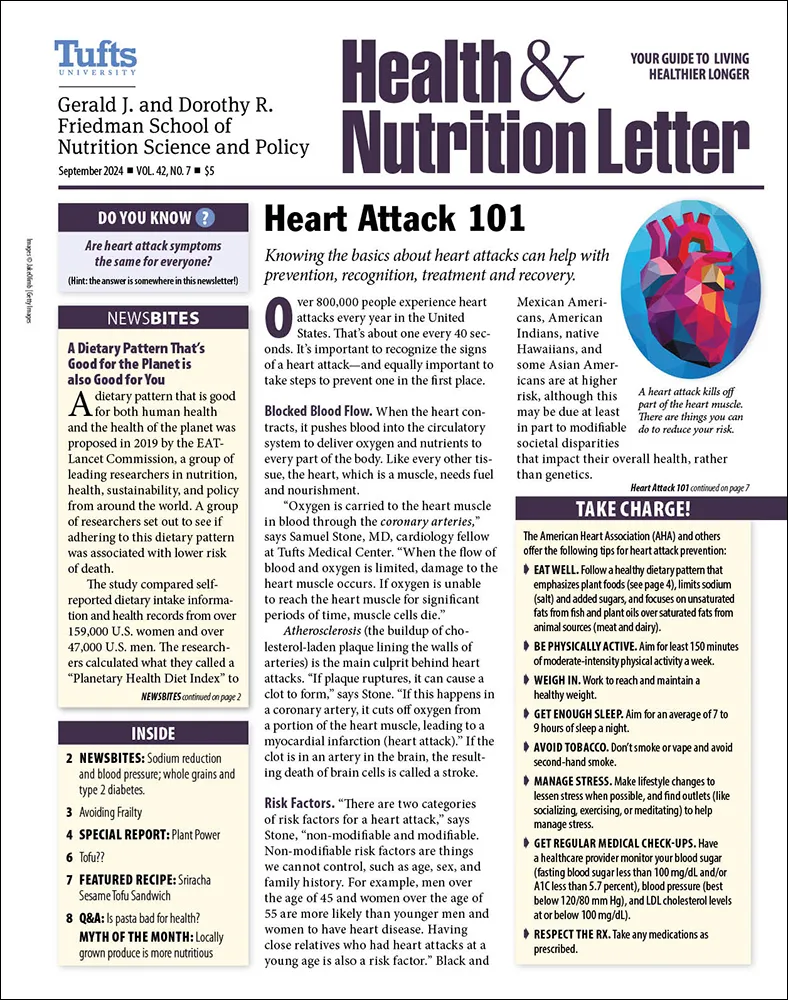
Tufts Health & Nutrition Letter (September 3, 2024): The new issue features Heart Attack 101; Avoiding Frailty; Special Report: Plant Power Tofu??; Is pasta bad for health? and Locally grown produce is more nutritious…
Physical frailty in older age can be avoided. Start now.
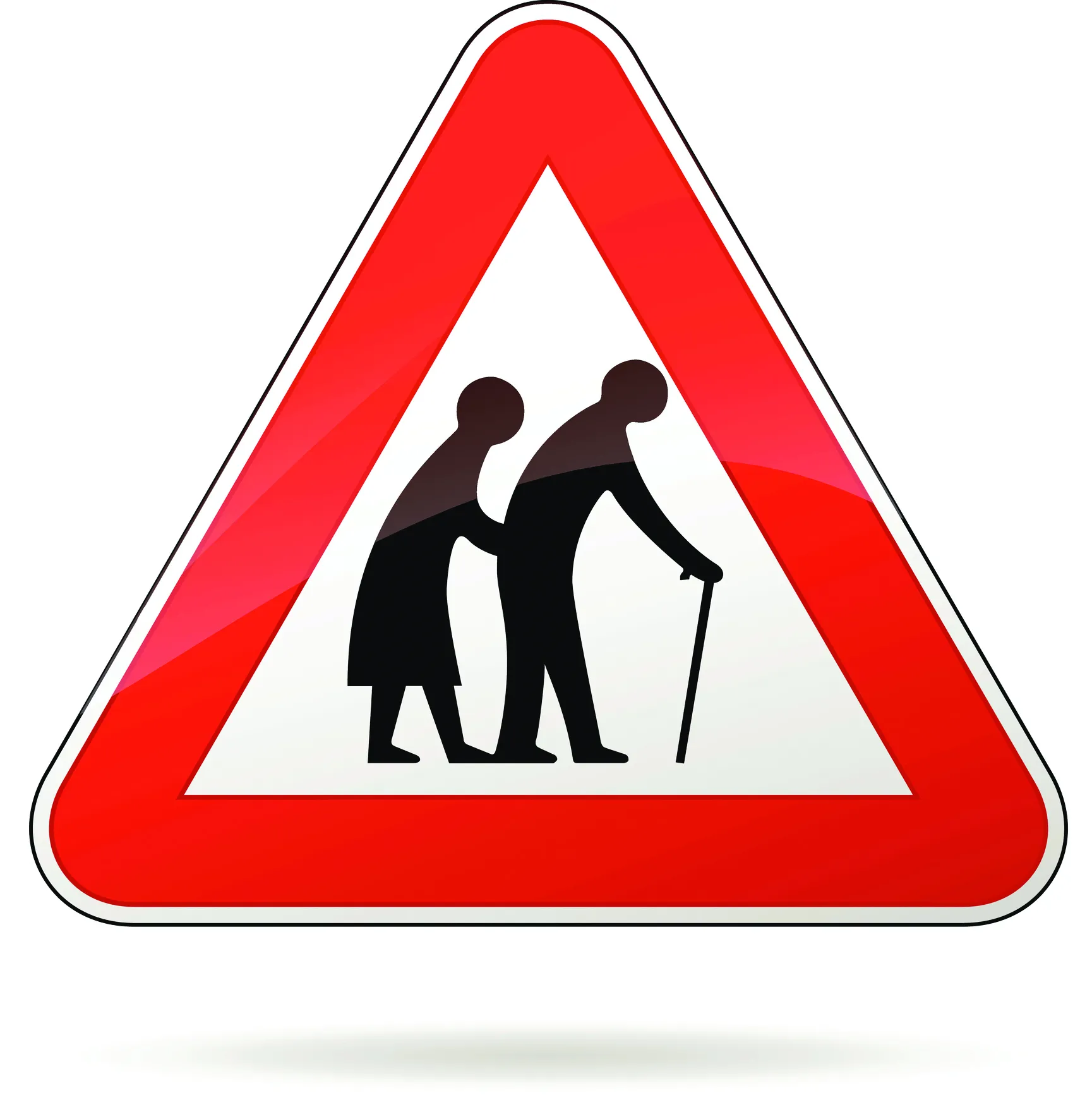
We all lose muscle and strength as we age. Frailty is something more. It can take away your health, your vitality, and your independence. But it’s not inevitable.
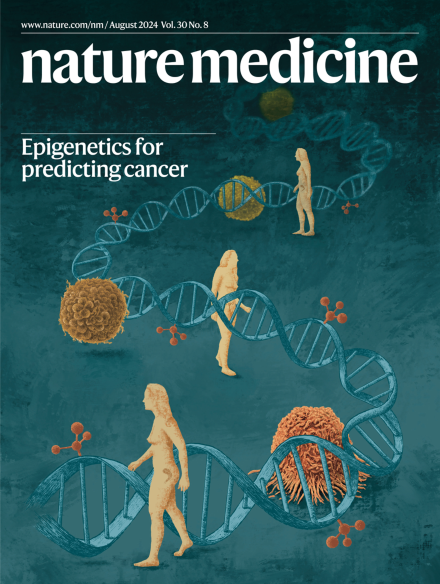
Nature Medicine (August 19, 2024): The latest issue features…
Genomics-based newborn screening has the potential to revolutionize healthcare, but new solutions are needed to ensure that the benefits are equitably available.
Dozens of clinical trials are testing new mRNA vaccines, using machine learning to identify antigens, and embracing new technologies such as self-amplifying RNA.
Politics affects women’s health, from abortion access to funding for health systems, and voters should choose their politicians accordingly.
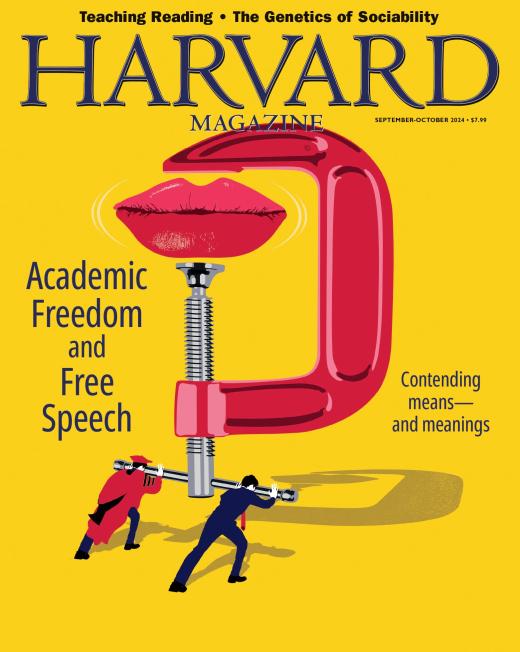

HARVARD MAGAZINE (August 15, 2024): The latest Academic Freedom and Free Speech – Contendin means, and meanings…
Robert Post explains how they differ—and why it matters, especially now by Lincoln Caplan
The impact on global GDP is likely six times greater than previously estimated.
The microbiome may be socially exchanged, modulating both health and metabolism.
Why social interactions are as vital as food and water by Erin O’Donnell
BBC Radio 4 (July 30, 2024): From the Hay Festival, James and a panel of experts explain what we can all do to help ourselves age well. We discover what’s going on in our bodies when we age, the difference between biological and chronological age, as well as getting the audience moving for a physical test.
James is joined by gerontologist Sarah Harper from the University of Oxford, biomedical scientist Georgina Ellison-Hughes from King’s College London, and doctor Norman Lazarus to understand how exercise, diet, and mental health all have a part to play in how we age.


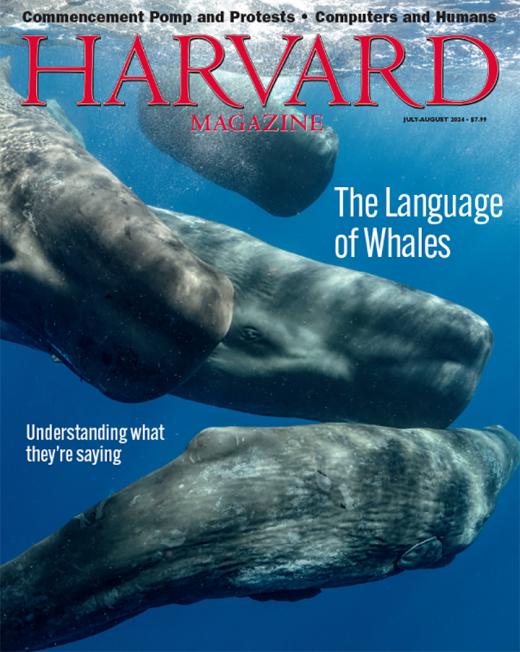
HARVARD MAGAZINE July/August 2024 :

Project CETI’s pioneering effort to unlock the language of sperm whales
by Jonathan Shaw

Reflections on six decades of relations with comptuers
by Harry R. Lewis
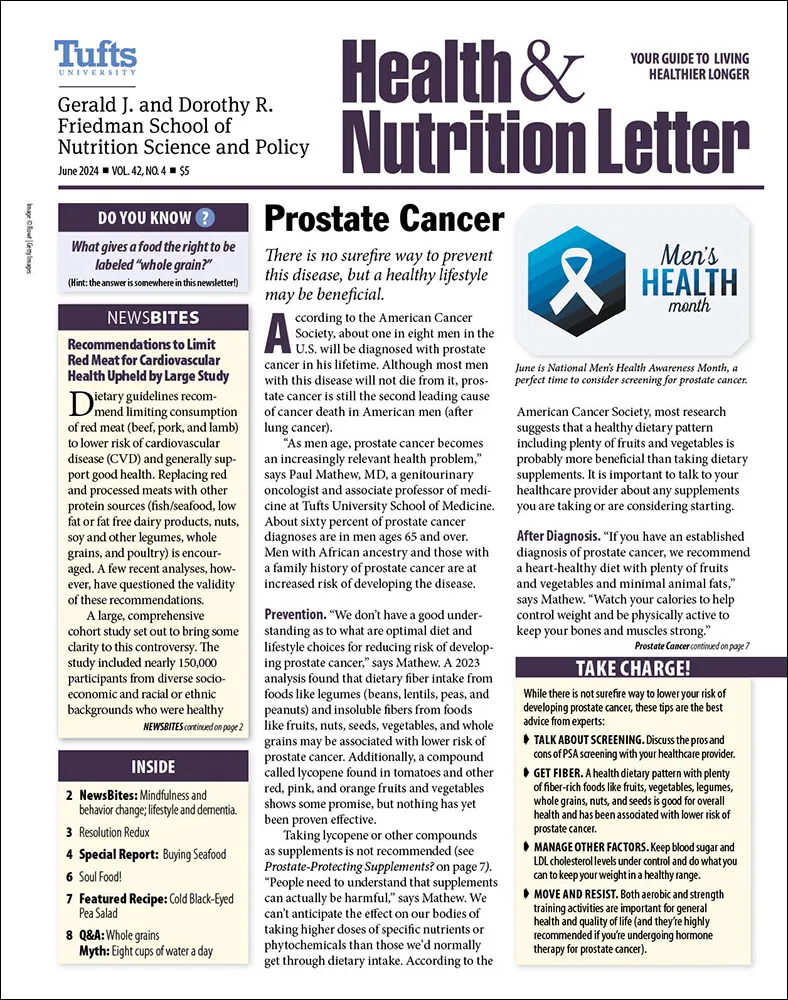
Tufts Health & Nutrition Letter (June 3, 2024): The new issue features ‘Prostate Cancer’ – There is no surefire way to prevent this disease, but a healthy lifestyle may be beneficial…
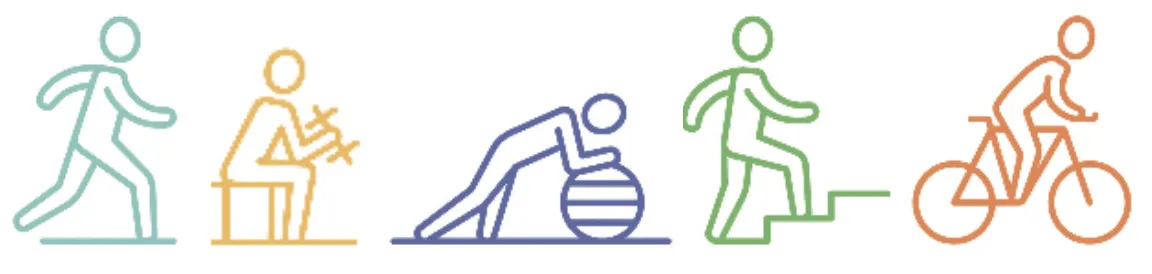
The benefits of physical activity are well-established. Not only can being physically active make you feel and perform better, but it can also reduce the risk of developing many chronic diseases, including cardiovascular disease, type 2 diabetes, and Alzheimer’s disease and other dementias.
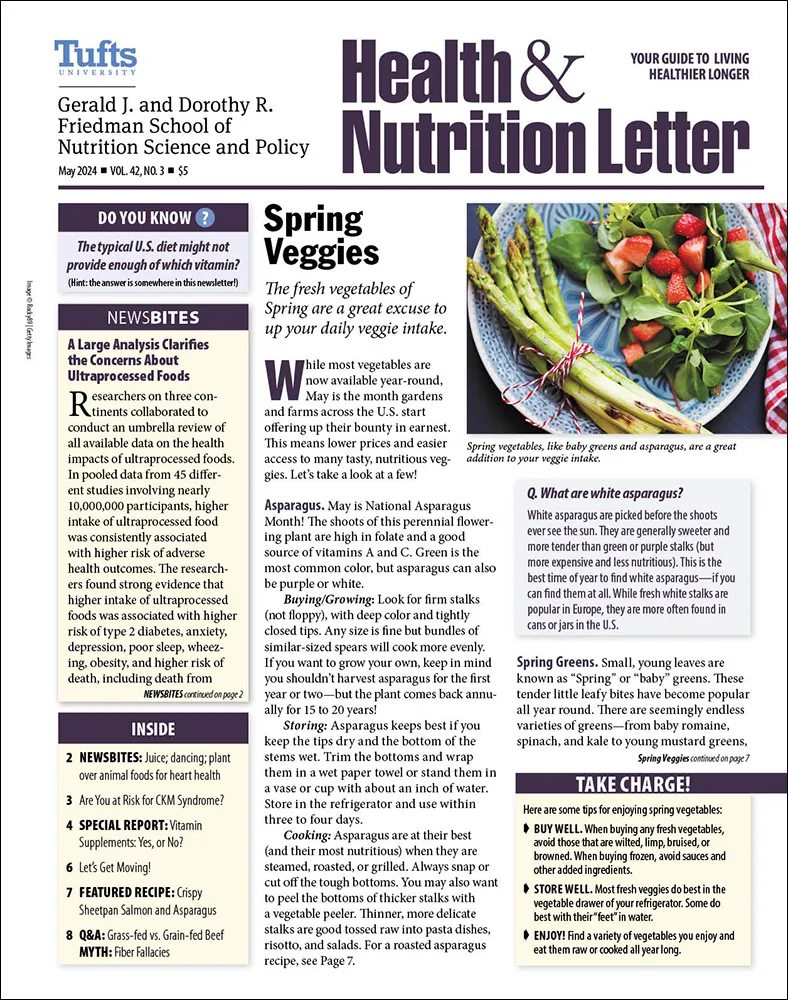
Tufts Health & Nutrition Letter (APRIL 30, 2024): The new issue features Vitamin Supplements – Yes, of No?; A large analysis clarifies the concerns about ultra-processed foods, and more….
 Intellicurious


