Category Archives: Culture

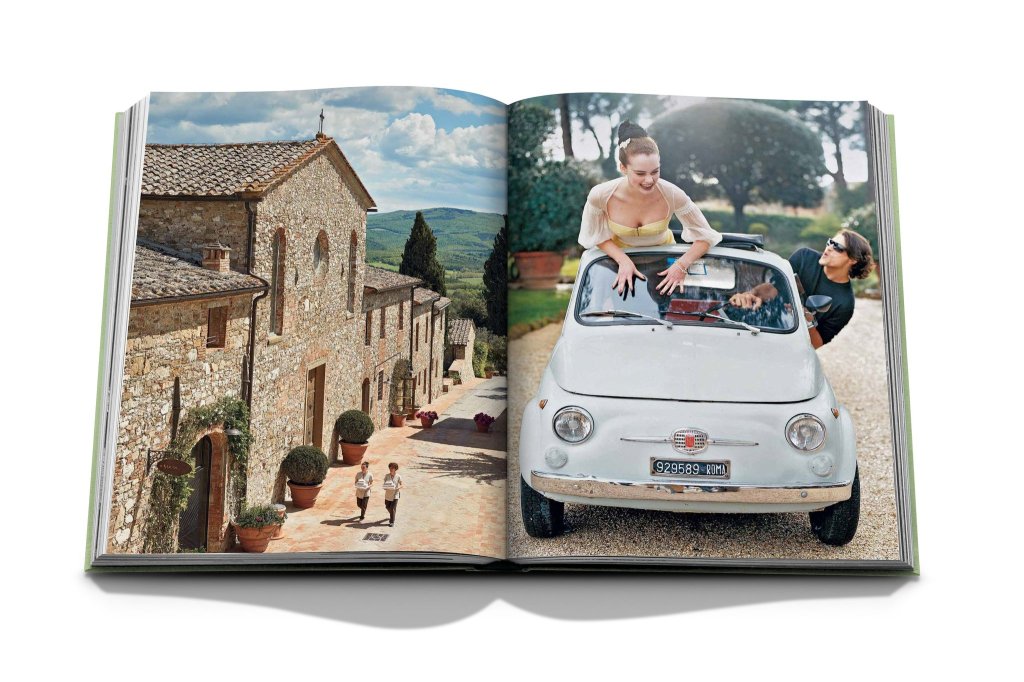
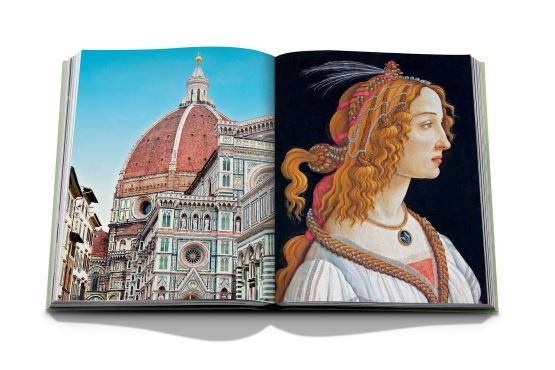
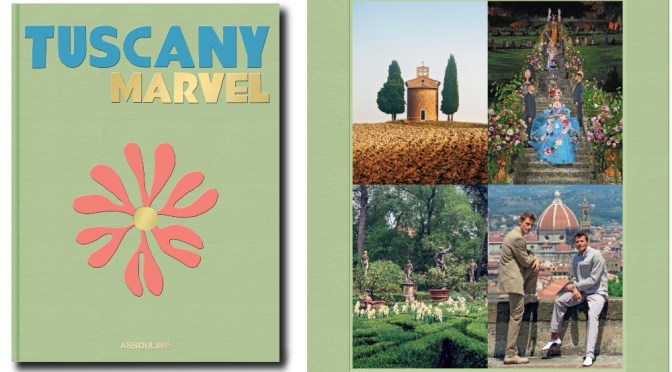
Books On Italy: ‘Tuscany Marvel’ (May 2021)

The Italian region of Tuscany is a feast for all senses. A creative incubator that has cultivated art and architecture for eras including Etruscan, Roman, Renaissance and modern times. Timeworn churches, once stops on nineteenth-century Grand Tours, stand tall in the towns’ piazzas. Rolling hills of wheat and colorful olive groves, that inspire authentic Tuscan cuisine, are dotted with villas built by the prestigious Medici family. 
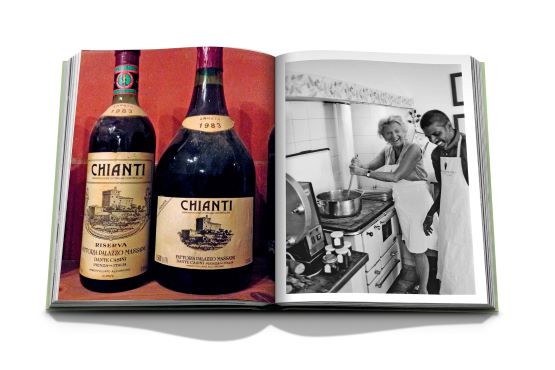
 The Tyrrhenian Sea extends off its coast, lapping the shore of Elba, the island where the emperor Napoleon was exiled. Quaint villages, historic towns and bustling cities are scattered across its landscape, which is almost as varied as the communities themselves. From annual horse races at Piazza del Campo, and the centuries-old winemaking traditions of the Chianti region to the city of Pisa, an ancient Maritime Republic known for the youthful spirit of its Scuola Normale Superiore and Leaning Tower alike, Tuscany is the place of dreams, where thousands come to relive its history and take in the beauty of a region.

In the fashion world, Ferragamo, Gucci and Pucci all have ties to Florence and its endless inspiration. However, what truly defines Tuscany is its timelessness. Masterpieces from centuries past still lure immense crowds. Brunelleschi’s dome in Florence never fails to strike onlookers with awe.
Read more

Views: Stern Sculling On French Island Of Groix

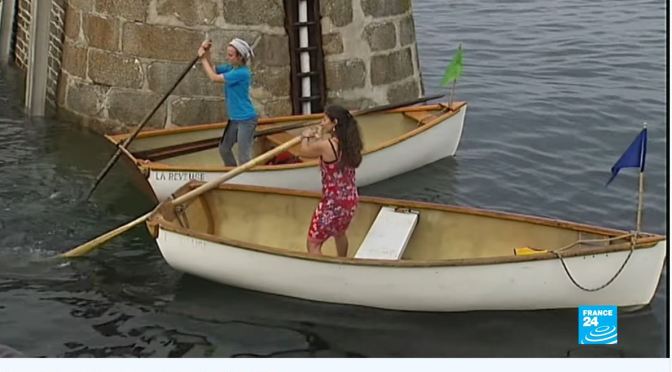
The French island of Groix, off the coast of Brittany, is ​​the land of stern sculling, a single-oar technique used for centuries by fishermen. Although traditional fishing has disappeared today, the island continues to keep the tradition alive by organising a world stern sculling championship each year. Islanders of all generations take part and competition is fierce. We went to check it out.

Mediterranean Views: The Island Of Rhodes (Video)

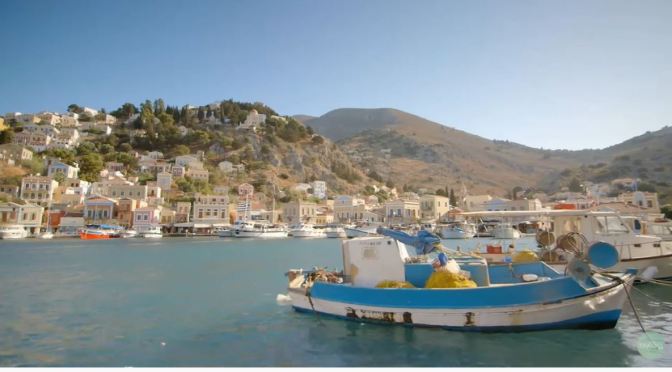
Rhodes, the largest of Greece’s Dodecanese islands, is known for its beach resorts, ancient ruins and remnants of its occupation by the Knights of St. John during the Crusades. The city of Rhodes has an Old Town featuring the medieval Street of the Knights and the castlelike Palace of the Grand Masters. Captured by the Ottomans and then held by the Italians, the palace is now a history museum.

Julia arrives in the Dodecanese, a far-flung group of islands at the gateway between Europe and the East where she visits the medieval capital of Rhodes.

Island Views: Skiathos & Skopelos – Greece (Video)

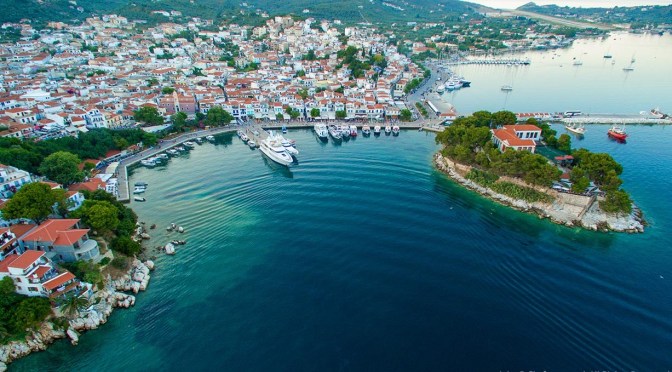
Skiathos, a Greek island in the northwest Aegean Sea, is part of the Sporades archipelago. It’s best known for its beaches and buzzing, youth-driven nightlife scene. The action centers around Skiathos Town, where bars and restaurants spill onto sidewalks along the old harbor and Papadiamanti street, the main pedestrian thoroughfare. Between town and the airport are many open-air, waterfront clubs.

Skopelos is a Greek island in the western Aegean Sea. Skopelos is one of several islands which comprise the Northern Sporades island group, which lies east of the Pelion peninsula on the mainland and north of the island of Euboea. It is part of the Thessaly region.

Views: Ancient Mongolian Fishing Technique At Lake Chagan, China (Video)

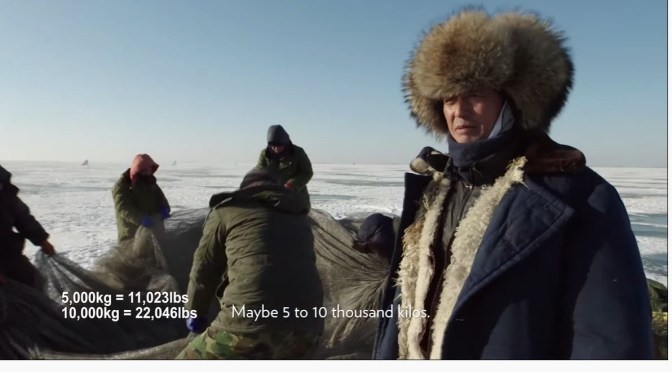
In the northeast province of Jilin, China, local fishermen rely on an ancient Mongolian technique to fish in the frozen waters of Lake Chagan. And despite temperatures reaching minus 30 degrees Fahrenheit, all they need are a net, two horses, and a spindle.

Views: An Afternoon Tea At Greywalls Country House, Scotland (Video)

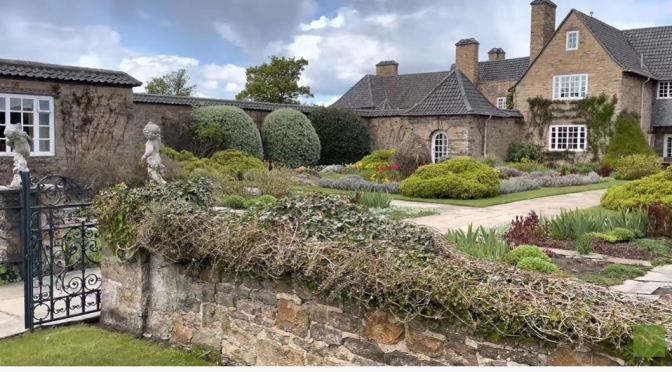
For today’s episode I am at Greywalls – an Edwardian Country House Hotel in Scotland, for Afternoon Tea. Join me for a tour of the house and garden, followed by Afternoon Tea. At the end of the video I share how to make a delicious lemon & poppyseed cake.

Overlooking Muirfield golf course, this posh hotel in an Edwardian country house dating from 1901 is 2 miles from Dirleton Castle.

Full Scottish breakfast is included. A haute French restaurant includes a whisky room, and a lounge bar offers pub fare and afternoon tea. A 6-acre walled garden features tennis courts, a croquet lawn and a putting green; massages are also available.

Views: Camel Herders Of The Sahara Desert (Video)

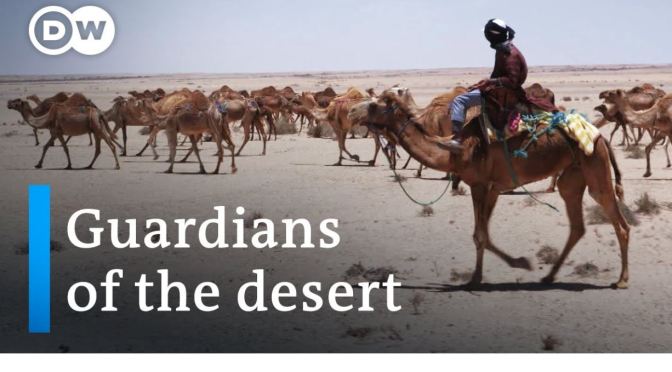
It was once common practice to herd camels hundreds of kilometers through the desert. Now, with only a handful of herders left, the ancient art of desert navigation will soon be lost. From the south of Morocco, the great Sahara Desert extends more than a thousand kilometers into Mauritania. Hot and dry, the desert is hostile to life.

Yet for centuries, camel herders have successfully traveled back and forth across this landscape, between their herd’s winter and summer camps. Today, only some thousand families remain dedicated to this traditional way of life. They breed dromedaries: domesticated, one-humped camels. Among these guardians of the old ways are the shepherds Moulay and Hadrami, both of the Oulad Ben Sbaa tribe. Their families live in the city, having abandoned the nomadic life.

But Moulay and Hadrami are passionate shepherds, closely bonded to their 200 camels. In this rich documentary, the men take us along as they go about their work: arming themselves against sandstorms, preparing their herd for nightly migrations, and searching the desert’s endless expanse for lost newborn animals and their mothers. An invaluable glimpse into the hardscrabble existence of these shepherds, the film shows a way of a life that will soon cease to exist.

1970’s Books: ‘Rock Me On The Water’- How Movies, TV & Music Changed Culture

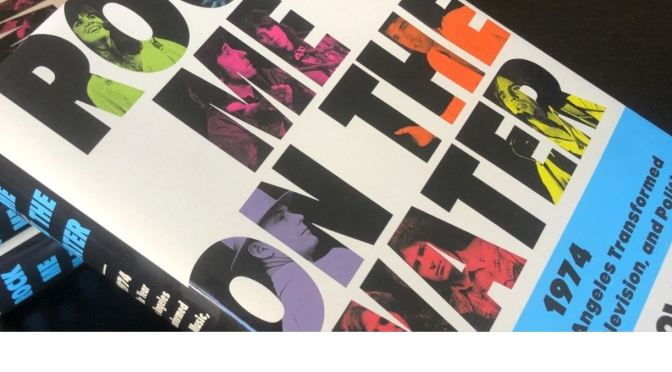
A new book argues the 1970’s was a moment when TV, movies, and music all shifted into a new gear, changing the cultural landscape in ways that continue to today. Jeffrey Brown has a conversation with author Ron Brownstein about his book “Rock Me on the Water: 1974-The Year Los Angeles Transformed Movies, Music, Television, and Politics.” This segment is part of our arts and culture series, CANVAS.

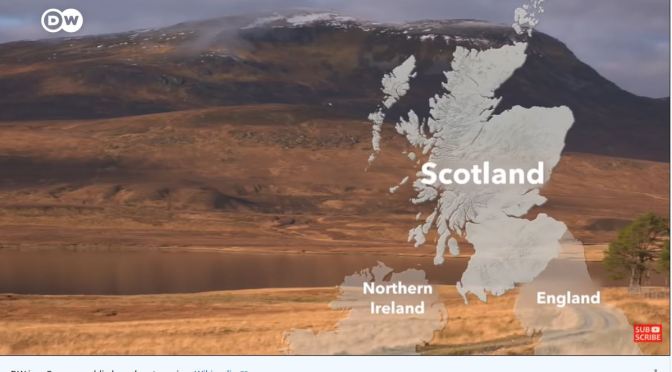
Cultural View: What Will An Independent Scotland Look Like? (Documentary)

What does it mean to be Scottish? Since Brexit, people here at the northernmost end of the island of Great Britain have been asking this question with renewed vigour. Now, with the Scottish Parliament election approaching, many Scots see their future outside of the United Kingdom. So how do ordinary Scottish citizens see their homeland?

On her journey through Scotland, journalist Diana Zimmermann quickly learns that it is impossible to travel through the country these days without talking about Brexit. Geography and history have brought the Scots to a breaking point. Just ask Sophie Gault, a deer-hunter whose breath-taking workplace is in the heart of the Highlands, at the foot of Ben Alder. “Being Scottish is something I’m really proud of,” says Gault, adding that taking this job was the best decision she ever made.

“Being with nature and with wildlife, it makes you appreciate Scotland even more. There’s always that sense of community. And I’m very proud of our own Scottish humour.” What does fisherman Victor Laurenson, who had hoped Brexit would bring him better fishing conditions, think of his country now?

Janey Godley, a comedian from Glasgow, brings yet another perspective: In the Scottish independence referendum in 2014, she says, the English told the Scots to vote against independence so that Scotland could stay in the EU. “It’s basically like your Mum and Dad saying – look – if you go to bed early, when you wake up, you will have a pony. And you go to bed, you sleep early, you wake up and there’s just a cushion in the shape of a cat instead, and it’s not even a good cat.”