From a CityLab online article (April 10, 2020):
 What might that mean for the bathrooms of the post-coronavirus world? Americans have already demonstrated a keen fixation with this household feature: In the last 50 years, the number of home bathrooms per person has doubled. One could easily see the lavatory-building boom accelerate further as future homeowners keep the needs of the self-quarantined in mind. And many have speculated that sales of bidet attachments will surge as toilet-paper shortages encourage Americans to embrace this more sustainable alternative.
Alter predicted that disease-avoidance would rise to the fore of bathroom design a few years ago, when he observed the traumatizing effects of the 2003 SARS outbreak on Toronto, which killed 44 people. But home design in general — and bathroom design in particular — has long been influenced by infectious disease.
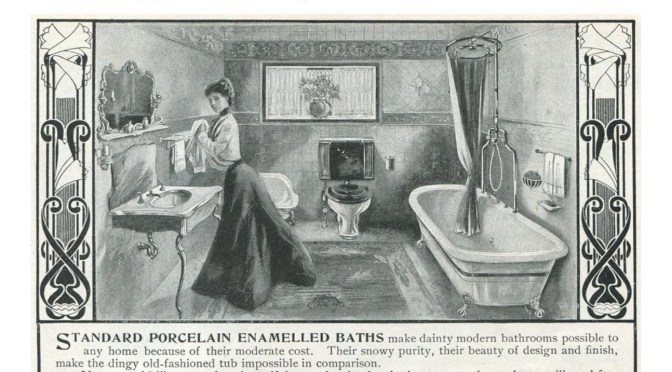
The modern bathroom developed alongside outbreaks of tuberculosis, cholera and influenza; its standard fixtures, wallcoverings, floorings, and finishes were implemented, in part, to promote health and hygiene in the home at a time of widespread public health concerns.
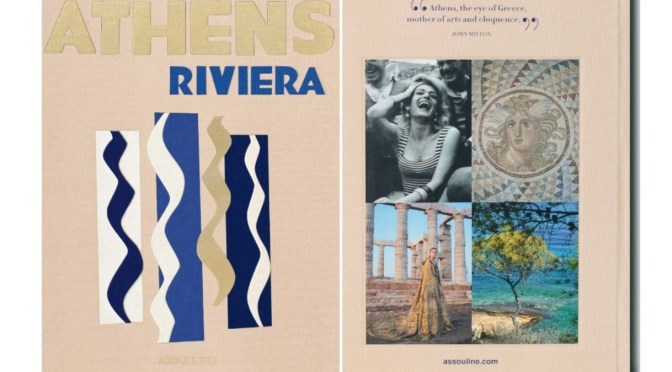
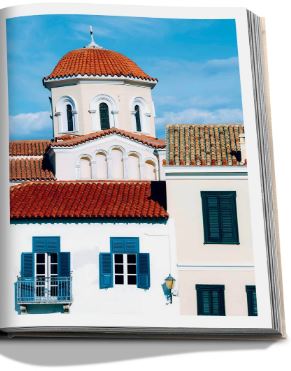 Overlooking the Aegean Sea, a charming string of coastal neighborhoods form the Athens Riviera, a serene escape from the constant activity in the city’s center. A selection of high-end hotels lines the pristine stretch of beaches down to the southernmost point of the Attica Peninsula.


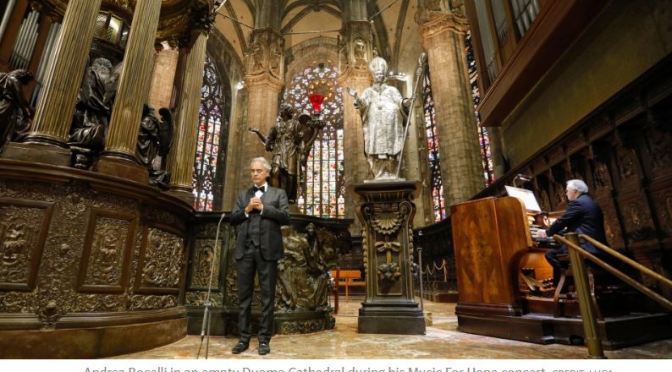

 A selection of three essential articles read aloud from the latest issue of The Economist. This week, the
 The sleep industry caters to a working consumer’s wish to sleep less, yet sleep more productively, and accommodates transnational industry which has joined the state as a custodian of biopolitics. Jonathan Crary’s 24/7 spells out in detail how the state and a capitalist economy are encroaching stupendously on the private sphere, in which sleep was one of the last vestiges of unfettered time.


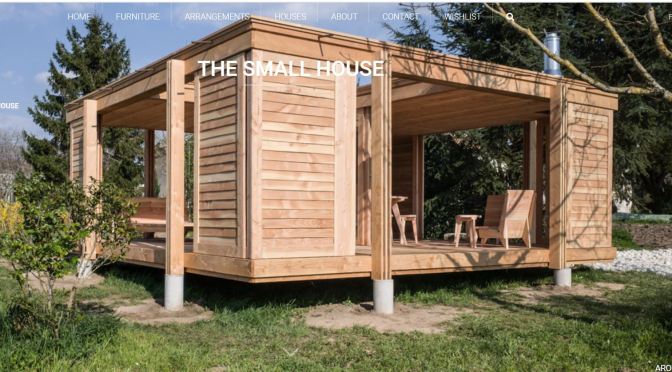
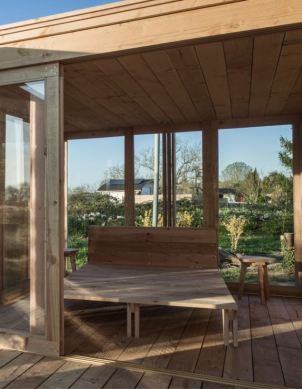 From reception pavilion to proper house, 2m26’s houses are unique pieces. They are produced made to measure, on demand. They absolutely fit to the landscape. The houses are made of pine planks, rough cuted. The structure is protected with linseed oil to resist to weather conditions and walnut stain can be added to obtain a dark color.
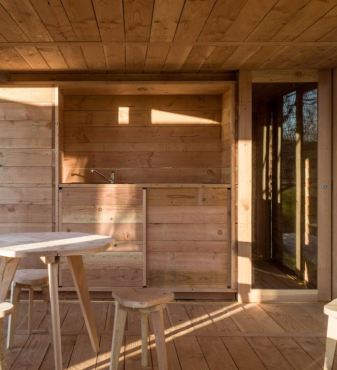 The building process / prefab gives the opportunity to prepare all the pieces at the Atelier. Moreover, it reduces on site time of construction, damages on plants and minimizes noise pollution. On site construction can be scheduled from a week to a month.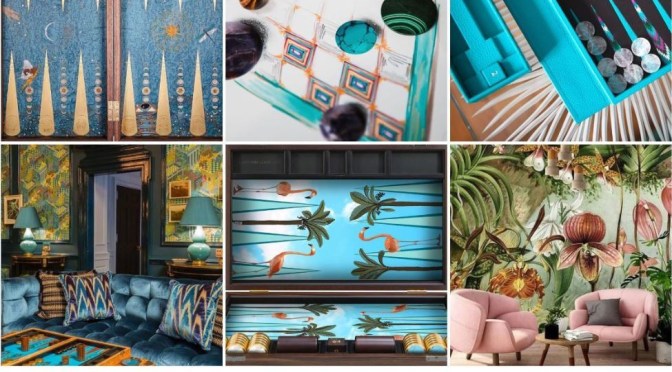
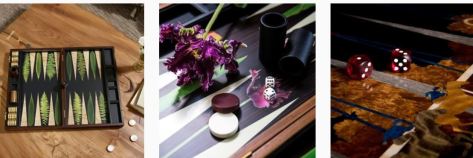
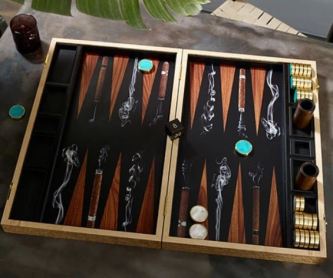 beautifully handcrafted backgammon sets, luxury games and bespoke furniture. Her designs are both games and objets d’art.