
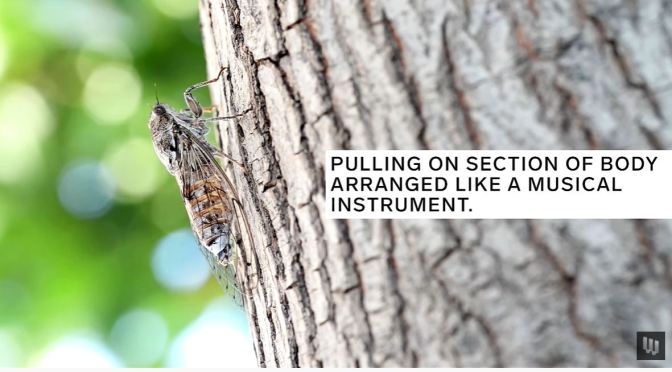
Why are cicadas so freakin’ loud? Entomologist Samuel Ramsey has the answers. Dr. Sammy explains why it’s so important for cicadas to gather in large groups and make lots of noise.
Tag Archives: Science

Climate Change: A Fleet Of Saildrones Patrol Oceans
A fleet of unmanned surface vehicles equipped with AI and a suite of scientific sensors are currently mapping the ocean floor, counting fish populations and monitoring ocean and weather conditions all over the planet in the fight against climate change. CNET’s Stephen Beacham spoke with Saildrone Inc. Vice President of Ocean Mapping Brian Connon to learn more about Saildrone’s mission. Read the CNET Article: Autonomous Saildrones are the newest weapon in fighting climate change https://cnet.co/2RwaJaq
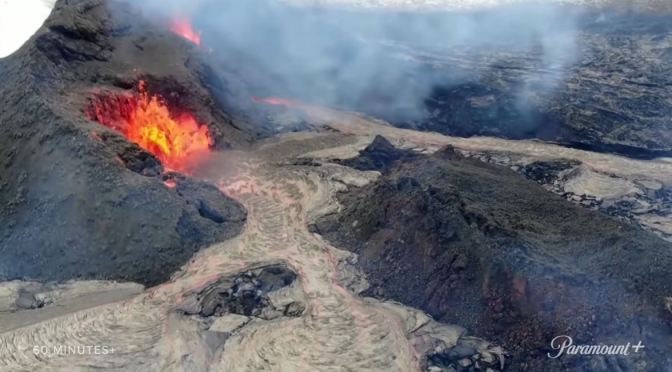
Earth Views: New Volcano Erupts In Iceland (Video)
Seth Doane travels to Iceland where a new volcano is spewing lava from an unusually deep place in the Earth. See the story on 60 Minutes Plus, streaming now on Paramount+.
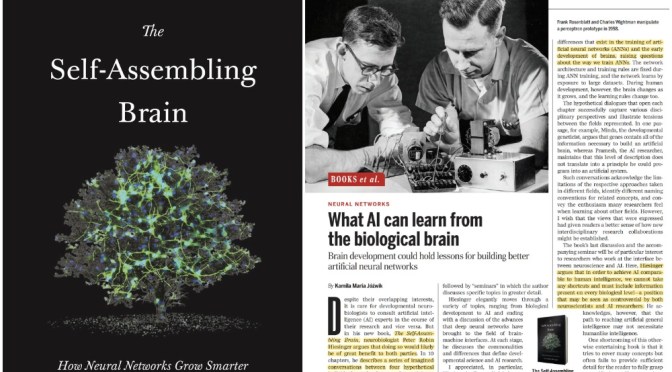
Book Reviews: ‘The Self-Assembling Brain’ – The Future Benefits For AI
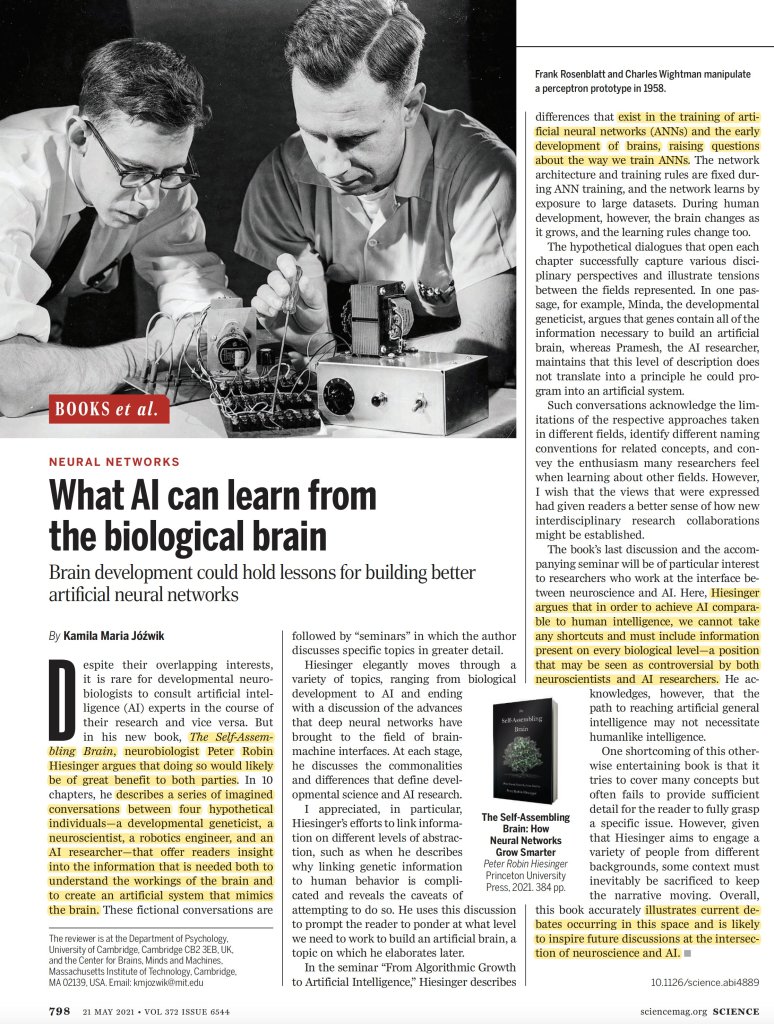
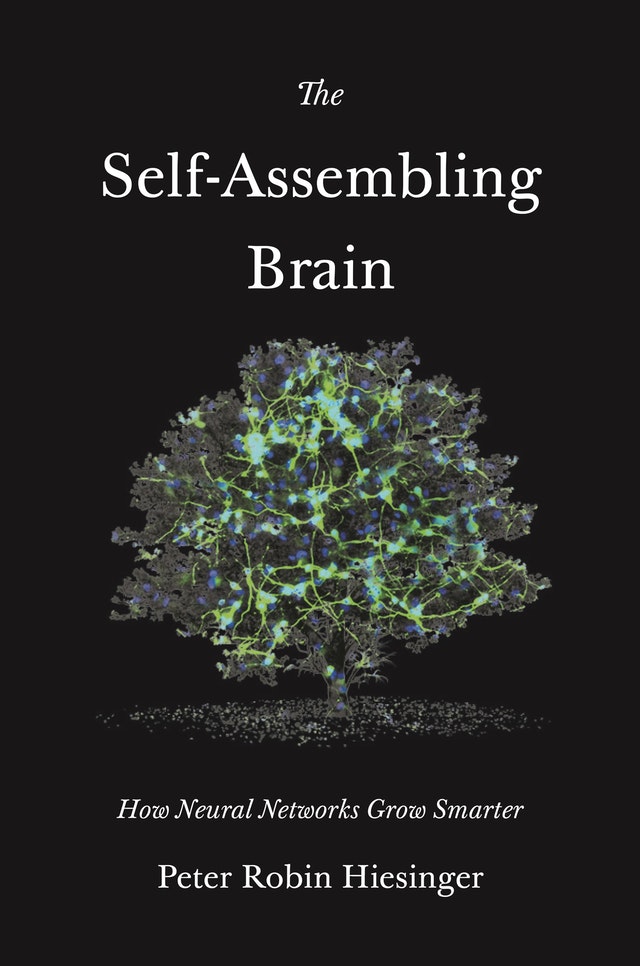
As Peter Robin Hiesinger argues, “the information problem” underlies both fields, motivating the questions driving forward the frontiers of research. How does genetic information unfold during the years-long process of human brain development―and is there a quicker path to creating human-level artificial intelligence? Is the biological brain just messy hardware, which scientists can improve upon by running learning algorithms on computers? Can AI bypass the evolutionary programming of “grown” networks? Through a series of fictional discussions between researchers across disciplines, complemented by in-depth seminars, Hiesinger explores these tightly linked questions, highlighting the challenges facing scientists, their different disciplinary perspectives and approaches, as well as the common ground shared by those interested in the development of biological brains and AI systems. In the end, Hiesinger contends that the information content of biological and artificial neural networks must unfold in an algorithmic process requiring time and energy. There is no genome and no blueprint that depicts the final product. The self-assembling brain knows no shortcuts.
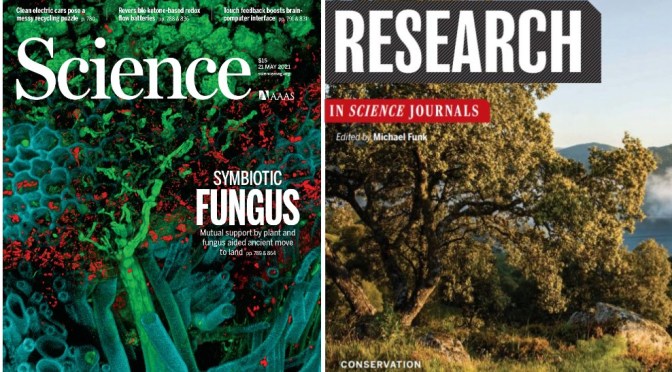
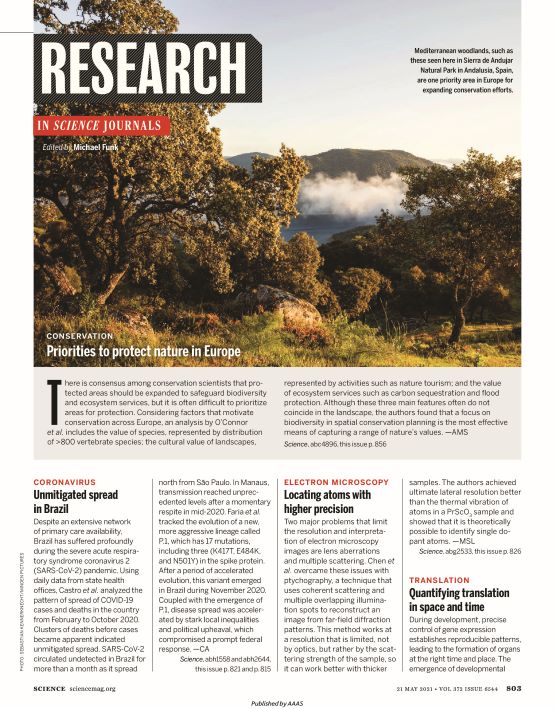
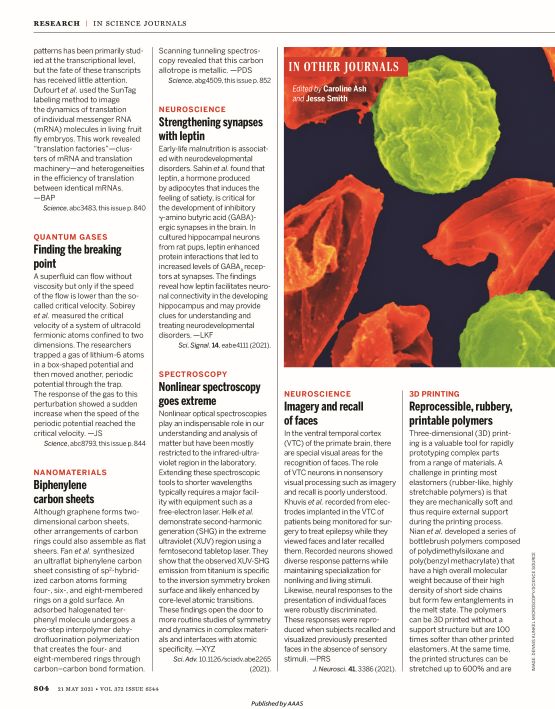
TOP JOURNALS: RESEARCH HIGHLIGHTS FROM SCIENCE MAGAZINE (MAY 21, 2021)

Science Podcast: Snow-Covered ‘Zombie Fires’, Flashy Plant Research
Smouldering fires lay dormant before bursting back into flame in spring.
In this episode:
00:56 The mysterious overwintering forest fires
Researchers have shown that fires can smoulder under snow in frozen northern forests before flaring up the following spring. Understanding how these so-called ‘zombie’ fires start and spread is vital in the fight against climate change.
Research Article: Scholten et al.
07:39 Research Highlights
Aesthetic bias means pretty plants receive the most research attention, and ancient tooth gunk reveals the evolution of the mouth microbiome.
Research Highlight: Flashy plants draw outsize share of scientists’ attention
Research Highlight: Microbes in Neanderthals’ mouths reveal their carb-laden diet
10:04 Briefing Chat
We discuss some highlights from the Nature Briefing. This time, Voyager 1 detects a faint interstellar ‘hum’, and a trove of Neanderthal bones found in an Italian cave.
Reuters: Faraway NASA probe detects the eerie hum of interstellar space
The Guardian: Remains of nine Neanderthals found in cave south of Rome
Video: Hawaii’s surprise volcanic eruption: Lessons from Kilauea 2018

Science: Miocene Apes And Human Evolution (Video)
More than ten million years ago, the world was brimming with a wide variety of apes. Scientists studying the ones that are still alive today can learn a lot about human evolution—but they miss out on many clues that can only be found from the apes that went extinct. Watch to learn how fossil apes have strengthened ideas about how humans evolved, and what steps we can take to learn even more about our ancient ancestors. Read the review: https://scim.ag/3hw5PVx
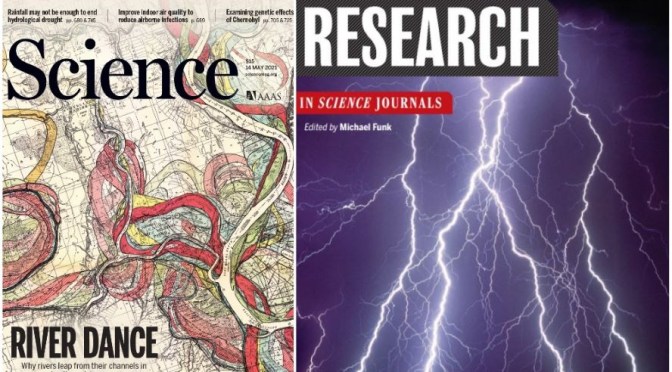
TOP JOURNALS: RESEARCH HIGHLIGHTS FROM SCIENCE MAGAZINE (MAY 14, 2021)
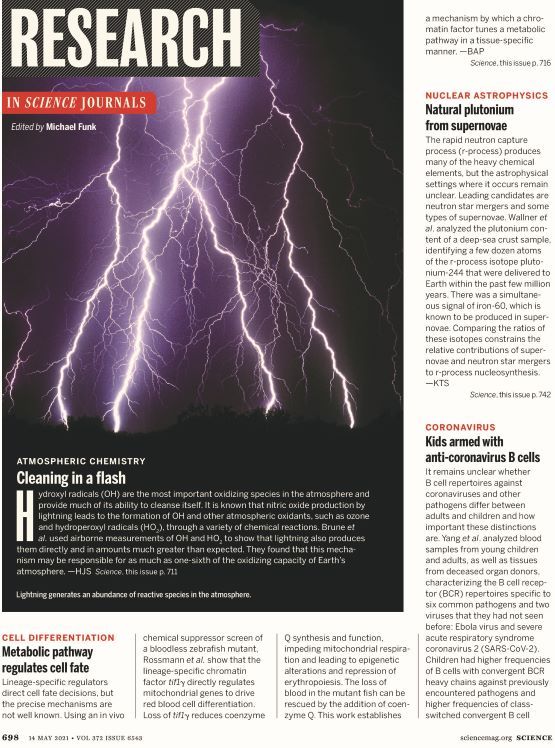
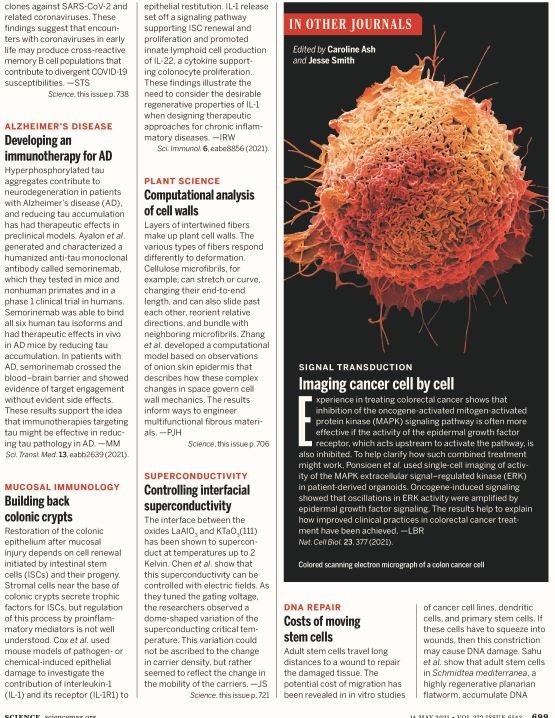
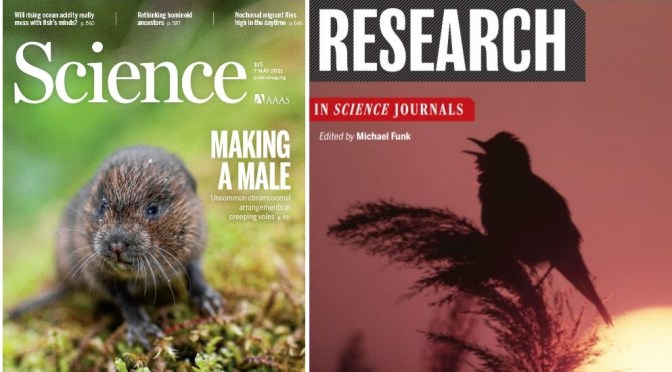
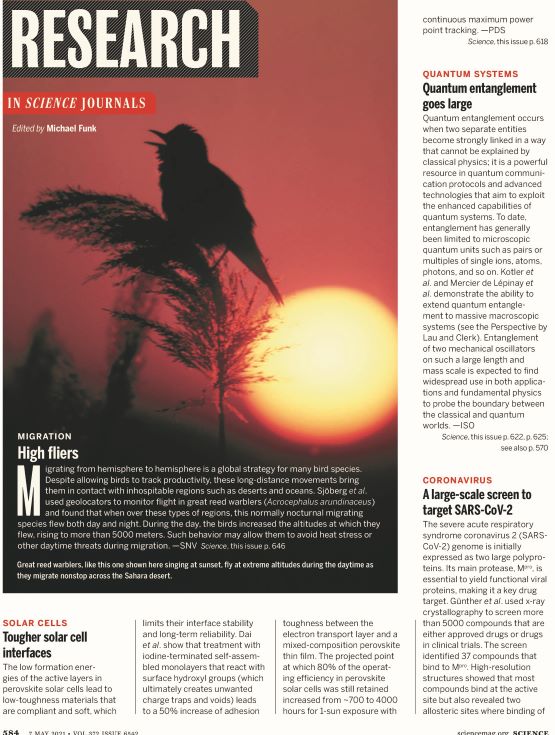
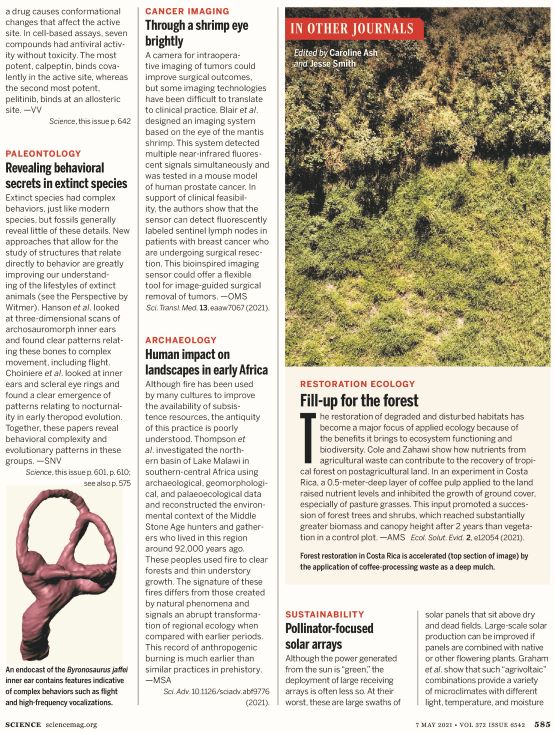
TOP JOURNALS: RESEARCH HIGHLIGHTS FROM SCIENCE MAGAZINE (May 7, 2021)
Science: Stone Age Burial Site In Kenya, Metal-Free Rechargeable Batteries
The earliest evidence of deliberate human burial in Africa, and a metal-free rechargeable battery.
In this episode:
00:44 Human burial practices in Stone Age Africa
The discovery of the burial site of a young child in a Kenyan cave dated to around 78 thousand years ago sheds new light on how Stone Age populations treated their dead.
Research Article: Martinón-Torres et al.
News and Views: A child’s grave is the earliest known burial site in Africa
09:15 Research Highlights
How warming seas led to a record low in Northwestern Pacific typhoons, and the Arctic bird that maintains a circadian rhythm despite 24 hour sunlight.
Research Highlight: Warming seas brought an eerie calm to a stormy region
Research Highlight: The world’s northernmost bird is a clock-watcher
11:35 A metal-free rechargeable battery
Lithium-ion batteries have revolutionised portable electronics, but there are significant issues surrounding their recyclability and the mining of the metals within them. To address these problems, a team of researchers have developed a metal-free rechargeable battery that breaks down to its component parts on demand.
Research Article: Nguyen et al.
 Intellicurious