

Out in the vast universe, unknown billions of strange worlds drift around other stars. Many of them are quite unlike anything in our solar system. While astronomers hope to use immense upcoming observatories to get a better look at their outsides, Federica Coppari has been using the world’s largest laser to investigate their insides. Coppari compresses familiar substances, including rocks and water, into new forms. Her work has yielded insights into the inner workings of frozen giants such as Uranus and Neptune, as well as the potential habitability of super-Earths — rocky planets that dwarf our own. Read more at Quanta Magazine: https://www.quantamagazine.org/federi…
Tag Archives: Science
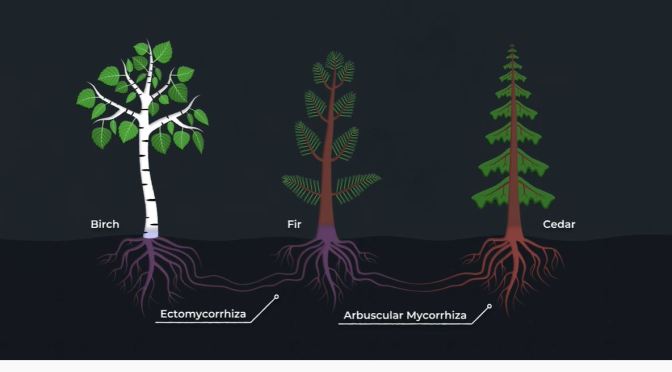
Science: The Secret Language Of Trees
Using a complex network of chemical signals, trees talk to each other and form alliances with fellow trees, even other species.
Credits: Narrator: Stephanie Sammann Writer: Lorraine Boissoneault Editor: Dylan Hennessy (https://www.behance.net/dylanhennessy1) Illustrator/Animator: Kirtan Patel (https://kpatart.com/illustrations) Animator: Mike Ridolfi (https://www.moboxgraphics.com/) Sound: Graham Haerther (https://haerther.net) Thumbnail: Simon Buckmaster (https://twitter.com/forgottentowel) Producer: Brian McManus (https://www.youtube.com/c/realenginee…)
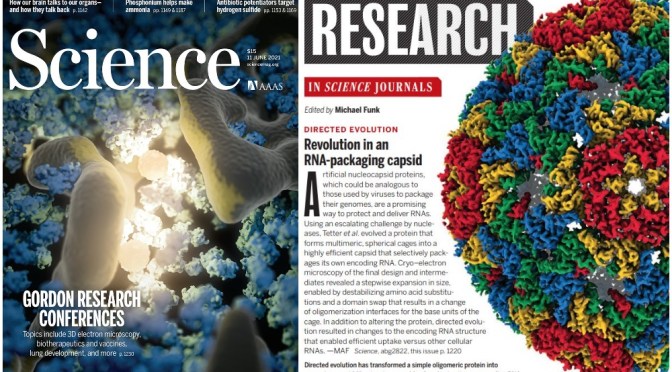
TOP JOURNALS: RESEARCH HIGHLIGHTS FROM SCIENCE MAGAZINE (JUNE 11, 2021)
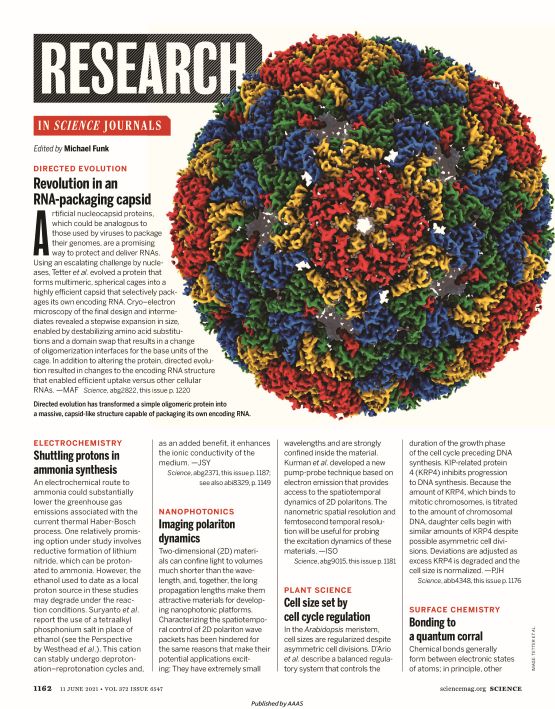
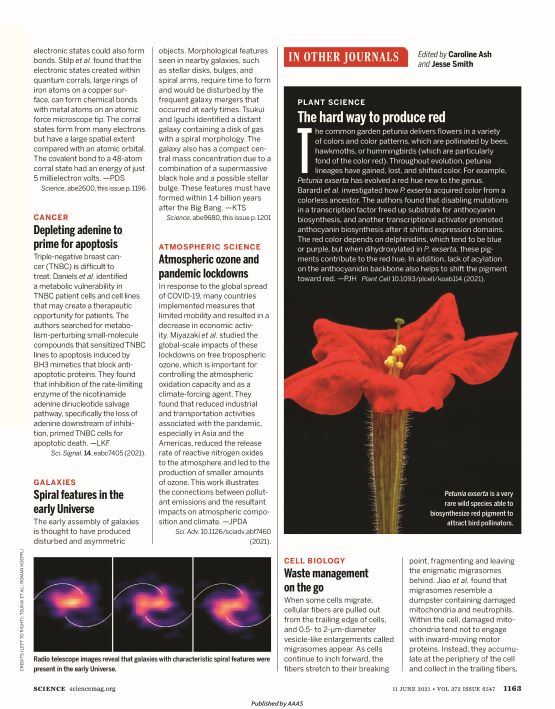
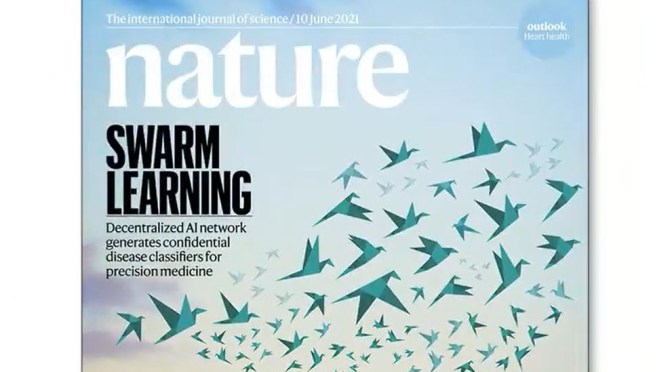
Science Reviews: Nature Magazine – June 10, 2021

Technology: Quantum Computers, Explained
Quantum computers aren’t the next generation of supercomputers—they’re something else entirely. Before we can even begin to talk about their potential applications, we need to understand the fundamental physics that drives the theory of quantum computing. (Featuring Scott Aaronson, John Preskill, and Dorit Aharonov.) For more, read “Why Quantum Computers Are So Hard to Explain”: https://www.quantamagazine.org/why-is…
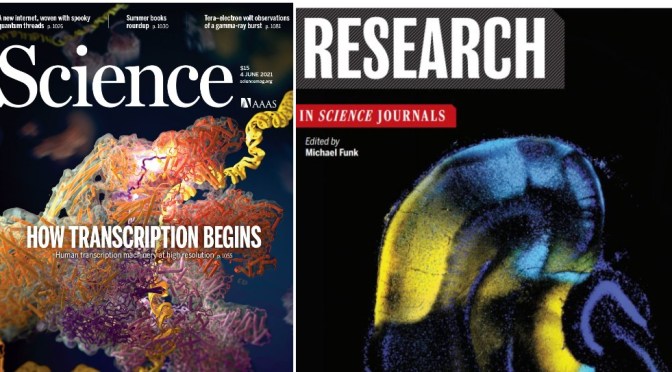
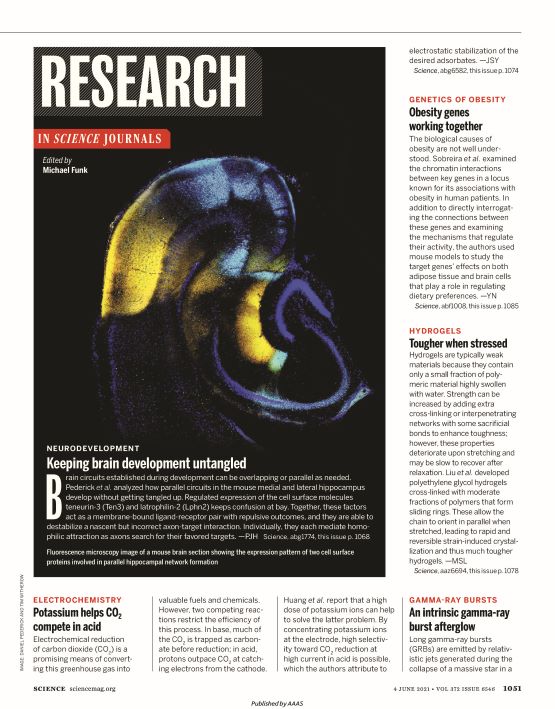
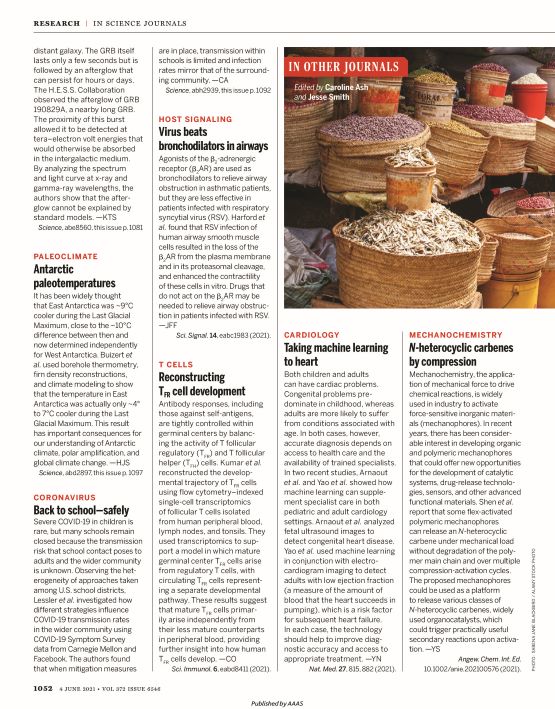
TOP JOURNALS: RESEARCH HIGHLIGHTS FROM SCIENCE MAGAZINE (June 4, 2021)
Science: How Humans Started Counting, Sea Anemones & ClownFish
The cross-discipline effort to work our how ancient humans learned to count.
In this episode:
00:45 Number origins
Around the world, archaeologists, linguists and a host of other researchers are trying to answer some big questions – when, and how, did humans learn to count? We speak to some of the scientists at the forefront of this effort.
News Feature: How did Neanderthals and other ancient humans learn to count?
07:47 Research Highlights
How sea anemones influence clownfish stripes, and how skin-to-skin contact can improve survival rates for high-risk newborns.
Research Highlight: How the clownfish gets its stripes
Research Highlight: Nestling skin-to-skin right after birth saves fragile babies’ lives
09:48 Briefing Chat
We discuss some highlights from the Nature Briefing. This time, an upper limit for human ageing, and could tardigrades survive a collision with the moon?
Scientific American: Humans Could Live up to 150 Years, New Research Suggests
Science: Hardy water bears survive bullet impacts—up to a point
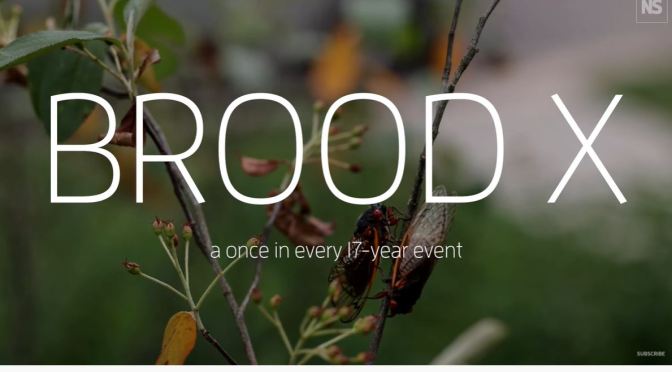
Science: ‘Brood X’ Cicadas Emerge After 17 Years
Trillions of cicadas are starting to emerge in 15 US states after 17 years underground. Gene Kritsky has been studying them for decades and has created a citizen science app, Cicada Safari, to help track the brood.
More than 3000 cicada species have been described worldwide. Most have a yearly life cycle, but seven species in the US belonging to the Magicicada genus remain underground as nymphs for 13 or 17 years before emerging, a process called periodical brooding. The only other two species of cicada to do this are found in Fiji and India. Read more at https://www.newscientist.com/article/…
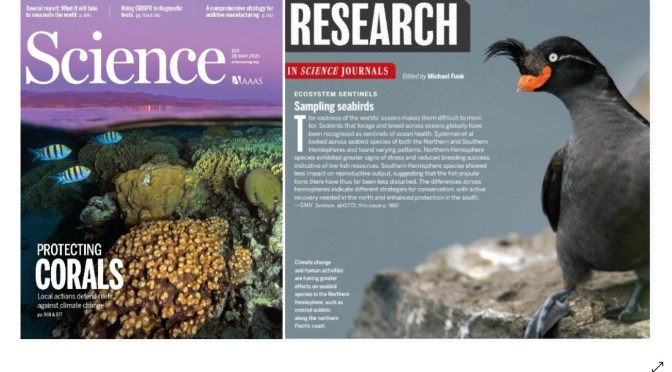
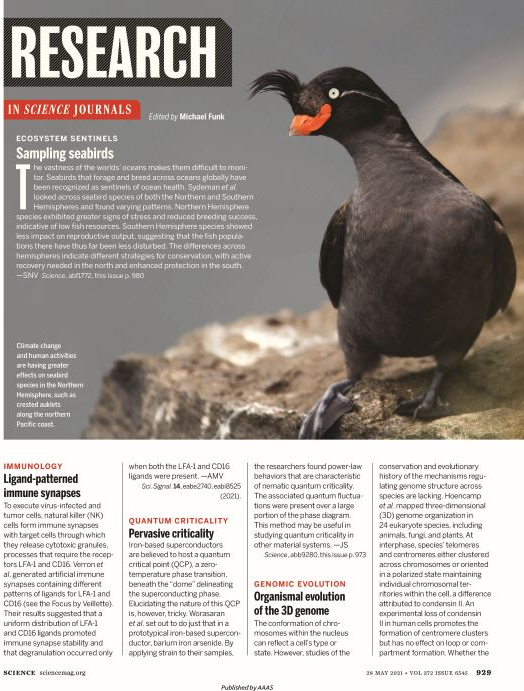
TOP JOURNALS: RESEARCH HIGHLIGHTS FROM SCIENCE MAGAZINE (MAY 28, 2021)
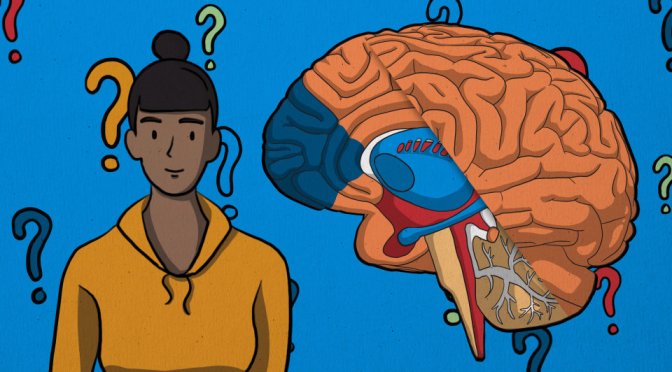
Post Covid-19: How Our Brains Will Weigh Risks
Indoor dining, workout classes, concerts. These once commonplace events are coming back into daily life. But because of Covid-19, everyone now has a different level of comfort. What happens in the brain as we decide what’s risky or not? Photo illustration: Laura Kammermann
 Intellicurious