Tag Archives: Nature

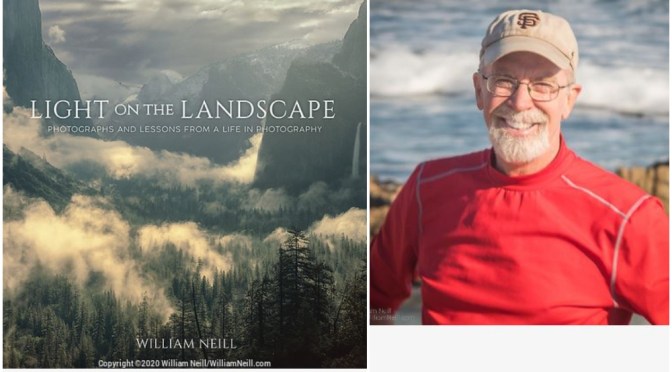
Top Photographers: 65-Year Old William Neill “Light On The Landscape”

Drawing from the tradition of behind-the-scenes books like Ansel Adams’ Examples: The Making of 40 Photographs and Galen Rowell’s Mountain Light: In Search of the Dynamic Landscape, Light on the Landscape covers in detail the core photographic fundamentals such as light, composition, camera angle, and exposure choices, but it also deftly considers those subjects that are less frequently examined: portfolio development, marketing, printmaking, nature stewardship, inspiration, preparation, self-improvement, and more. The result is a profound and wide-ranging exploration of that magical convergence of light, land, and camera.
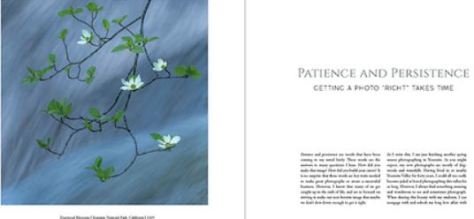
Light On The Landscape - William Neill 2020

For more than two decades, William Neill has been offering his thoughts and insights about photography and the beauty of nature in essays that cover the techniques, business, and spirit of his photographic life. Curated and collected here for the first time, and accompanying 128 beautiful reproductions of Neill’s photographs, these essays are both pragmatic and profound, offering readers an intimate look behind the scenes at Neill’s creative process behind individual photographs as well as a discussion of the larger and more foundational topics that are key to his philosophy and approach to work.
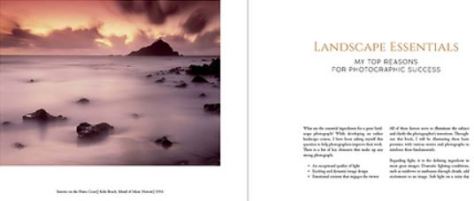
Light On The Landscape - William Neill 2020

Website

Filled with beautiful and inspiring photographs, Light on the Landscape is also full of the kind of wisdom that only comes from a deeply thoughtful photographer who has spent a lifetime communicating with a camera. Incorporating the lessons within the book, you too can learn to achieve not only technically excellent and beautiful images, but photographs that truly rise above your best and reveal your deeply personal and creative perspective―your vision, your voice.
Read more or purchase

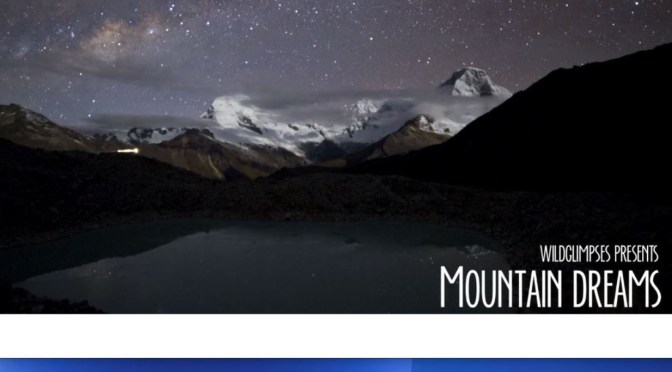
Travel & Nature Videos: “Mountain Dreams” By Wildglimpses (2020)


https://vimeo.com/412246503

Filmed and Edited by: Raul Tomas Granizo (Wildglimpses)

In these uncertain days, locked up in our houses watching the world from the window, we can only dream. Dream about the wild places we once visited, its pristine mountains, deep valleys and forests full of wildlife.

But now (more than ever), we should keep dreaming with our eyes wide open with all those corners that we have left to visit and that will remain there when all this finally ends…

Dedicated to all the victims of Covid-19 and their families/friends

Locations:
-Patagonia, Central Andes, Rocky Mountains, Alaska Range, Pyrenees, Lyngen Alps, Tien Shan, Caucasus, Himalaya

Website

Natural World Art: “Ten Artists Who Celebrated Nature” (Christie’s)

From Christie’s article (April 22, 2020):

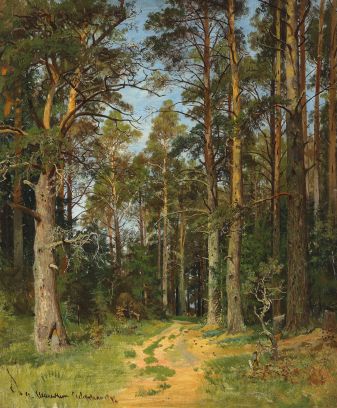
Ivan Shishkin Siverskaya 1896 Christie's
Ivan Shishkin “Siverskaya” (1896)

From Switzerland to South America, from the South of England to the coast of Maine, they have been moved by mountains, oceans, deserts, plains, lakes and forests — we hope you will find their art every bit as stirring as we do

Russia’s pine forests

Siverskaya, located 70km south of St Petersburg, was a popular summer retreat for Russian city-dwellers in the 19th century. It was in Siverskaya and its neighbouring woods that Ivan Shishkin — one of Russia’s most famous landscape painters, dubbed ‘the patriarch of forests’ — created some of his best-known works.

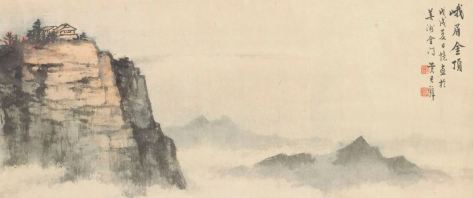
Peak of Mount Emei (1958) - Huang Junbi - Christie's
Peak of Mount Emei (1958) – Huang Junbi

Mount Emei, China

Mount Emei in Sichuan, southwest China, is the highest of China’s four sacred Buddhist mountains, reaching to 3,099 metres. The mountain is a place of pilgrimage, where dozens of temples and monasteries have been erected, and has been an inspiration for artists for centuries.

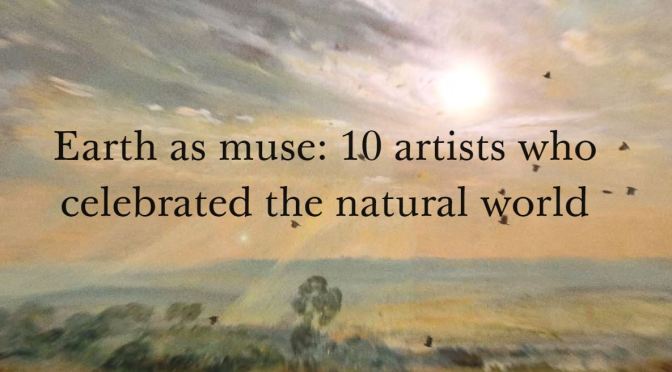
Wednesday 22 April, 2020 marks 50 years since the declaration of the first Earth Day in 1970 — an occasion on which to reflect on our natural world, and perhaps take action to help sustain it. In celebration of this anniversary, we look back on a selection of artists for whom nature — and our planet — has been an inspiration and guide. 

Christie's

Read and view more

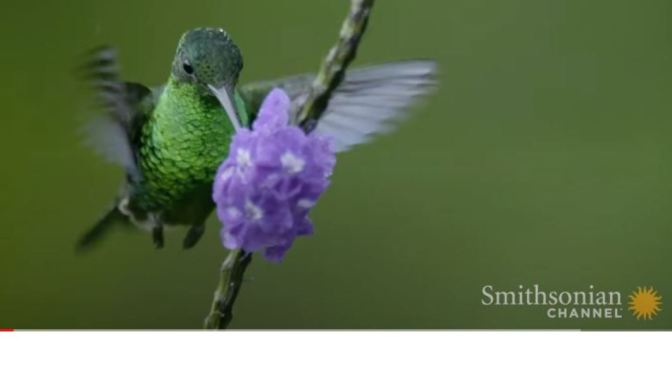
Wildlife: “Hummingbirds Don’t Like Flying In Rainy Conditions” (Smithsonian)

No bird is more skilled at in-flight feeding than a hummingbird, thanks to their ability to hover in the air. But if it’s rainy, these fantastic flyers have to be extremely careful not to get hurt.

From the Series: Into the Wild Colombia: A Hummingbird’s Quest http://bit.ly/2Pvi9Fh

Covid-19 Podcast: Testing Lab Challenges, WHO Funding & Immune System Issues (Nature.com)

nature-podcastsBenjamin Thompson, Noah Baker, and Amy Maxmen discuss Trump withholding funds from the WHO, and how COVID-19 kills. We also hear about controlling misinformation while communicating risk.
In this episode:

01:15 Understanding bottlenecks

After listening to last week’s episode of Coronapod, researchers in the USA were inspired to start collecting data about the challenges facing labs carrying out testing. After more than 4,000 responses to their online survey, we discuss their goals.

03:08 A hole in the WHO’s funding

US President Donald Trump has announced plans to withhold funding for the WHO, pending a review of the organization’s handling of the pandemic. We discuss the decision and ask what it means for the global response to COVID-19.

News: Nature‘s rolling coronavirus news blog

05:55 Responding to the immune system

We investigate the role of the immune system in the death of COVID-19 patients and what this could mean for treatments. Could some therapeutics actually be undermining the body’s ability to fight the virus?

News: How does COVID-19 kill? Uncertainty is hampering doctors’ ability to choose treatments

13:54 One good thing this week

Our hosts pick out things that have made them smile in the last 7 days, including seasonal memories from Sierra Leone, a trip to the supermarket, and the 99-year old war veteran who has raised millions for charity.

BBC News: Coronavirus: Capt Tom Moore’s NHS fundraiser hits £17m

18:33 Communicating complex data

Clearly communicating risks and evidence is key for governments and other organisations if they are to best inform the public during the pandemic. But what is the best way to do it? We hear the methods that communications experts and behavioural scientists recommend to keep the public informed, and keep misinformation at bay.

Wildlife Entertainment: “Spy In The Wild 2” Series – “Hilarious” (PBS Nature)

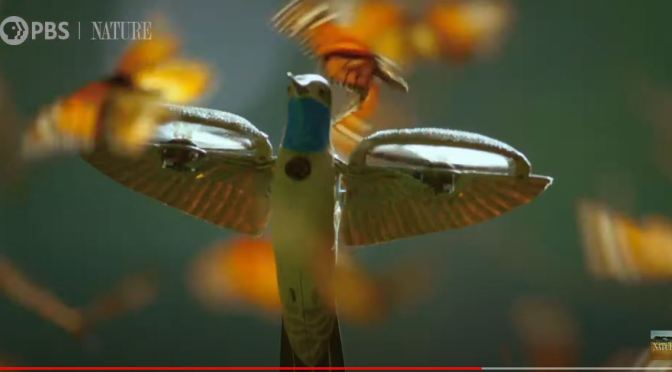
Travel to the Northern Hemisphere, where the spy creatures learn how animals move, feed and fight. “Spy in the Wild 2 – Episode 2: The North“ premieres Wednesday, May 6, at 8/7c.

The spy creatures infiltrate a hippo pod, a gorilla sanctuary and the world of pygmy elephants. “Spy in the Wild 2 – Episode 1: The Tropics“ premieres Wednesday, April 29, at 8/7c.

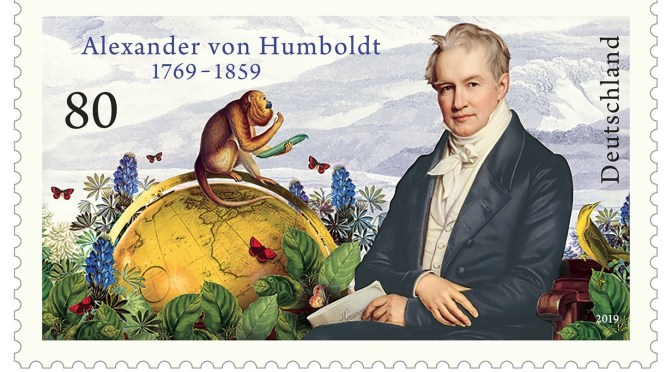
Top Podcasts: Alexander Von Humboldt – “The Last Man Who Knew It All”

Smithsonian Sidedoor PodcastAlexander von Humboldt might not be a name you know, but you can bet you know his ideas. Back when the United States were a wee collection of colonies huddled on the eastern seaboard, colonists found the wilderness surrounding them scary. 
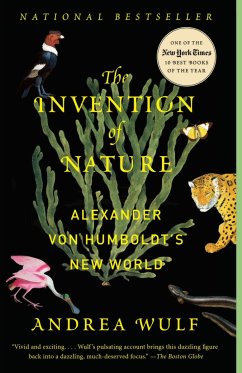
It took a zealous Prussian explorer with a thing for barometers to show the colonists what they couldn’t see: a global ecosystem, and their own place in nature. In this The Invention of Nature Alexander von Humborldt's New World Andrea Wulfepisode, we learn how Humboldt—through science and art—inspired a key part of America’s national identity.
More fascinating Humboldt facts:

  • He strongly opposed slavery in the early 19th century, calling it the “greatest of all the evils which have afflicted mankind.”
  • He was the first to theorize human caused climate change by changing how water flows through a landscape, on a local level, and warned about deforestation.
  • He invented isotherms, the lines on a weather map that we still use today. He used them to show which parts of the world were experiencing similar temperatures.
  • He made the world’s most detailed map of Mexico and the American west.
  • He nearly summited what was then thought to be the world’s tallest mountain (while wearing 18th century wools, no less.).
  • Another thing Humboldt and Jefferson bonded over? Mastodons. Humboldt was the first to discover remains of a species now known as Cuvieronius hyodon in Ecuador, which were similar to the “giant elephants” being found in Ohio. The teeth Humboldt found were the clue that these weren’t modern elephants; they looked pretty different. And because these teeth looked sharp, Jefferson and some American scientists thought they were for meat eating! Eventually Georges Cuvier, a French scientist who was friends with Humboldt, proved that these were different from Indian and African elephants, and even woolly mammoths—and the species eventually ended up renamed after him. One of the few eponymous misses for our friend Humboldt!

If you’re interested in learning more about the life and times of Alexander von Humboldt, I’d recommend reading Andrea Wulf’s book The Invention of Nature: Alexander von Humboldt’s New World.