
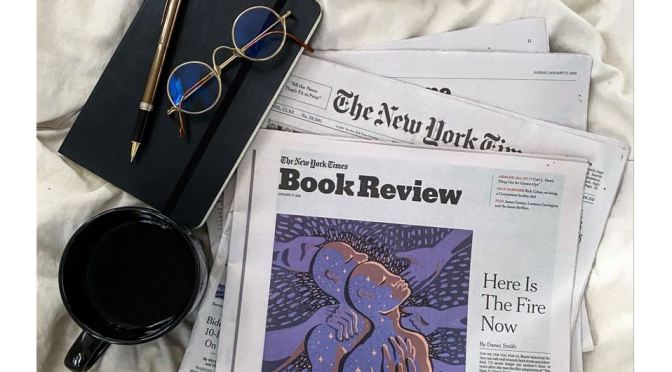

The New York Times Book Review · November 29, 2026
Bosses, Barons & the Mouse
Lincoln the party boss, America’s aristocracy, Bob Iger’s unwelcome biography and three chilling thrillers
This week’s New York Times Book Review is about power and the stories told about it. Jennifer Szalai finds a new Abraham Lincoln, the shrewd party boss behind the Great Emancipator; Alexandra Jacobs reads Nancy Isenberg’s furious history of America’s ruling class; and an unauthorised biography lands just as Bob Iger leaves Disney for good. Sarah Lyall picks three chilling thrillers, the editors recommend new books from a honey-farm mystery to a memoir of electroconvulsive therapy, and the year-end lists arrive, along with a warning that the book you want to give may be out of stock.
Here is the week in books, with our notes on the threads that run through it.
Featured Reviews
1. The Abraham Lincoln You Don’t Know: Shrewd Party Boss
Review by Jennifer Szalai · Boss Lincoln, by Matthew Pinsker
Lincoln’s “house divided” line, famous from his 1858 Senate campaign against slavery, first appeared fifteen years earlier in a far humbler cause: urging fellow Whigs to adopt party conventions. That discovery sets the tone for Pinsker’s book (Norton, 564 pp., $39.99), which follows Lincoln through the three parties he helped build, Whig, Republican and Unionist, and argues that he became the Great Emancipator precisely because he first learned the trade of a pragmatic party boss.
Szalai calls the book revelatory and Pinsker an absorbing storyteller. She traces Lincoln’s long devotion to river and harbour improvements, his tactical shifts between coalition-building “fusion” and hard-line party discipline, and the cynical moments, including an early race-baiting attack on Martin Van Buren. The lesson she draws is timely: partisanship need not be petty, and when disputes turn on core moral principles, watered-down bipartisanship cannot paper over them for long.
2. The Rich Get Richer, and the Rest of Us Applaud
Review by Alexandra Jacobs · Aristocracy, American Style, by Nancy Isenberg
Isenberg, author of the best seller White Trash, turns to the top of the ladder (Viking, 528 pp., $38) in what Jacobs calls an excoriating and often exhilarating account of how America’s elite have preserved their advantages in a supposedly egalitarian country. Her targets range from the Oxbridge rituals borrowed by American colleges and the “golden boys” of corporate life to the horse as a symbol of breeding, Gilded Age dynasties, Hearst’s San Simeon and the courtiers of old Hollywood.
Jacobs places the book alongside classics of the genre, from Fussell’s Class to Wilkerson’s Caste, and finds it a worthy, extensively researched addition. She has quibbles: the pace can gallop, Isenberg is hard on gossip columnists, and her swipe at The Times’s Style section draws a gentle rebuke.
3. As Bob Iger Exits Disney for Good, an Unwelcome Biography Arrives
By Brooks Barnes · The House of Mouse, by Robbie Whelan
On the day Iger attends his final Disney board meeting, the Wall Street Journal reporter Robbie Whelan publishes an unauthorised, 528-page biography and corporate history (William Morrow). It credits Iger with shrewd acquisitions, Pixar, Marvel and Lucasfilm, and a rare mix of business pragmatism and creative feel, but also portrays him as insecure, vindictive and preoccupied with pay, and discloses family history and private conduct he had long kept out of view.
Whelan says Iger declined to be interviewed and that lawyers wrote to his publisher warning of a potentially defamatory account; Disney’s statement calls Iger one of the most respected chief executives of his generation. The book largely backs Disney’s explanation of his 2020 departure, and treats his successor, Bob Chapek, far more harshly. Iger’s own account of his return, One Last Time, is due in March.
4. Moody, Chilling New Thrillers
By Sarah Lyall · Thrillers column
Lyall’s three picks: Joanne Harris’s Sleepers in the Snow (Pegasus Crime), a genuinely terrifying tale of a divorced man alone in a house on the northern moors, where a tennis ball keeps reappearing and the broken television whispers accusations; William Boyd’s Cold Sunset (Atlantic Crime), the third Gabriel Dax novel, sending the travel writer turned spy into the Soviet Union to spirit a triple agent into Finland; and Peter Swanson’s Do You See What I See? (Morrow), a deeply pleasing Christmas novella in which a famous novelist is found dead at his Cape Cod house party, surrounded by guests he has wronged.
New Books We Love This Week
5. Baby Queen
By Ty Landers · Mystery
A corpse in a barrel upends life on an Alabama honey farm run by Natalie Link. The Book Review’s columnist hails a marvel of controlled chaos and the arrival of a major talent.
6. Jolt
By Ted Scheinman · Memoir
After medication and psychoanalysis failed to lift his depression, Scheinman turned to electroconvulsive therapy. It cost him some memory but restored his joy, and his memoir argues that depression is far more dangerous than the treatment.
By Regina McBride · Historical Fiction
A lush novel imagining how a young Anton Chekhov’s stay in Ukraine might have shaped his writing, and above all The Cherry Orchard.
By Daniel Duane · Natural History
Mixing memoir and journalism, Duane, raised in a family that revered Yosemite and John Muir, writes a new history of the California wilderness that does not shy away from its uglier episodes.
By Lynn Garafola · Biography
A sensitive life of the first Black dancer in a major American ballet company, who founded the Dance Theater of Harlem in 1968 and reshaped who ballet was for.
Lists, Gifts & a Quiz
The New York Times Book Review
The year’s standout fiction and nonfiction, chosen by the Book Review’s staff.
11. Which Notable Book of 2026 Should I Read First?
The New York Times Books Staff
The annual list, broken down by theme.
12. Our Favorite Books to Give Every Type of Reader
The New York Times Books Staff
A holiday gift guide drawn from 2026’s releases.
13. Good Luck Finding That Book You Want. It May Be Out of Stock.
By Ronda Kaysen and Ash Wu
Printing delays have squeezed booksellers and frustrated customers all autumn, and the holiday season could be worse.
14. Do You Remember These Literary Lines?
By J. D. Biersdorfer · Book Review Quiz Bowl
A five-question Thanksgiving quiz on lines about family, home and the holiday, from a newspaper humorist and a 1921 children’s poem to an Oscar Wilde comedy.
The Threads
Power, public and private. A president who learned politics as a party boss, an aristocracy that America claims not to have, and a media mogul whose private life is laid bare. (1, 2, 3)
Who tells the story. Iger, Whelan says, wants no one else to tell his; Pinsker retells Lincoln’s; and Swanson’s narrator turns out to be a gifted spinner of tales. (3, 1, 4)
The mind under strain. A man unravelling in a haunted house, and a memoirist who found joy again through a feared treatment. (4, 6)
American landscapes. Yosemite’s wilderness, Harlem’s ballet stage and Lincoln’s Illinois rivers. (8, 9, 1)
The season of lists. Notable books, gift guides, a Thanksgiving quiz, and a supply crunch that may leave shelves bare. (10, 11, 12, 13, 14)
Before You Close the Book
Lincoln built parties, Isenberg’s elites built castles, and Iger built an empire and its legend. Who should get to write the story of the powerful?
Drawn from The New York Times Book Review and Times books coverage, November 2026. The views summarised are those of its critics. Visit the homepage at nytimes.com.
— The Editors, Intellicurious —

