Tag Archives: Great Britain

Blenheim Palace: Britain’s Answer To Versailles

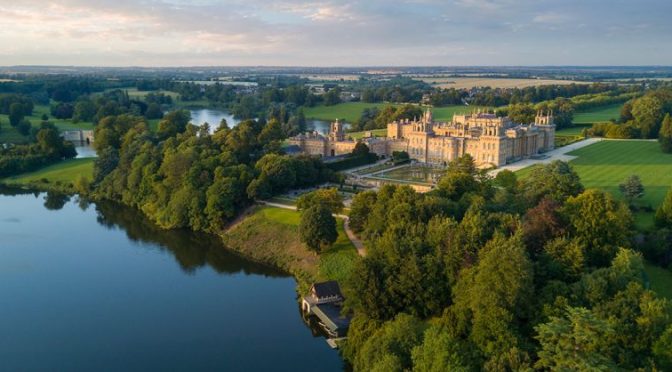
Blenheim Palace, Oxfordshire — the seat of the Duke of Marlborough — is one of the outstanding palaces of Baroque Europe, and was planned as both a residence and national monument.

Towards the end of the day on August 13, 1704, John Churchill, Duke of Marlborough, exhausted by an intense day of fighting near Blindheim, a village on the Danube, famously scrawled a note to his wife on the back of a tavern bill: ‘I have not time to say more but to beg you will give my duty to the Queen and let her know her army has had a glorious victory.’ The battle of Blenheim — as the name has been anglicised — was, in fact, a confrontation between a Franco-Bavarian army and the forces of a grand alliance of European powers, including the Dutch republic, Austria and Britain, over control of Spain and its empire. It was the first major defeat inflicted on a French army in the field for 50 years and was crowned by the capture of Louis XIV’s commander-in-chief, Marshal Talleyrand, who waited in the Duke’s coach as he scribbled his hasty message.

Although the plans of the building changed considerably over time, something close to the final design was published in the first part of Colen Campbell’s Vitruvius Britannicus (1715). As described by Campbell, ‘the manner is grand, the parts noble, and the air majestick of this palace, adapted to the martial genius of the patron…’ This latter quality was celebrated both in the ornament of the building with military trophies and its original title, ‘Blenheim Castle’.

Fig 5: The Saloon is overlooked by figures representing the four Continents and the marble doorcase is ornamented with an imperial eagle. Blenheim Palace, Woodstock, Oxfordshire, photographed for Country Life Magazine by Will Pryce. ©Country Life

Both Vanbrugh and Hawksmoor were well versed in medieval castle architecture and their knowledge of it shines through the spectacular outline of this building, its great angle towers and the rugged articulation of the masonry. Yet this is really a Classical castle suitable for a general of Britain in its newly assumed character as an Imperial power and second Rome. Borrowing Hawksmoor’s description of Castle Howard, as ‘the seat of one of the chief nobles of Britain, it is both a castle and palace conjoined’.
Photo Reviews: The Sunday Times Magazine At 60 Years

Morning News: UK Energy Transition, Interest Rates & Inflation, Lego’s Rise

A.M. Edition for Oct. 6. WSJ’s Rochelle Toplensky explains what went wrong in Britain’s energy transition and what other countries can learn from this. The Senate prepares another vote on raising the U.S. debt limit. 

New Zealand raises interest rates as more central banks worry about rising inflation. Hundreds more join the oil spill cleanup in California. Plus, how the world’s biggest toy maker, Lego, stayed popular during the pandemic. Peter Granitz hosts.

Morning News: Supreme Court Docket, Britain’s Dying Trees, Hotels & Film

The court will be tackling just about every judicial and social flashpoint in the country during the term that starts today; our correspondent lays out the considerable stakes.

A vast and costly die-off of Britain’s trees could have been averted simply and cheaply: just let them stay put. And why hotels are such ideal backdrops for filmmakers and scriptwriters.

Reviews: Global Jihad, Fundamental Physics, Britain’s Pheasant Revolt

A selection of three essential articles read aloud from the latest issue of The Economist. This week, after Afghanistan, where next for global jihad?, Why Fundamental physics is humanity’s most extraordinary achievement (9:33) And pheasants revolt in Britain (14:51)

Views: The Wild Coastlines Of Britain And Ireland

The spectacular coastlines of Britain and Ireland get battered by weather in autumn and winter, but on a fine day in spring or summer they’re the equal of anything in the world.

Rosie Paterson, August 20, 2021

The west coast of Ireland bears the brunt of some of the Atlantic Ocean’s most terrific swells. As a result, its beaches are a Mecca for surfers. Lahinch — a mile-long, sandy crescent — is regarded as one of the best. And remember your golf clubs: the links course at Lahinch is a joy, one of the finest in the country.

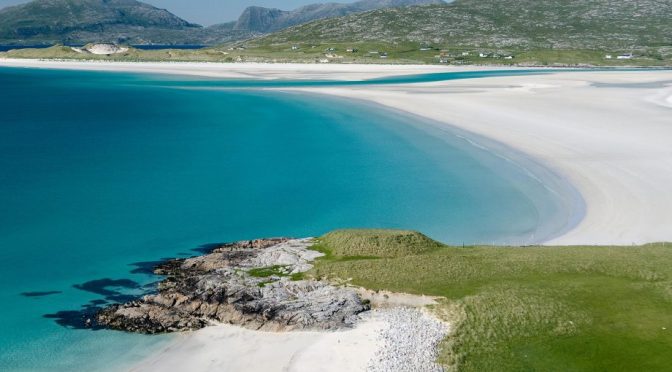
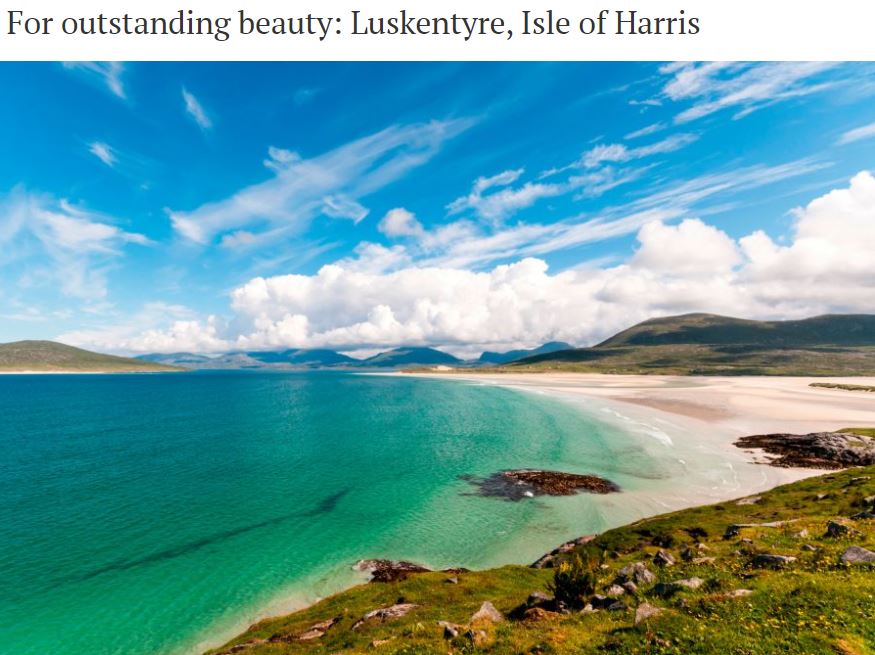
On a sunny day, Luskentyre beach could easily be mistaken for somewhere in the Caribbean — something that could be said of all the best beaches in Scotland. The sand is a brilliant sugar-white sweep and the sea a vivid shade of blue. Sand dunes to the north provide protection on windier days and there are excellent walking trails for those who don’t fancy a dip. If bad weather sweeps in, you’ll certainly feel ready for a dram afterwards.

Read more

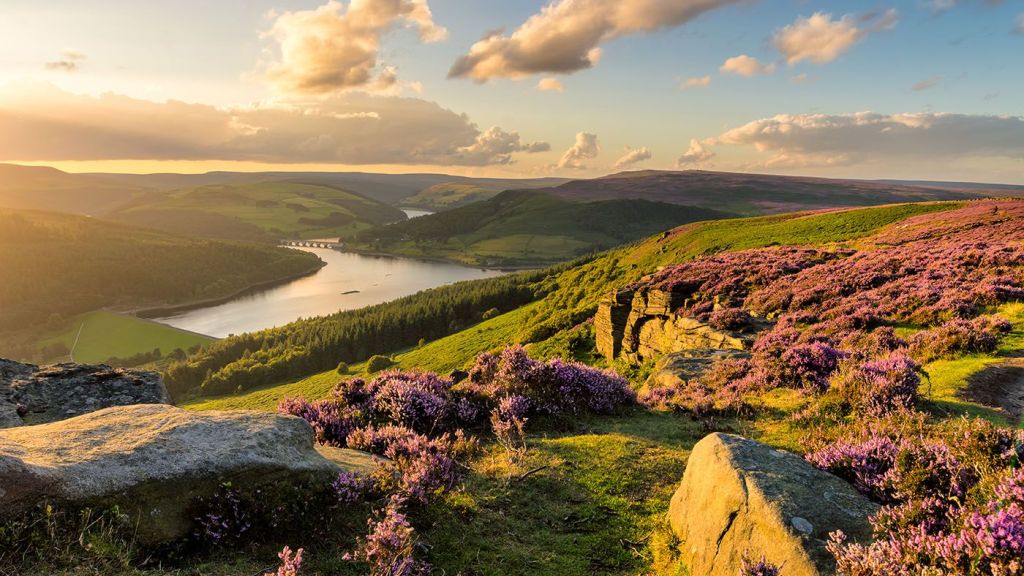
English Countryside: Peak District National Park

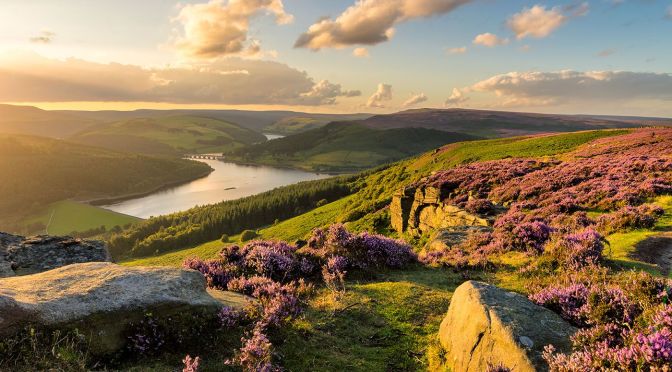
The air in the Peak District feels different. It’s softer; thicker even — one friend compared it to ‘butter’ (a good thing, I think) — and certainly cleaner than any air in London. Maybe it was the feeling of freedom: it was the farthest any of us had travelled in months, following months of respective lockdowns in the capital and in Devon (where the air is lighter, and salty). 

We had few expectations. Several people had said that the Peaks couldn’t compare to the Lake District (spoiler alert, they are wrong and have likely never been), several more couldn’t even point them out on a map. But change is afoot and the Peaks look set to become one of the UK’s most popular destinations with the arrival of several new, exciting hotels. Buxton Crescent Hotel (Buxton of bottled water fame) opened last year; The Tawny — a collection of rooms, tree- and boathouses — and Wildhive Callow Hall join it this summer. 

Read more