A selection of three essential articles read aloud from the latest issue of The Economist. This week, the death of Elizabeth II marks the end of an era. Also, why Jair Bolsonaro poses a threat to Brazilian democracy (11:15), and Europe’s energy market in crisis (19:12).
Tag Archives: Great Britain

Stories: Queen Elizabeth II Mourned, Russia’s Energy Disruptions, DOJ Appeals
Queen Elizabeth II, the longest-serving British monarch, dies at 96. EU ministers meet in Brussels to discuss Russia’s energy disruptions. And the DOJ appeals the special master review of documents seized by the FBI.
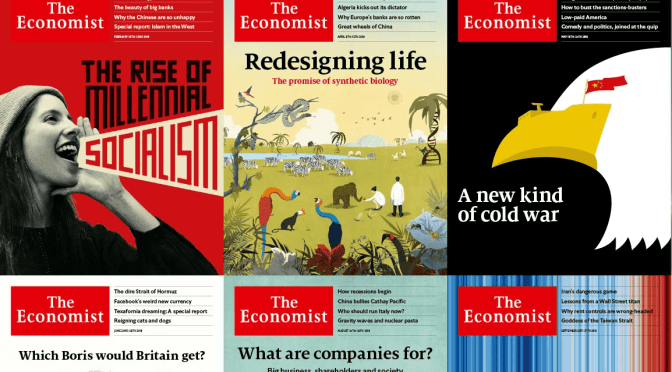
Previews: The Economist Magazine – Sept 10, 2022

Can Liz Truss fix Britain?
The new prime minister must eschew pantomime radicalism if she is to succeed. The sceptics have many reasons to be dubious—yet underestimating Liz Truss is a mistake her opponents have already made to their cost.
Headlines: Russia Seizes Ukrainian Nuclear-Power Station, British Heatwave
Tensions are rising at Europe’s largest nuclear-power station, which Russian forces are using as a military base. We ask what the risks are, and whether they can be headed off.
Britain’s summer heatwave was deadly—but figuring out how deadly was no easy task. And discovering the real value of the “social capital” outside family and work relationships.
Opinion: Taiwan-China-U.S. War Prevention, Germany Awakened, British Gloom
A selection of three essential articles read aloud from the latest issue of The Economist. This week, how to prevent a war between America and China over Taiwan, thanks to Vladimir Putin, Germany has woken up (10:20), and Britain’s summer of discontent (18:40).
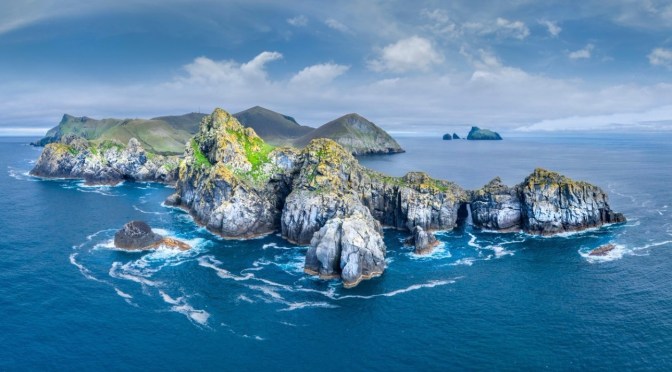
Island View: St. Kilda In The Outer Hebrides, Scotland
There is no place like St Kilda. Towering out of the storm-tossed waters of the Atlantic Ocean, its cliffs and sea stacks clamour with the cries of hundreds of thousands of seabirds.
Internationally recognised for its birdlife, St Kilda is no less famous for its human history. A community existed here for at least 4,000 years, exploiting the dense colonies of gannets, fulmars and puffins for food, feathers and oil.
The final 36 islanders were evacuated in 1930. Now uninhabited, visitors can brave the weather to sail to the ‘islands at the edge of the world’ for the experience of a lifetime.
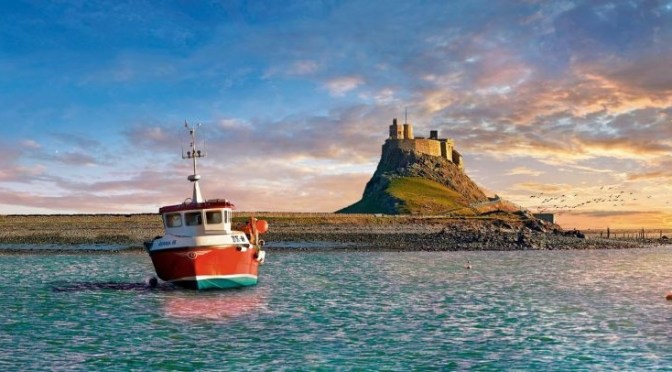
British Isles: Breathless Beauty & Cold Isolation
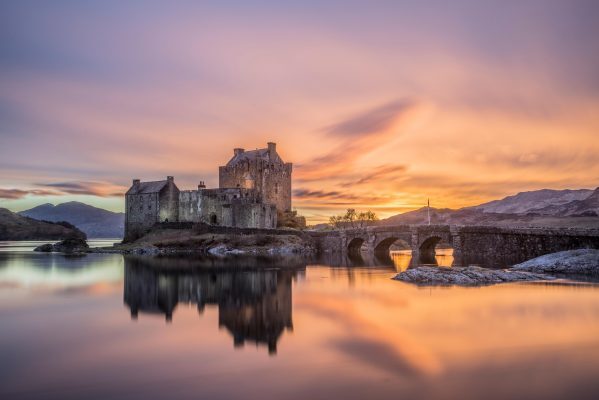
Wind is the defining element of the thousands of islands that encircle the British Isles. Wet and salted, it sculpts every branch and bush, burns palm fronds (yes, our islands do have palm trees — albeit bedraggled), shifts shorelines and leaves surfaces rimed and rusted, skin tanned. Incessantly, it buffets the seabirds and whines at windows; often, it sends the ferry back to port, marooning islanders on their anvil of rock and sand.

Ours are not the great city islands of Venice and Stockholm or the blue-lagooned atolls of the tropics, but kelp-fringed outposts of tough survival for generations of farmers and fishermen and places of insular retreat. They encapsulate extremes — of weather, architecture, landscape and emotion — preserve faith and tradition, offer refuge or redemption, feed dreams and intensify dramas.

Life on the islands of Britain: ‘Mesmerising in its beauty and deeply cruel in equal measure’ https://ift.tt/P5iFot9
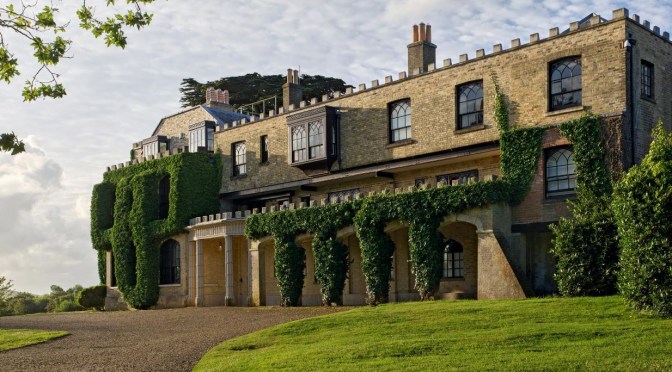
Architecture: Poet Alfred Lord Tennyson’s Isle Of Wight Home ‘Farringford’
After nearly 60 years as a hotel, this former home of the poet Alfred, Lord Tennyson has been triumphantly restored as a house museum. John Goodall reports; photography by Paul Highnam.
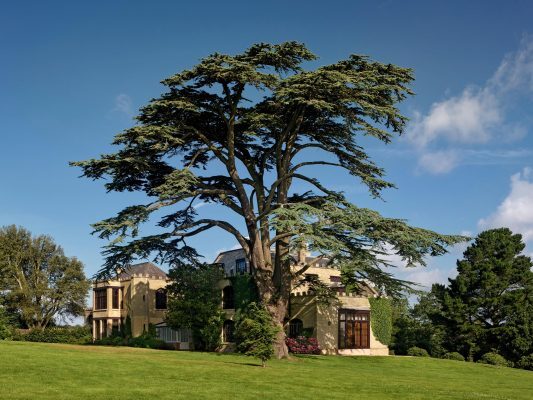
On January 21, 1884, the poet laureate Alfred Tennyson was elevated to the peerage as Baron of Aldworth, Surrey, and of Freshwater on the Isle of Wight. As the editor of The Complete Peerage (1896) primly commented when recording this exceptional accolade, ‘the assumption of two places in different counties (more especially when the estate possessed is inconsiderable), cannot be commended’. Tennyson, however, would not have cared. Indeed, he had refused the offer of baronetcy four times and was only finally persuaded to accept it by his friend, the then Prime Minister, William Gladstone.
Tennyson chose this unusual title because — unconventionally for the period — he had houses in both places that he considered to be homes. Aldworth, which he generally occupied in the summer months, was a retreat from his house at Freshwater. This latter building, known as Farringford, was sold by the family in the 1940s and thereafter became a hotel. Returned back into private ownership in 2007, it has now undergone a renaissance at the hands of a Tennyson scholar, who has turned it into both a home and a house museum to the poet.

Fig 1: The library, which was added to the house in 1871 and has been fully restored. Farringford, Isle of Wight. ©Paul Highnam for Country Life
In the years immediately following his marriage in 1850, Tennyson and his wife, Emily, actively searched for a place to live. They heard from friends about a family house at Freshwater, on the north-western extreme of the Isle of Wight. Following a slightly depressing first viewing by Tennyson — then aged 44 — the couple came back together. An account of their visit in November 1853 is given in Emily’s journal. Travelling by train to Brockenhurst — where the railway line then ended — they caught an omnibus to Lymington and crossed on a still evening from the mainland in a rowing boat.
Emily was delighted by the house, which enjoyed an expansive prospect along almost the whole Hampshire coastline, and ‘looking from the drawing-room window, thought “I must have that view”, and so I said to him when alone. So accordingly we agreed… to take the place furnished for a time on trial with the option of purchasing’.

Fig 2: The north front of the house, with its Gothic porch. Farringford, Isle of Wight. ©Paul Highnam for Country Life
Read more at Country Life Magazine: https://ift.tt/l9zibWL
Opinion: Britain’s Perilous State, The Tik Tok Threat, Trumpism’s New DC Army
A selection of three essential articles read aloud from the latest issue of The Economist. This week, why Britain is in a dangerous state, why the world’s most exciting app is also its most mistrusted (10:49), and Trumpism’s new Washington army (18:38).
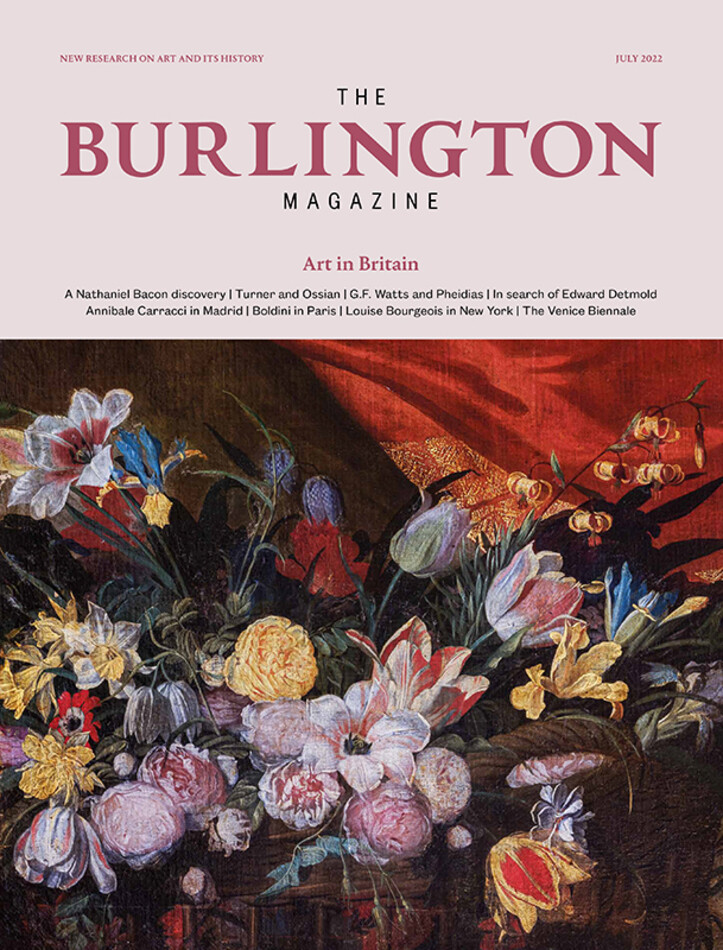
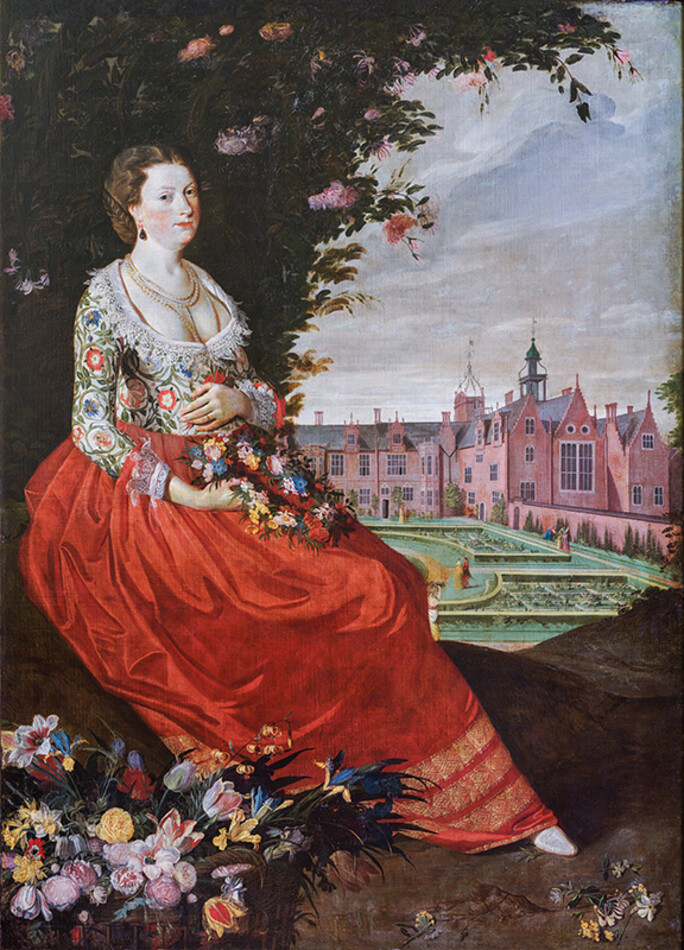
Preview: The Burlington Magazine – July 2, 2022
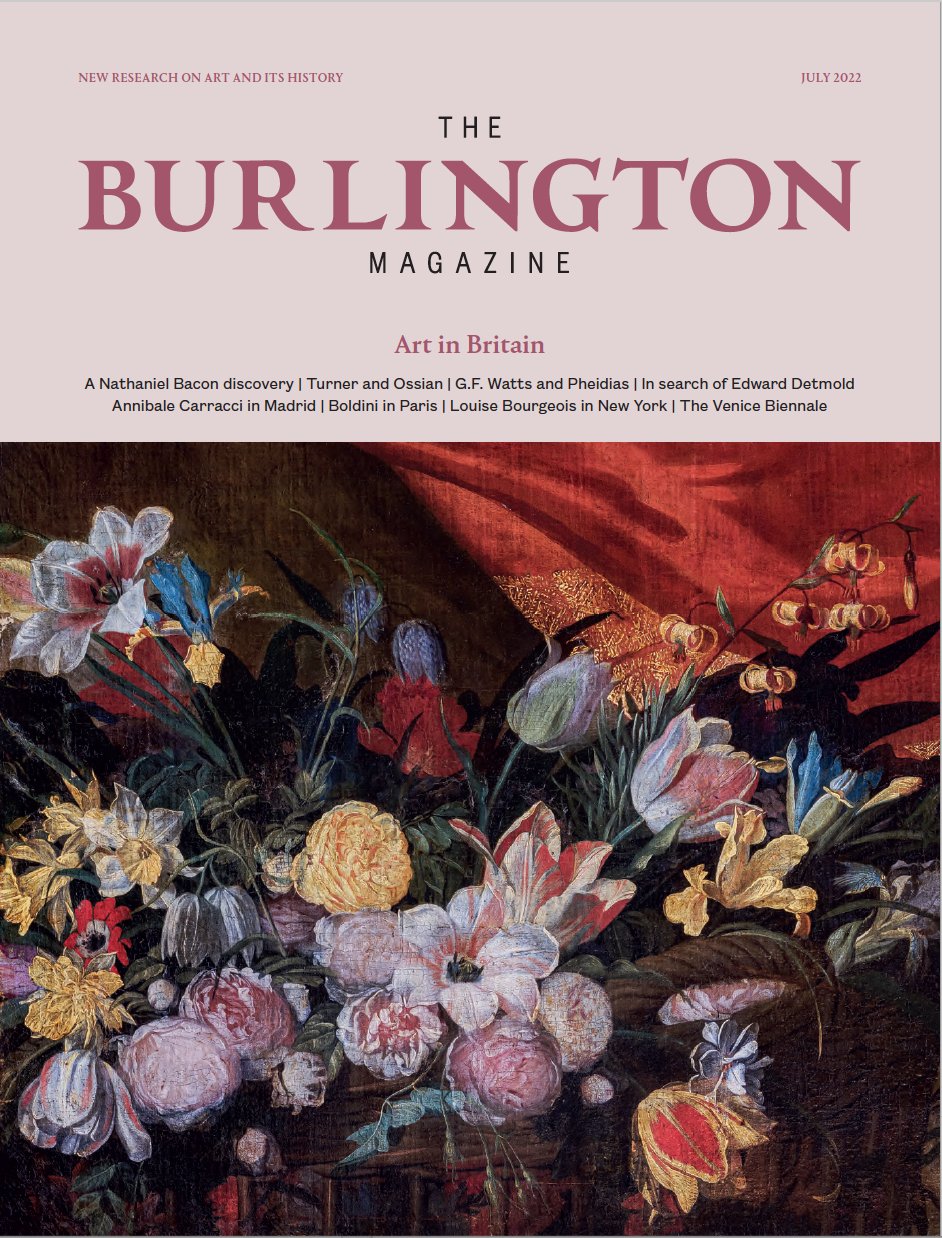
Louise Bourgeois: Paintings Louise Bourgeois: The Woven Child
‘Je vois red’ raged Louise Bourgeois (1911–2010) on one of the loose sheets of paper that she made notes on, most often about herself and her work and, in this case, about the painting Natural history #2 (1944; Easton Foundation, New York), which struck her as all going wrong. Slipping between two languages, Bourgeois’s fury conforms to the themes of rage, the death drive and childhood aggression that the art historian Mignon Nixon has traced in the artist’s work in reference to the ideas of the psychoanalyst Melanie Klein.