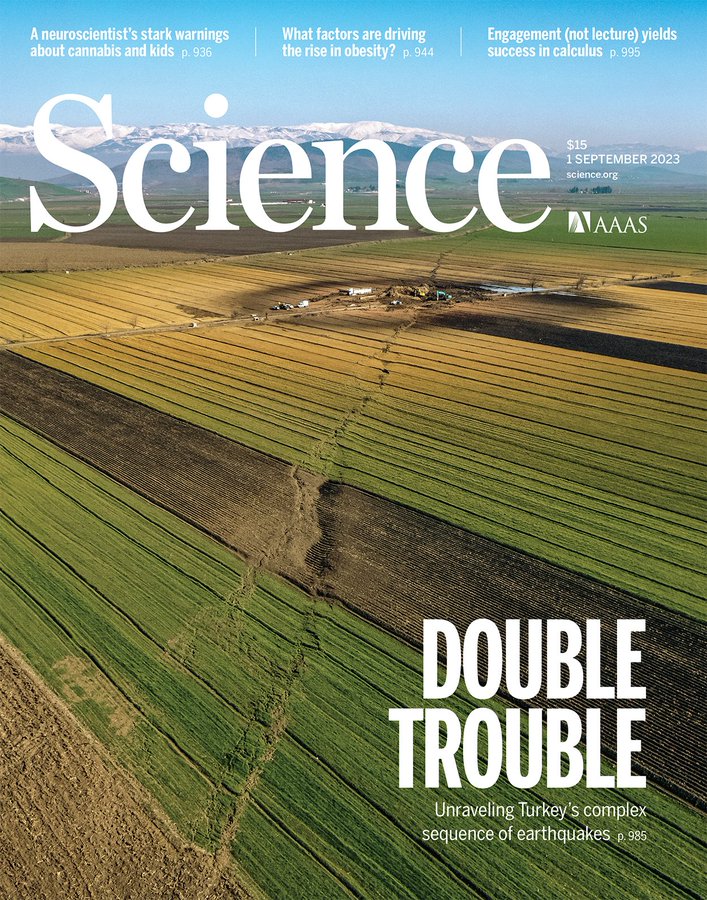
Science Magazine – September 1, 2023: The cover features a drone photograph, taken near the town of Kahramanmaraş, of the surface rupture produced by the first mainshock of the 2023 Turkey earthquake sequence shows agricultural fields offset by the fault slip.
Human and environmental health are inextricably linked. Yet ocean ecosystem health is declining because of anthropogenic pollution, overexploitation, and the effects of global climate change. These problems affect billions of people dependent on oceans for their lives, livelihoods, and cultural practices. The importance of ocean health is recognized by scientists, managers, policy-makers, nongovernmental organizations, and stakeholders including fishers, recreationalists, and cultural practitioners. So why are the oceans still degrading?
nature Magazine – August 31, 2023 issue:In this week’s issue, AI pilot beats human champions in aerial contest – Artificial intelligence has taken on and beaten human competitors in many games, including chess, StarCraft and Gran Turismo.
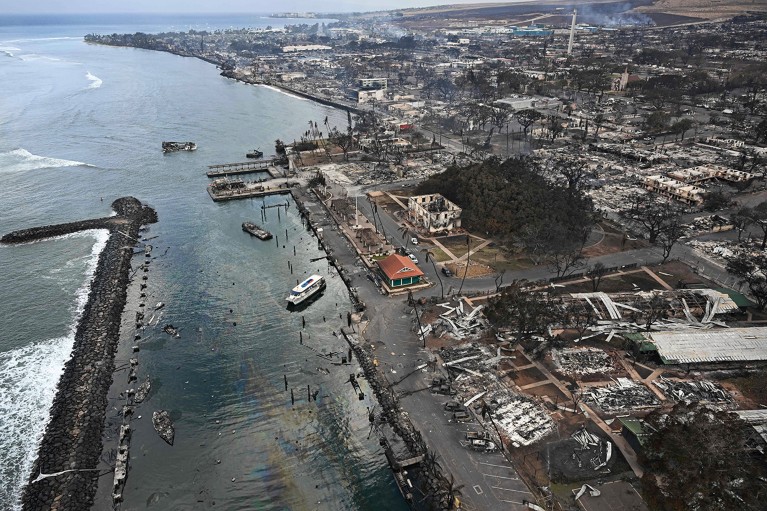
Events in Hawaii show how much we have to learn about wildfire spread — but simple research steps can help to build resilience.
Driven by drought, high winds and extreme heat, fires in recent years have caused destruction and losses on a scale bigger than anyone is used to. The average annual global cost of wildfires is around US$50 billion, the World Economic Forum said in January. And by the end of the century, climate change might make catastrophic conflagrations 50% more common, according to the United Nations Environment Programme. Given the surge in urban development in and near forested areas, something has to be done to protect communities. As Maui’s experience shows, little is in place.
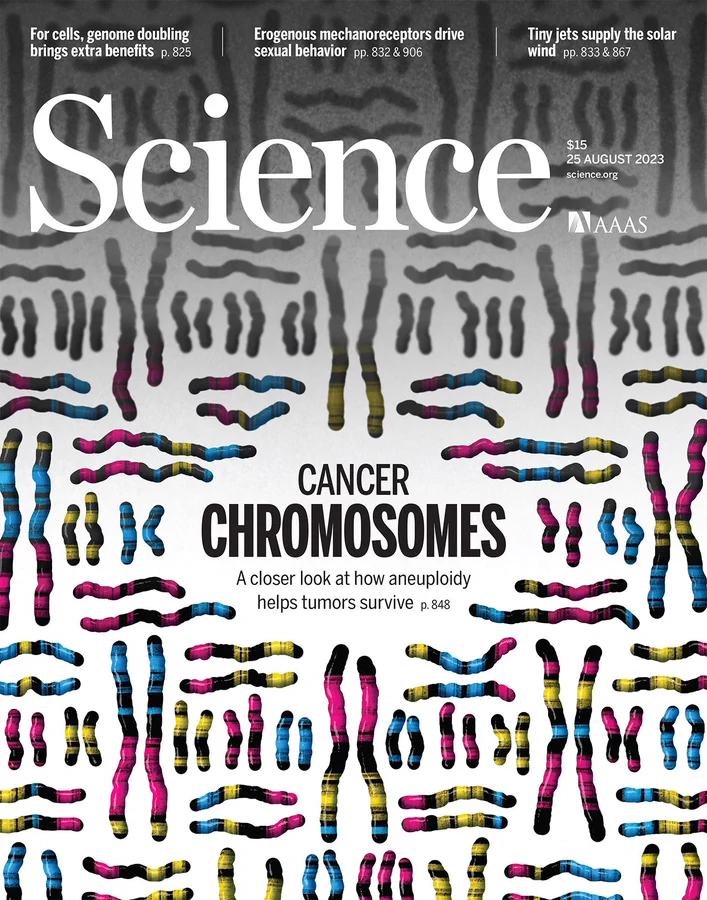
Science Magazine – August 25, 2023: This image depicts whole chromosomes, some with structural abnormalities that might be found in cancer. The idea that cancer cells have aneuploidy—abnormal numbers of chromosomes and chromosome portions—has been known for decades.
Scientists and philosophers are proposing a checklist based on theories of human consciousness
In 2021, Google engineer Blake Lemoine made headlines—and got himself fired—when he claimed that LaMDA, the chatbot he’d been testing, was sentient. Artificial intelligence (AI) systems, especially so-called large language models such as LaMDA and ChatGPT, can certainly seem conscious. But they’re trained on vast amounts of text to imitate human responses. So how can we really know?
In a rapidly urbanizing world, what happens in cities matters — and sustainability success stories show what can be achieved when researchers and policymakers work together.
More than half of the world’s population lives in cities, and that proportion is set to grow. By 2050, another two billion people will be urban dwellers, the United Nations estimates. Cities lie at the nexus of all aspects of human development, from building thriving economies to coping with climate change.
The planet has warmed 1.2 ºC on average, but that’s enough to produce big extremes.
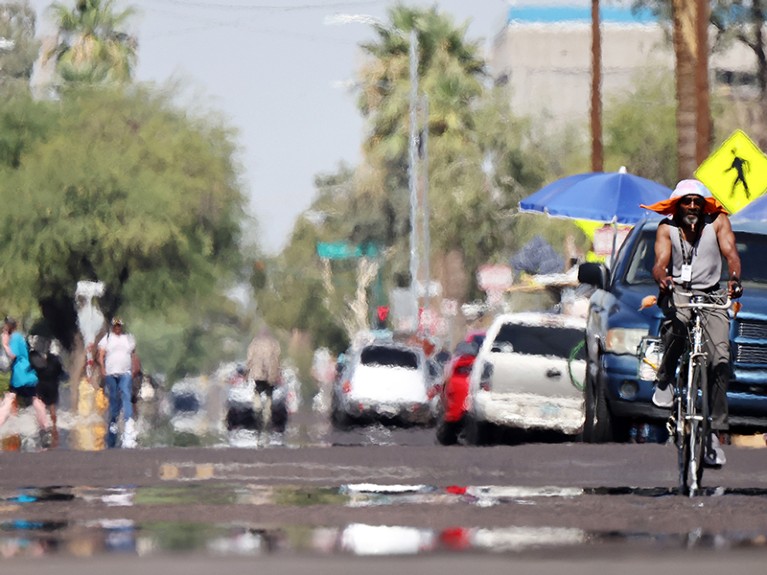
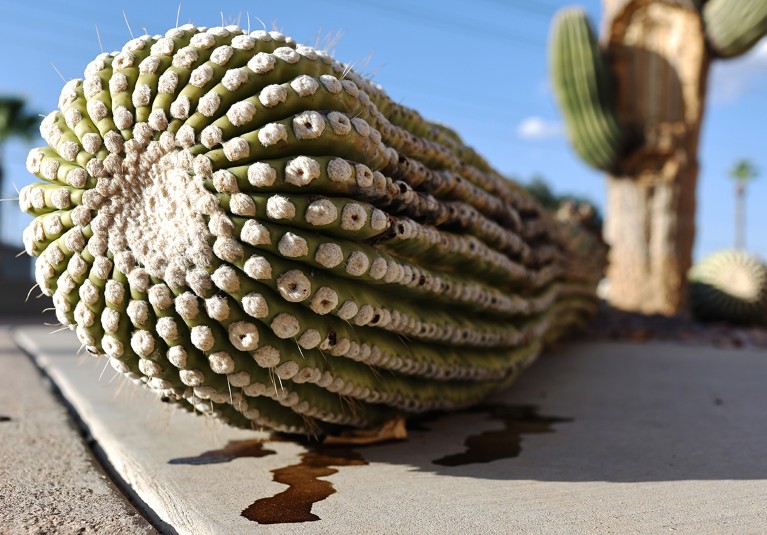
From wilting saguaros in Arizona and hot-tub-like temperatures off the coast of Florida to increased heat-related hospitalizations in Europe and agricultural losses in China, last month felt unusually hot. It was: several teams have now confirmed that July 2023 was the hottest month in recorded history. And there’s more to come.
July is typically the hottest month of the year, and this July shattered records going back as far as 1850 by around 0.25 °C. Overall, the average global temperature was 1.54 °C above the preindustrial average for July, according to Berkeley Earth, a non-profit group in California that is one of several organizations tracking global warming. It’s a seemingly small increase, but what many people across the world actually experienced was a bout of long and often brutal heat waves.
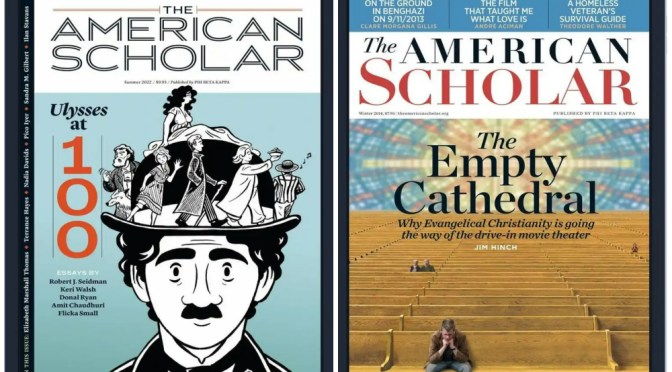
Great works of literature are sly and powerful beasts that pounce on their readers, grabbing them by the neck and shaking them back and forth. The young Augustine looks like a typical victim of Vergil’s Aeneid. The schoolboy being brought up as a Christian in fourth-century CE North Africa found the first-century BCE epic poem of pagan Rome the most impressive thing in his cultural life to date. Tellingly, his reaction shows no interest in the poem’s theme of individual sacrifice in the name of imperial destiny; rather, into middle age, the great theologian and founder of institutional Catholic monasticism remembered weeping for Dido, who commits suicide after her lover, Aeneas, abandons her at the end of Book IV.
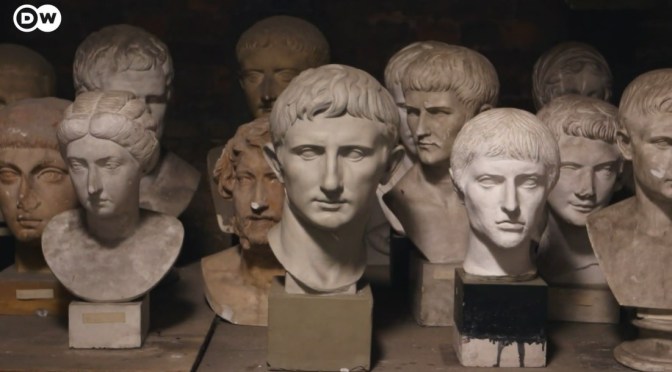
DW Documentary (August 21, 2023) – When a long-lost bronze of Alexander the Great suddenly turns up in Greece, experts are suspicious. This documentary follows archaeologist Stephan Lehmann as he follows the trail of the art forgers.
Stephan Lehmann has uncovered around 50 suspected forged artworks to date – in the marketplace, in private collections and even in museums. Now, a large bronze of Alexander the Great has resurfaced in Greece. It was owned by a British art dealer and was handed back to Greece as previously looted art. But Lehmann and other experts say it’s a fake. Due to his work, archaeologist Stephan Lehmann is not always a popular figure: in the art trade and the museum world, many people prefer to sweep the problem of forgeries under the rug.
But one anonymous Swiss collector decided to confront the issue. He sent Lehmann an allegedly ancient but highly dubious bronze depicting Emperor Augustus, which he had purchased for several hundred thousand dollars in New York. Lehmann examined it and had it X-rayed at Germany’s Fraunhofer Institute, using one of the most powerful CT scanners in the world.
Testing the material an artwork is made of can not only uncover forgeries; it can also shed light on how forgers go about their work. This documentary sets out on the trail of art forgers, uncovering a dark and concealed side of the antiquities trade. It reveals just how good forgeries can be. Fakes have even sometimes turned up among supposedly looted works being returned to states as part of the restitution process.
Blazes and high winds blew projects apart and left a tight-knit research community shaken. What will it take to prevent future island fires?
In the wake of a series of powerful wildfires that ripped through Maui’s dry forests and the historic city of Lahaina this week killing more than 50 people, researchers on the island remain concerned about the personal fallout for fellow scientists and their families. Some are reeling from disruption to their projects: Studies of whales may be disrupted, for example, and a rare plant facility sustained damage. “We’re still wrapping our heads around what this really means, because right now, most of us are still in shock,” says marine mammal ecologist Marc Lammers. “And, of course, we’re thinking about our colleagues.”
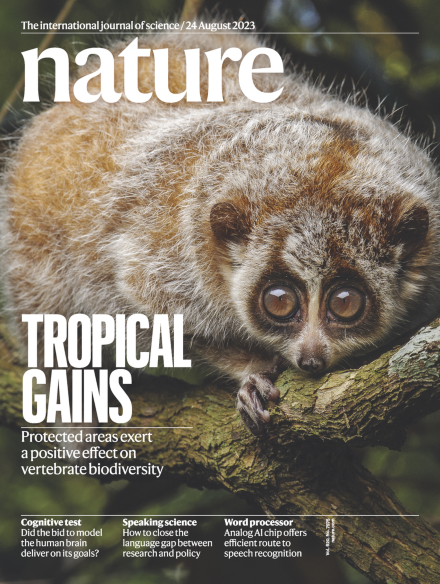
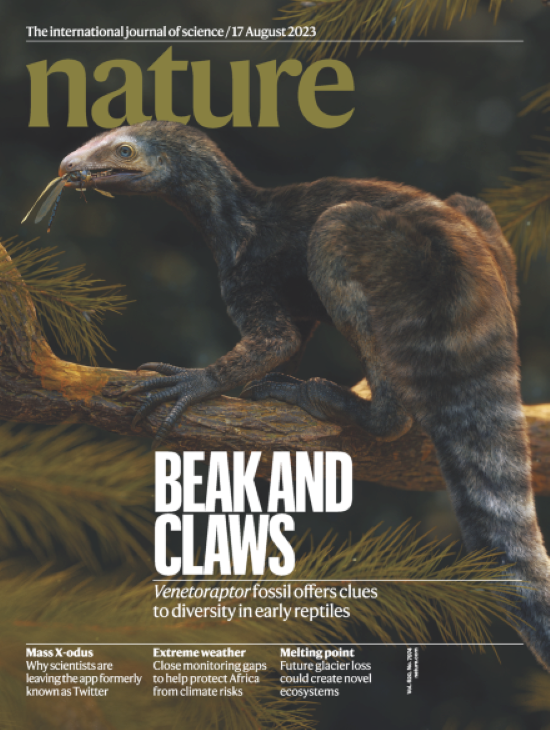
nature Magazine – August 17, 2023 issue: The cover shows an artist’s impression of Venetoraptor gassenae, a species of ancient reptile that lived some 230 million years ago. Dinosaurs and pterosaurs dominated land and air, respectively, around 70 million to 200 million years ago, but their evolutionary precursors are not that well known.
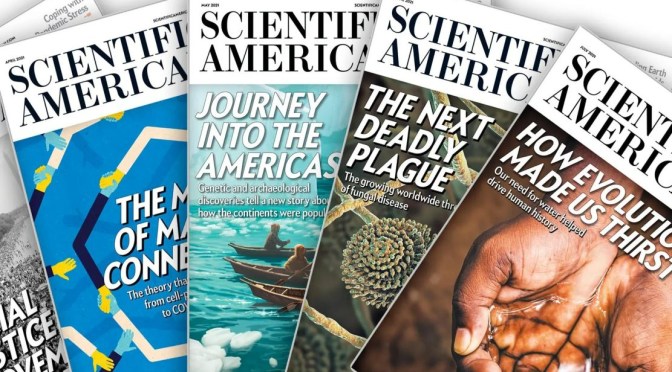
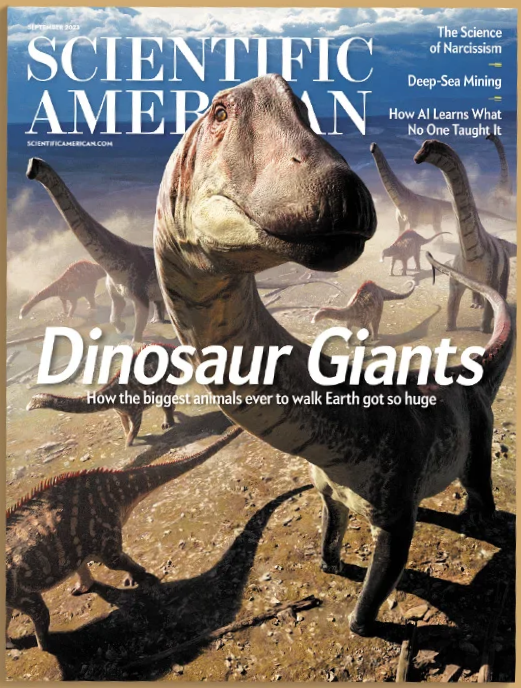
Scientific American – September 2023: The issue features ‘Dinosaur Giants – How the biggest animals ever to walk Earth got so huge; The Science of Narcissism; Deep-Sea Mining; How AI learns What No One Taught It, and more…












 DW Documentary




 Intellicurious