

From a Scientific American online article:
 Health care is a big business, and our system reimburses hospitals and health care workers for caring for the sickest people rather than healthiest ones. This process depletes healers’ energy and often causes them to become exhausted and sick. That means all of us who work in or study to work in health care are at risk. To break this vicious cycle, we need self-scrutiny and willingness to change.
Health-professions students and workers live in chronically stressful environments—responsible for an increasingly sick population, which they are expected to repeatedly rescue from failure. To heal others, our health care professionals need healing themselves.
American medical students, physicians and nurses: There’s good news and bad news.
The bad news is that our health care system and many of its workers are sick. The good news is that we can heal them. We should waste no time in starting.
To read more: https://blogs.scientificamerican.com/observations/american-health-care-is-sick-and-its-workers-are-too/
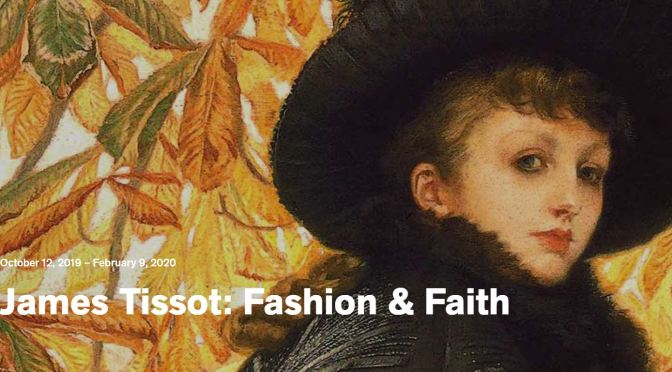
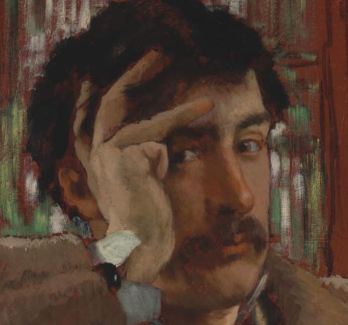 Tissot consistently defied convention in both his professional and personal life. His contributions to the academy and the avant-garde are documented by participation at diverse venues such as the Paris Salon as well as London’s Royal Academy and the Grosvenor and Dudley Galleries. This exhibition explores his multifaceted career with a fresh perspective and original scholarship and will also question where and how Tissot should be situated in narratives of the nineteenth-century canon.
 A nanotube microprocessor: Scientists are looking beyond silicon, by constructing a computer chip using carbon nanotubes.
 “Fans of intelligent historical fiction will be enthralled by a story so original and so fully imagined. Meek shows the era as alien, which it is, and doesn’t falsify it by assimilating it to ours. But his characters are recognisably warm and human”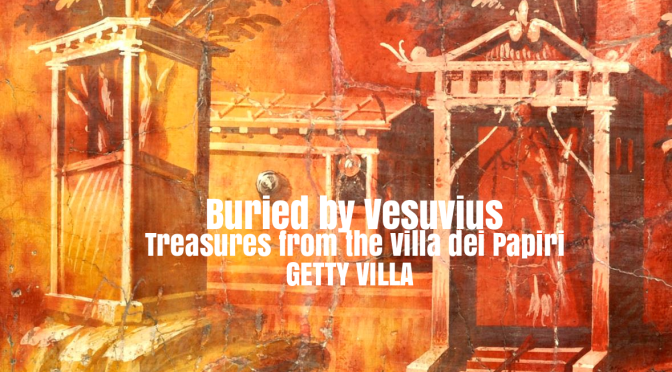
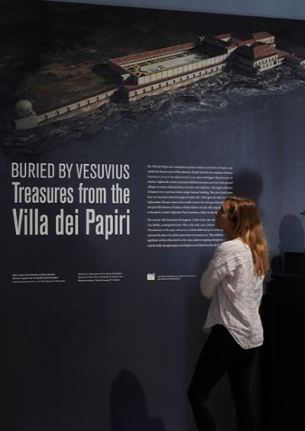 …the Getty Villa, despite some anomalies and insertions, is considered a strong likeness, which makes it a powerful locale for “Buried by Vesuvius: Treasures From the Villa dei Papiri,” the first major exhibition of works discovered in the Roman residence. The show includes Weber’s 1758 architectural map—used to build the Getty Villa—along with some of the approximately 90 sculptures pulled from the site, showing athletes, philosophers, rulers, poets and mythological figures. The exhibition also displays findings from the recent excavations.
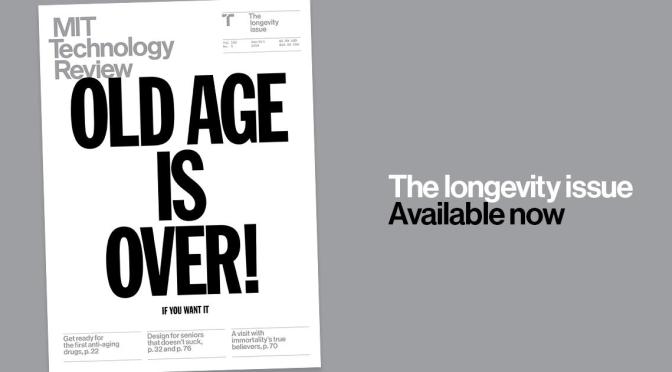
 It’s a familiar tune to engineer Ken Smith, director of the mobility division of the Stanford Center on Longevity. He says one of the biggest mistakes designers make is to assume that around the age of 60 people lose interest in aesthetics and design. This can have dire consequences for products meant to help people with their health. No one wants to stick a golf-ball-size hearing aid the color of chewed gum in their ear, any more than they want to wear a T-shirt that reads “SENIOR CITIZEN.”
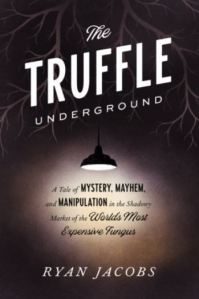 “Asking even seasoned chefs and truffle-industry insiders to describe what the fungus tastes or smells like,” Jacobs writes, “is a bit like asking a priest why he believes in God.” Readers not familiar with the pungent, one-of-a-kind flavor will come away even more intrigued. Those of us whose most frequent encounter with the fabled fungus is through truffle oil will also be disappointed. As Jacobs discovers, nearly all truffle butter and truffle oil sold in America is manufactured using chemicals rather than the real thing.

 In sarcoidosis, abnormal collections of cells called granulomas invade the organ, interfering with its normal activity and often destroying the surrounding tissue. What is left is a scar, known as fibrosis, dotted with these abnormal granulomas.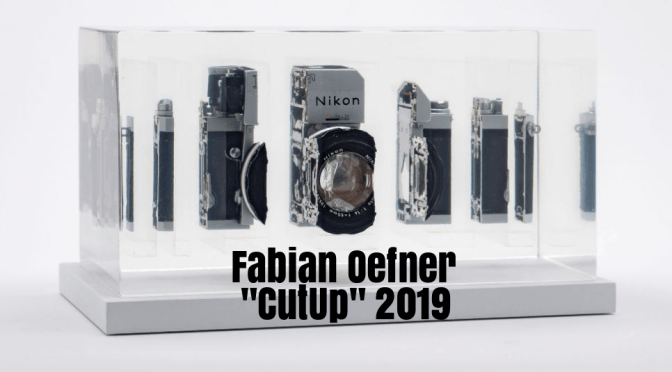
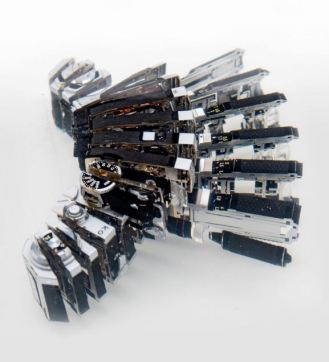 CutUp is closely linked to Oefner`s
 Intellicurious