
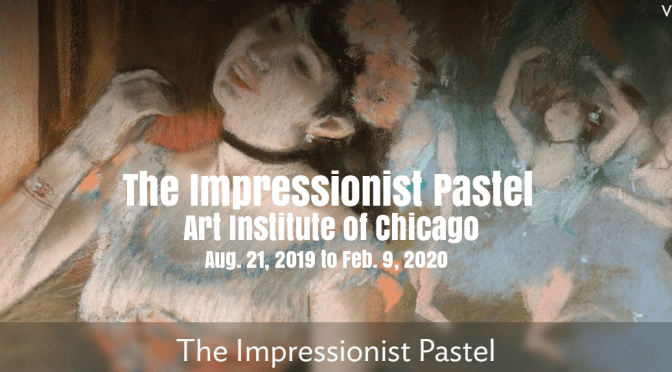
From Art Institute of Chicago online release:
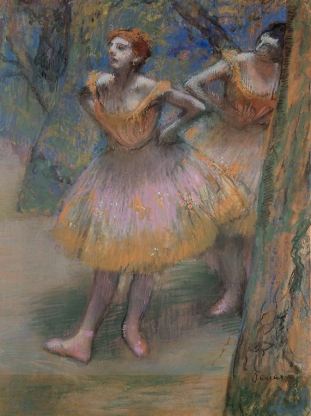 This focused installation features pastels by four artists whose work was shown in the Impressionist exhibitions: Mary Cassatt, Edgar Degas, Eva Gonzalès, and Berthe Morisot. Their subjects range from scenes of modern life, such as ballet performers and a woman working in a hat shop, to depictions of intimate moments of bathing and women with children.
Although Impressionism is most closely associated with oil painting, during the late 19th century, Impressionist artists increasingly began to exhibit and market their prints and drawings as finished works of art. In fact, prints and drawings made up nearly half of the works in the eight Impressionist exhibitions held in Paris between 1874 and 1886. Pastels in particular became increasingly sought-after by collectors.
 Pastel, a medium used to draw on paper or, less often, on canvas, is made by combining dry pigment with a sticky binder. Once artists have applied the pastel to the surface, they can either blend it, leave their markings visible, or layer different colors to create texture and tone. Pastel portraits had previously gained popularity in France and England in the 18th century, but fell out of fashion with critics when pastel was deemed too feminine; not only was it used by women artists, but it had a powdery consistency similar to women’s makeup. The Impressionists rejected this bias and instead embraced the medium’s ability to impart immediacy, boldness, and radiance.
Website: https://www.artic.edu/exhibitions/9400/the-impressionist-pastel
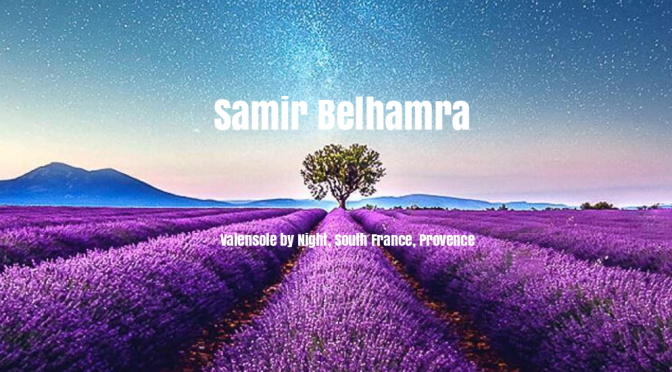
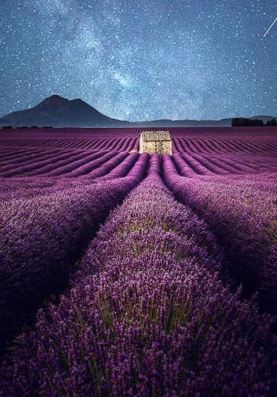 To many nature photographers, no muse is quite as magical as a field of flowers. This tried and true subject is particularly popular with aerial photographers, whose atmospheric shots allow us to explore the mesmerizing meadows from soaring perspectives. One photographer taking this trend to new heights is

 Giovannoni describes it as “immersive omnidirectional” sound with richer bass. “It feels like you’re inside the song,” says one wide-eyed subject in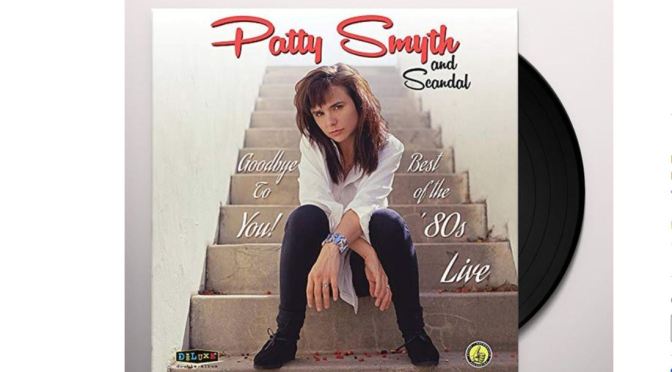
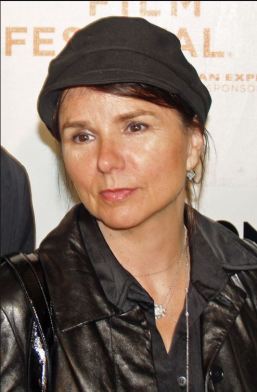 Patty Smyth & her band Scandal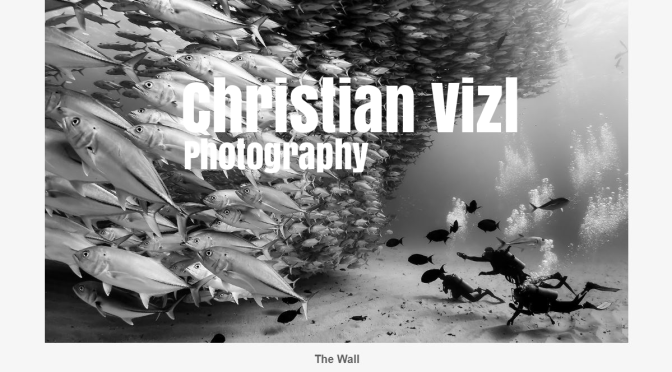
 I have always loved the ocean and also photography. I started taking pictures as a teenager and was very inspired by black and white masters like Ansel Adams and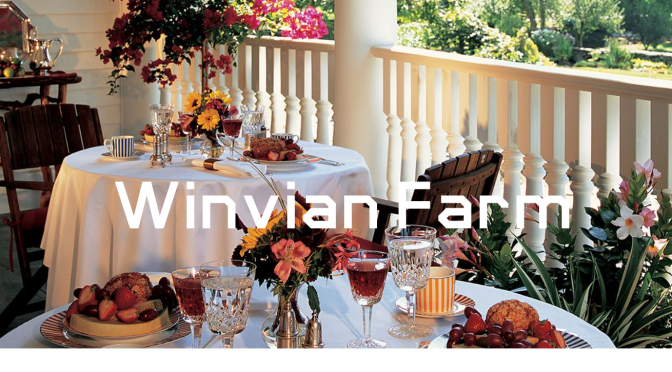

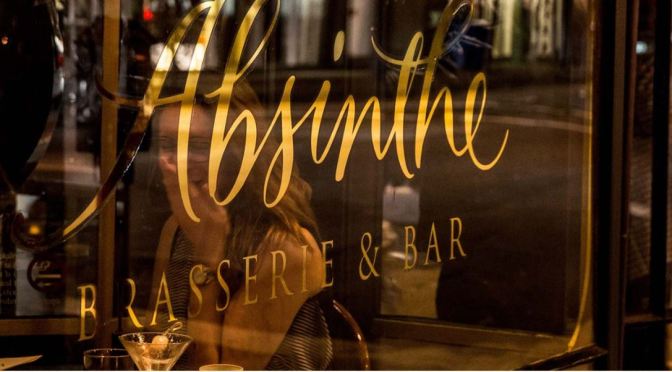
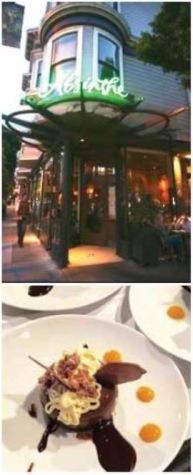 What makes this brasserie so popular? “A culture of hospitality comes from the top down,” explains Absinthe General Manager Brian Gavin. “Bill (our owner) is very gracious and the tone he sets makes everyone feel welcome.”
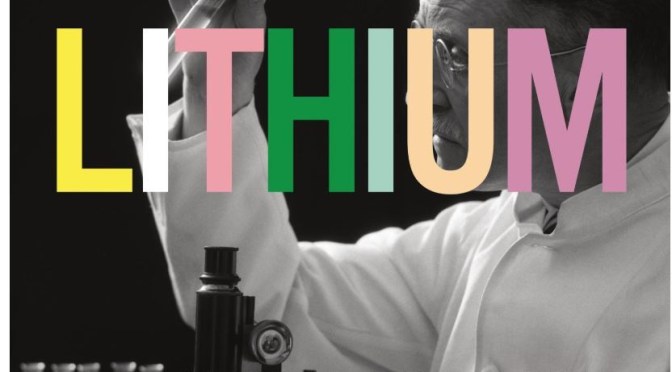
 He wondered whether lithium could have the same tranquillizing effect on his patients. After trying it out on himself to establish a safe dose, Cade began treating ten people with mania. In September 1949, he reported fast and dramatic improvements in all of them in the Medical Journal of Australia (
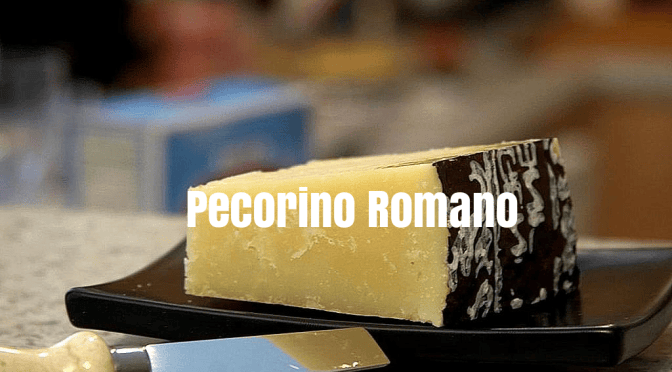
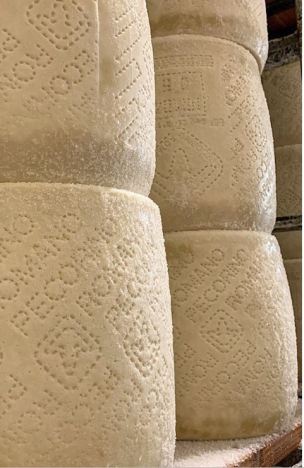 Pecorino Romano today is still made from rich sheep’s milk (pecorino comes from the Italian word for sheep, pecora) and the cheesemaking process closely follows the traditions of the ancient Romans. But most of it is now produced on the island of Sardinia, rather than in the countryside around Rome and Lazio. So why the shift?
  Intellicurious