

From a New Yorker online article:
 On “Travel Man,” Ayoade is fun to look at (snappy suits, thick-framed glasses, expression of amused diffidence) and fun to listen to. (Of a monastery turned hotel in Naples, he says, “As well as modish guff, like a rooftop pool and a spa, it retains attractive old shiz, like staircases dug into the hillside.”) His persona is warmly amused, broadly skeptical, and gently astringent—i.e., British. He’s not a joiner. His intros conclude with him saying, in that episode’s particular city and with that episode’s particular guest, “We’re here, but should we have come?”
“Travel Man: 48 Hours in . . .” is a British series in which the comedian, writer, actor, and director Richard Ayoade spends forty-eight hours in a city, accompanied by various friends—“some of the most available and affordable names in light ent,” as he puts it—and tells us about what to do there. “Mini-breaks are a swirling nebula of nonsense!” he says at the top of “Copenhagen,” during a brisk montage of him in Venice, Copenhagen, Vienna, and Moscow. “How can anyone go somewhere new and be expected to enjoy themselves without a decade to decompress?” Exactly, I thought. This is the show for me.
To read more: https://www.newyorker.com/culture/on-television/travel-man-richard-ayoades-travel-show-for-people-who-hate-travel

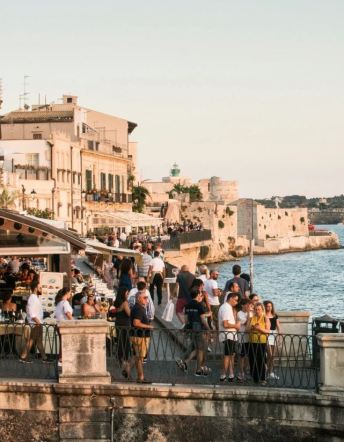 A passeggiata, or evening walk, around the perimeter of Ortigia reveals many notable structures and stories. Start from the Parco Letterario Elio Vittorini, on the eastern side, and head clockwise. As waves crash against the rocks below the sea wall, you’ll pass crenelated lookout points and the chiseled facade of the 17th-century Chiesa dello Spirito Santo, before finding yourself in the palm-planted gardens of the 13th-century Castello Maniace.
 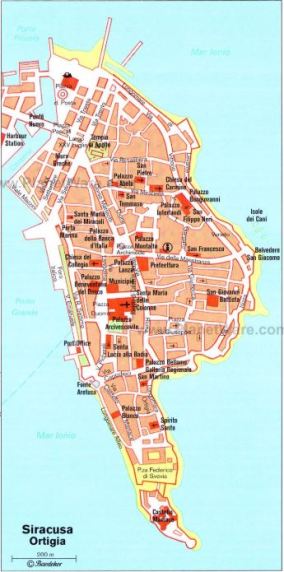 Ithe southeastern Sicilian city that Cicero called “the greatest and most beautiful of all Grecian cities” achieved a size and status in the ancient world that made it a rival of major powers like Athens and Carthage. Takeovers and makeovers by Romans, Byzantines, North Africans, Normans and others left their marks as well, influencing everything from religious art to the region’s distinctive savory-sweet-sour cooking style. Much of the ancient city has crumbled since Cicero’s day, though the ruins can still be explored in Syracuse’s celebrated archaeological park and museum. But the main attraction today is the historical center of Syracuse: Ortigia island, a maze of narrow streets, ornate Baroque churches and centuries-old palazzi.
 Researchers have identified how Salmonella ‘persister’ cells can spread antibiotic resistance genes in mice intestines.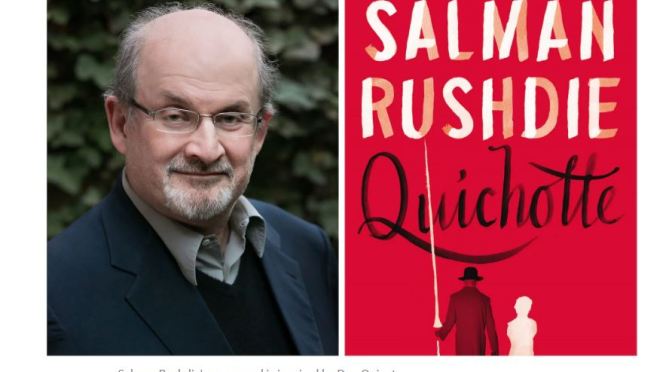
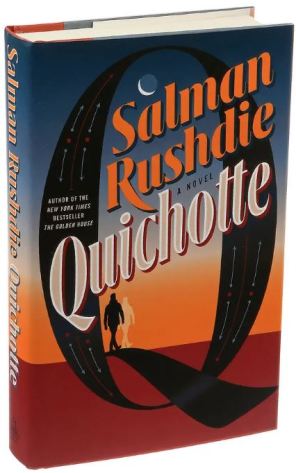 Quichotte opens with a brilliant parody of Cervantes’s first sentence: ‘There once lived, at a series of temporary addresses across the United States of America, a travelling man of Indian origin, advancing years, and retreating mental powers.’ The temporary addresses are a fine revision of Cervantes’s pretending not to remember the name of the place where Quixote lived – literally, he says he doesn’t want to remember. But in spite of this and many other echoes, Quichotte is not all that close to the original Don Quixote in style or mood, and doesn’t seek to be. The leading character chooses his pseudonym because a recording of Massenet’s opera Don Quichotte was his father’s favourite LP, and echoes of the musical Man of La Mancha, with the obligatory ‘impossible dream’, are all over the place.
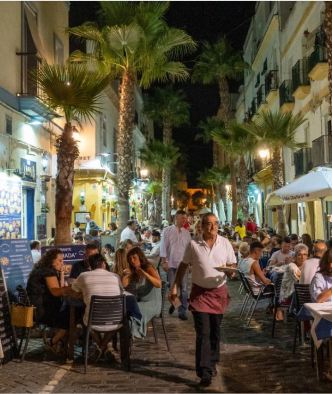 One of the reasons the province of Cádiz is on this year’s 52 Places list is food, as chefs in the area are innovating with pork and fish, the base ingredients here. I tried out a few of the white-tablecloth joints, but came away remembering the noisy, cheap tapas bars that have been around forever.
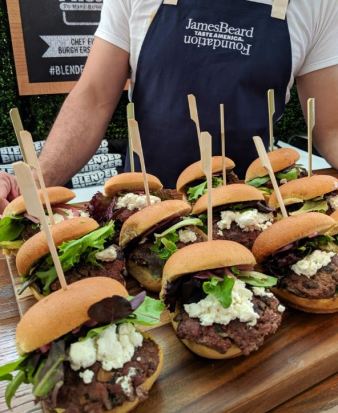 This year, the Foundation is pleased to once again partner with the Mushroom Council to host the Blended Burger Project*, which encourages chefs to create a healthier, more sustainable, and tastier burger that can be enjoyed by consumers across the country, while also educating diners about the many benefits of The Blend and the future of food.
  To read more: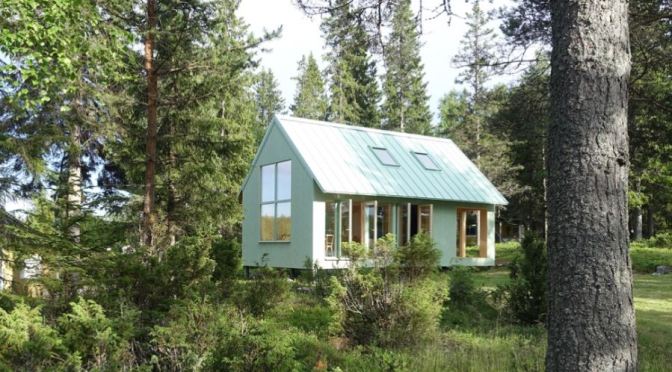
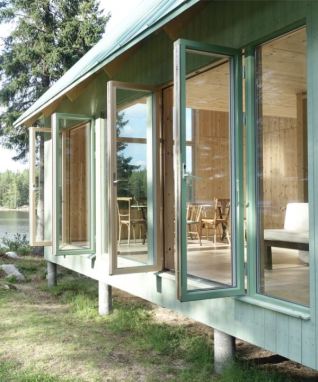 During the summers, the northern Swedish island of Kallaxön is bright for nearly 24 hours a day, which means the windows that wrap the house are put to good use. Inside, the house is clad entirely in pale timber.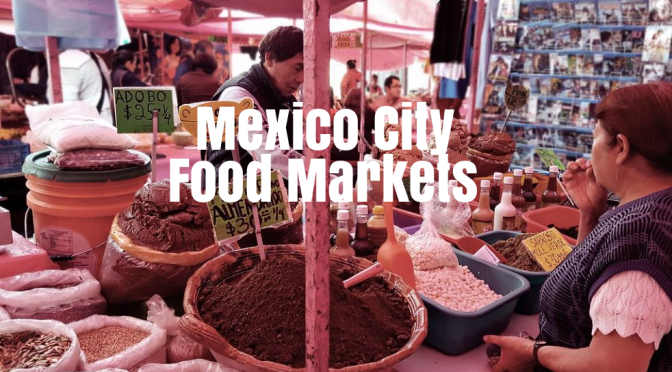
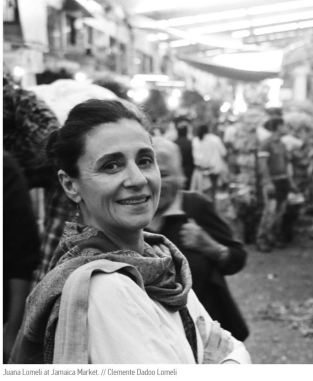 The city’s great unifier and appeal is its cuisine, especially the street-food: corner quesadillas, fast food tents outside of subway stops, stews served over hand-made tortillas, deep fried chicken tacos, tacos topped with rice served from street stands or a make-shift diner in the back of a van. In Mexico City, one can find great food everywhere at any price-point and at any time of day.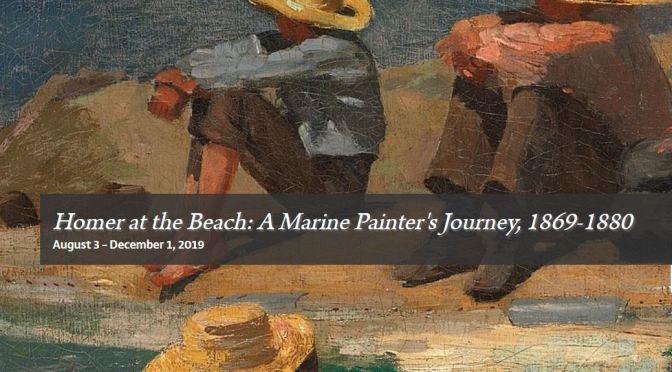
 That’s how I felt while visiting “Homer at the Beach: A Marine Painter’s Journey, 1869-1880,” an intimate exhibition at the Cape Ann Museum. The show is handsome, historically rich and perfectly positioned here at this harbor venue, which devotes galleries to regional maritime and fishing artifacts, local decorative arts, Gloucester sea captain Elias Davis ’s house and the works of the renowned illustrator and marine painter Fitz Henry Lane (1804-1865), a Gloucester native with whom Boston-born Winslow Homer (1836-1910) had much in common.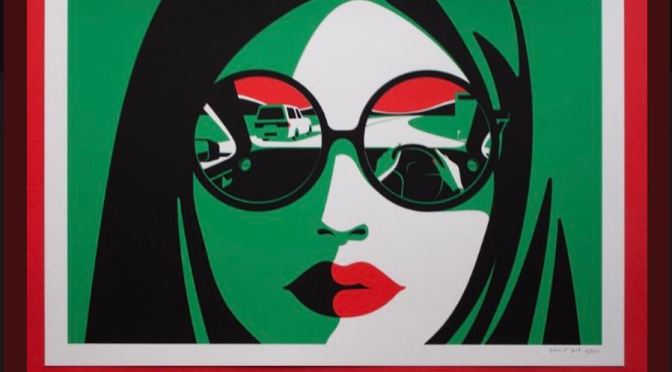
 From the top floor of a 1920s building in Hackney, in the East End of London, Favre’s confidence is at a peak. The bold, graphic style she has developed over the last fifteen years attracts prestigious projects. When she was invited to design the poster for this year’s Montreux Jazz Festival, held every summer in Switzerland since 1967, she became part of a group that includes Milton Glaser, Andy Warhol and Keith Haring. Her poster is full of female silhouettes dancing, the negative spaces between them forming instruments.
 Favre is a French artist based in London.
 Intellicurious