

From a Michigan.org online article:
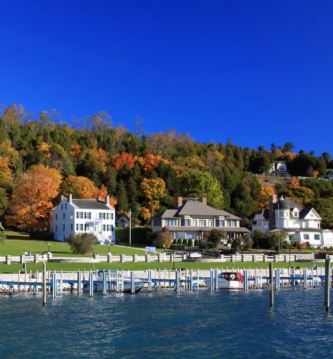 There are over 140 miles of trails and roads leading to great views on Mackinac Island. Stop by the Visitor’s Center to buy a map of the trails, significant points of interest and self-tours. Or visit a rental bike shop for a map, (though these have less detail). One of the most popular trails is the 8.2-mile road along the island’s perimeter. Typically there are bikers along this trail, but plenty of pedestrians also use it to see the beautiful shorelines. The road is not very hilly but it is long, so take your time to enjoy the views and be sure to stop occasionally to read about the history of the island. If you’d like to get deeper inland, there are several trails that lead to great views of the changing reds, yellows, and oranges as well as vantage points to see the beautiful shorelines. Stay aware of bikers and horses and be sure to stop at Sugar Loaf, Fort Mackinac, Skull Cave or Arch Rock for amazing views.
To read more: https://www.michigan.org/article/trip-idea/pure-michigan-hiking-trails-see-brilliant-fall-colors
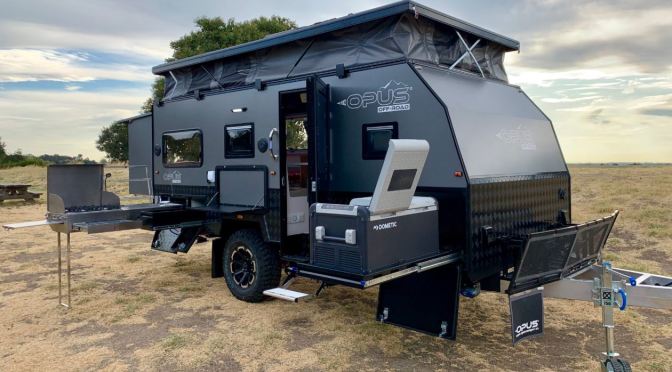
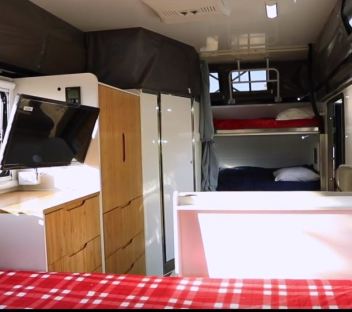 The trailer is set up for families thanks to a king-size bed on one side and twin bunk beds on the other. A full bathroom boasts a shower, sink, and chemical toilet, and bamboo shelving allows for plenty of storage space. A leatherette dining area provides a place to sit inside, and on-demand hot water, a heater, and built-in air conditioning come standard.
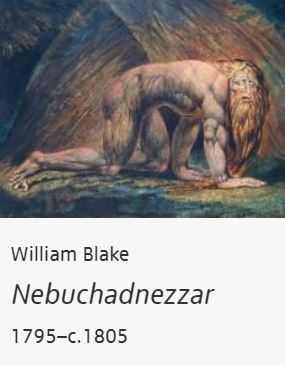 Although Blake was considered mad by contemporaries for his idiosyncratic views, he is held in high regard by later critics for his expressiveness and creativity, and for the philosophical and mystical undercurrents within his work. His paintings and poetry have been characterised as part of the Romantic movement and as “Pre-Romantic”. A committed Christian who was hostile to the Church of England (indeed, to almost all forms of organised religion), Blake was influenced by the ideals and ambitions of the French and American Revolutions.
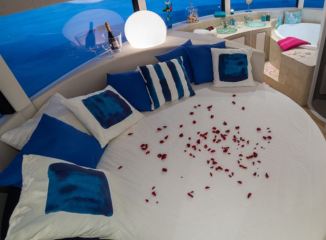 The domed capsule is the brainchild of naval architect Jean-Michel Ducancelle, who was
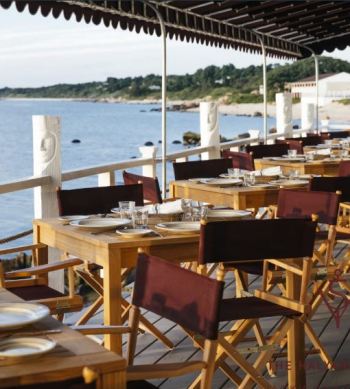 Immediately upon checking into one of the Sound View’s cedar-paneled rooms, all clean white sheets and sailcloth pillows and views straight out onto the beach (ALL of the rooms at the Sound View look straight out onto the beach), I felt my blood pressure slow. For lunch, we jammed lobster rolls the size of our faces into our faces by the pool. Come late afternoon, we sat on our sandswept porch drinking canned rosé and watched the sky turn gold.

 For dinner at
 Designed as an augmented reality and spatial audio work downloadable as an app for mobile devices, it is both a site specific public artwork and a digital archive of these species, using tools and platforms from a range of fields including video games, computer generated images and film. Inspired by ecological science-fiction and scientific research, Kudsk Steensen creates a form of ‘slow media’ that uses the technological to foster attention rather than distraction.
 Compared to the
 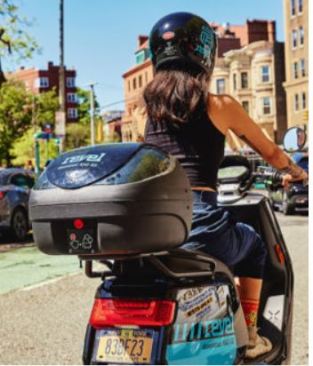 To get started, the company requires a scan of your license, accompanied by an in-app selfie, to go through a $19 background check approval. What you don’t need is a motorcycle license, or any prior experience piloting these kinds of vehicles. And that could prove to be a challenge for some.
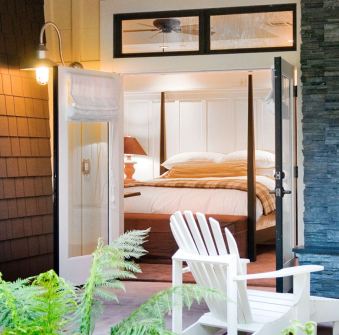 Despite the overwhelming presence of boutique inns along the Atlantic, they’re not a strictly East Coast commodity. Case in point: Sonoma’s Farmhouse Inn.
  Beyond its aesthetically-pleasing interiors, the inn also knows a thing or two about food—starting with a nightly turndown service that includes homemade cookies and milk, and ending with the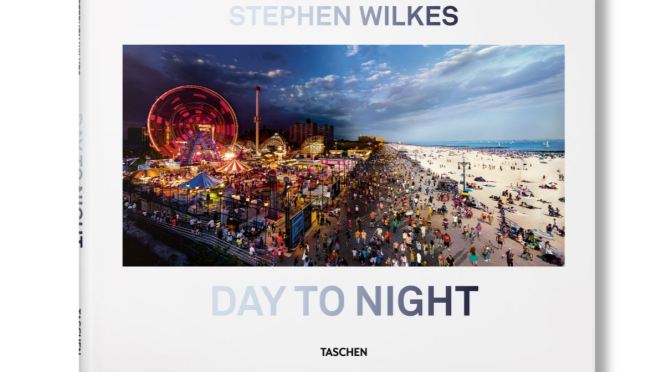
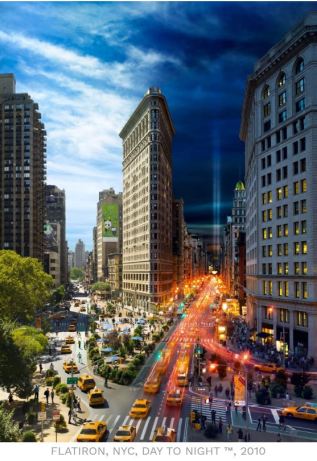 At first glance, Stephen Wilkes’ photographs look like a single moment in time. It is only upon closer inspection that viewers discover that each of his works is actually the result of shooting thousands of photographs from a stationary position over the course of a day and stitching them together digitally to create one cohesive panorama. The painstaking task of editing all of this information and whittling it down into one image can take months to complete, but the results capture a sense of place that can’t be expressed by a single frame alone.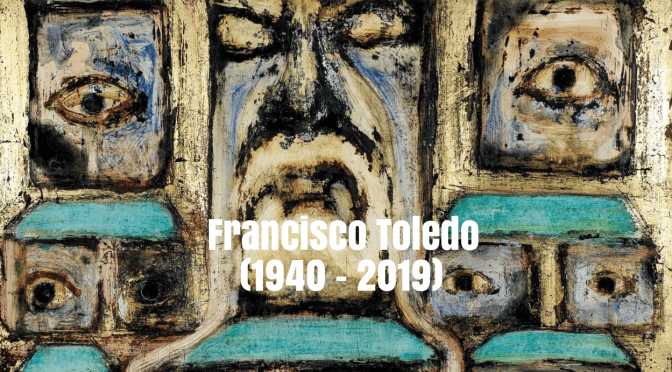
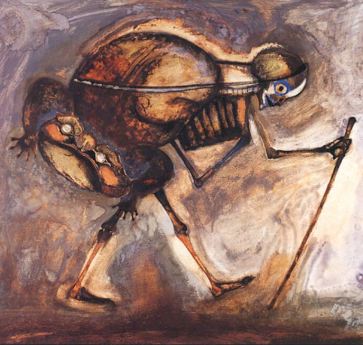 Though his paintings and sculptures sell all over the world for fabulous prices, he has not enriched himself. He lives simply, with his wife, Trine Ellitsgaard Lopez, an accomplished weaver, in a traditional house in the middle of Oaxaca, and has used his considerable profits to found art centers and museums, an ethnobotanical garden and at least three libraries.
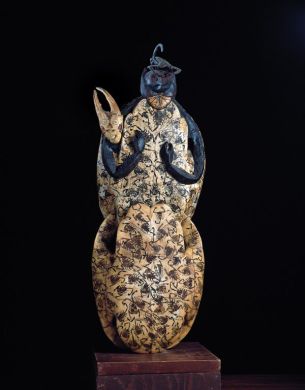 Toledo, whose origins were obscure and inauspicious, was the son of a leatherworker—shoemaker and tanner. He was born in Mexico City, but the family soon after moved to their ancestral village near Juchitán de Zaragoza in the Isthmus of Tehuantepec, nearer to Guatemala than to Mexico City—and being ethnically Zapotec, nearer culturally to the ancient pieties of the hinterland too.
 Intellicurious