

From a New York Times online article:
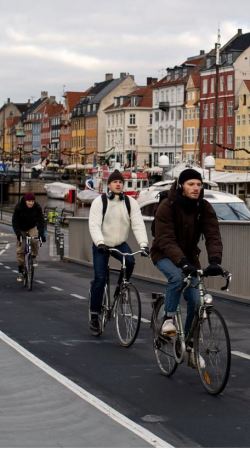 Copenhagen’s legendary bicycle setup has been propelled by all of these aspirations, but the critical element is the simplest: People here eagerly use their bicycles — in any weather, carrying the young, the infirm, the elderly and the dead — because it is typically the easiest way to get around.
Copenhagen’s status as a global exemplar of bicycle culture owes to the accommodating flatness of the terrain and the lack of a Danish auto industry, which might have hijacked the policy levers. Trouble also played a role.
Nearly half of all journeys to school and work in Copenhagen take place on bicycles. And people like it that way.
The global oil shock of the 1970s lifted the price of gasoline, making driving exorbitantly costly. A dismal economy in the 1980s brought the city to the brink of bankruptcy, depriving it of finance to build roads, and making bicycle lanes an appealingly thrifty alternative.
To read more: https://www.nytimes.com/2019/11/09/world/europe/biking-copenhagen.html

 Most historical accounts of slavery were written by colonists and planters. Researchers are now using the tools of archaeology to learn more about the
 This week our correspondent joined Emmanuel Macron on his visit to China. The French president is stretching his diplomatic wings, and has some striking views about Europe’s place in the world. The state of Texas has been reliably Republican for decades, but its demographics are changing; could it at last turn blue? And how Japan is dealing with its epidemic of public-transport groping.




 There was a massive shift in Roman residents’ ancestry, the researchers found, but that ancestry came primarily from the Eastern Mediterranean and Near East, possibly because of denser populations there relative to the Roman Empire’s western reaches in Europe and Africa.
 Scientists believe they have located the ancestral home of one of humanity’s early ancestors—in northern Botswana. Tom Siebel, a Silicon Valley veteran and the founder of C3.ai, explains how digital transformation stops companies from going extinct. And, host Kenneth Cukier takes a trip to the Natural History Museum in London to learn about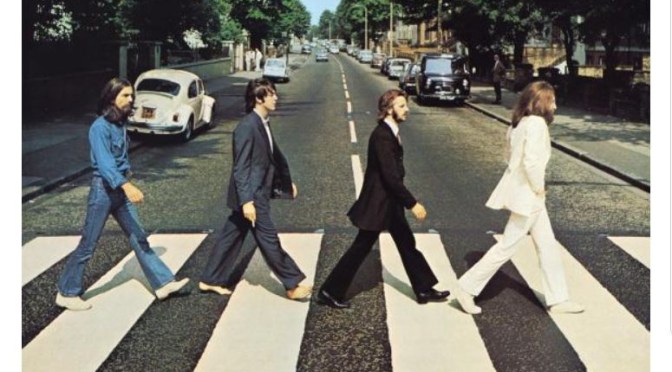
 “Abbey Road” was the Beatles’ last word—the final recordings by the most popular and influential artists of the nineteen-sixties. Now, on the occasion of its fiftieth anniversary, “Abbey Road” has been expertly remixed by Giles Martin, George Martin’s son and protégé, and reissued in a super-deluxe edition that comes with an archive of studio outtakes and a hundred-page book of essays and liner notes that chronicle how the recordings were made. “The Beatles are good even though everybody already knows that they’re good,” the classical composer Ned Rorem observed in 1968, alluding to how the band’s immense popularity confounded the usual notions of discriminating taste. If anyone needs to be reminded of this, this new edition of “Abbey Road” should do the trick.
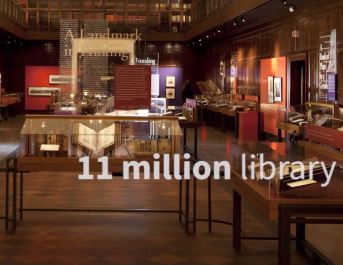 The Huntington’s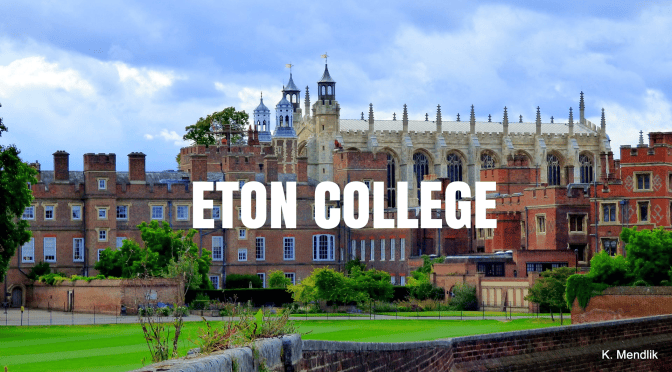
 James Wood: These Etonians
 More than 1,600 museums nationwide will be opening their doors for free on Sept. 21 in honor of Museum Day.
 Intellicurious