
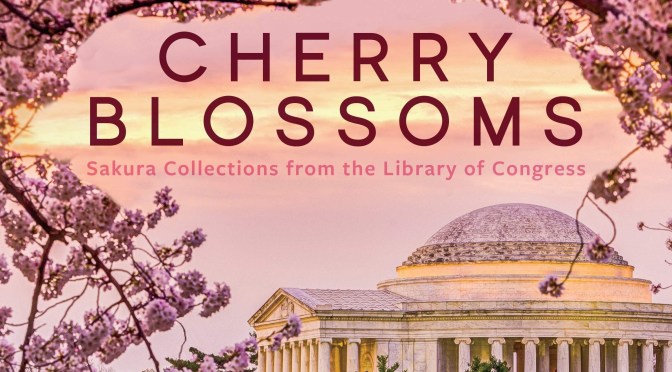
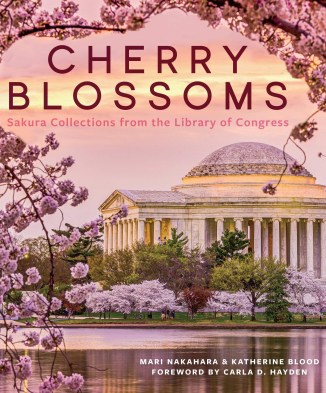
 “Cherry Blossoms” reflects on the long tradition of flower viewing in Japanese culture with vivid color woodblock prints by ukiyo-e master artists, photographs, color lithographic posters and Kōkichi Tsunoi’s exquisite watercolor drawings from 1921. The book highlights the rich connections between Japan’s centuries-old traditions and contemporary counterparts. The American public’s affection for the blossoms is revealed in vintage and contemporary photographs of the Tidal Basin, collections related to the National Cherry Blossom Festival and the Cherry Blossom Princess Program, as well as decades’ worth of creatively designed festival posters.
Vibrant springtime traditions of cherry blossom viewing in Japan and Washington, D.C., are explored in the new book “Cherry Blossoms: Sakura Collections from the Library of Congress,” published today by Smithsonian Books, in association with the Library of Congress.
Visual art, including prints, drawings and photographs from the Library’s collections, provide a fresh look at the tradition of cherry blossom celebrations that originated more than 1,200 years ago. Japan shared the tradition with the United States when they presented the nation’s capital with 3,020 cherry trees in 1912. Ever since, D.C. residents and visitors have been mesmerized by the trees and have joined in the festivities of the National Cherry Blossom Festival, which draws more than 1.5 million visitors each year.
Fascinating Facts about Cherry Blossom Traditions:
- It started over 1,200 years ago…with plum blossoms! The Japanese custom of flower viewing, or hanami, is thousands of years old. Beginning in the 9th century, saplings and trees were brought down from the mountains to grace the gardens of the aristocracy. The practice was first associated with plum (ume) blossoms before it became linked almost exclusively with cherry blossoms during the Heian period (794-1185).
- A feudal warlord threw some of the most lavish parties. Before it became popular with people at all levels of society, cherry blossom viewing in Japan was reserved for the elite. Legendary feudal warlord and samurai Toyotomi Hideyoshi (1537-98) sponsored some of history’s most lavish cherry blossom-viewing events. His 1594 celebration at Mount Yoshino included a poetry party, a nō play, and a hanami party with 5,000 guests. In 1598, he built hillside teahouses to accommodate guests for his party at Kyoto’s Daigoji temple and transplanted 700 cherry trees to the site.
- Blossoms Symbolize Fleeting Delights in Life. Cherry blossoms are heralds of spring, but their short blooming period also evokes the ephemeral beauty of life. Edo period (1603-1868) hanami celebrations featured the pleasure of food and drink, poetry and music – tinged with wistful appreciation of the fleeting beauty of both blossoms and earthly delights. This tradition continues. The transitory beauty of life becomes vivid when gusty spring winds end the blooming season with showers of drifting petals, an effect the Japanese call hanafubuki (cherry blossom blizzard).
- A “Field of Cherries” in Potomac Park? It took the U.S. Army Corps of Engineers three decades to transform the low-lying area known as Potomac Flats into Potomac Park. A 1914 sightseer map of Washington features the new park and labels the road around the west end of the Tidal Basin as the “Speedway.” U.S. Department of Agriculture botanist David Fairchild and cherry tree advocate Eliza Scidmore promoted the site as an ideal place for a “field of cherries.”
- Not all cherry blossoms are pink. Cherry blossoms varieties include multiple colors: white, pink, yellow – even green. Twelve different varieties of cherry blossom trees were sent from the city of Tokyo to Washington D.C. in 1912. While most were the white-pink Somei Yoshino, there were also 10 different varieties of double-flowered (or manifold) trees, one variety with green blossoms, called Gyoikō, and some varieties with fragrance. The trees around today’s Tidal Basin are limited primarily to Somei Yoshino and Kwan-Zan.
Authors Mari Nakahara and Katherine Blood, both curators in the Library’s Prints and Photographs Division, present a comprehensive view of the history of this annual celebration, illustrated by prints, posters, photographs and artifacts from the Library’s rich collections.


 ‘The sports stars of today are the movie stars of yesterday,’ proclaimed the artist. It was true; thanks to rapid advances in TV broadcasting, sporting champions in the 1970s were starting to achieve the same level of popularity as other entertainers.

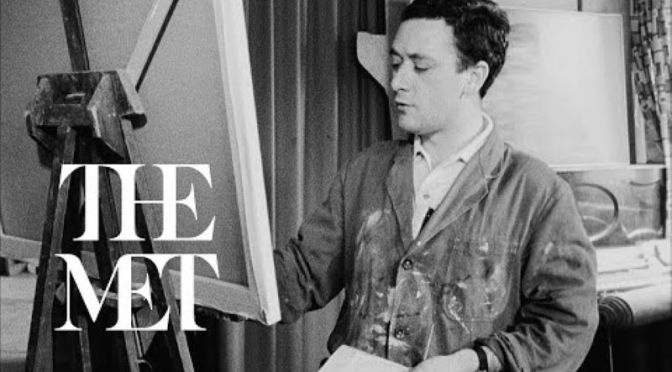

 David Hockney, (born 9 July 1937) is a British painter, draftsman, printmaker, stage designer, and photographer. As an important contributor to the pop art movement of the 1960s, he is considered one of the most influential British artists of the 20th century.
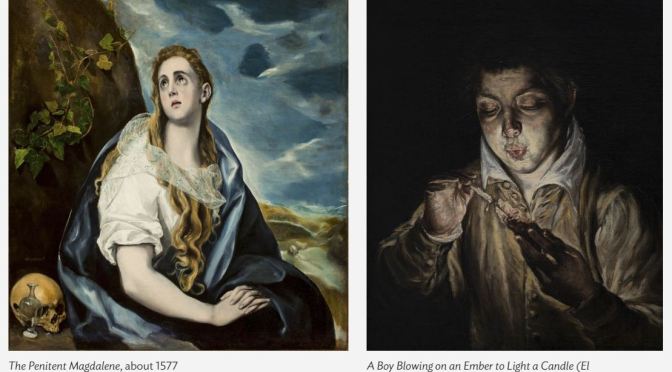
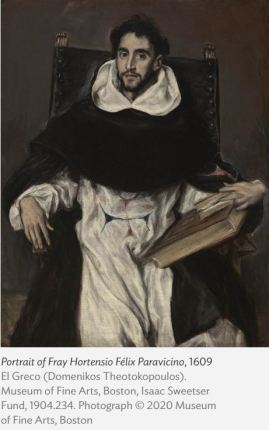 Born in Crete as Domenikos Theotokopoulos (1541–1614), El Greco trained in the traditional manner of Byzantine icon painting. He moved to Venice in 1567 to learn a new artistic approach, absorbing developments in Venetian Renaissance painting through the lens of artists such as Titian and Tintoretto. The works El Greco painted during his time in Venice, however, reveal both his embrace of and struggles to fully adapt to this manner of painting.
 Following this transformative period, El Greco went to Rome, probably in an attempt to attract patronage within the papal circle. There his acceptance into the elevated circle of Cardinal Alessandro Farnese brought a close association with the painter Giulio Clovio and the erudite historian and collector Fulvio Orsini. El Greco’s portraits, allegories, and religious paintings between 1570 and 1577 reflect these relationships as well as his complicated engagement with Michelangelo and other artistic luminaries of the 16th century.
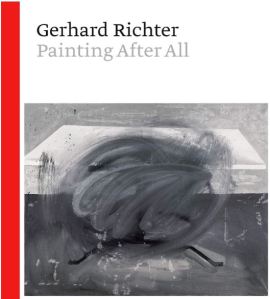 Over the course of his acclaimed 60-year career, Gerhard Richter (b. 1932) has employed both representation and abstraction as a means of reckoning with the legacy, collective memory, and national sensibility of post–Second World War Germany, in both broad and very personal terms.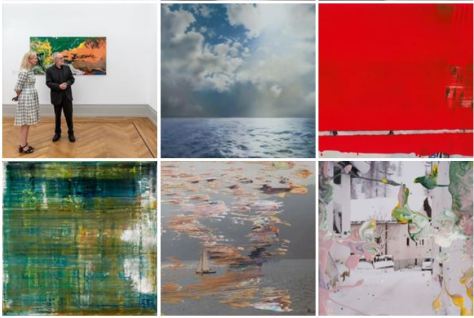
 New essays by eminent scholars address a variety of themes: Sheena Wagstaff evaluates the conceptual import of the artist’s technique; Benjamin H. D. Buchloh discusses the poignant Birkenau paintings (2014); Peter Geimer explores the artist’s enduring interest in photographic imagery; Briony Fer looks at Richter’s family pictures against traditional painting genres and conventions; Brinda Kumar investigates the artist’s engagement with landscape as a site of memory; André Rottmann considers the impact of randomization and chance on Richter’s abstract works; and Hal Foster examines the glass and mirror works. As this book demonstrates, Richter’s rich and varied oeuvre is a testament to the continued relevance of painting in contemporary art.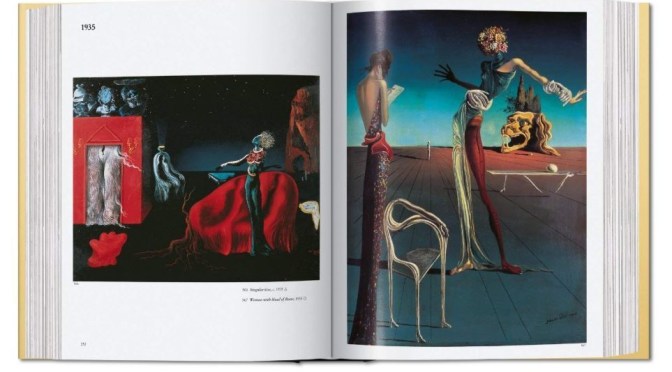
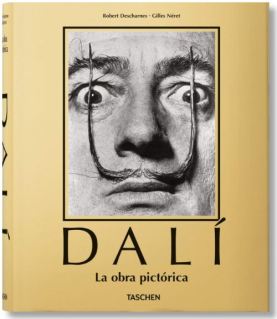 The study is divided into two parts: the first examines Dalí’s beginnings as an unknown artist. We witness how the young Dalí deployed all the isms―Impressionism, Pointillism, Cubism, Fauvism, Purism and Futurism―with playful mastery, and how he would borrow from prevailing trends before ridiculing and abandoning them. The second part unveils the conclusions of Dalí’s lifelong inquiries, as well as the great legacy he left in works such as Tuna Fishing (1966/67) or Hallucinogenic Toreador (1970). It includes previously unpublished homages to Velázquez or Michelangelo, painted to the same end as the variations on past masters done by his contemporary, Picasso.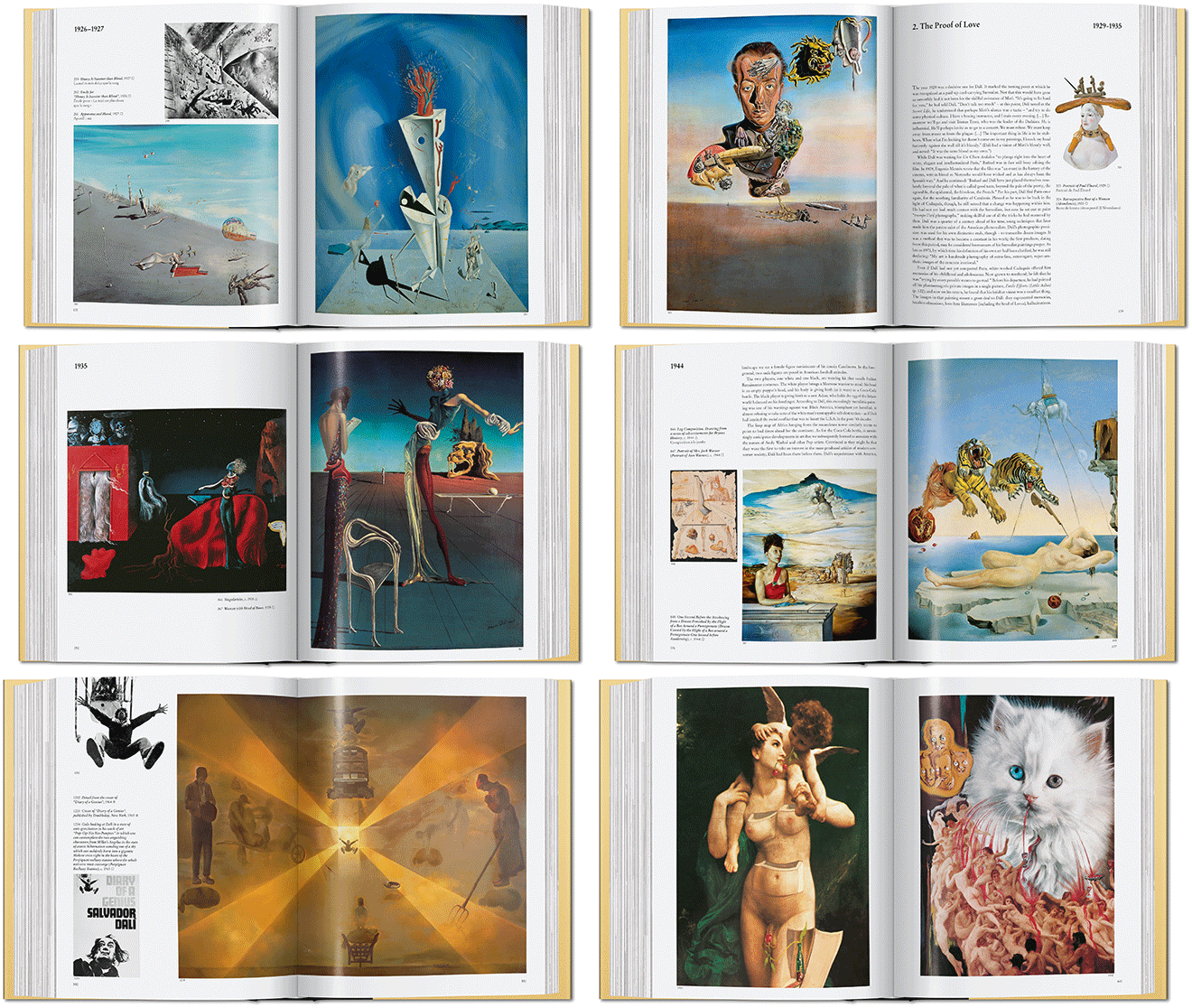
 Intellicurious