Tag Archives: Science

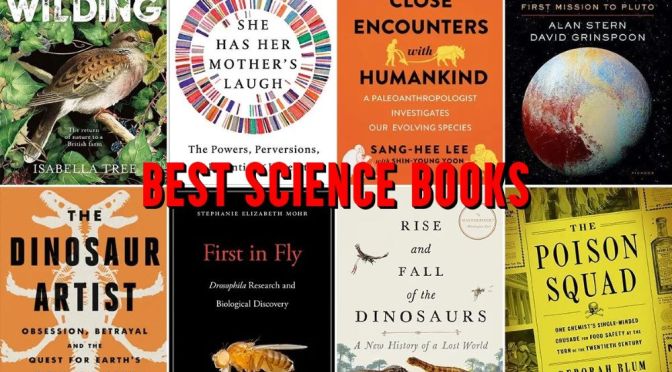
Awards: The Top Science + Literature Books Of 2025

Announcing the 2025 Science + Literature Titles - National Book Foundation

NATIONAL BOOK FOUNDATION (January 22, 2025): The National Book Foundation (NBF) and the Alfred P. Sloan Foundation today announced selected titles for the fourth year of the Science + Literature program.

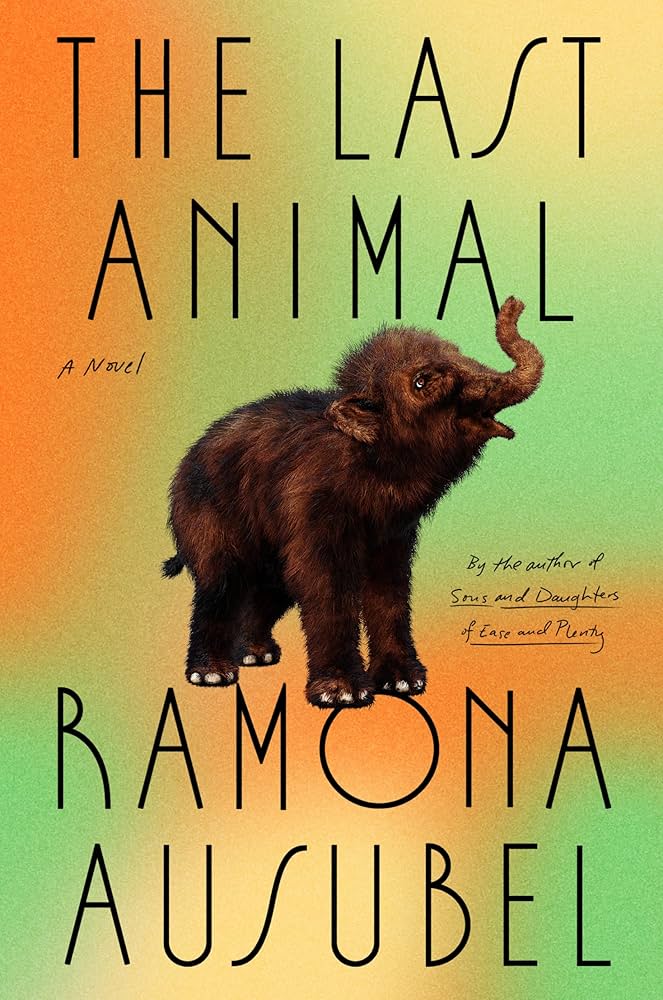
Ramona AusubelThe Last Animal

The Last Animal: A Novel

Riverhead Books / Penguin Random House

“…follows two teenage sisters who join their mother—a paleontology graduate student—on scientific expeditions near and far. Ausubel’s novel captures the wonder of scientific discovery as Jane and her daughters navigate grief, sexism, and a journey to find a wooly mammoth and themselves.

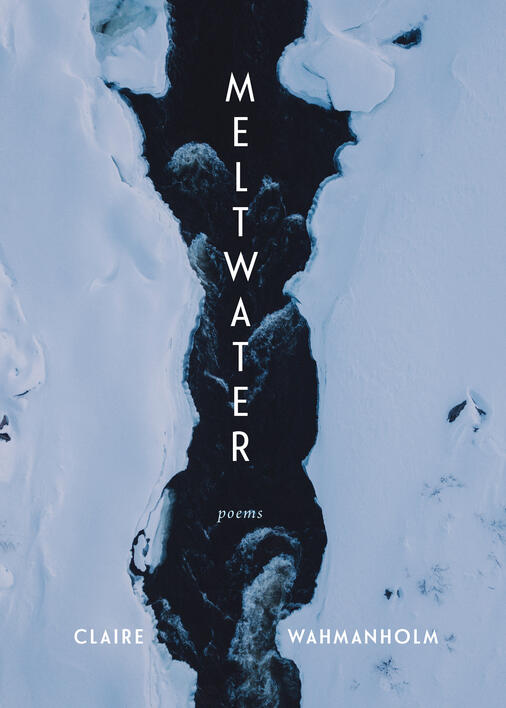
Claire WahmanholmMeltwater

Milkweed Editions

“…dissects the vulnerability of parenthood and our natural world, with embedded erasure poems of Lacy M. Johnson’s “How to Mourn a Glacier” throughout the collection. Meltwater simultaneously mourns the disastrous effects of the climate crisis while finding moments of joy in the everyday through the eyes of a new mother.

Ed YongAn Immense World: How Animal Senses Reveal the Hidden Realms Around Us
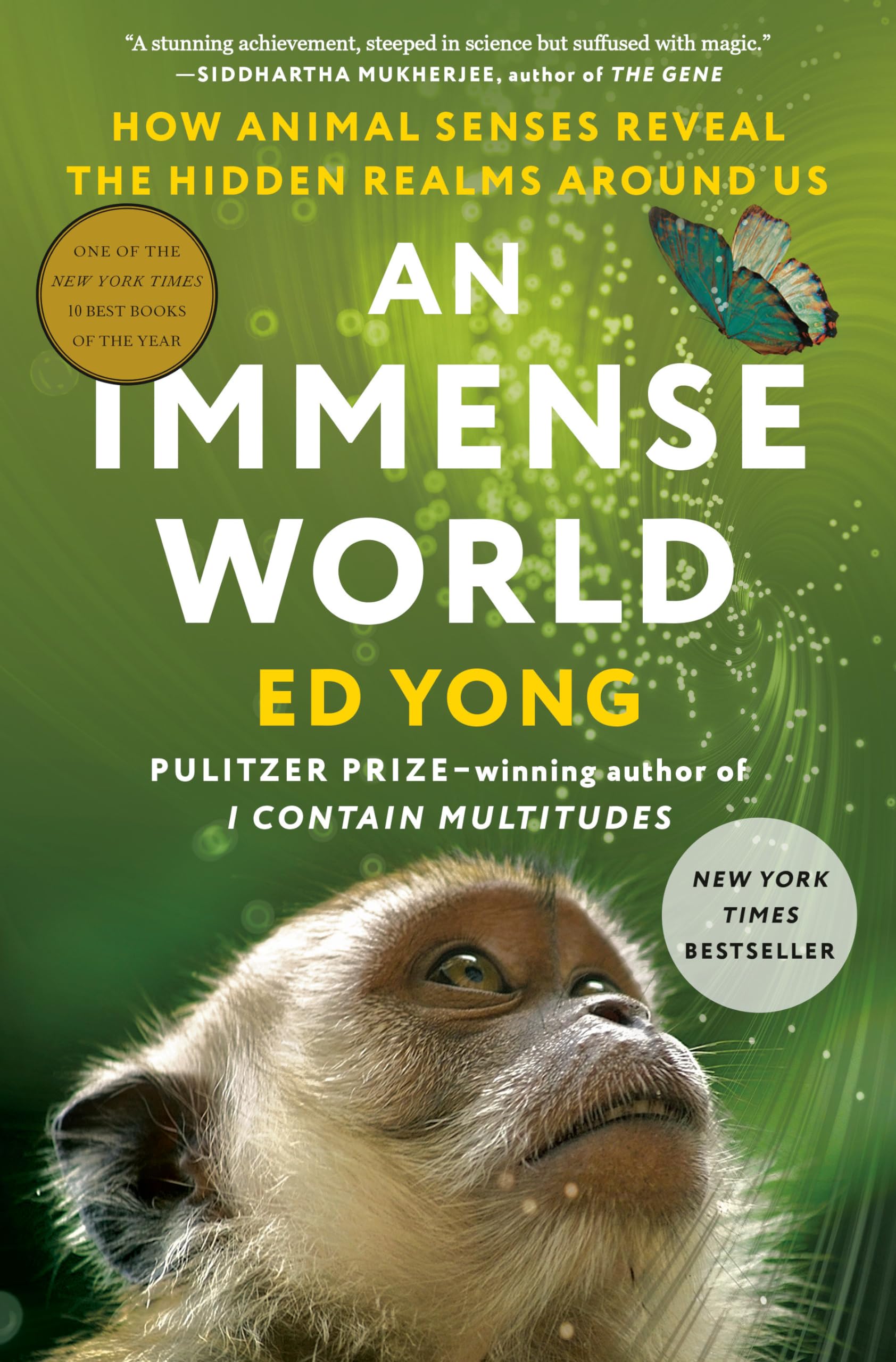
An Immense World: How Animal Senses Reveal the Hidden Realms Around Us:  Yong, Ed: 9780593133231: Amazon.com: Books

Random House / Penguin Random House

“…invites readers into the remarkable sensory worlds of birds, bugs, crocodiles, dogs, and many other animals to show us how these creatures experience the world. Yong argues that all creatures, humans included, have their own unique way of perceiving their surroundings, making the case for why we must collectively protect our biologically diverse planet.”
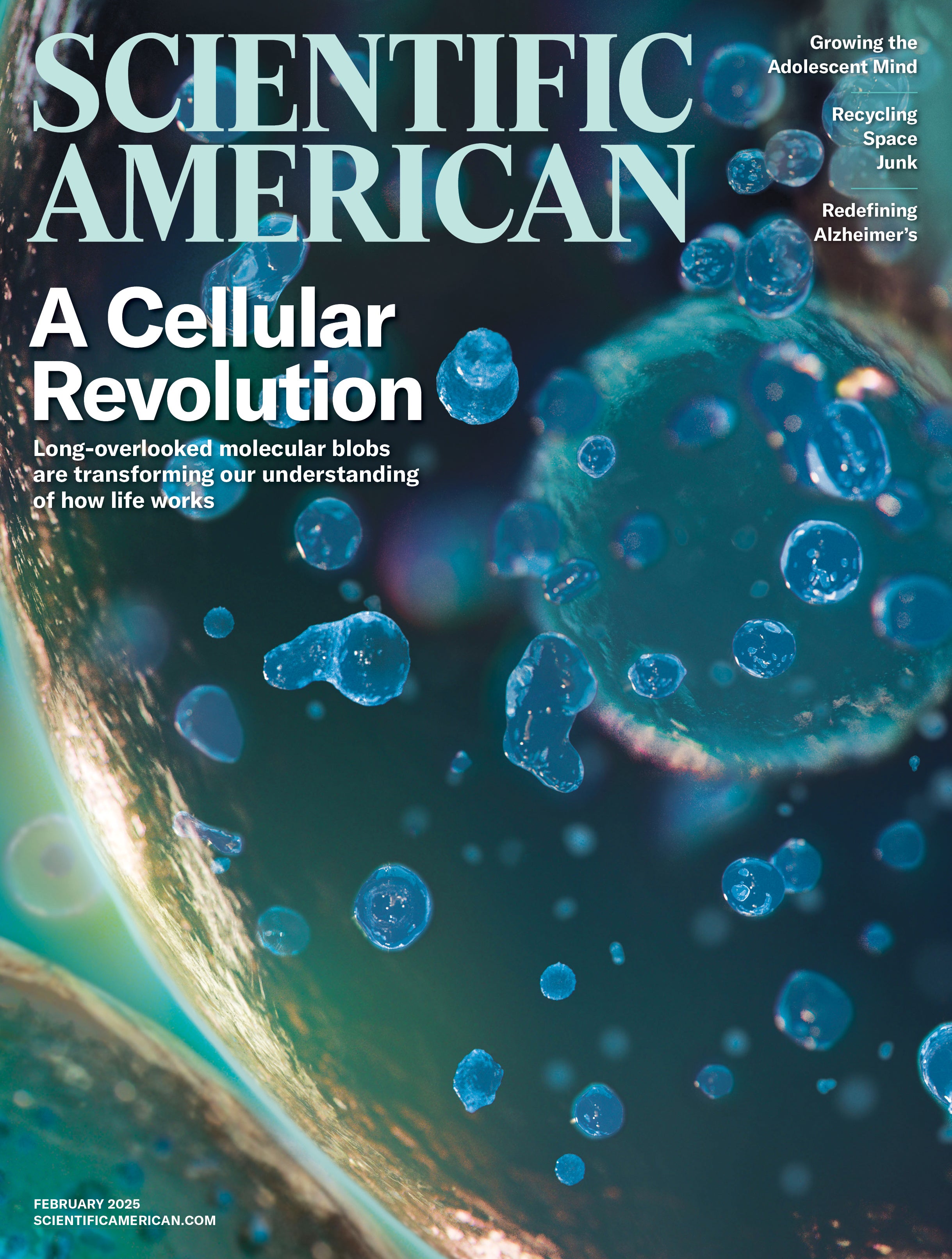
Scientific American Magazine – February 2025

Scientific American

SCIENTIFIC AMERICAN MAGAZINE (January 21, 2025): The latest issue features ‘A Cellular Revolution’ – Long-overlooked molecular blobs are transforming our understanding of how life works….

Mysterious Blobs Found inside Cells Are Rewriting the Story of How Life Works

Tiny specks called biomolecular condensates are leading to a new understanding of the cell

Why We Need to Reduce, Reuse and Recycle in Space

Crushed Rocks Could Be the Next Climate Solution

How Neandertal DNA May Affect the Way We Think

Transcendent Thinking May Boost Teen Brains

Controversial New Guidelines Would Diagnose Alzheimer’s before Symptoms Appear

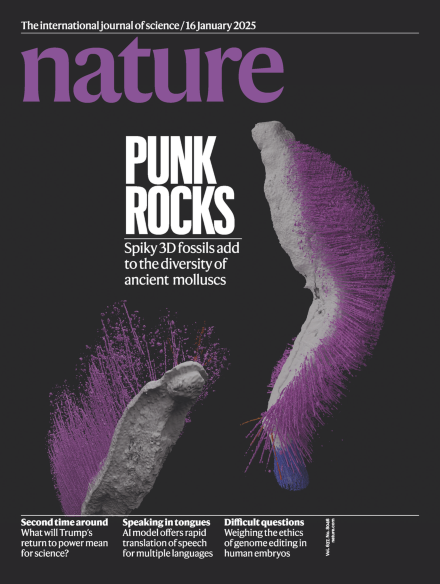
Science: Nature Magazine – January 16, 2025 Preview

Volume 637 Issue 8046

NATURE MAGAZINE (January 15, 2025): The latest issue features ‘Punk Rocks’ – Spiky 3D fossils add to the diversity of ancient molluscs…

Male spiders smell with their legs

Sensory organs on the walking legs of the male wasp spider can catch the scent of a female in a mood for romance.

Particle accelerators get an assist from AI co-pilots

Large language models can propose fine-tuning adjustments for an electron accelerator in Germany.

How the brain cleans itself during deep sleep

Blood vessels in the brain rhythmically constrict and dilate to drive waves of cleansing fluid through the organ.

Cosmic carnage: planetary rubble spotted at a dying star

Dust cloud is thought to be the first debris disk to be seen around a planetary nebula.

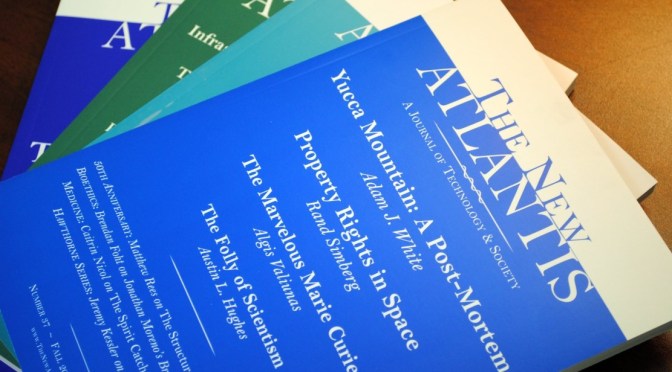
Culture: The New Atlantis Journal – Winter 2025

Image

THE NEW ATLANTIS JOURNAL (January 14, 2025): The latest issue features…

The New Control Society

The gatekeepers are dying. Why is everything so mid?

We Live Like Royalty and Don’t Know It

Introducing “How the System Works,” a series on the hidden mechanisms that support modern life

The Tyranny of Now

There’s no time like the present to revisit the warning of forgotten media theorist Harold Innis: “Enormous improvements in communication have made understanding more difficult.”

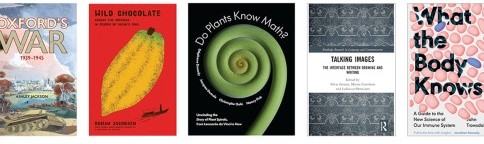
Nature Magazine: Top New Science Books Of 2025

SCIENCE MAGAZINE (January 13, 2025): Pictograms, comics and other illustrations: Andrew Robinson reviews five of the best science picks.

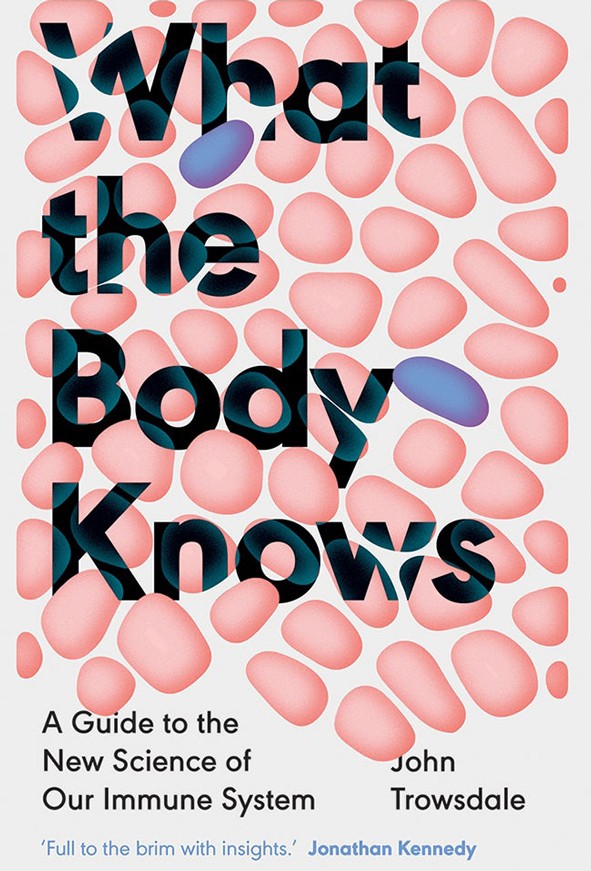
What the Body Knows

John Trowsdale Yale Univ. Press (2024)

To understand the body, “we might picture the heart as a pump, the brain as a kind of computer, the lungs as bellows, the kidney as filters”. But what about the immune system — asks immunologist John Trowsdale in his engaging analysis. It has no straightforward analogy, operating simultaneously as an antiviral software, a surveillance camera, a weapons system and a way to share resources. The system is “unobtrusive yet extensive, nowhere and everywhere, redundant yet essential, powerful yet remote”.

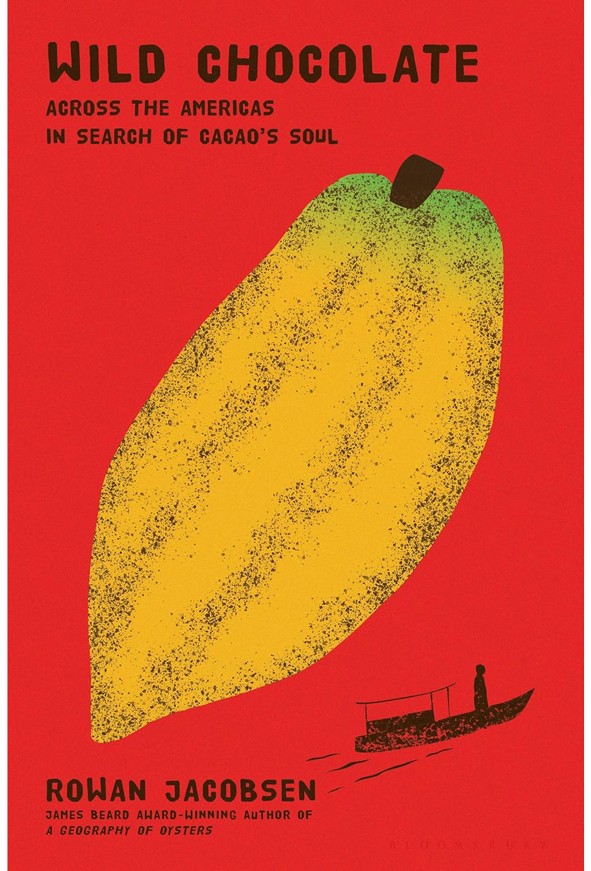
Wild Chocolate

Rowan Jacobsen Bloomsbury (2024)

When residue inside decorative pots from ancient Mexico was analysed, it yielded traces of cacao — early evidence of cocoa consumption. The Spanish word chocolate might have been influenced by the Nahuatl (Aztec) cacahuatl, or cacao water. Journalist Rowan Jacobsen’s appealing book explores wild chocolate’s history as he travels through Central and South America, meeting chocolate makers, activists and Indigenous leaders who revive the bean’s variety in taste and prestige, lost during its modern industrial manufacture.

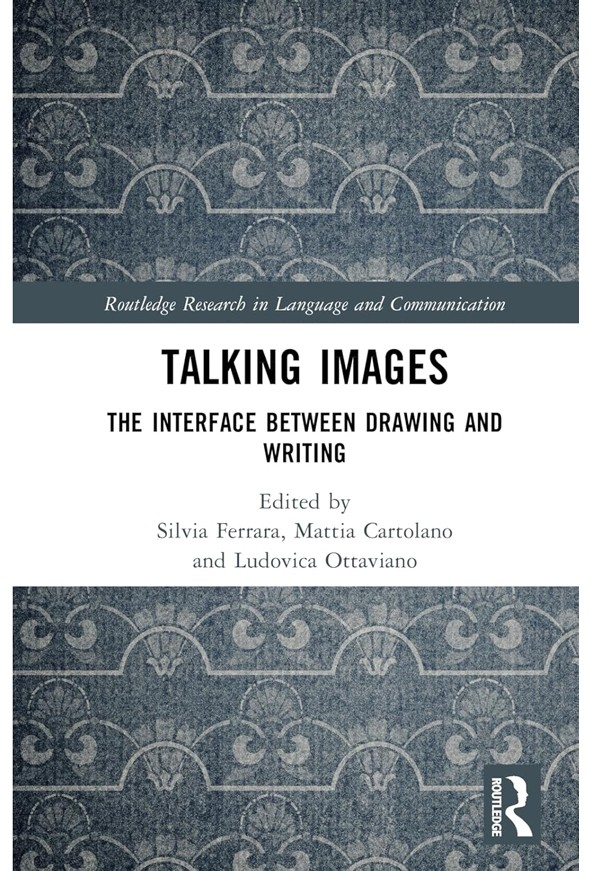
Talking Images

Eds Silvia Ferrara et alRoutledge (2024)

The logo of the Beijing 2008 Paralympic Games was a figure with a red dot ‘head’, blue ‘body’ and single, straight green ‘leg’ — adapted from the Chinese character zhi, meaning ‘birth, life’, ‘arrival’ and ‘achievement’. It is one of a huge variety of “talking images” in a collection edited by three scholars interested in writing. Images range from Palaeolithic symbols and ancient Mesopotamian pictograms to modern Chinese calligraphy and Indian comics. The book traces links between images, marks, language and writing.

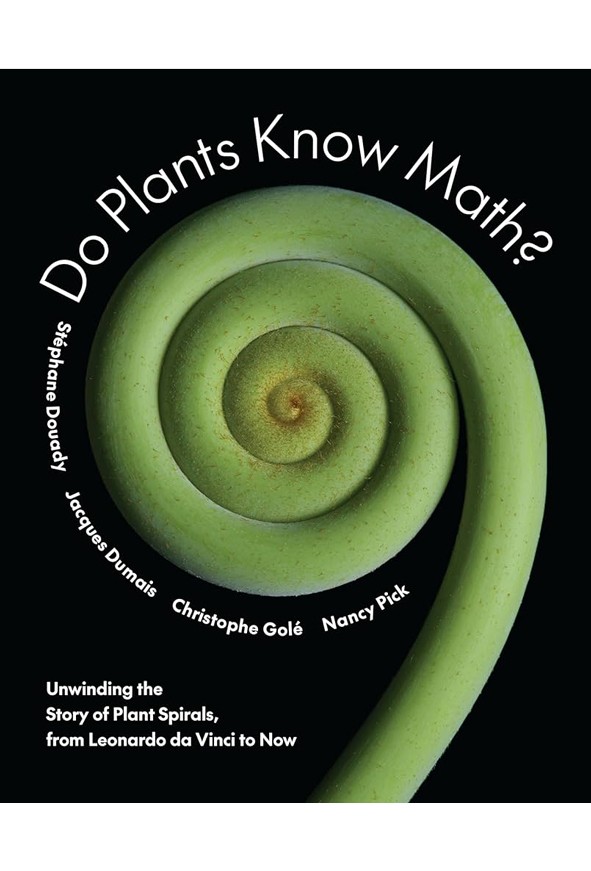
Do Plants Know Math?

Stéphane Douady et al. Princeton Univ. Press (2024)

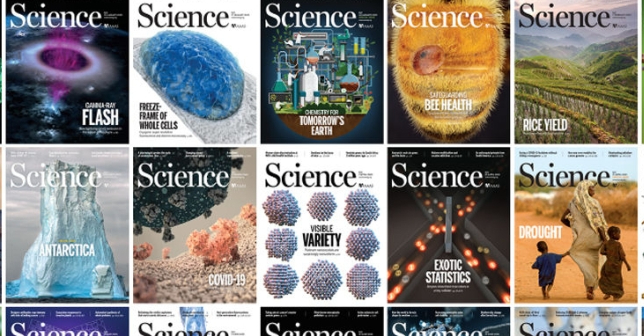
Science Magazine —- January 10, 2025 Issue

Science issue cover

SCIENCE MAGAZINE (January 9, 2025): The latest issue features ‘Not Skipping Meals’ – A narrow diet not responsible for extinction of short-faced kangaroos…

Fish could personalize cancer treatments

The first clinical trial of zebrafish embryos acting as cancer “avatars” will start soon

‘Good boring’: How Bluesky is shaping scientists’ discourse

The fast-growing platform may be more equitable than X, but gives scientists a smaller stage

Dogs sniff out truffles—in the name of science

Their keen noses are helping researchers uncover the diversity of the Pacific Northwest’s underground fungi

How a neurotransmitter drives brainwashing during sleep

Pulsating blood vessels push fluid into and out of the brains of slumbering mice

Science: Nature Magazine – January 9, 2025 Preview

Volume 637 Issue 8045

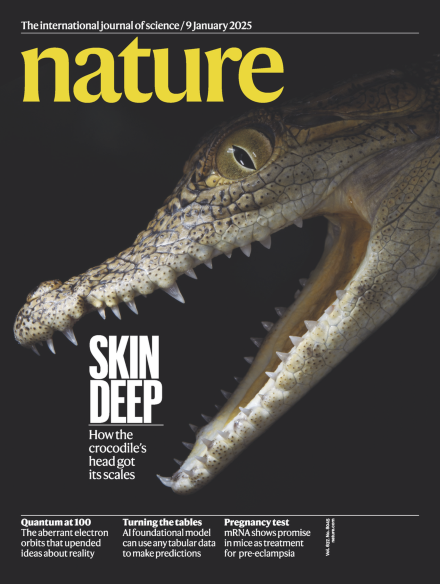
NATURE MAGAZINE (January 8, 2025): The latest issue features ‘Skin Deep’ – How the crocodile’s head got its scales…

This digital-memory device keeps its cool even at 600 °C

A battery-like technology uses a metal called tantalum to create an equivalent of digital 0s and 1s.

Fancy birds decorate nests with a natural pattern: snakeskin

The use of shed skins might help to ward off predators, experiments suggest.

A blood test detects aged cells

Proteins could serve as biomarkers for senescent cells, which have stopped dividing but have not yet died.

That Christmas jumper is a marvel of complicated physics

Models and experiments demonstrate what happens when a knitted fabric is deformed.

Research Preview: Science Magazine – Dec. 20, 2024

Science issue cover

Science Magazine (December 18, 2024): The latest issue features ‘Light Emission with a Twist’ – Hot, twisted carbon nanotube yarns emit bright circularly polarlized light…

Can psychedelics improve well-being in autism?

A brace of new studies probes benefits and risks for an understudied group

Thermal radiation with a twist

Carbon nanotube filaments with a twisted geometry emit spinning heat waves at high temperatures

Scientific American Magazine – January 2025

Image

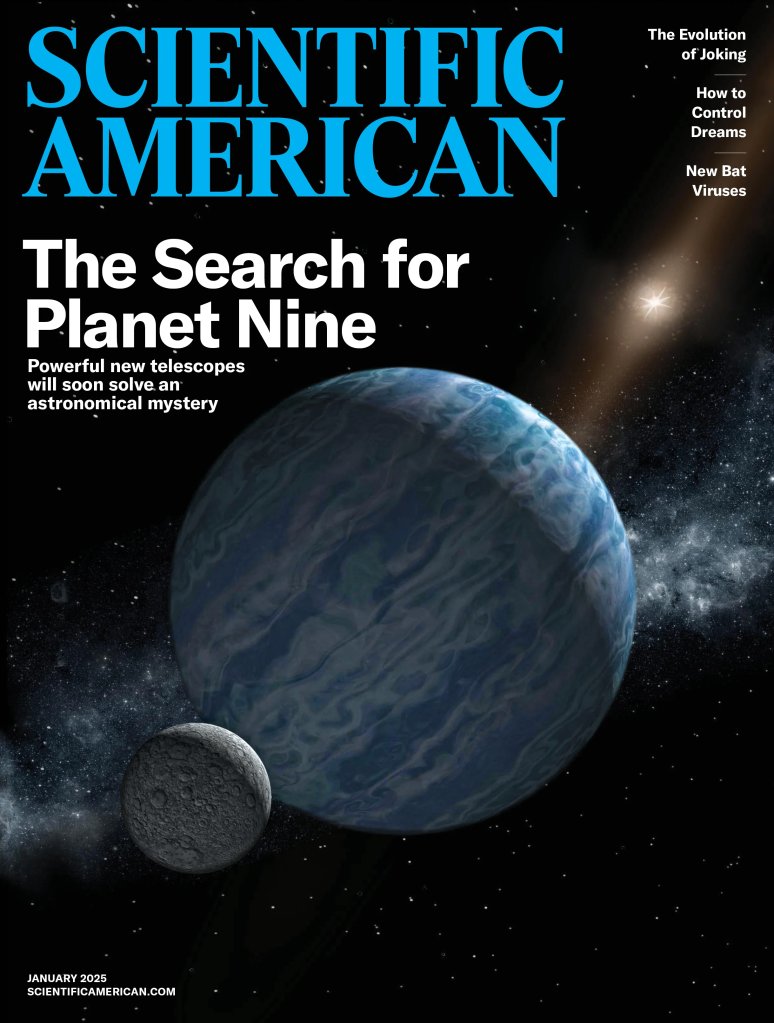
Scientific American (December 17, 2024): The latest issue features ‘The Search for Planet Nine’….

We May Be on the Brink of Finding the Real Planet Nine

If there’s a hidden world in the solar system, a new telescope should find it

Engineering Lucid Dreams Could Improve Sleep and Defuse Nightmares

Great Apes Joke Around, Suggesting Humor Is Older Than Humans