

On this week’s #SciencePodcast🎙: Looking back at the unfolding of the opioid crisis in the United States, printing proteins in gummy candy, and rounding up summer books.
— Science Magazine (@ScienceMagazine) July 9, 2021
🎧 Listen here: https://t.co/ACm26y73oQ pic.twitter.com/qZkYCPGikT
Tag Archives: Research
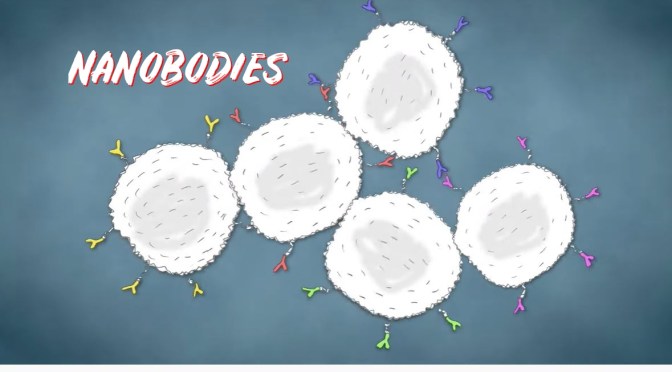
Harvard: ‘Nanobodies’ Evolved From Synthetic Antibody Fragments
A new approach developed by Harvard Medical School researchers uses yeast to rapidly evolve synthetic antibody fragments called nanobodies with the aim to find variants that are effective at binding to selected antigens, including SARS-CoV-2. The antibodies are intended for use in diagnostic tests and disease treatments. Read the full story: https://hms.harvard.edu/news/antibody…
Science Podcast: Botox & Depression, Fruit Fly Sex Drive And New Books
First this week, Contributing Correspondent Cathleen O’Grady talks with host Sarah Crespi about controversy surrounding the use of Botox injections to alleviate depression by suppressing frowning.
Next, researcher Stephen Zhang, a postdoctoral fellow at the Beth Israel Deaconess Medical Center, discusses his Science Advances paper on what turns on the fruit fly sex drive. Finally, we are excited to kick off a six-part series of monthly interviews with authors of books that highlight the many intersections between race and science and scientists. This week, guest host and journalist Angela Saini talks with Keith Wailoo, professor of history and public affairs at Princeton University, who helped select the topics about the books we will be covering and how they were selected.
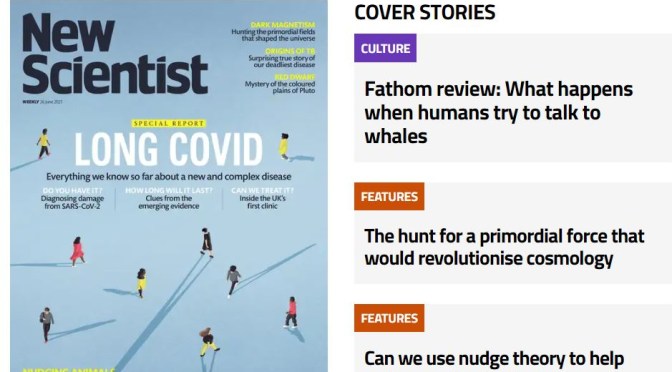
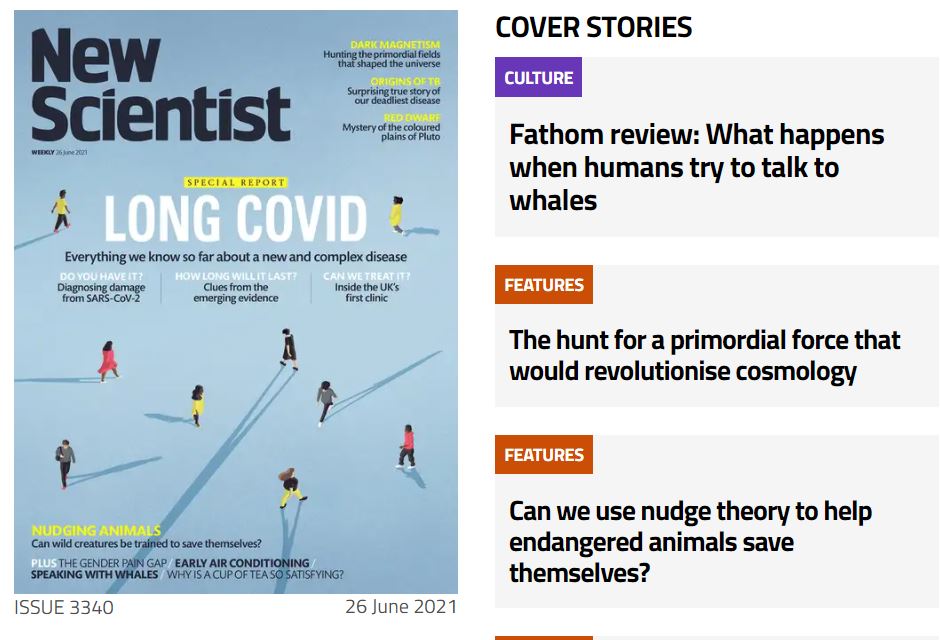
Top Magazine Issues: New Scientist – June 26, 2021
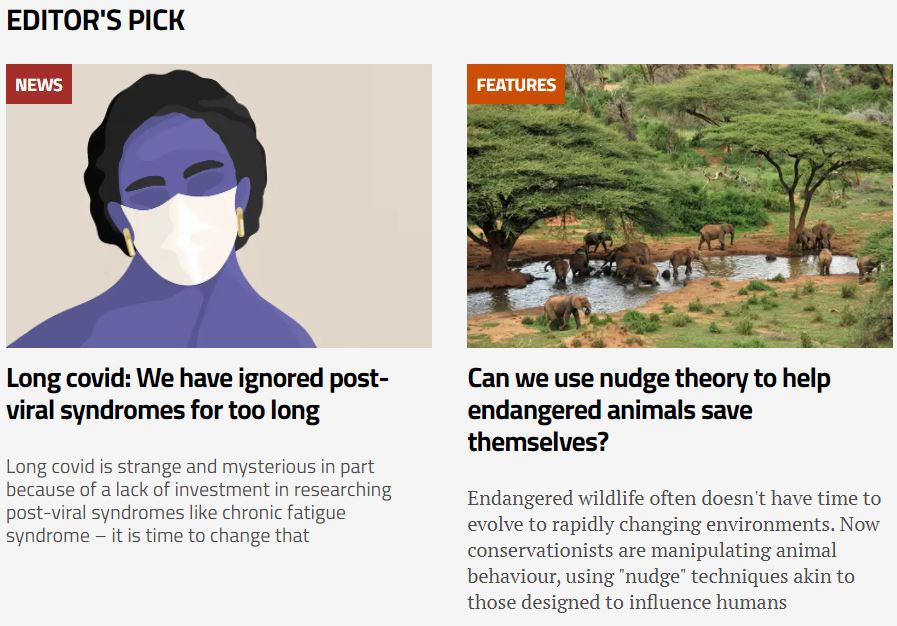
Long covid is strange and mysterious in part because of a lack of investment in researching post-viral syndromes like chronic fatigue syndrome – it is time to change that…

Read more
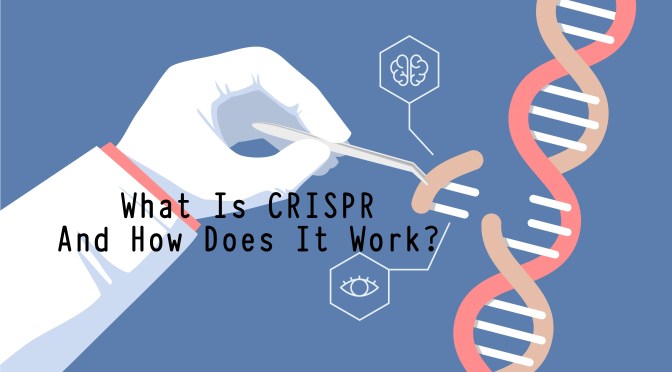
Science: What Is CRISPR And How Does It Work?
This revolutionary gene-editing system has taken science by storm. CRISPR is the basis of a revolutionary gene editing system. One day, it could make it possible to do everything from resurrect extinct species to develop cures for chronic disease.
CRISPR is a family of DNA sequences found in the genomes of prokaryotic organisms such as bacteria and archaea. These sequences are derived from DNA fragments of bacteriophages that had previously infected the prokaryote. They are used to detect and destroy DNA from similar bacteriophages during subsequent infections.
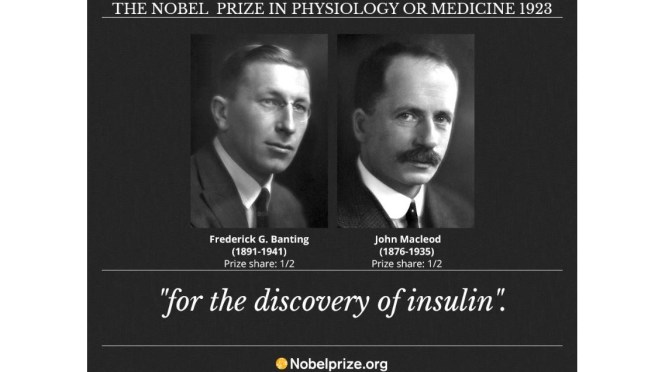
Medical History: The Discovery Of Insulin
Nearly 100 years since insulin was first used in the treatment of diabetes, Professor Chantal Mathieu, Professor of Medicine at the Katholieke Universiteit Leuven, Belgium, takes us through the history, development and future of this life saving drug. Read more in https://www.nature.com/articles/d4285…
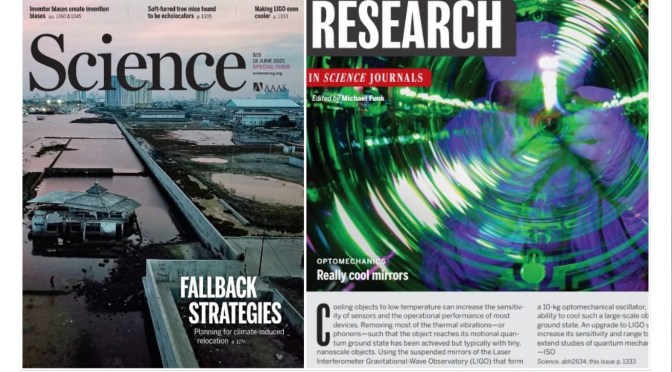
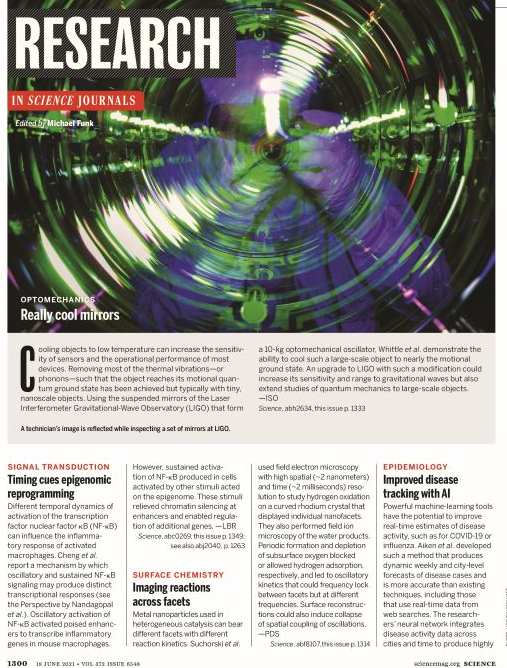
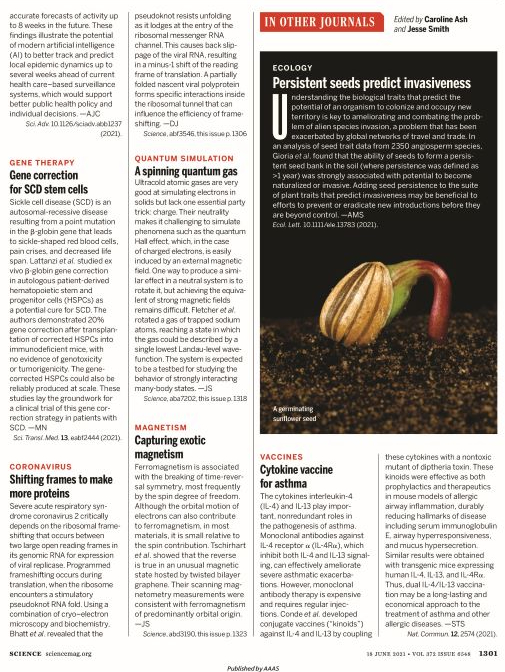
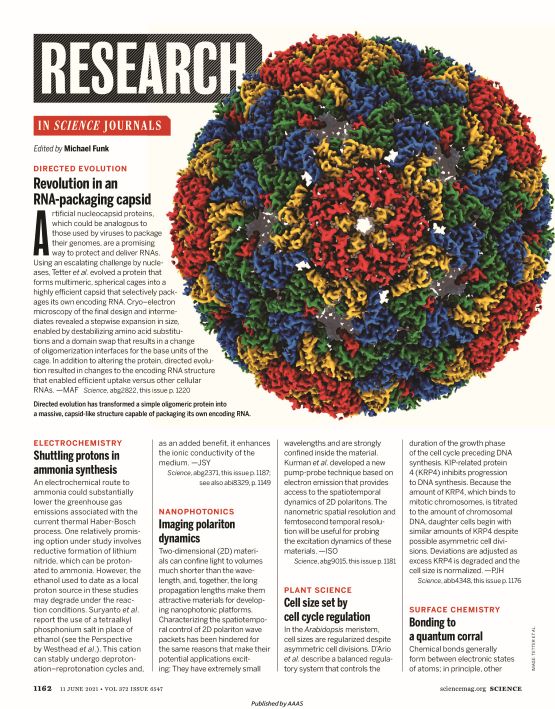
TOP JOURNALS: RESEARCH HIGHLIGHTS FROM SCIENCE MAGAZINE (JUNE 18, 2021)
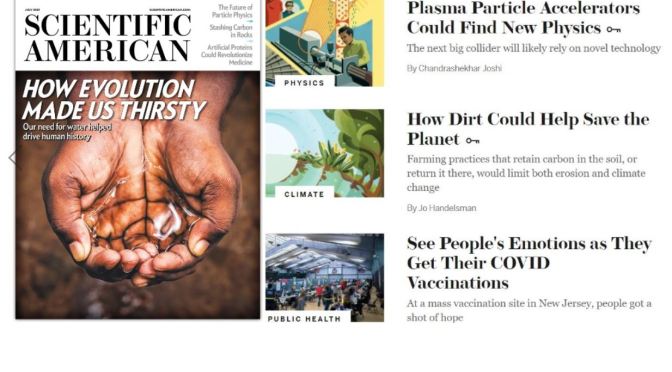
Magazines: Scientific American – July 2021
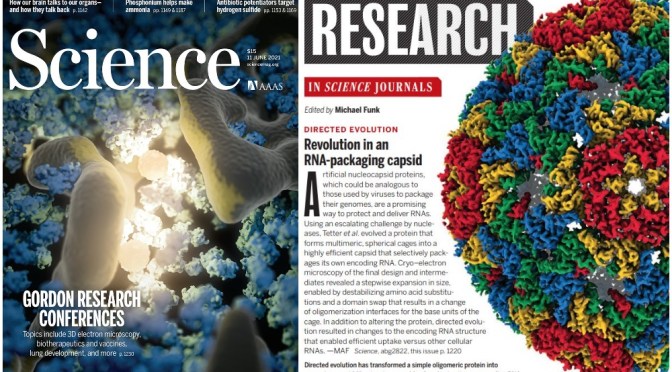
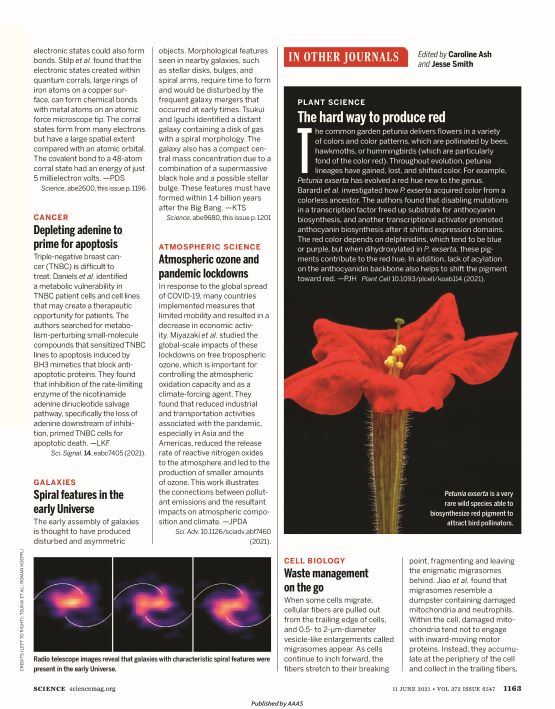
TOP JOURNALS: RESEARCH HIGHLIGHTS FROM SCIENCE MAGAZINE (JUNE 11, 2021)
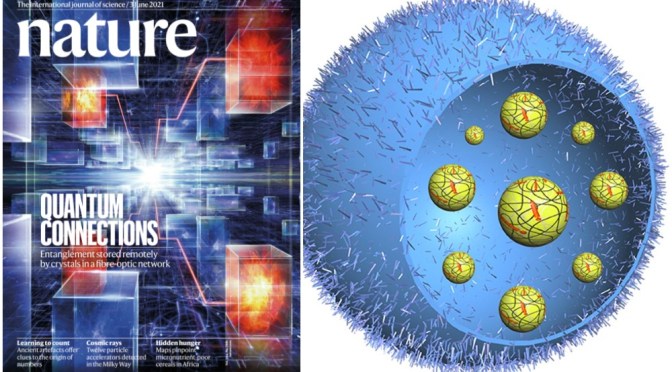
Research Highlights: Nature – June 3, 2021
 Intellicurious