
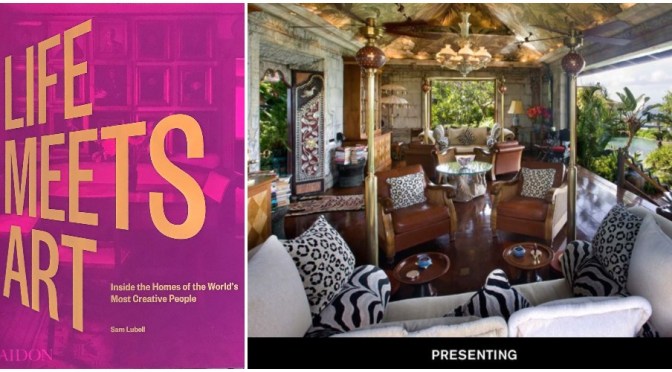
An inspiring collection of the extraordinary private spaces of 250 of the world’s most creative people, past and present
Life Meets Art is an unparalleled behind-the-scenes tour of some of the most fascinating, inspirational and unique home interiors in the world. The living spaces of hundreds of the globe’s most talented people in the spheres of art, design, fashion, literature, music, and film, here provide inspiration for anyone fascinated by stylish living, creative interior design and the myriad possibilities for home decor. It’s a fascinating glimpse into the homes of some of the greatest creatives in history — painters, sculptors, novelists, poets, fashion designers, composers, musicians, architects, and more.
AUTHOR: Sam Lubell has written eight books about architecture, including California Captured and two travel guides to mid-century modern architecture in the USA, all from Phaidon. He is a contributing editor at The Architect’s Newspaper and writes for the New York Times, Los Angeles Times, The Atlantic, Architectural Record, Architectural Review, and other publications.

 NYT Explorer. 100 Trips Around the World takes travel beyond the obvious with adventures in exotic places and new perspectives in familiar ones, all based on the distinguished travel journalism of The New York Times. Each journey features a first-person narrative and postcard-perfect photography, capturing the unique personality of the destination—as well as practical information to help get you on your way.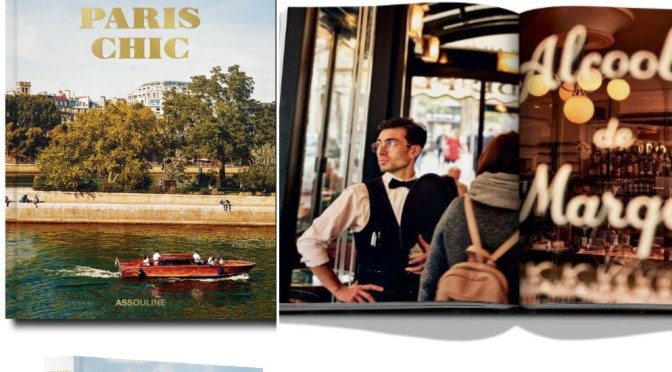
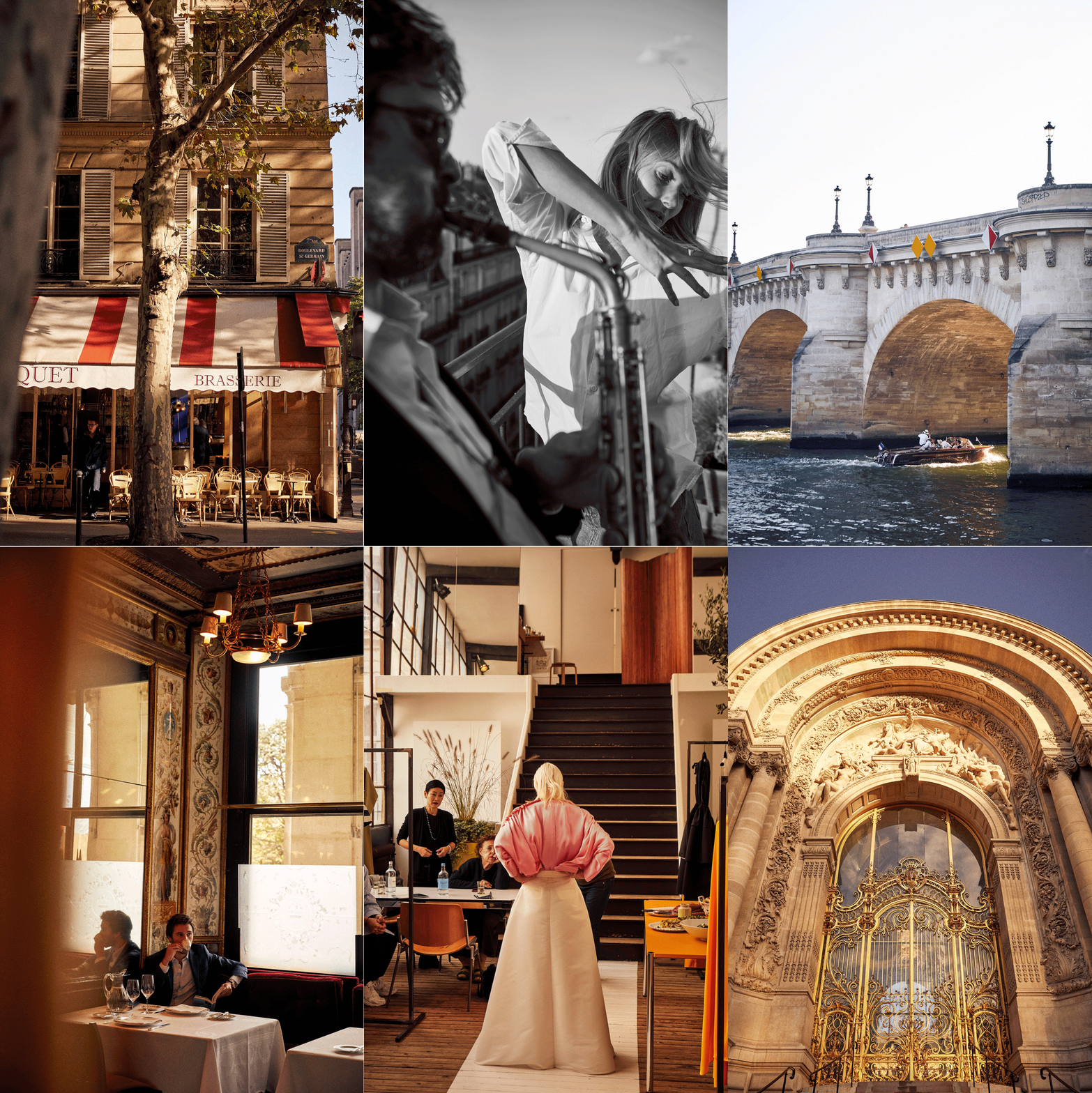


 Whether snow-capped, rocky, or covered with verdant forest, the sublime wilderness of mountains has inspired humans for millennia. Offering respite from urban living and a profound connection to nature, mountain landscapes also present unique challenges that have resulted in innovative, resourceful, and beautiful residential architecture. Living in the Mountains is the definitive global tour, showcasing the finest examples of architect-designed homes, whether furnished with impressive views, offering protection from harsh environments, or simply reveling in their extraordinary altitude.


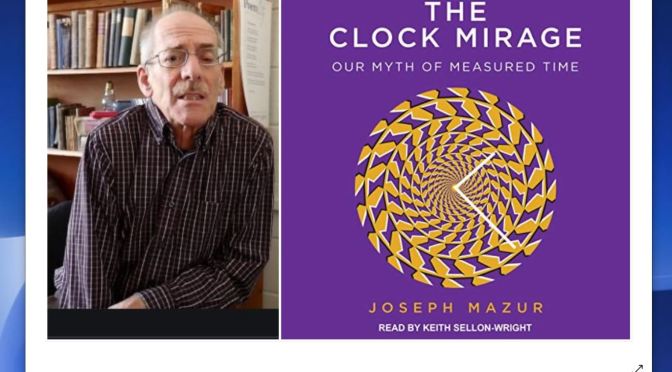
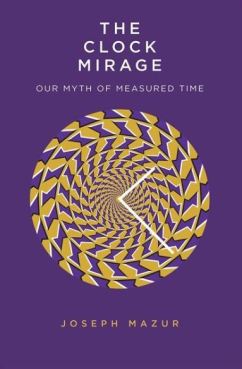 With a narrative punctuated by personal stories of time’s effects on truck drivers, Olympic racers, prisoners, and clockmakers, Mazur’s journey is filled with fascinating insights into how our technologies, our bodies, and our attitudes can change our perceptions. Ultimately, time reveals itself as something that rides on the rhythms of our minds. The Clock Mirage presents an innovative perspective that will force us to rethink our relationship with time, and how best to use it.
 Intellicurious