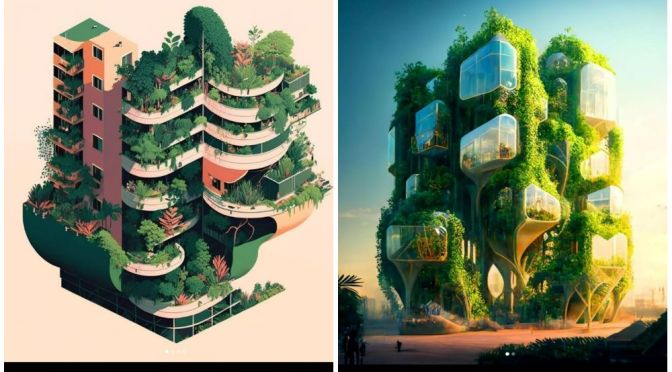
designboom – Taking their cues from Haussmann’s work, the architects at Vincent Callebaut Architecture continue to explore the concept of climate and energy solidarity by using new artificial intelligence tools.
The French architects draw inspiration from existing buildings, as well as ecosystem feedback loops and biomimetics, to create a series of green, organic structures distributed throughout Paris. Through a sensitive and contemporary dialog that preserves the historical heritage of the French capital, the project creates islands of urban freshness by reviving nature, biodiversity and permaculture urban agriculture in the heart of the city.
Chat GPT is the world’s most powerful AI chatbot. It offers a human-like alternative to search engines and can do everything from compile a menu to writing a TV script to explaining quantum physics. Could it also transform the jobs of hundreds of millions of people?
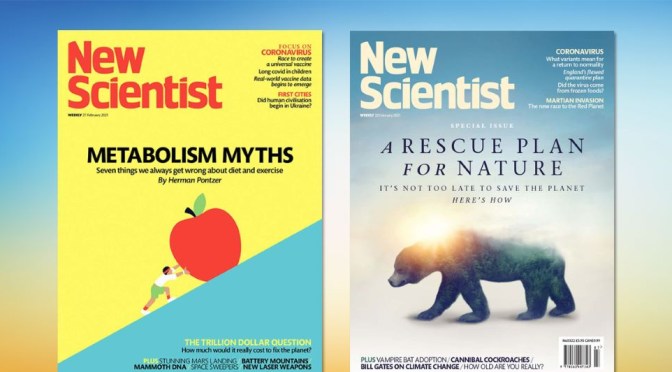
If we can’t measure something, we can’t know its true nature. This fundamental limitation hampers our understanding of the quantum world – but it doesn’t preclude scientific thinking
From weather to the structure of proteins, some things are predictable in theory, but too complex to figure out in practice. But the rise of artificial intelligence is changing that fast
We will never fully know what pain, colour and love are really like for other people – never mind other animals. That means we may never know if we have created sentient AI
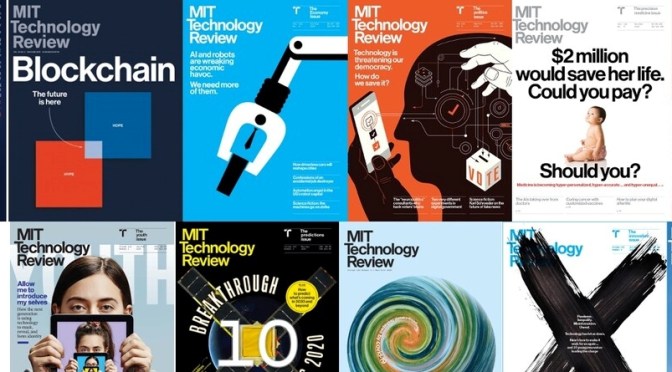
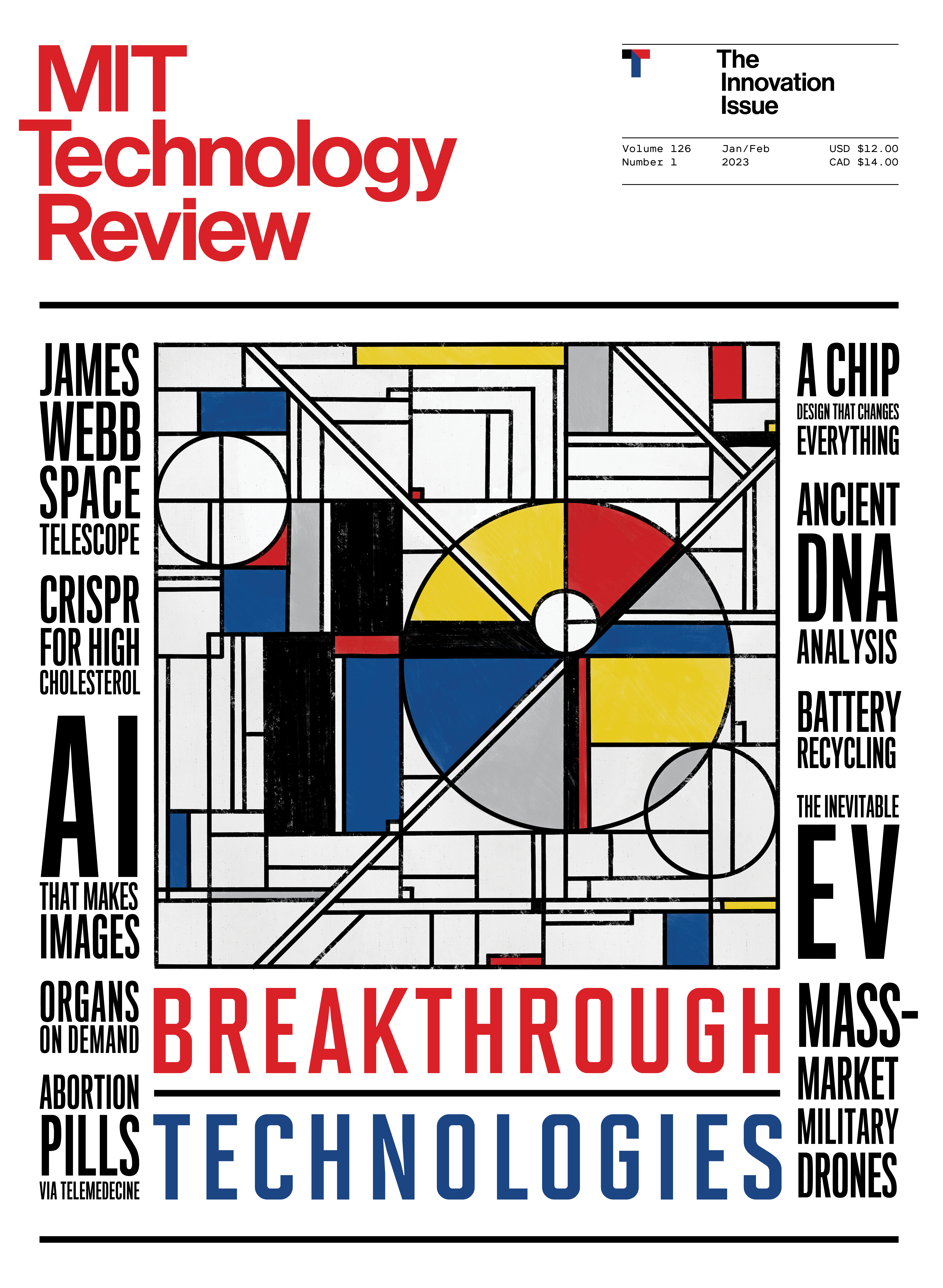
Our annual look at 10 Breakthrough Technologies—including CRISPR for high cholesterol, battery recycling, AI that makes images, and the James Webb Space Telescope—that will have a profound effect on our lives. Plus care robots, 3-D printing pioneers, and chasing bugs on the blockchain.
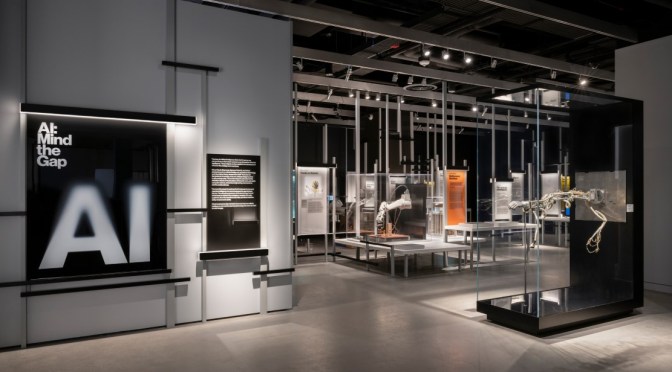
PBS NewsHour – Artificial intelligence, robotics and gene sequencing are the stuff of headlines, science fiction and sometimes even our worst fears. It’s all on view at the new MIT Museum. A place where the latest scientific advancements fill galleries, but only really work with your input. Special correspondent Jared Bowen of GBH Boston looks at this artistic frontier for our arts and culture series, “CANVAS.”
From AI in the home to robots in the workplace, the presence of AI all around us compels us to question its potential and recognize the risks. What has become clear is that the more we advance AI technology and consider machine ability versus human ability, the more we need to mind the gap.
designboom – Over the past year, the field of design has seen a dramatic shift with artists and architects alike increasingly adapting innovative technologies to explore and expand the bounds of their creative practices.
illustrative capabilities of AI-powered design programs
Perhaps the most sensational innovation has been the wave of AI-powered design programs, kicking off with DALL-E which quickly consolidated its place in the framework of popular culture, taken further by Midjourney from which a blurred but exciting reality emerged, to Stable Diffusion which moreover has made this work open source.
New fossil discoveries show predatory marine reptiles from 200 million years ago may have been bigger than today’s blue whales – and that they evolved astonishingly rapidly
The coming year will be a turning point for the Amazon rainforest, artificial intelligence and even our diets. Let’s choose a more hopeful direction for humanity
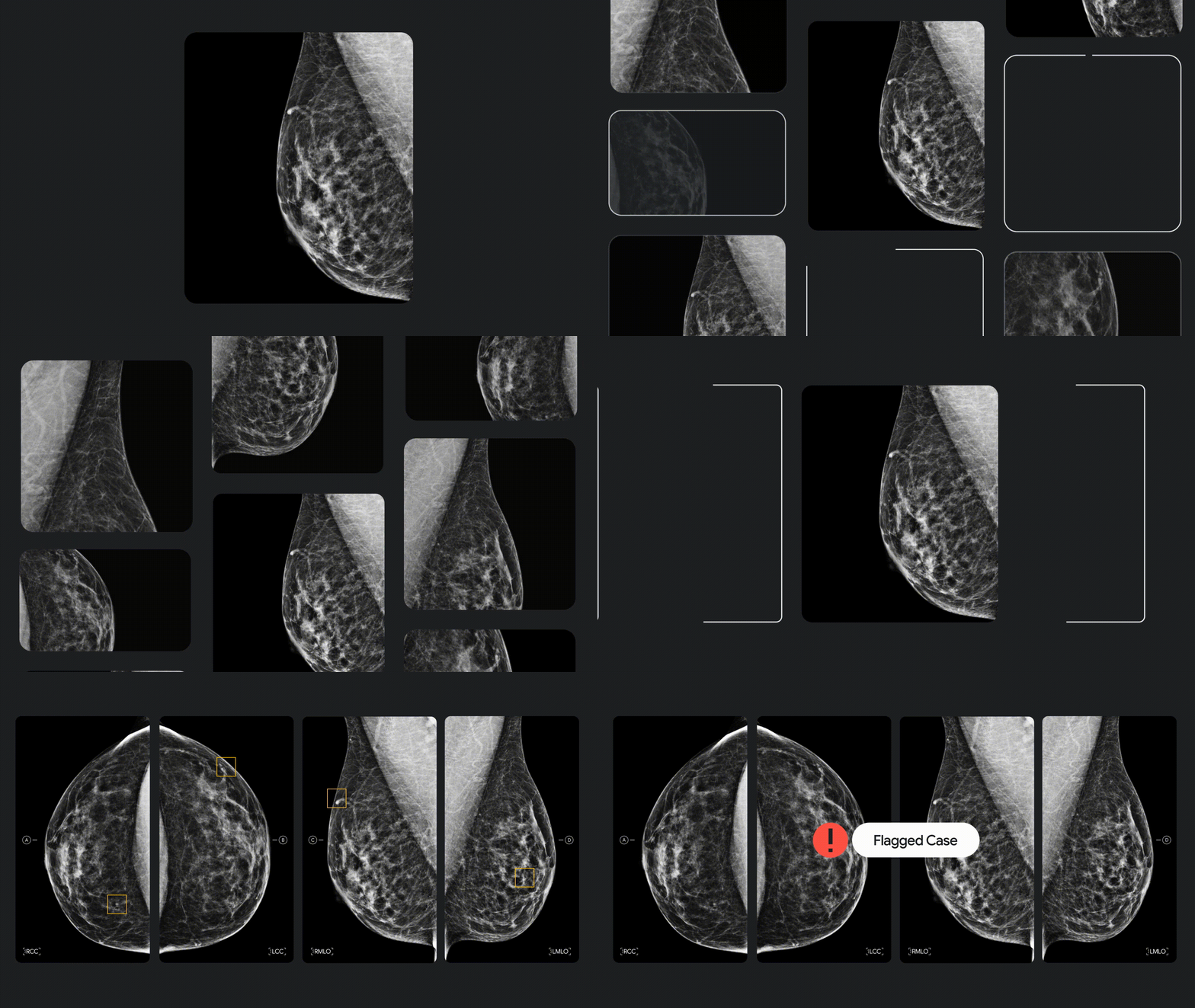
Greg Corrado – Ph.D., Head of Health AI, November 28, 2022:
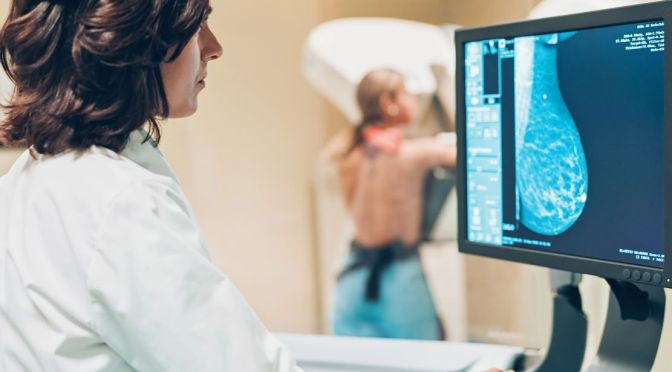
Alongside licensing our AI technology, iCAD will also use Google Cloud’s secure, scalable infrastructure, giving them the ability to rapidly expand cloud-hosted solutions into new regions. By doing so, iCAD can scale access to AI-based tools in underserved regions where infrastructure challenges may constrain their ability to offer breast cancer screenings.
Breast cancer is one of the world’s most common cancers; thankfully, early detection can help save lives and improve outcomes among many who develop the disease. At Google Health we’re developing AI to improve the accuracy and expand the availability of breast cancer screenings. Over time, better screenings will improve health outcomes and reduce disparities for people around the world.
Today, we’re announcing a partnership with iCAD, a leader in medical technology and cancer detection, marking the first time we are licensing our mammography AI research model. iCAD will work toward validating and incorporating our mammography AI technology with its products for use in clinical practices with the goal of improving breast cancer detection and assessment of short-term personal cancer risk for the more than two million people globally diagnosed with breast cancer every year.












 illustrative capabilities of AI-powered design programs