Category Archives: Science

Views: NASA Unveils ‘Earth System Observatory’ (ESO)

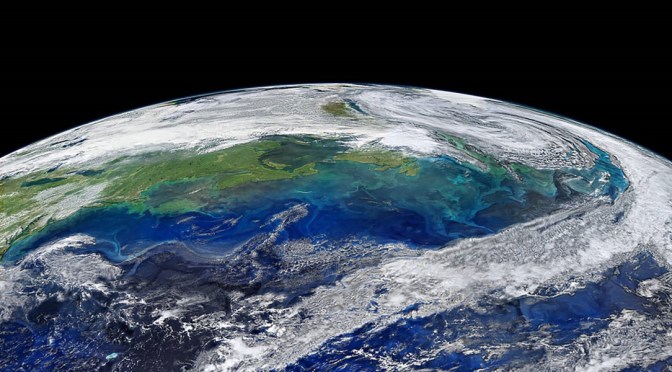
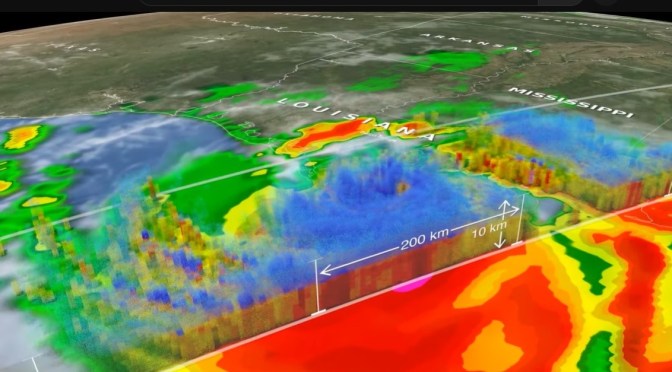
NASA Goddard (December 2022) – NASA is developing the Earth System Observatory, the core of which is five satellite missions providing critical data on climate change, severe weather and other natural hazards, wildfires, and global food production.

These observations will address the most pressing questions about our changing planet. Taken together as a single Observatory, NASA will have a holistic, 3D view of Earth to better understand how our planet’s complex systems work together and improve our capability to predict how our climate may change.

NASA’s Open Source Science strategy is the key to bringing the data from these missions together into a single observatory to help understand the earth as a system and accelerate our ability to use this understanding. These observations will better inform decision-makers on how our planet is changing, with greater precision on previously unimaginable scales – from entire continents down to individual trees, from atmosphere to bedrock.
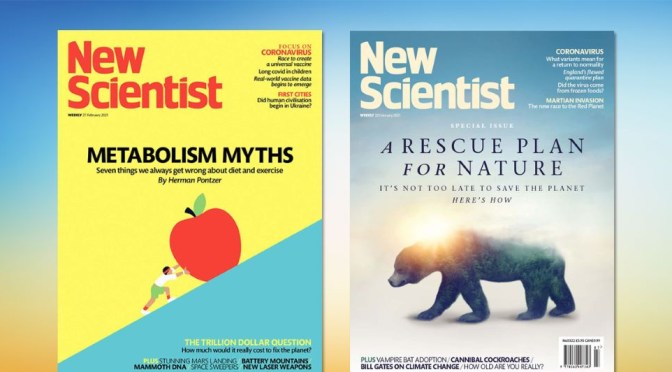
Preview: New Scientist Magazine – Dec 17, 2022

ISSUE 3417 | MAGAZINE COVER DATE: 17 December 2022 | New Scientist

New Scientist (December 17, 2022) issue:

How reindeer eyes change colour in winter to help them see in the dark

It turns out reindeers’ amazing night vision is thanks to a strange ‘mirror’ in their eyes called the tapetum lucidum that is extra sensitive to UV light

How a US civil war shipwreck became a template for marine conservation

The USS Monitor, an iconic piece of military history, sank 160 years ago. Now a marine sanctuary, the wreck has become an unlikely testbed for ocean conservation

NASA’s asteroid redirection spacecraft was a smashing success in 2022

The Double Asteroid Redirection Test aimed to change the orbit of the space rock Dimorphos, and it did so perfectly

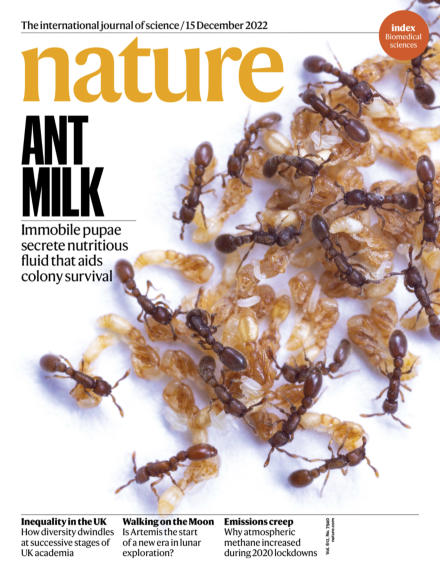
Research Preview: Nature Magazine – Dec 15, 2022

Volume 612 Issue 7940
Cover image: Daniel Kronauer

nature – December 15, 2022 issue:

Sharp laser beam reveals internal organs in stunning 3D

Scientists refine a technology that peers through bone to image sub-surface body parts.

Prehistoric carvings are oldest known story sequence

Two carved panels discovered in what is now Turkey illustrate a tale involving leopards and a bull.

Deadly skin cancer can shrink or vanish after T cells join the fray

Immune-cell-based therapy quashed tumour growth in some people with treatment-resistant melanoma.

A city’s sprawl triggers ominous changes underground

Rapid growth in a city in Central Africa is causing a landslide to speed up.

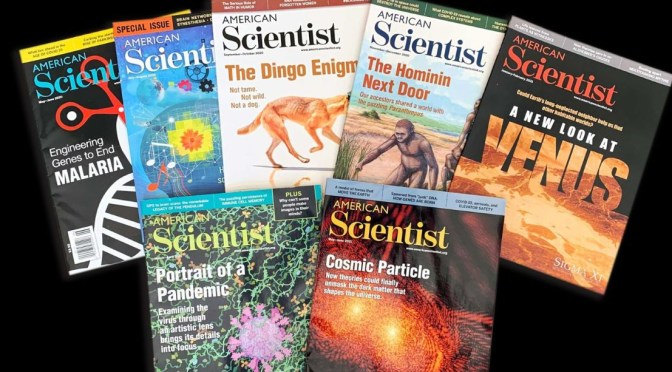
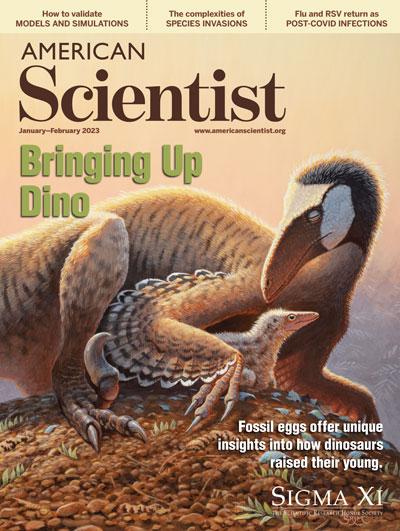
Cover: American Scientist Magazine – Jan/Feb 2023

Current Issue
(Cover illustration by Sean Murtha.)

American Scientist – January/February 2023

In “A New Picture of Dinosaur Nesting Ecology” (Perspective), paleontologist Daniel T. Ksepka offers an overview of these sweeping advances in his field, showcasing the spectrum of reproductive traits among the dinosaurs, often with surprising mixes of reptilian and avian traits. 

A Deep Dive into Innovation

Groundbreaking innovations may appear to be strokes of genius, but they are most often the product of context, consequence, and coincidence.

Is Garlic Mustard an Invader or an Opportunist?

Originally thought of as simply harmful to native plants, this invasive herb has been spreading for far more complex reasons.

Science: How Advanced Computer Models Project Future Climate Scenarios

Princeton University (December 13, 2022) – Earth’s atmosphere, oceans, and land surfaces interact and combine in powerful, yet often unseen, ways as part of a complex planetary system that determines the climate.

Over many decades, researchers at Princeton University have played a leading role in the development of advanced computational models that simulate interactions among these elements to inform an understanding of future climate scenarios under varying conditions.

In this video, climate scientists Gabe Vecchi and Laure Resplandy discuss how computational models are used to project future climate scenarios and inform mitigation strategies.

READ MORE

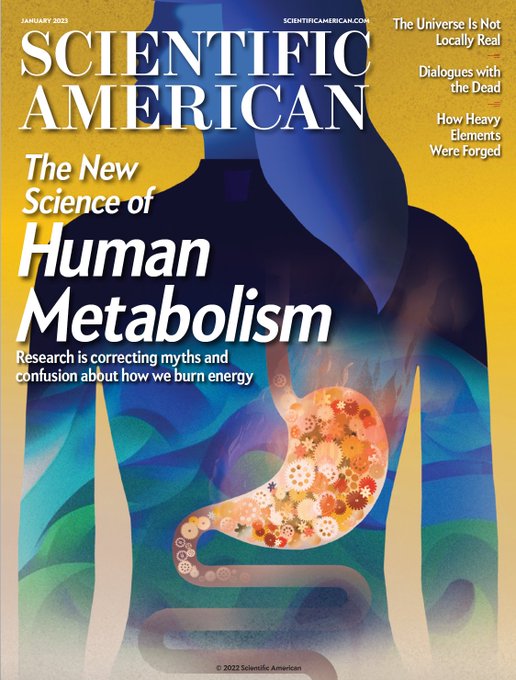
Cover Preview: Scientific American – January 2023

Scientific American – January 2023 issue:

Image

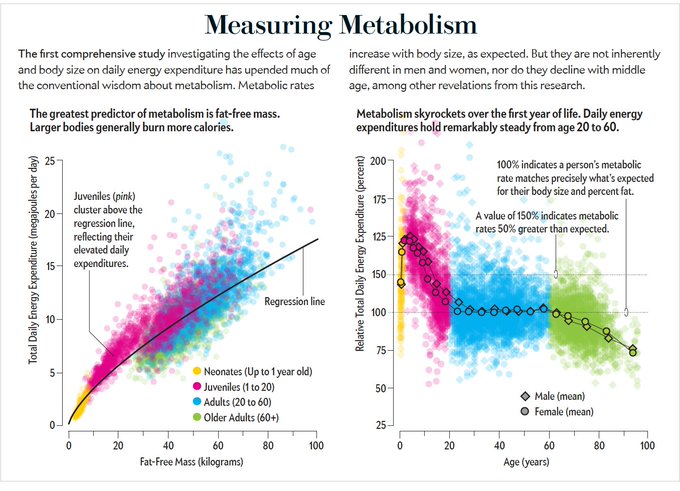
New Human Metabolism Research Upends Conventional Wisdom about How We Burn Calories

Metabolism studies reveal surprising insights into how we burn calories—and how cooperative food production helped Homo sapiens flourish

How Star Collisions Forge the Universe’s Heaviest Elements

Scientists have new evidence about how cosmic cataclysms forge gold, platinum and other heavy members of the periodic table

This Spiritual Tradition Could Be the Most Poetic Bereavement Therapy Ever Documented

A mourning ritual of dialogues with the dead speaks to the fragility of theological diversity

Image

Reviews: TheScientist Magazine – December 2022

TS Digest December 2022, Issue 2 Cover

TheScientist Magazine (December 2022):

2022 Top 10 Innovations

This year’s crop of winning products features many with a clinical focus and others that represent significant advances in sequencing, single-cell analysis, and more.

Implantable Device Zaps Cancer Cells Using Electric Fields

A wireless brain implant inhibits tumor growth in rats, overcoming many design flaws of current devices used to treat glioblastoma.

READ ONLINE

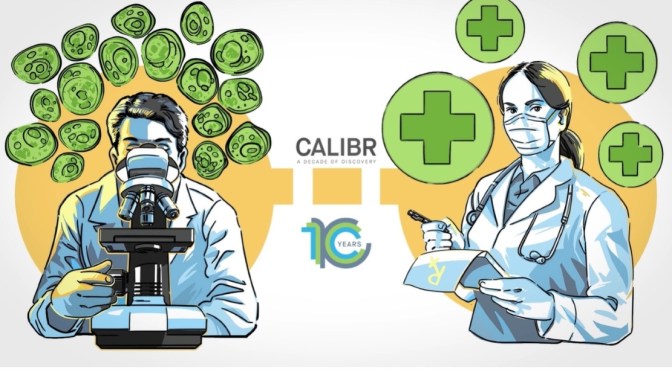
Review: Scripps California Institute For Biomedical Research (CALIBR) At 10 YRS

Calibr at Scripps Research is celebrating a major milestone, a decade of discovery. Take a look at the past 10 years of scientific innovation, and see what the next 10 years have in store.

The California Institute for Biomedical Research (Calibr) is a first-of-its-kind, nonprofit translational research institute dedicated to accelerating the next generation of medicines, celebrating its 10-year anniversary in 2022. Affiliated with Scripps Research—among the most innovative institutes worldwide—we spearhead drug discovery from a steady flow of pioneering science.

Our self-sustaining model encourages broad and bold exploration with far-reaching goals, yet rapid transition of our most successful, high-impact programs into the clinic. We pursue audacious and imaginative ideas—bridging scientific and technological advances to develop new medicines for unmet medical needs.

Learn more: https://www.scripps.edu/science-and-m…

Beverage Science: Inside The Chemistry Of Coffee

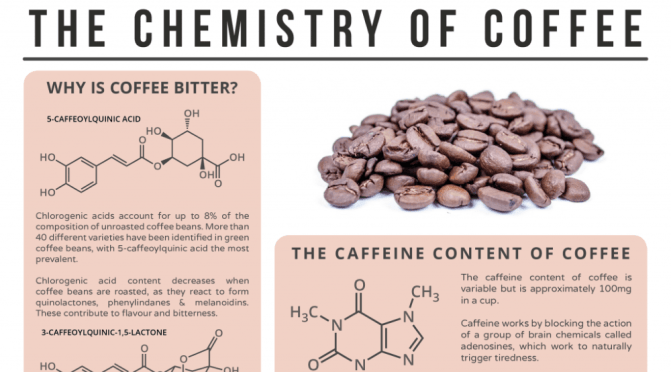
National Science Foundation – The chemistry of the universe is, in a way, in your morning cup of coffee. Coffee contains a tremendous number of chemicals, with over 1000 aroma compounds. If you are looking for antioxidants, the most abundant phenolic compounds in coffee are chlorogenic acids (CGAs), which account for up to 12 per cent of the dry weight of green unroasted coffee beans. Much of coffee’s bitter taste comes from CGAs, which also cause the acid reflux that is sometimes experienced by coffee drinkers.  

Produced by the PBS Digital Studio / American Chemical Society

READ MORE

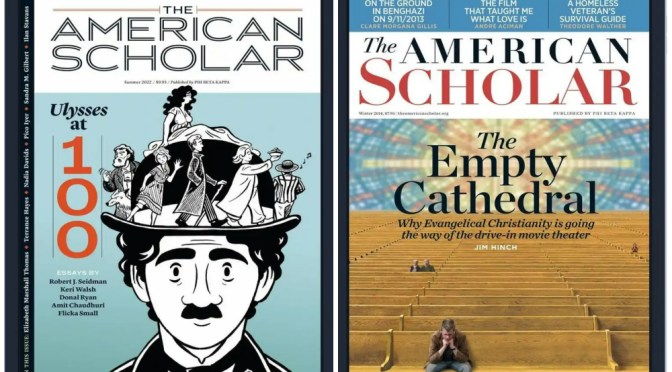
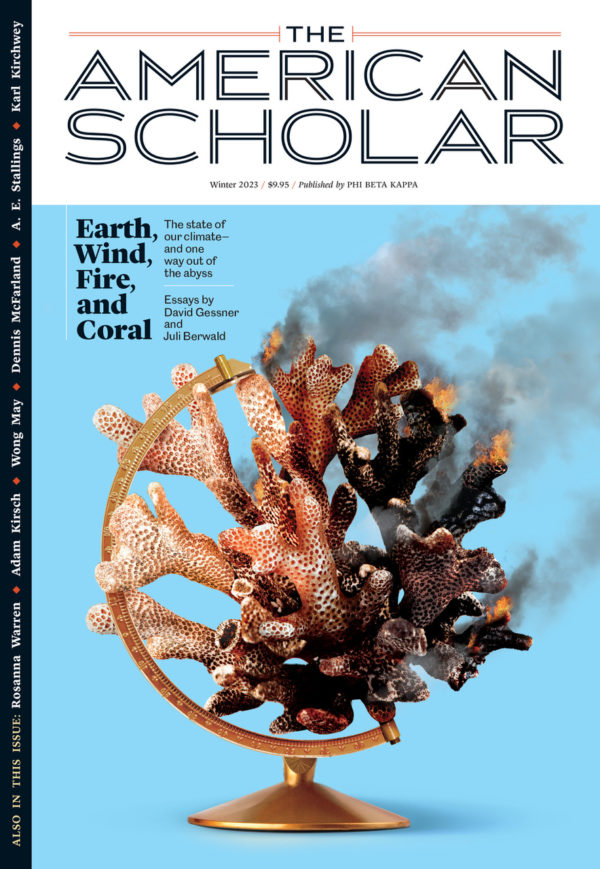
Culture: The American Scholar – Winter 2023

Winter 2023

@TheAmScho Winter 2023 issue:

The Road to Paradise and Back

Fires in the West, hurricanes in the East—what it’s like on the ground as we confront our rapidly changing world

The Corals and the Capitalist

The key to avoiding an ecological catastrophe might be found in the wealth of nations and the spirit of innovation

Our Founding Contradiction

The entrenched dichotomy at the center of the national story