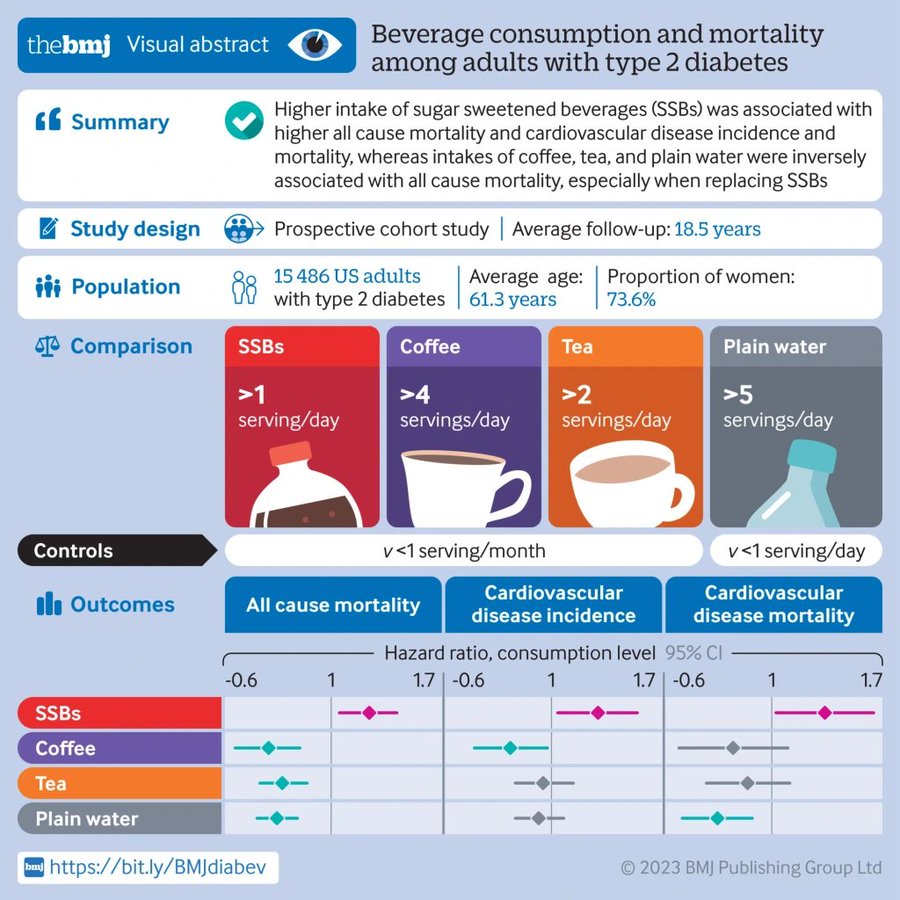


The BMJ (Published April 19, 2023) – Conclusions: Individual beverages showed divergent associations with all cause mortality and CVD outcomes among adults with type 2 diabetes. Higher intake of SSBs was associated with higher all cause mortality and CVD incidence and mortality, whereas intakes of coffee, tea, plain water, and low fat milk were inversely associated with all cause mortality. These findings emphasize the potential role of healthy choices of beverages in managing the risk of CVD and premature death overall in adults with type 2 diabetes.
Category Archives: Research
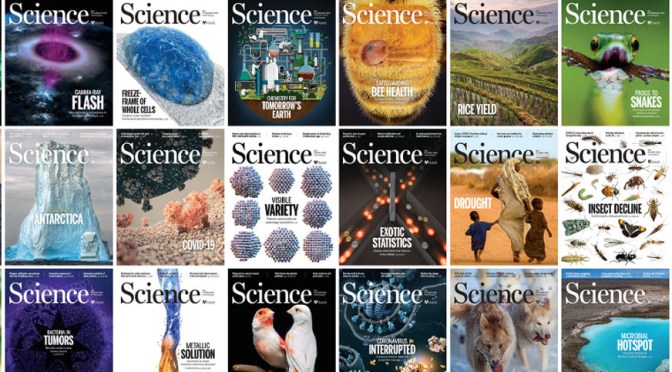
Research Preview: Science Magazine – April 21, 2023

Science Magazine – April 21, 2023 issue:
“It’s just mind boggling.” More than 19,000 undersea volcanoes discovered

New seamount maps could aid in studies of ecology, plate tectonics, and ocean mixing
Sleeping deep

Sleep is essential, but not all mammals live in environments where long periods of time asleep are possible. Marine mammals encounter especially challenging conditions for sleep when they are at sea.
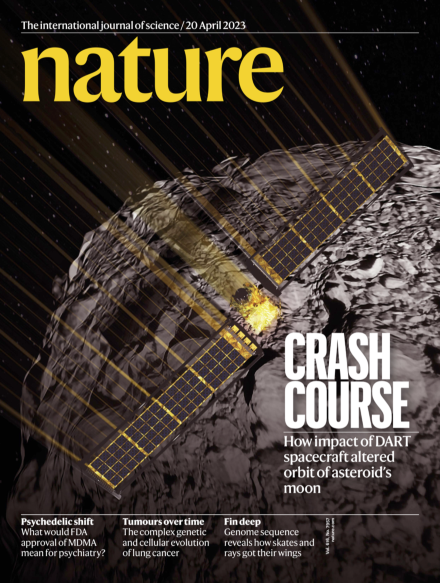
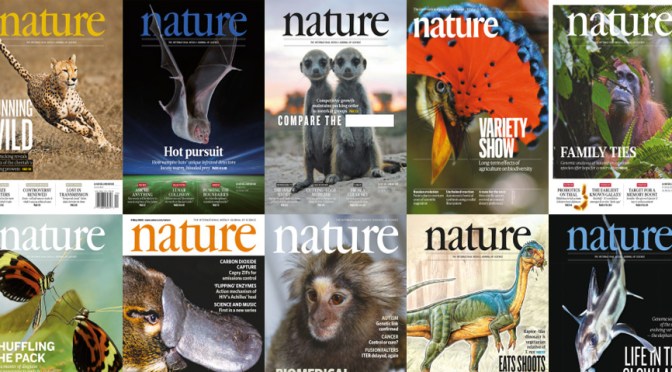
Research Preview: Nature Magazine – April 20, 2023
nature Magazine – April 20, 2023 issue: Although currently there is no known threat to Earth from asteroids, strategies to protect the planet from a collision are being explored. On 26 September 2022, NASA and the Johns Hopkins Applied Physics Laboratory successfully tested one such approach: the Double Asteroid Redirection Test (DART) spacecraft was deliberately crashed into Dimorphos, a moon orbiting the small asteroid Didymos, resulting in a change in the moon’s orbit.
Is Africa’s Great Green Wall project withering?
The plan to re-green a 7,000-kilometre swathe south of the Sahara is at risk of losing its pan-African vision and ambition.
A glacier’s catastrophic collapse is linked to global warming
Eleven hikers died after weeks of unusually warm weather led to melting of the Marmolada Glacier in the Alps.
Sunshine is transformed into green hydrogen on an ambitious scale
Prototype facility smashes record for converting solar power to hydrogen for its technology category.
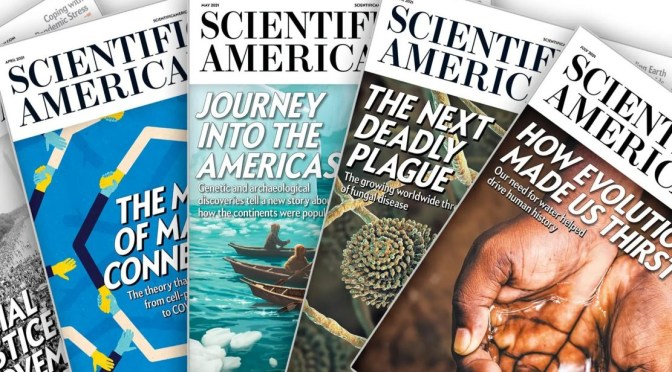
Science Review: Scientific American – May 2023 Issue

Scientific American – May 2023 Issue:
Synthetic Morphology Lets Scientists Create New Life-Forms
The emerging field of synthetic morphology bends boundaries between natural and artificial life
The Six Moons Most Likely to Host Life in Our Solar System
Vast quantities of liquid water may exist on moons of Jupiter, Saturn and Neptune, making life possible there, too
How Much Does ‘Nothing’ Weigh?
The Archimedes experiment will weigh the void of empty space to help solve a big cosmic puzzle
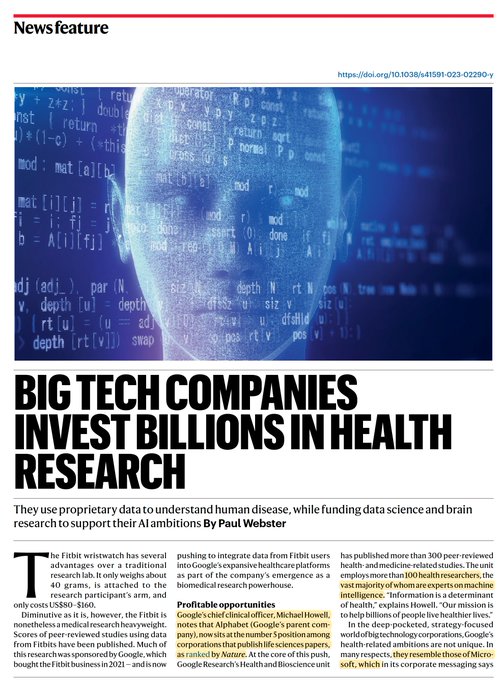
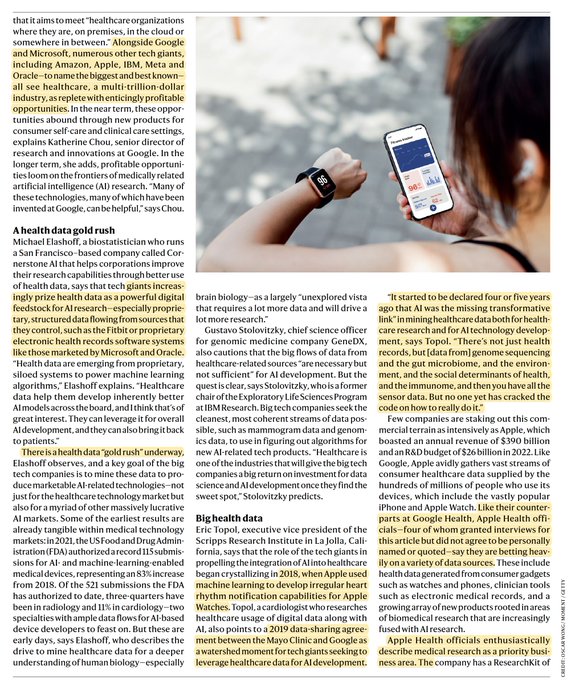
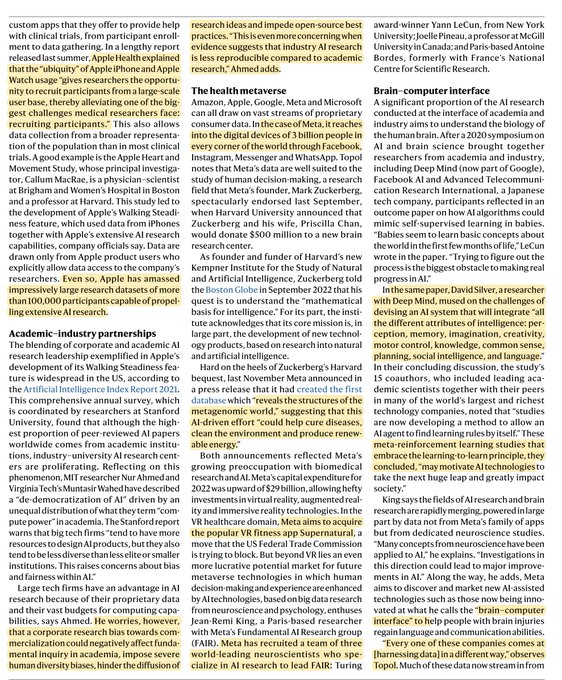
Health Research: Big Tech Firms Investing Billions
Research Preview: Science Magazine – April 14, 2023

Science Magazine – April 7, 2023 issue: Anchoring radiocarbon dates to cosmic events, why hibernating bears don’t get blood clots, and kicking off a book series on sex, gender, and science.
Reproductive medicine
Since ancient times, humans have been trying to exercise control over their reproductive decisions, whether to avoid undesired pregnancy or to improve their chances of conceiving. In addition, the risks of pregnancy and childbirth have always been a major challenge.
Droughts are coming on faster
Higher global temperatures are increasing the frequency of flash droughts
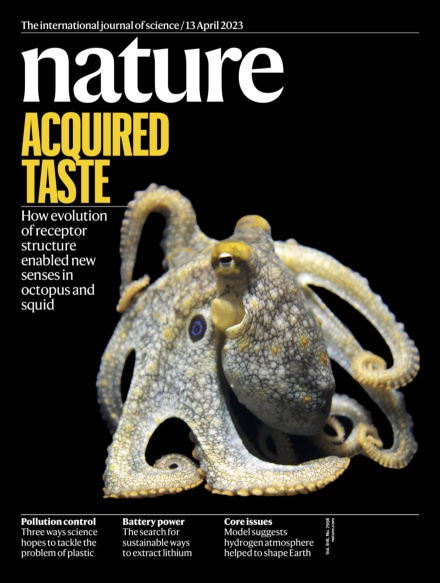
Research Preview: Nature Magazine – April 13, 2023
nature Magazine – April 13, 2023 issue: Octopuses use chemotactile receptors (CRs) in the suckers on their arms to ‘taste by touch’ as they explore their sea-floor environment. These proteins evolved from neurotransmitter receptors to allow octopuses to detect poorly soluble natural products on contact.
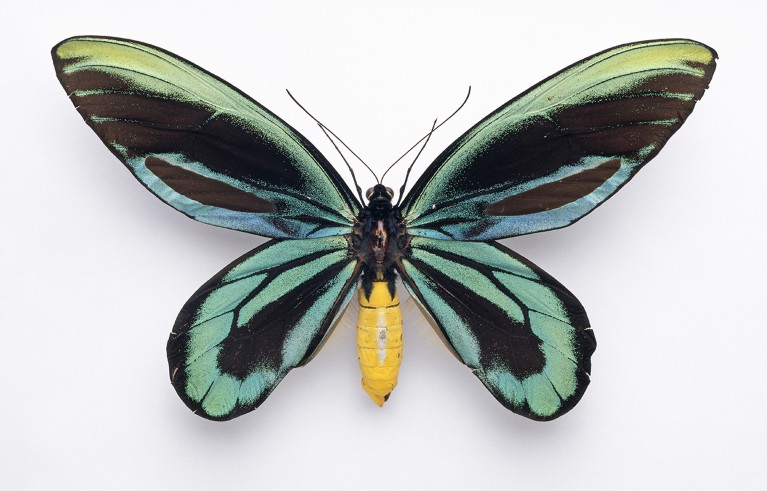
World’s biggest butterfly is low on genetic diversity

An endangered butterfly, found only in Papua New Guinea, has had a small population for a million years.

Three ways to solve the plastics pollution crisis

Researchers are studying how more-sophisticated policies, smarter recycling and new materials could stem the tide of waste.
Research: New Scientist Magazine – April 15, 2023

New Scientist Magazine – April 15, 2023 issue:
How do we know that therapy works, and which kind is best for you?

Psychotherapy has never been more available and yet, with so many options, it can be hard to know where to start. Thankfully, researchers are getting to grips with what really works and why
The Power of Language review: What speaking many languages can do
Physicist David Wolpert on how to study concepts beyond imagination
Research Preview: Science Magazine – April 7, 2023
Science Magazine – April 7, 2023 issue:
Transforming the understanding of brain immunity
Our understanding of how the brain and immune system interact has changed substantially over the past years and decades. Initially, the brain was thought to be immune privileged and isolated from the rest of the body.
Magnets wipe memories from meteorites
Researchers sound alarm over damage caused by popular meteorite-hunting technique
The unusual genetics of invasive ants
The males of an invasive ant species are chimeras of two distinct genetic lineages
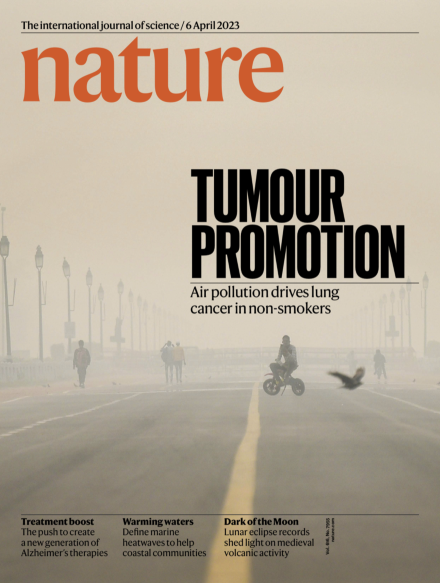
Research Preview: Nature Magazine – April 6, 2023
nature Magazine – April 6, 2023 issue: In 1947, Isaac Berenblum proposed that the development of cancer was a two-stage process: the first step introduces mutations into healthy cells, the second then promotes tumour growth through tissue inflammation. In this week’s issue, Charles Swanton and his colleagues investigate the role of particulate matter in prompting the development of non-small-cell lung cancers and find that cancer initiation in response to pollution conforms to Berenblum’s model.
Carbon dioxide removal is not a current climate solution — we need to change the narrative
Drastically reduce emissions first, or carbon dioxide removal will be next to useless.
Bird-flu virus makes itself at home in Canada’s foxes and skunks
The virulent H5N1 strain now sweeping across the world is adapting to its mammalian hosts in northern North America.
Conquering Alzheimer’s: a look at the therapies of the future
Researchers are looking to drug combinations, vaccines and gene therapy as they forge the next generation of treatments for the condition.