The UN secretary general met with the presidents’ of Ukraine and Turkey in Lviv, Ukraine. A wave of violence in Mexico kept Tijuana residents at home after a cartel allegedly called for a curfew.
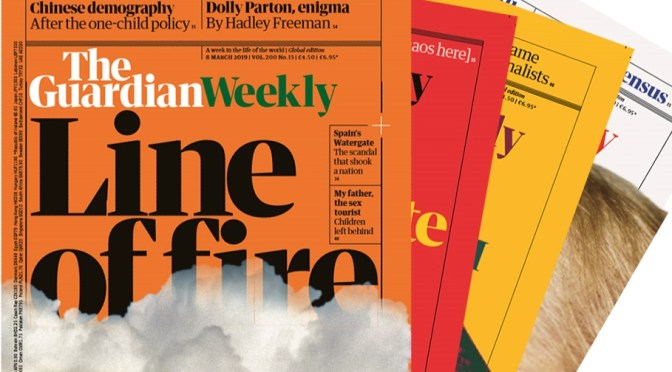
Railways can be a world unto themselves. When properly managed, this can mean it’s easier to get things done on the railways than in other parts of an economy. That should be a huge opportunity for reducing climate emissions by getting passengers off the roads and out of the skies. But unless we re-purpose rail networks to serve the interests of people – and not those of the empires and corporations which built them and run them to this day – we can’t succeed. This edition explores how we can make a start on this task.
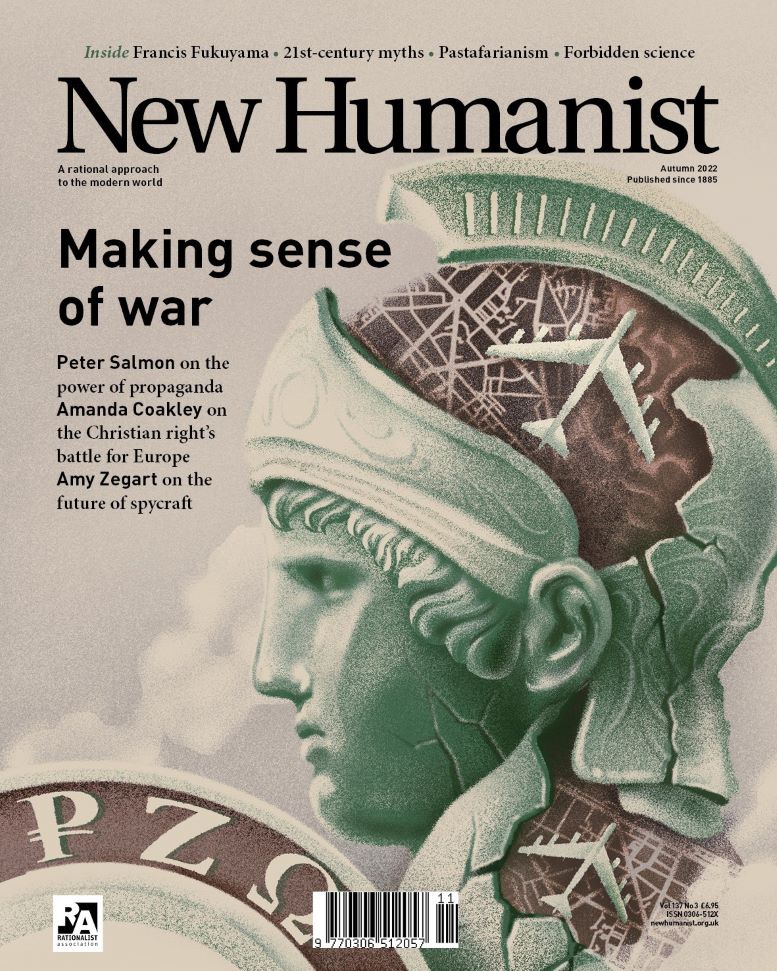
The intelligence community often fails to make accurate predictions. Amy Zegart, an expert brought in to improve analysis in the United States, sets out what can be done to overcome our cognitive biases.
Improving analysis to prevent nuclear catastrophe isn’t just a matter of history. Great power competition is back. Russia and China are trying to rewrite the international order along authoritarian lines.
A.M. Edition for Aug. 18. Recent explosions at a Russian air base and an ammunition depot in Crimea have made the Russian-occupied peninsula the latest battleground in the Ukraine war.
WSJ European security correspondent James Marson explains what the attacks signal about Ukraine’s capabilities and Russia’s ability to fight the war in southern Ukraine.
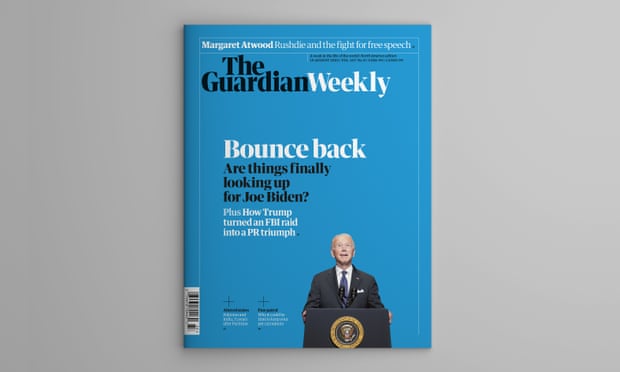
Joe Biden’s political capital is riding highafter a key plank of his legislative programme came to fruition. But the US president has greeted this “hot streak” in his usual quiet fashion. For his predecessor, it was a decidedly rough week after his home was raided by the FBI, looking for official documents that Donald Trump had held on to after his presidential term had ended. The reaction was a typical explosion of rage and accusation. David Smith, our Washington bureau chief, follows this compare-and-contrast theme to see which of the two men, who at this juncture still look likely to face each other again in the 2024 presidential election, came out on top.
As Indonesia celebrates its independence day, we discuss President Joko Widodo’s plan to act as a diplomatic bridge between Russia and Ukraine. Plus: French troops officially leave Mali, cartel-driven violence in Mexico and the latest aviation news.
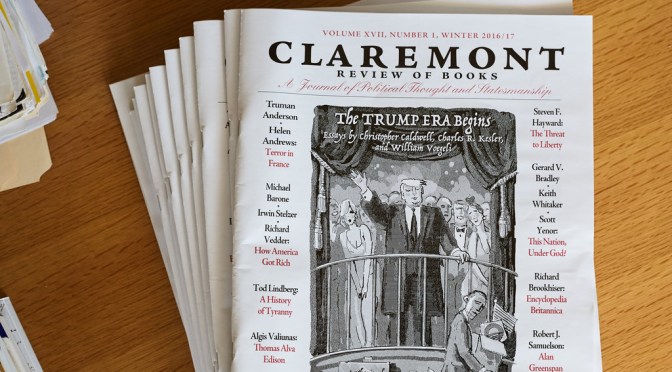
Angelo Codevilla’s final critique of our ruling class’s corruption… by Carnes Lord
America’s Rise and Fall among Nations: Lessons in Statecraft from John Quincy Adams is an extraordinary book by an extraordinary man. Angelo Codevilla, a senior fellow of the Claremont Institute, died in an automobile accident last year near his northern California vineyard. He was a first-generation immigrant, born in Italy, who shared with so many from a similar background a fierce love for his adopted homeland. A political scientist with far-ranging interests in comparative politics, international relations and strategic studies, and political philosophy, Codevilla also served in the United States government as a diplomat, naval officer, and congressional staffer.
A selection of three essential articles read aloud from the latest issue of The Economist. This week, how to prevent a war between America and China over Taiwan, thanks to Vladimir Putin, Germany has woken up (10:20), and Britain’s summer of discontent (18:40).
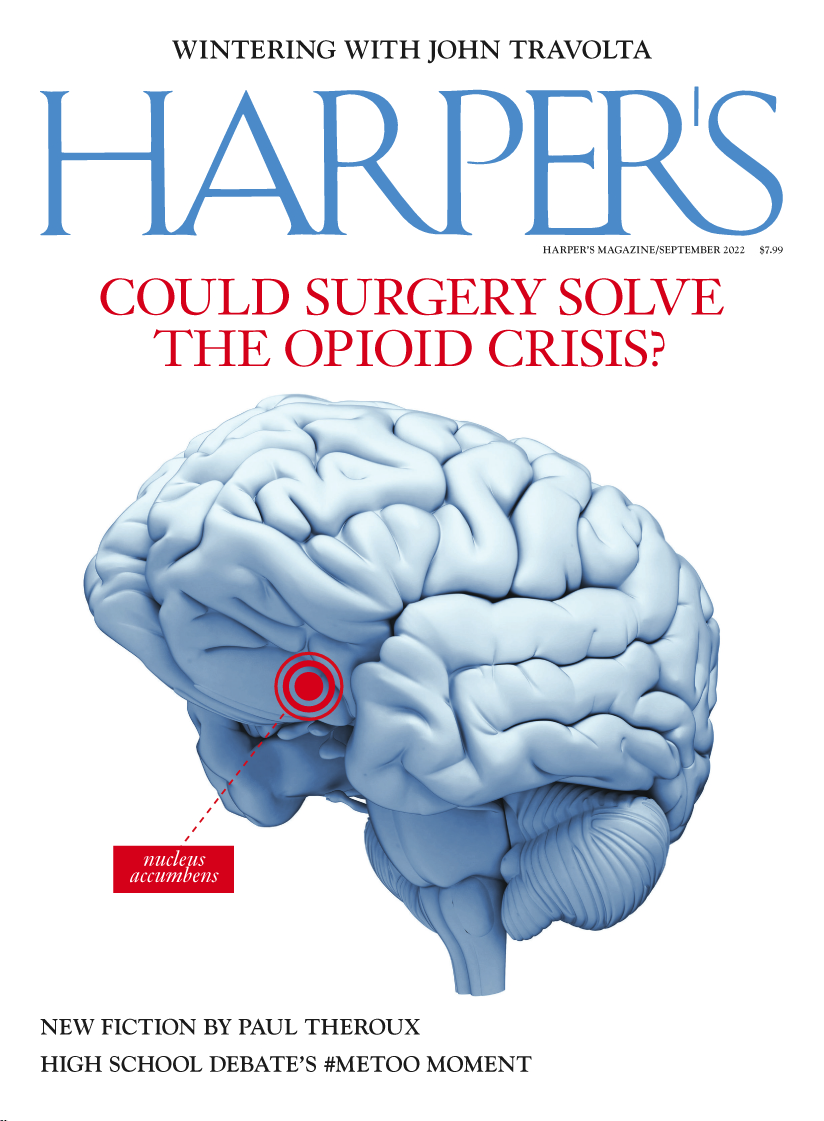
On a bright summer day in July 2021, James Fisher rested nervously, with a newly shaved head, in a hospital bed surrounded by blinding white lights and surgeons shuffling about in blue scrubs. He was being prepped for an experimental brain surgery at West Virginia University’s Rockefeller Neuroscience Institute, a hulking research facility that overlooks the rolling peaks and cliffs of coal country around Morgantown. The hours-long procedure required impeccable precision, “down to the millimeter,” Fisher’s neurosurgeon, Ali Rezai, told me.
News, Views and Reviews For The Intellectually Curious