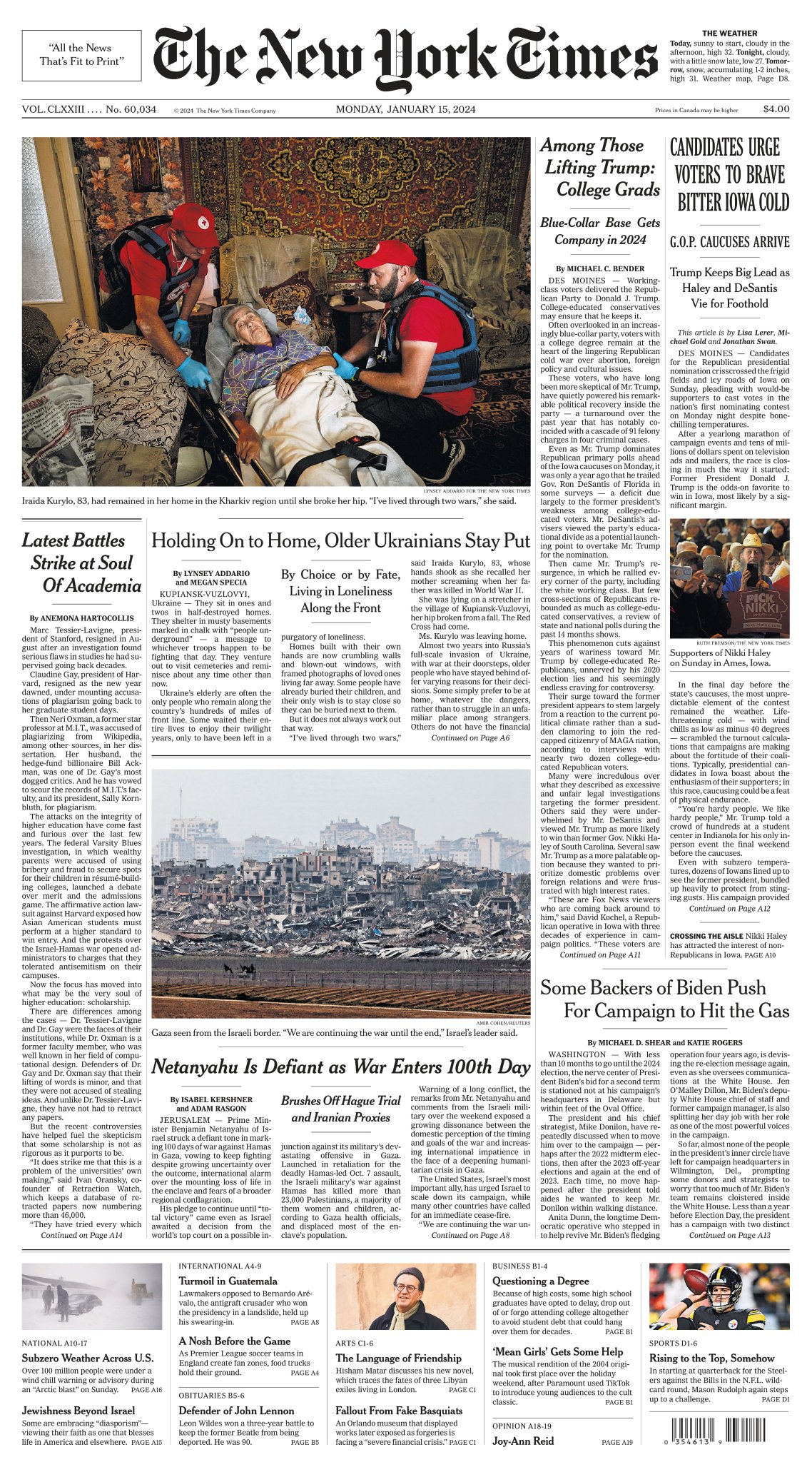
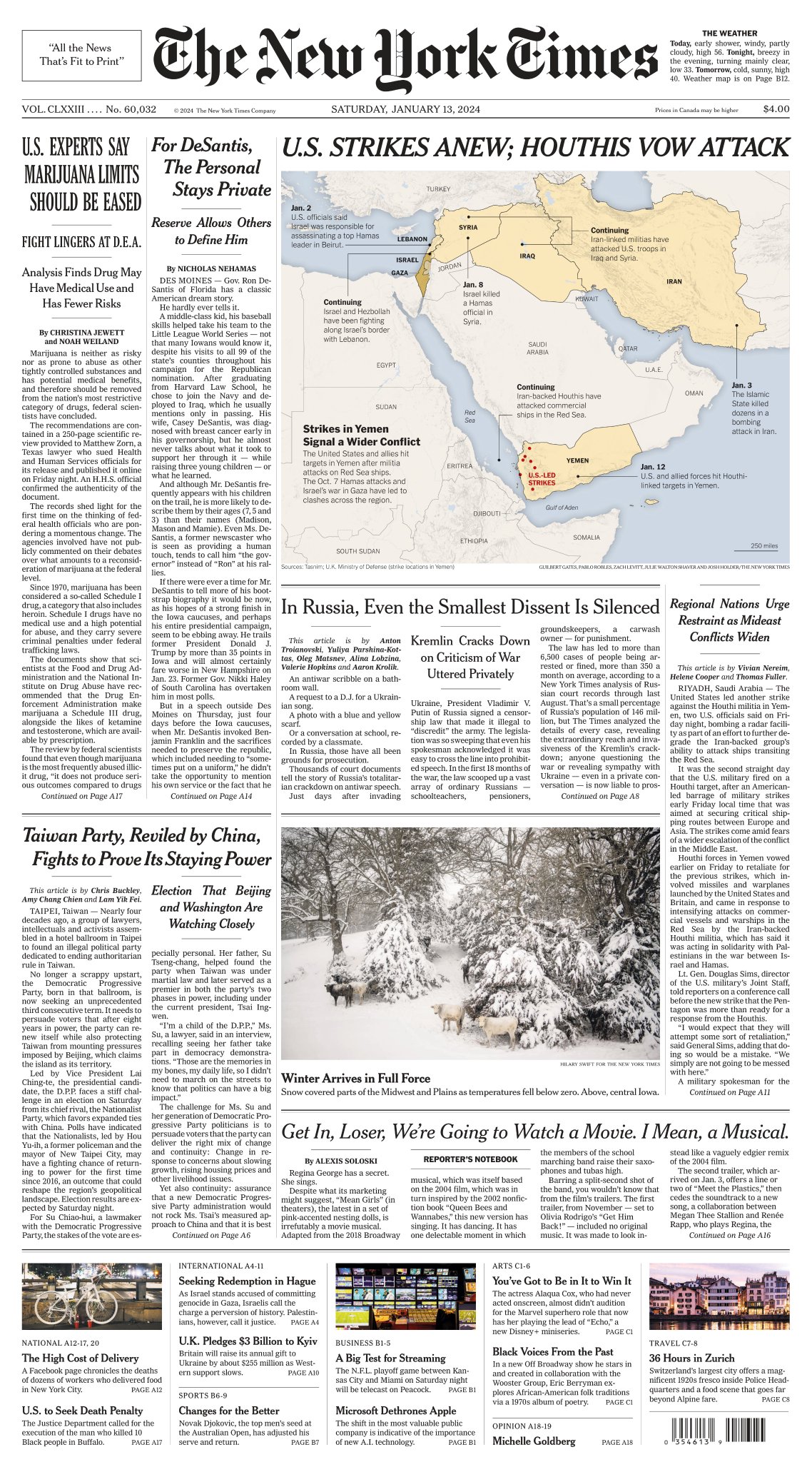
Protesters demanded action to free hostages, a war cabinet minister criticized the military campaign and the Israeli prime minister publicly ruled out a two-state solution, rebuffing the U.S.
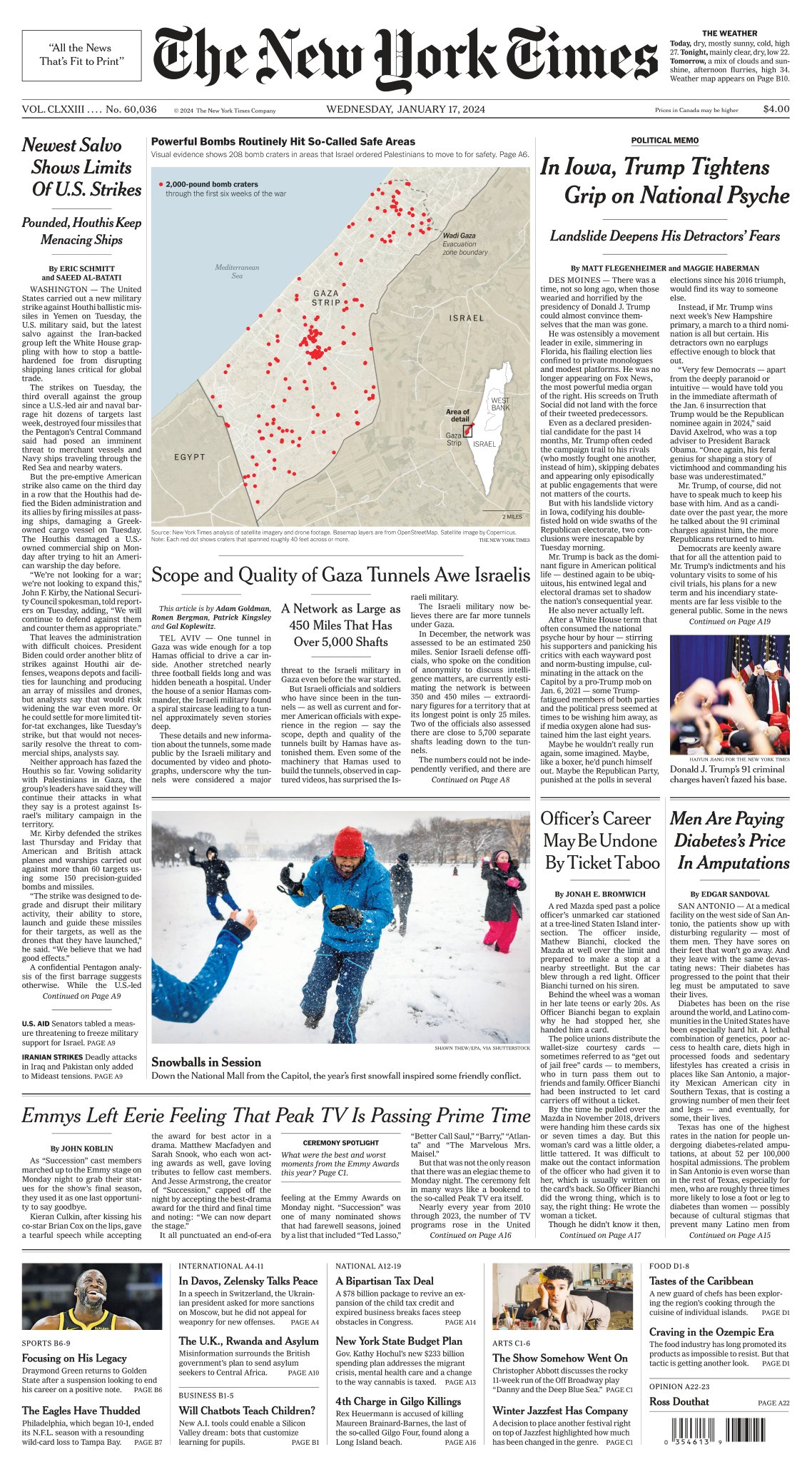
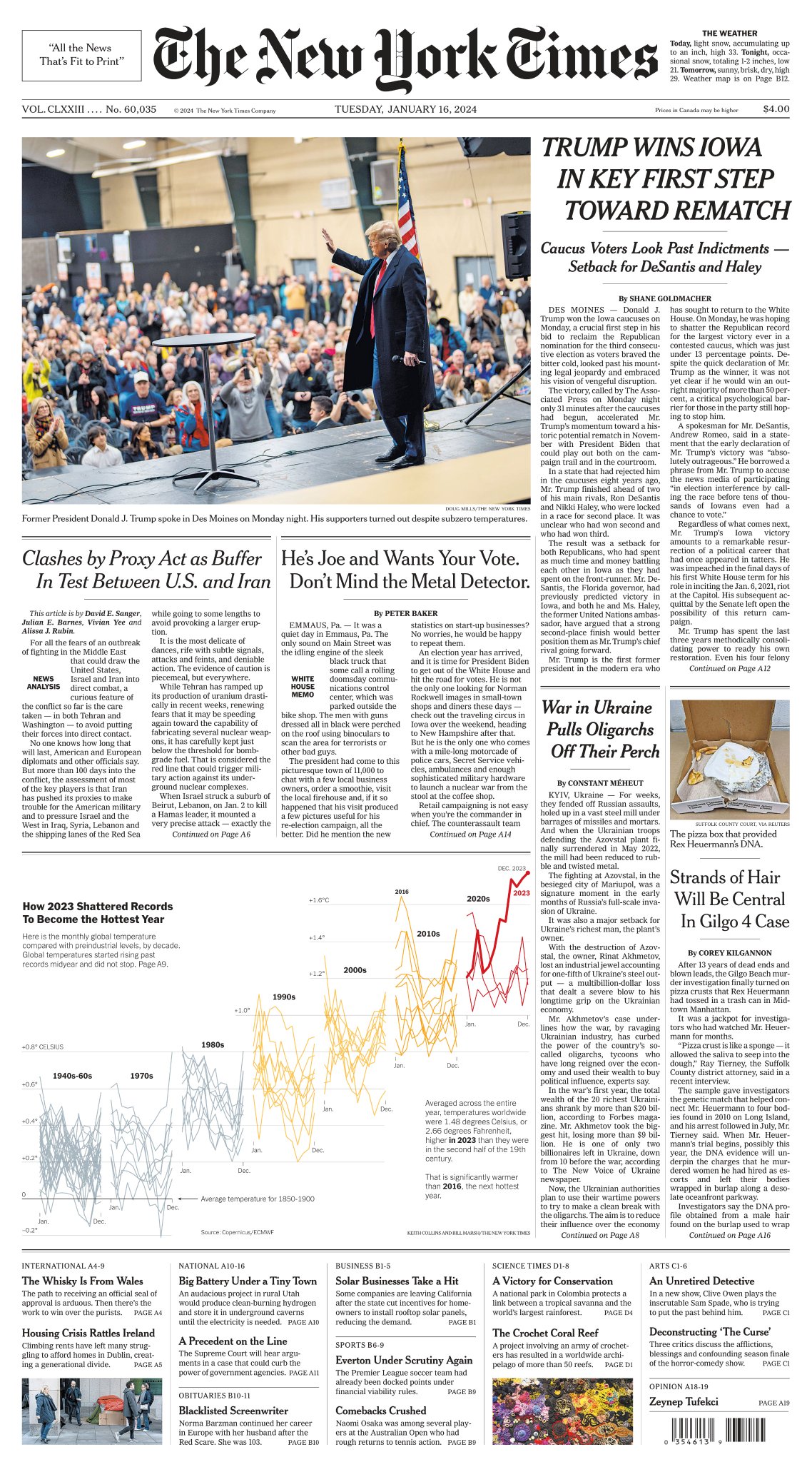
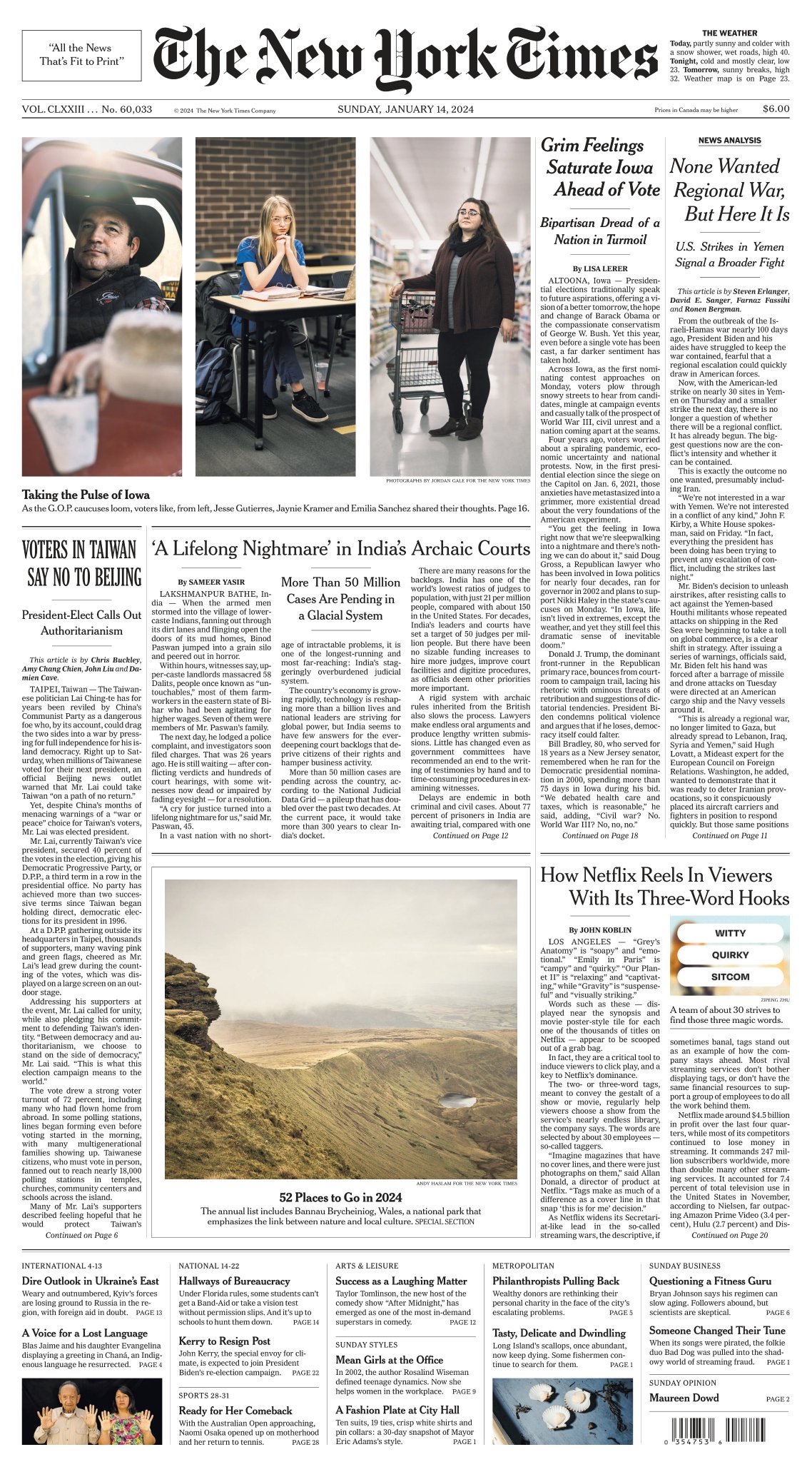
Unable to fathom a 2020 rematch, many Americans are clinging to forlorn hopes and floating wild theories — including that Michelle Obama might replace President Biden.
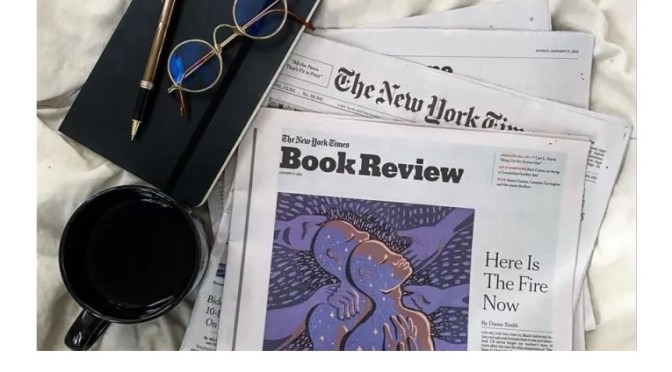
THE NEW YORK TIMES BOOK REVIEW (January 19, 2024): The latest issue features the excitement over advance copy reviews of a January novel, Kaveh Akbar’s “Martyr!” …“You’ve got to read this,” one editor said. “One of the most electric novels I’ve read in a long while,” another said. This kind of thing — everyone thrilled by the same book — is unusual at the TBR, and explains why “Martyr!,” about a grieving young man’s search for meaning, graces our cover this week.
In “Martyr!,” the poet Kaveh Akbar turns a grieving young man’s search for meaning into a piercing family saga.
Martyr!, by Kaveh Akbar
Reviewed by By Junot Díaz
Cyrus Shams, the aching protagonist at the heart of Kaveh Akbar’s incandescent first novel, is a veritable Rushdiean multitude: an Iranian-born American, a “bad” immigrant, a recovering addict, a straight-passing queer, an almost-30 poet who rarely writes, an orphan, a runner of open mics, an indefatigable logophile, a fiery wit, a self-pitying malcontent. But above all else Cyrus is sad; profoundly, inconsolably, suicidally sad.
Here are the books discussed in this week’s episode:
“Knife,” by Salman Rushdie
“James,” by Percival Everett
“The Book of Love,” by Kelly Link
“Martyr,” by Kaveh Akbar
“The Demon of Unrest,” by Erik Larson
“The Hunter,” by Tana French
“Wandering Stars,” by Tommy Orange
“Anita de Monte Laughs Last,” by Xochitl Gonzalez
“Splinters,” by Leslie Jamison
“Neighbors and Other Stories,” by Diane Oliver
“Funny Story,” by Emily Henry
“Table for Two,” by Amor Towles
“Grief Is for People,” by Sloane Crosley
“One Way Back: A Memoir,” by Christine Blasey Ford
“The House of Hidden Meanings: A Memoir,” by RuPaul
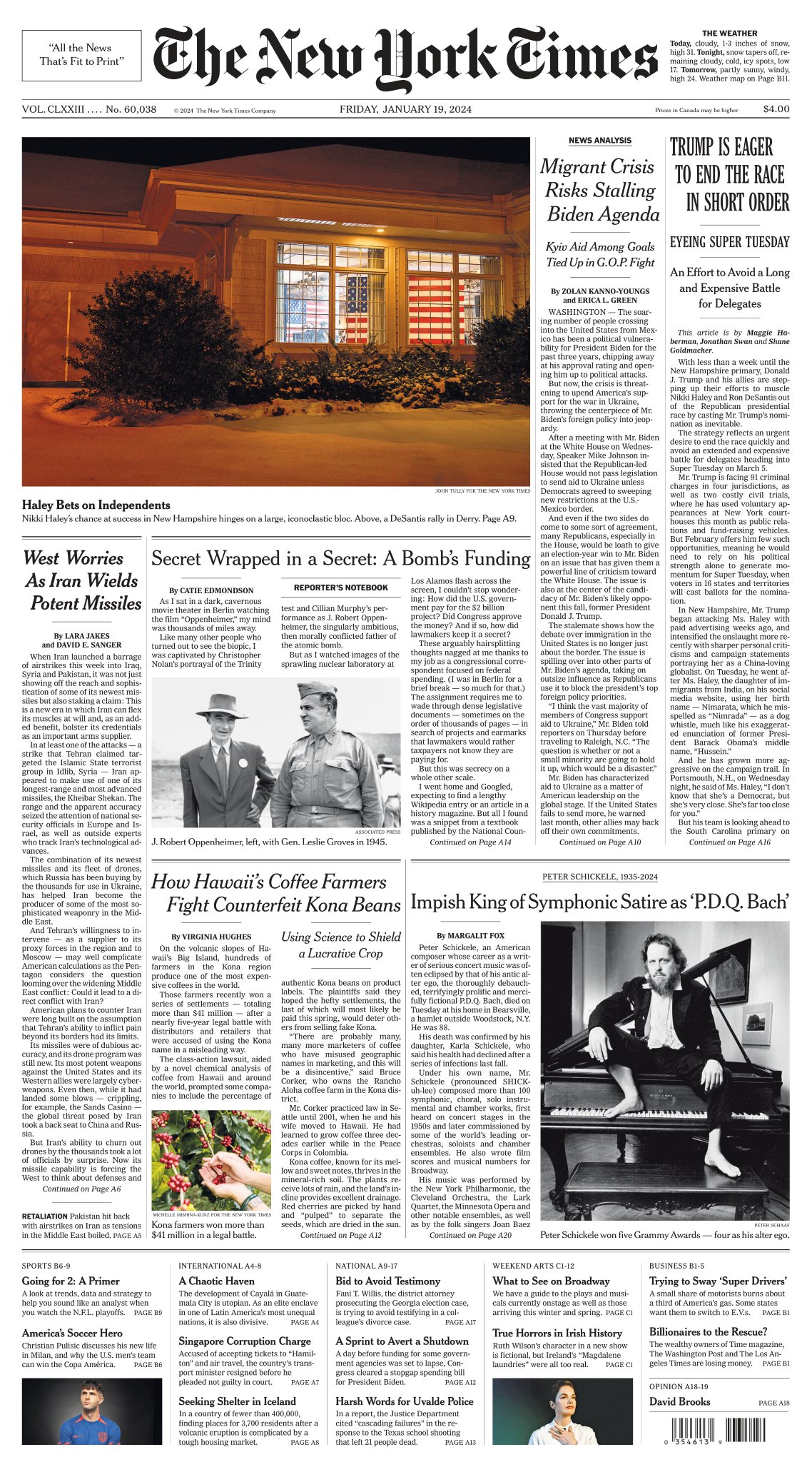
The former president is looking to lock up the nomination by Super Tuesday on March 5, but Nikki Haley and Ron DeSantis insist they plan to compete deep into March.
Her chance to beat Donald J. Trump in New Hampshire depends on her ability to win over its famously freethinking voters. Her challenge is that they come in all stripes.
A Reporter’s Journey Into How the U.S. Funded the Bomb
Watching “Oppenheimer,” a journalist wondered (perhaps a bit obsessively): How did the president get the $2 billion secret project past Congress?
A White House meeting between the president and congressional leaders did little to break the stalemate over aid to Ukraine, as the Republican speaker insisted on a tougher immigration crackdown.
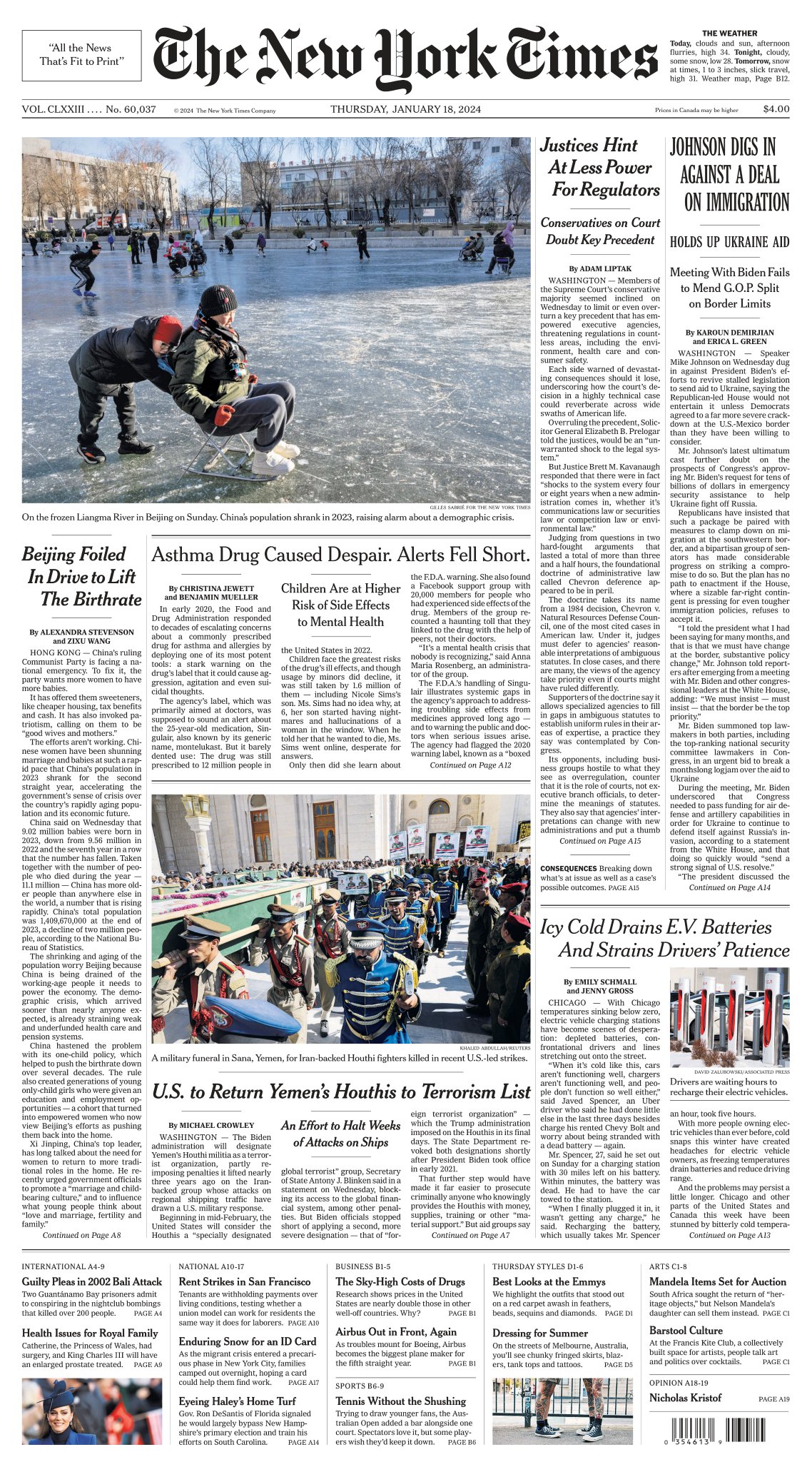
The Supreme Court considered whether to overrule the seminal 1984 Chevron decision, which requires judges to defer to agencies’ interpretations of ambiguous statutes.
Singulair, now a generic, is still used by millions of people in the United States even after thousands of patients and dozens of studies have described harm.
The American strikes destroyed four missiles that posed a threat to ships in the Red Sea, the Pentagon said. They came on the third day in a row the Houthis have defiantly fired at passing ships.
For a commander in chief, retail campaigning isn’t easy, what with the counterassault team that follows him everywhere. But President Biden is starting to hit the hustings on every Main Street he can find.
The War Has Reined In Ukraine’s Oligarchs, at Least for Now
Oligarchs have lost billions from the shelling of their factories, and the government has used its wartime powers to break their political influence.
Ms. Haley has attracted the interest of non-Republicans who say they’ll caucus for her, as rivals attack her for an insufficiently conservative message.
How College-Educated Republicans Learned to Love Trump Again
Blue-collar white voters make up Donald Trump’s base. But his political resurgence has been fueled largely by Republicans from the other end of the socioeconomic scale.
With the U.S.-led attacks in Yemen, there is no longer a question of whether the Israel-Hamas war will escalate into a wider conflict. The question is whether it can be contained.
On the Ballot in Iowa: Fear. Anxiety. Hopelessness.
As Monday’s caucuses approach, voters casually throw around the prospect of World War III and civil unrest, anxious of divisions they fear are tearing the country apart.
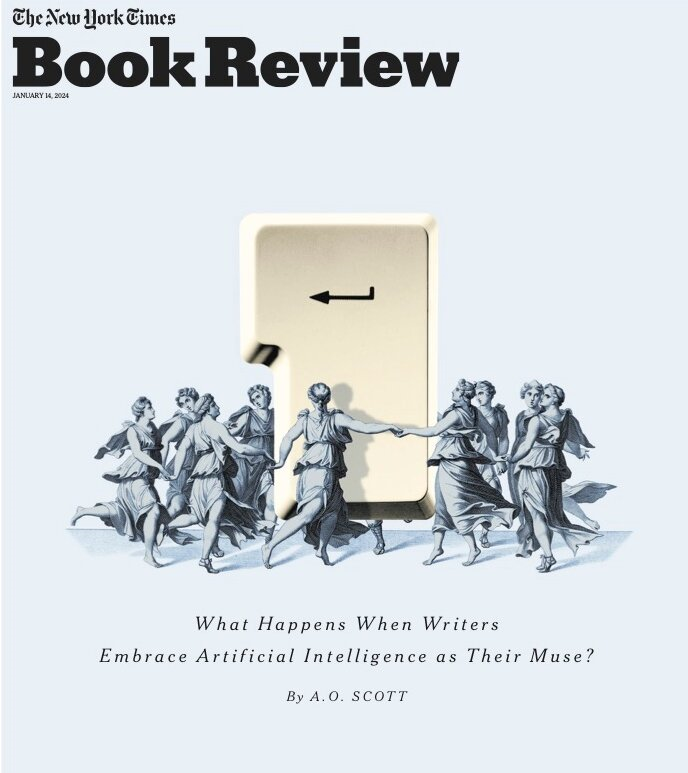
THE NEW YORK TIMES BOOK REVIEW (January 12, 2024): The latest issue features ‘What Happens When Writers Embrace Artificial Intelligence as Their Muse? by A.O. Scott…
The robots of literature and movies usually present either an existential danger or an erotic frisson. Those who don’t follow in the melancholy footsteps of Frankenstein’s misunderstood monster march in line with the murderous HAL 9000 from “2001: A Space Odyssey,” unless they echo the siren songs of sexualized androids like the ones played by Sean Young in “Blade Runner” and Alicia Vikander in “Ex Machina.”
We fantasize that A.I. programs will seduce us or wipe us out, enslave us or make us feel unsure of our own humanity. Trained by such narratives, whether we find them in “Terminator” movies or in novels by Nobel laureates, we brace ourselves for a future populated by all kinds of smart, possibly sentient machines that will disrupt our most cherished notions of what it means to be human.
For Álvaro Enrigue, a novelist fascinated with historical detail, the first meeting of the Aztecs and Spanish conquistadors is the obsession of a lifetime. He brings it to life in “You Dreamed of Empires.”
By Benjamin P. Russell
The Aug. 13, 2021 edition of The New York Times failed to mention the 500th anniversary of the fall of Tenochtitlan, the erstwhile Aztec capital out of which Mexico City was born. Álvaro Enrigue noticed. Of course.
The 54-year-old Enrigue, who grew up in Mexico City, believes that early meeting between Europe and the Americas changed the trajectory of global commerce, urbanism, industry and much else besides. Modernity itself, he argues, was born in the moment the Aztec emperor Moctezuma and Hernan Cortés, the Spanish conquistador, first looked each other in the eye in 1519, a clash of empires that set in motion the city’s capture two years later.
News, Views and Reviews For The Intellectually Curious