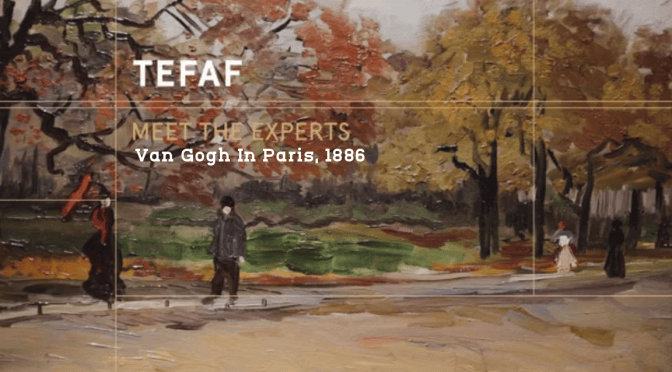
TEFAF’s Meet the Experts presents Howard Shaw from Hammer Gallery shares what Van Gogh would have most likely seen when he visited Paris in 1886. This period of Van Gogh’s life is pivotal to his works as an artist.

TEFAF’s Meet the Experts presents Howard Shaw from Hammer Gallery shares what Van Gogh would have most likely seen when he visited Paris in 1886. This period of Van Gogh’s life is pivotal to his works as an artist.
From AtlasObscura.com (March 26, 2020):
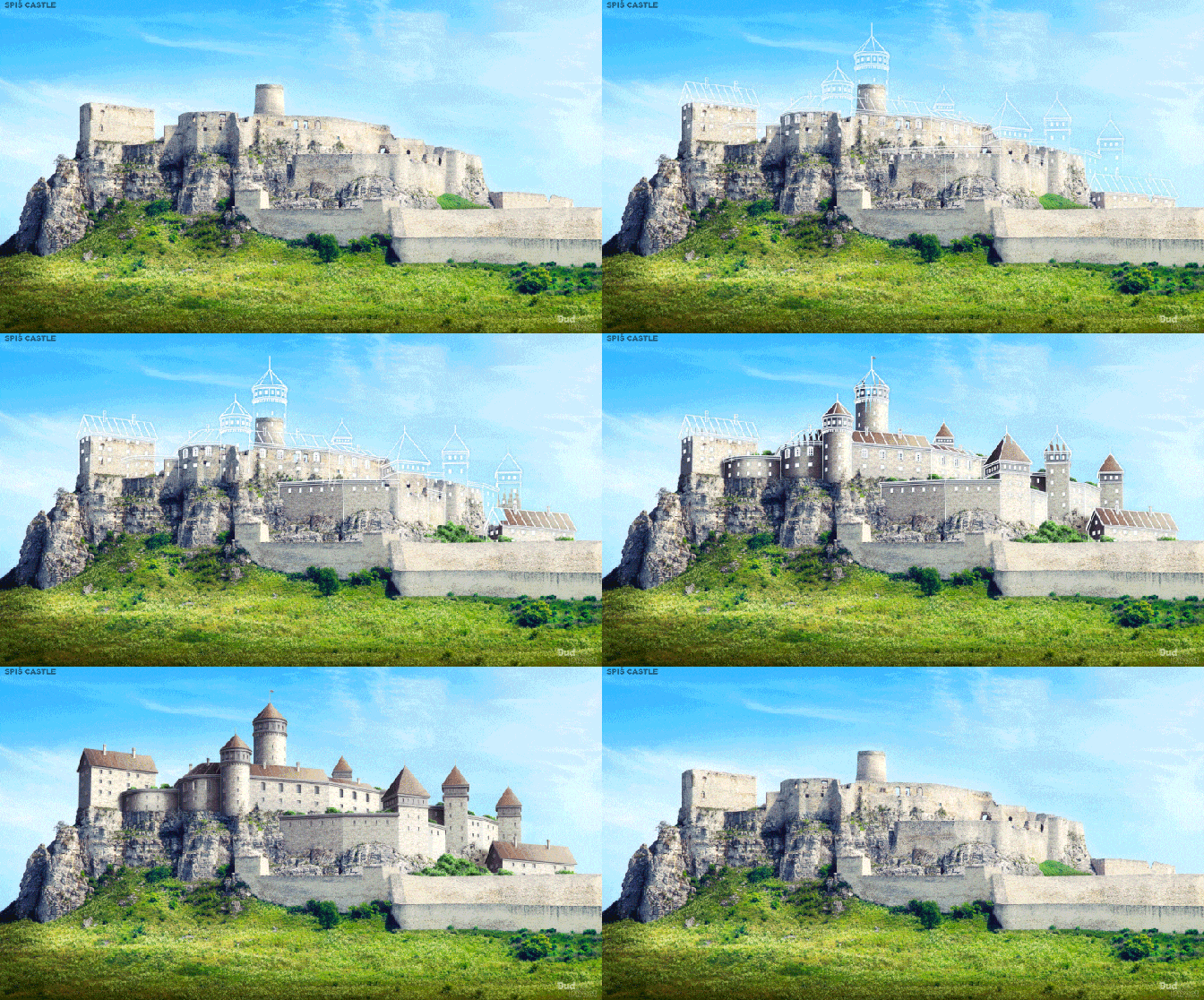
…a team of designers recently looked at the now-ruined castles of Middle Ages Europe, lifting the fortifications up from their dilapidated states and digitally reimagining the structures as they were in their heyday.
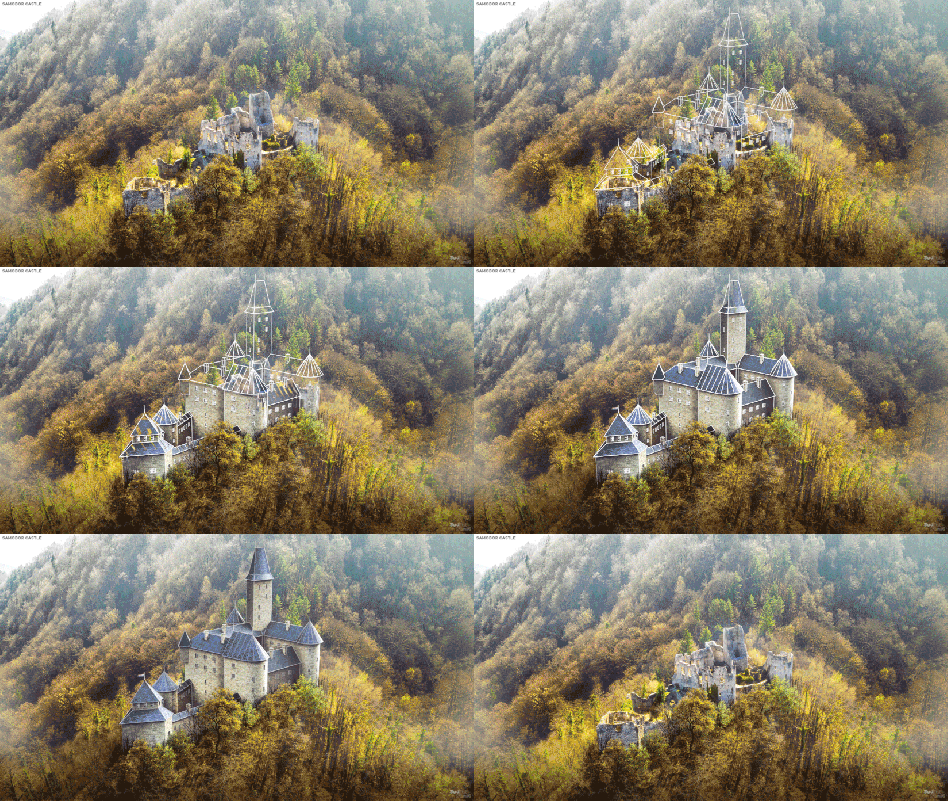
Seven European castles were virtually rebuilt, restoring them from their keeps to their baileys. Architects pored over old paintings, blueprints, and other research documents that describe the strongholds, then offered their opinions to the NeoMam Studios design team, which digitally revived the structures from the ground up.
From a Sotheby’s Online Magazine (March 26, 2020):
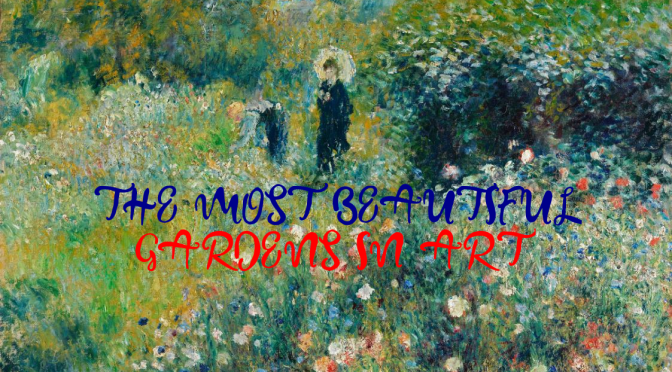
From Sargent to Sorolla, Jonas Wood to Winston Churchill, Berkshire to Bali — how artists have found solace and inspiration in gardens the world over.

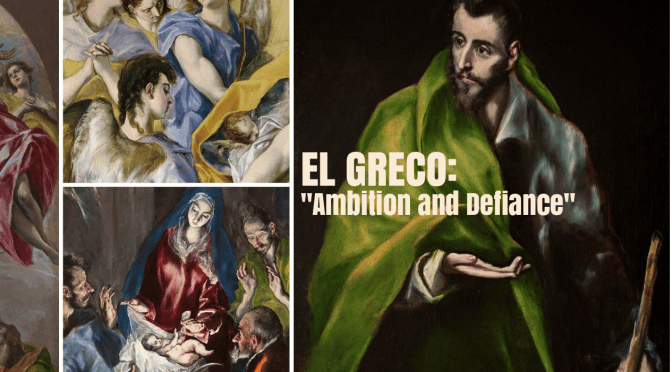
 Explore the exhibition “El Greco: Ambition and Defiance” with curator Rebecca Long and research associate Jena Carvana. Follow along as they lead you through the galleries and share some of the reasons El Greco and his work continue to fascinate us.
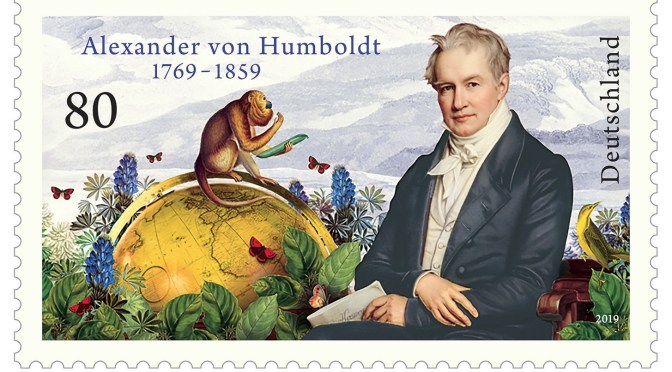
 Alexander von Humboldt might not be a name you know, but you can bet you know his ideas. Back when the United States were a wee collection of colonies huddled on the eastern seaboard, colonists found the wilderness surrounding them scary.
 It took a zealous Prussian explorer with a thing for barometers to show the colonists what they couldn’t see: a global ecosystem, and their own place in nature. In this 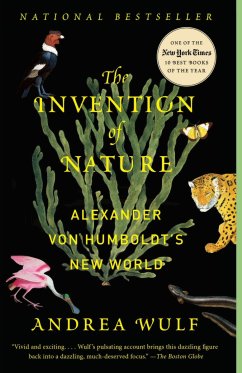 episode, we learn how Humboldt—through science and art—inspired a key part of America’s national identity.
More fascinating Humboldt facts:
If you’re interested in learning more about the life and times of Alexander von Humboldt, I’d recommend reading Andrea Wulf’s book The Invention of Nature: Alexander von Humboldt’s New World.
From the New York Times (March 26, 2020):
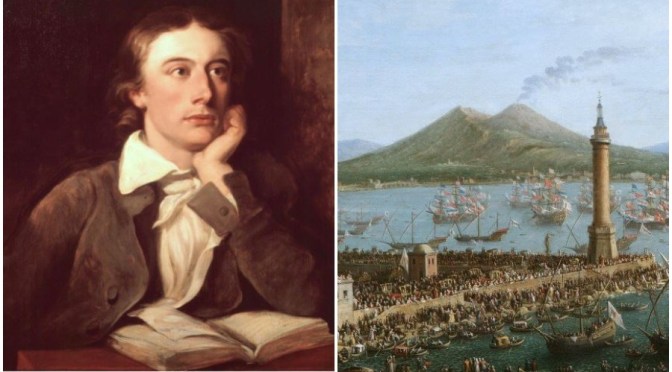
I have seen Naples from his vantage of a ship anchored offshore — one of the most sublime locations in the world, that sweep of coast stacked with apricot, carmine, azure and rose villas; the blue, blue U of the harbor; the emphatic Vesuvius anchoring the view.
In October of 1820, typhus raged in Naples. With his artist friend, Joseph Severn, the British poet John Keats rocked in the city’s harbor for 10 days, not nearly the quaranta giorni — 40 days — that give us our word quarantine.
Before this journey, Keats always felt intense melancholy. In “On Seeing the Elgin Marbles for the First Time,” he wrote “… mortality / Weighs heavily on me like unwilling sleep.” (And in the smooth pentameter of “Ode to a Nightingale”: “I have been half in love with easeful death.”) Not a holiday, this voyage out of England was a desperate trip to the sunny climate of Italy. His cough had grown steadily worse. Since the morning he’d seen a splotch of blood on his pillow, he knew he had little chance of surviving the consumption that had invaded his lungs. His last-ditch: Go to Rome. Meanwhile, exile at sea.
100 years ago the brothers Adolf (“Adi”) and Rudolf Dassler made their first pair of sports shoes. Hundreds of groundbreaking designs, epic moments, and star-studded collabs later, this book presents the first visual review of the adidas shoe through more than 350 models including never-before-seen prototypes and one-of-a-kind originals.
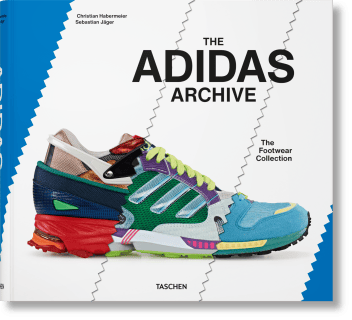 thank you after winning a title or breaking a world record). This collection now makes up the “adidas archive”, one of the largest, if not the largest archive of any sports goods manufacturer in the world—which photographers Christian Habermeier and Sebastian Jäger have been visually documenting in extreme detail for years.
Shot using the highest reproduction techniques, these images reveal the fine details as much as the stains, the tears, the repair tape, the grass smudges, the faded autographs. It’s all here, unmanipulated and captured in extremely high resolution—and with it comes to light the personal stories of each individual wearer. We encounter the shoes worn by West Germany’s football team during its “miraculous” 1954 World Cup win and those worn by Kathrine Switzer when she ran the Boston Marathon in 1967, before women were officially allowed to compete; custom models for stars from Madonna to Lionel Messi; collabs with the likes of Kanye West, Pharrell Williams, Raf Simons, Stella McCartney, Parley for the Oceans or Yohji Yamamoto; as well as the brand’s trailblazing techniques and materials, like its pioneering use of plastic waste that is intercepted from beaches and coastal communities.

Accompanied by a foreword by designer Jacques Chassaing and expert texts, each picture tells us the why and the how, but also conveys the driving force behind adidas. What we discover goes beyond mere design; in the end, these are just shoes, worn out by their users who have loved them—but they are also first-hand witnesses of our sports, design, and culture history, from the beginnings of the Dassler brothers and the founding of adidas until today.
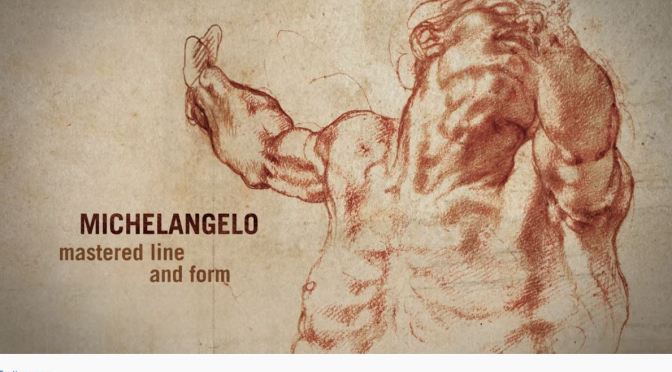
Take a visual journey into the mind of Michelangelo, a painter, sculptor, architect, draftsman, and one of the most creative and influential artists in the history of Western art. See how he used drawings to create, explore, and prepare for some of his most famous works of art. Produced for the J. Paul Getty Museum’s exhibition, “Michelangelo: Mind of the Master.” https://www.getty.edu/art/exhibitions…
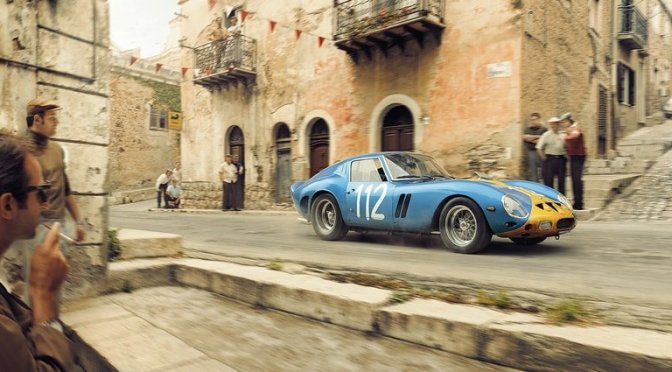
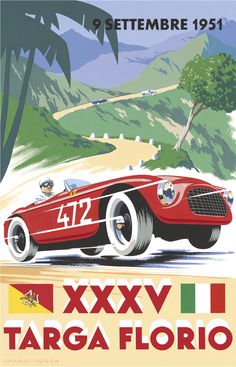 The Targa Florio was an open road endurance automobile race held in the mountains of Sicily near the island’s capital of Palermo. Founded in 1906, it was the oldest sports car racing event, part of the World Sportscar Championship between 1955 and 1973. While the first races consisted of a whole tour of the island, the track length in the race’s last decades was limited to the 72 kilometres (45 mi) of the Circuito Piccolo delle Madonie, which was lapped 11 times.
After 1973, it was a national sports car event until it was discontinued in 1977 due to safety concerns. It has since been run as a rallying event, and is part of the Italian Rally Championship.
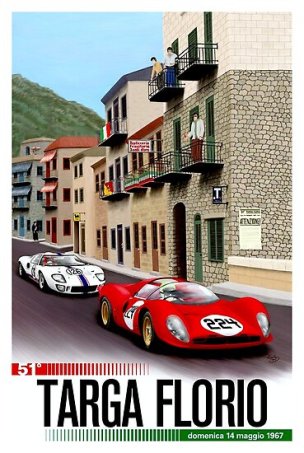 The race was created in 1906 by the wealthy pioneer race driver and automobile enthusiast, Vincenzo Florio, who had started the Coppa Florio race in Brescia, Lombardy in 1900. The Targa also claimed to be a worldly event not to be missed. Renowned artists, such as Alexandre Charpentier and Leonardo Bistolfi, were commissioned to design medals. A magazine was initiated, Rapiditas, which aimed to enhance, with graphic and photographic reproductions of the race, the myth of the car and the typical character of modern life, speed.[1]
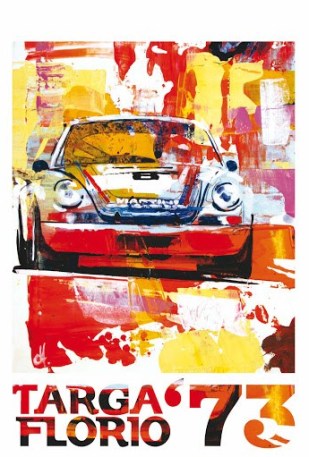 One of the toughest competitions in Europe, the first Targa Florio covered 3 laps equalling 277 miles (446 km) through multiple hairpin curves on treacherous mountain roads, at heights where severe changes in climate frequently occurred. Alessandro Cagno won the inaugural 1906 race in nine hours, averaging 30 miles per hour (50 km/h).
By the mid-1920s, the Targa Florio had become one of Europe’s most important races, as neither the 24 Hours of Le Mans nor the Mille Miglia had been established yet. Grand Prix races were still isolated events, not a series like today’s F1.
After winning the race several times, Porsche named the hardtop convertible version of the 911 after the Targa. The name targa means plaque or plate, see targa top.
From Wikipedia
Discover Alabama’s rich history as we reveal the vast discoveries that forged a path to equality for millions. The story of the Cotton State has as many dramatic turns as the tracks of the Talladega Superspeedway.

 Intellicurious