
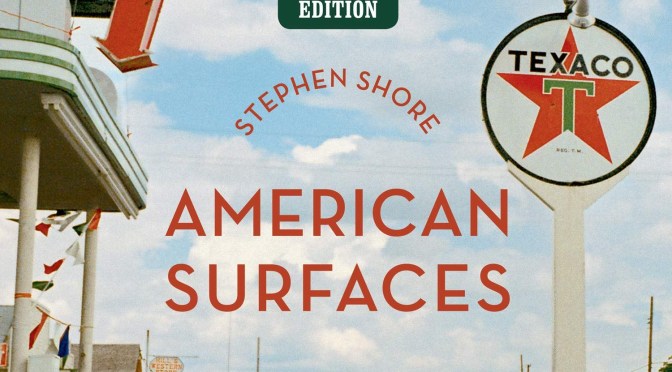
 Stephen Shore’s images from his travels across America in 1972-73 are considered the benchmark for documenting the extraordinary in the ordinary and continue to influence photographers today.
The original edition of American Surfaces, published by Phaidon in 2005, brought together 320 photographs sequenced in the order in which they were originally documented. Now, in the age of Instagram and nearly 50 years after Shore embarked on his cross-country journey, this revised and expanded edition will bring this seminal work back into focus.
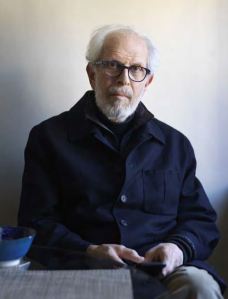
Stephen Shore is one of the most influential living photographers. His photographs from the 1970s, taken on road trips across America, established him as a pioneer in the use of color in art photography. He is director of the photography program at Bard College, New York.
Teju Cole is a novelist, photographer, critic, curator, and author. He is the Gore Vidal Professor of the Practice of Creative Writing at Harvard.
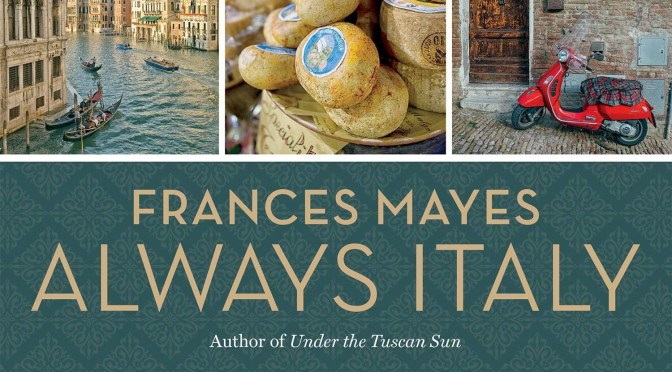
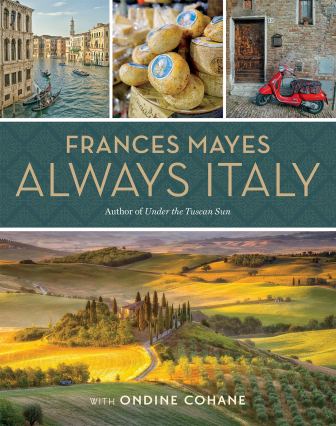 From the colorful coastline of Cinque Terre and the quiet ports of the Aeolian Islands to the Renaissance architecture of Florence and the best pizza in Rome, every section features insider secrets and off-the-beaten-path recommendations (for example, a little restaurant in Piedmont known for its tajarin, a pasta that is the perfect bed for the region’s celebrated truffles).
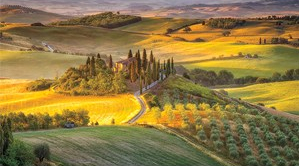 Filled with gently undulating hills, golden stone buildings, pristine vineyards, and glorious art, central Italy epitomizes the joys of this country. Do you love exquisite Renaissance architecture, painting, and sculpture, along with artisanal shopping? Or do you seek medieval winding alleys and formidable fortresses along with adrenaline-filled festivals? Head to Siena, where a central grand piazza hosts the Palio, the bareback horse race that has been a town fixture for centuries. Perhaps you love pasta along with architecture? Head to Rome, where layers upon layers of history unveil themselves as you walk past treasures like the Forum or the Circus Maximus, all within sight of vibrant new cafés and bars and beloved trattorias.
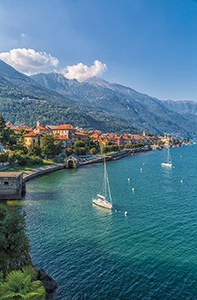 In Piedmont’s Barolo and Barbaresco wine-growing districts, vintners aren’t allowed to plant the sacred nebbiolo grape on north-facing hillsides, so hazelnut trees often fill those slopes. That most nutty of nuts, blended with rich chocolate, is a marriage of true minds, although the wedding was originally one of convenience. In the early 19th century, when trade embargoes and the Napoleanic wars caused chocolate imports to shrink, nuts extended the quantity. Turin, gateway to the castle-topped, hills of Piedmont, is one of the primo food cities in Europe. It’s regal, thanks to the palaces, ballrooms, libraries, and gardens of the Savoy rulers, who also infused the cuisine with French influences. Vintage and new trams run around the centro. The tree-lined streets, shady river walks, and numerous parks keep this the greenest city in Italy.
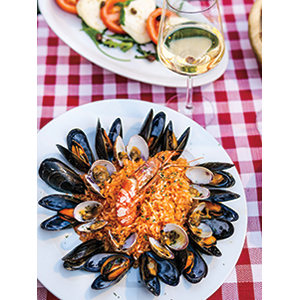 The majority of Lazio’s wines are white. Frascati is ubiquitous. There’s that word: drinkable. And they are. Light and summery, they’re able to heft a bit of gravitas too. From the island of Ponza, Casale del Giglio sends forth the chalky, fruity Biancolella Faro della Guardia. Biancolella is a grape variety grown only on the island. Three vineyards stand out for consistent high quality. Montiano, a merlot, is one of the region’s best wines. Next is the Sergio Mottura winery, known for its grechetto, Poggio della Costa. This pale beauty, with a whiff of citrus blossoms and stone, garners top ratings and the bonus of being well priced. Poggio Le Volpi’s Bacca Rossa, from the nero buono grape, makes an earthy and spicy partner to pasta with sausage and four cheeses. In Rome, wine nuts must feel a magnetic pull to Ristorante Casa Bleve.


 “When you listen and really grasp what another person is saying, your brainwaves and those of the speaker are literally in sync. By looking at brain scans, neuroscientists have found that the greater overlap and similarity of neural impulses between speaker and listener, the greater the understanding. It’s observable, measurable proof of listening, comprehension, and connection. You know it’s happening when you have that “Oh I get it” moment or sense of clarity when someone else is talking. You’re on the same wavelength, even if you don’t necessarily agree.”



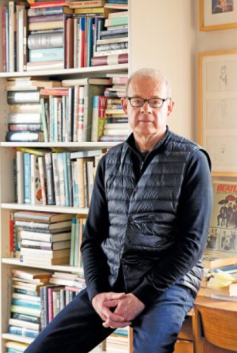

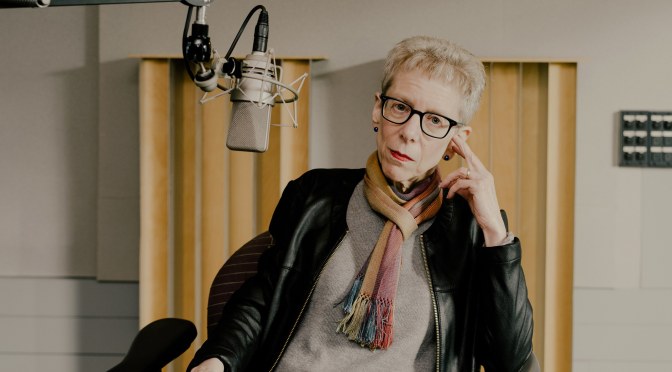
 David Remnick has appeared as the guest of Terry Gross on “Fresh Air” a number of times over the years, talking about Russia, Muhammad Ali, and other subjects. Hosting “Fresh Air” for nearly forty-five years, Gross is a defining voice of NPR, and is perhaps the most celebrated interviewer of our time.
  Intellicurious