
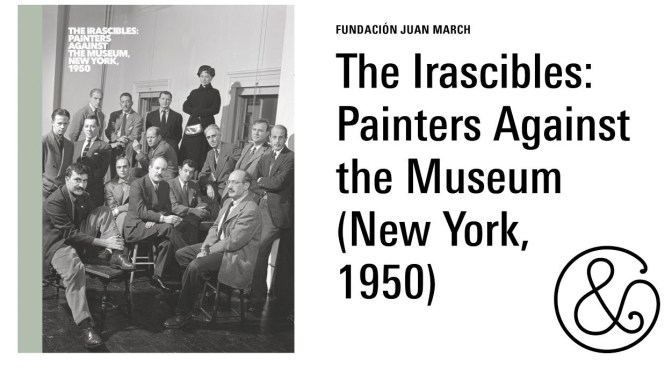
The first documentation of the legendary 1950 showdown between 18 leading abstract expressionists and the Metropolitan Museum of Art
In 1950, 18 American abstract painters signed an open letter addressed to the president of the Metropolitan Museum of Art to express their intense disapproval of the museum’s contemporaneous exhibit American Painting Today: 1950. The artists were William Baziotes, James Brooks, Fritz Bultman, Jimmy Ernst, Adolph Gottlieb, Hans Hofmann, Weldon Kees, Willem de Kooning, Robert Motherwell, Barnett Newman, Jackson Pollock, Richard Pousette-Dart, Ad Reinhardt, Mark Rothko, Theodoros Stamos, Hedda Sterne, Clyfford Still and Bradley Walker Tomlin.
This artistic coalition, which included many members of the New York School and is now considered a watershed movement in mid-20th-century American art history, challenged the museum’s policies for their narrow understanding of what made certain art worth exhibiting. Though they resisted being labeled as a collective, media coverage of the museum boycott, which included a now-famous group portrait in Life magazine taken by photographer Nina Leen, ultimately contributed to the success of the 18 “irascibles” in what became known as the abstract expressionist movement.
This publication collects 18 paintings by the artists, images from Leen’s photoshoot and extensive documentation of the letter-writing process with relevant catalogs and magazines. Featuring more than 230 illustrations alongside original essays by several art historians and curators that examine the complex history of the New York School, this volume serves as a time capsule of the exciting period of early abstract expressionism in the United States.
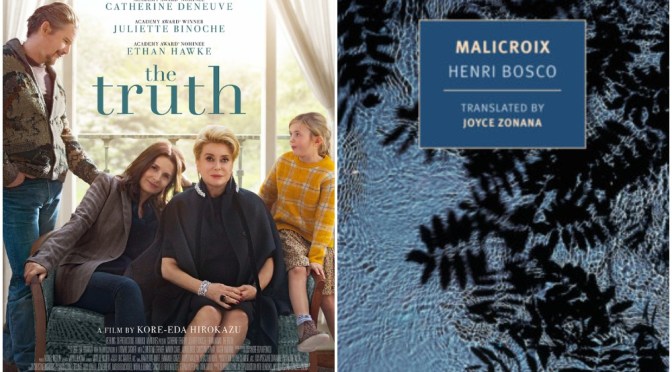
 This week, Medaya speaks with acclaimed filmmaker Hirokazu Kore-eda about his new film, The Truth (La Vérité), starring French film screen legends Catherine Deneuve and Juliette Binoche. Kore-eda discusses complicated family dynamics, the relationship between art and truth-telling and what brought him to France.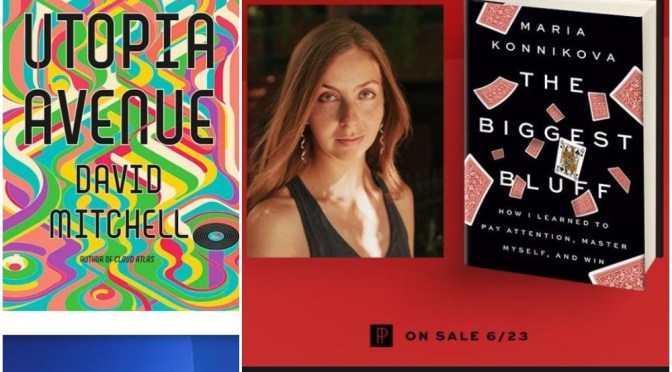
 Daniel Mendelsohn discusses Mitchell’s career and new novel, “Utopia Avenue,” and Maria Konnikova talks about “The Biggest Bluff.”
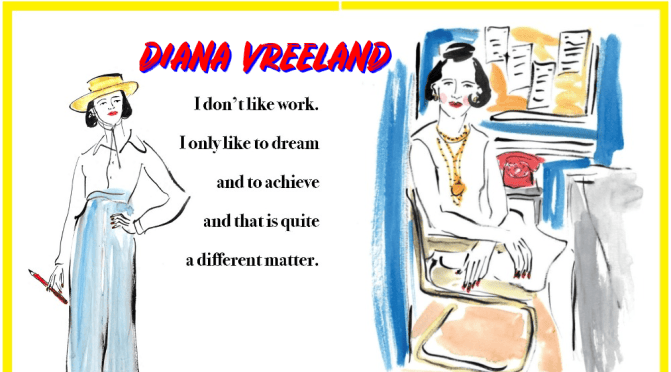
 Alexander Vreeland, grandson of fashion journalist Diana Vreeland, tells us about his new book, ‘Bon Mots: Words of Wisdom from the Empress of Fashion’.
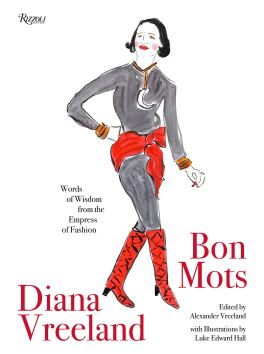 Diana Vreeland’s insightful edicts and evocative aphorisms remain her strongest legacy. She looked at life as a romantic and lived through dreams and imagination. Showing leadership, vision, and timeless wit, this book celebrates her visionary words that not only transformed the world of fashion, but also gave us sage advice to live by.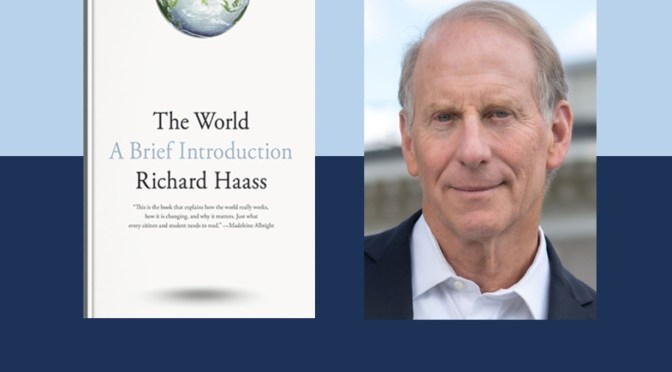
 “The whole lesson of this pandemic, and the whole lesson of 9/11, is we can’t ignore the world, or if we do ignore the world, it’s at our peril,” Haass says. “These oceans that surround us are not moats. We’ve got to pay attention to the world and we’ve got to fix things here at home.”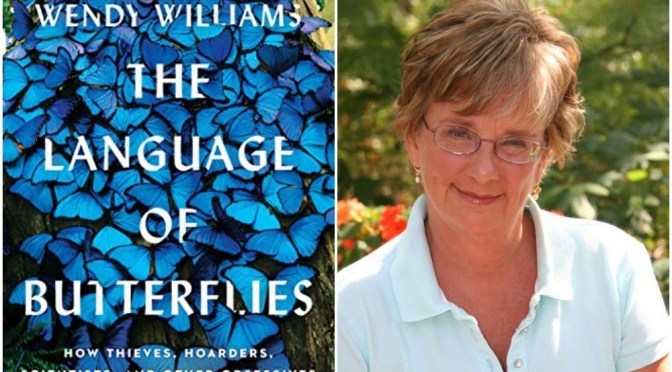
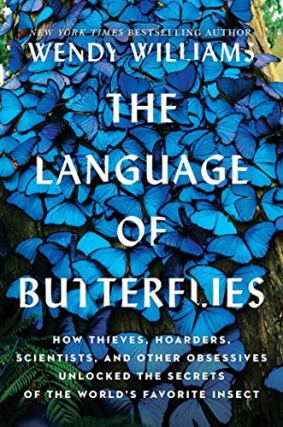 Butterflies are one of the world’s most beloved insects. From butterfly gardens to zoo exhibitions, they are one of the few insects we’ve encouraged to infiltrate our lives. Yet, what has drawn us to these creatures in the first place? And what are their lives really like? In this groundbreaking book, New York Times bestselling author and science journalist Wendy Williams reveals the inner lives of these “flying flowers”—creatures far more intelligent and tougher than we give them credit for.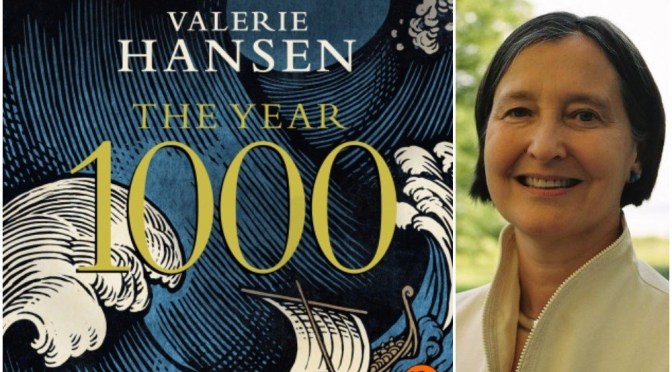
 Valerie Hansen explores these early economic and cultural exchanges and their long-term impact in her new book “The Year 1000: When Explorers Connected the World―and Globalization Began”, which originated as a college course co-taught with Mary Miller, director of the Getty Research Institute. In this episode, Hansen and Miller discuss the state of the world around the year 1000.
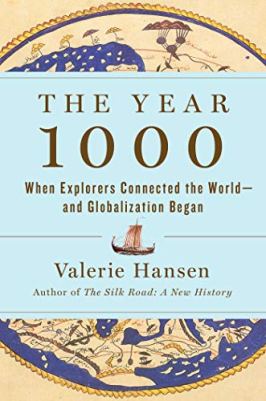 From celebrated Yale professor Valerie Hansen, a groundbreaking work of history showing that bold explorations and daring trade missions connected all of the world’s great societies for the first time at the end of the first millennium.
 Intellicurious