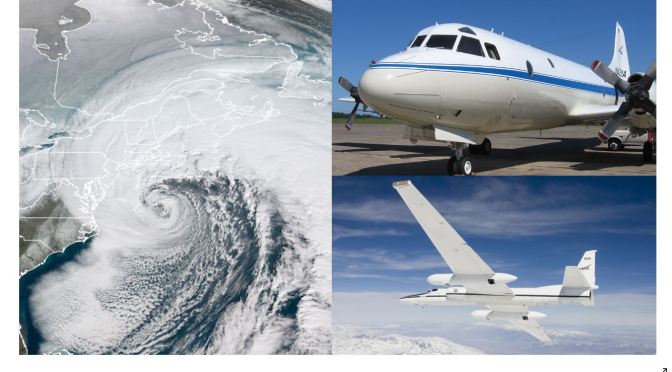


This winter, NASA is sending a team of scientists, a host of ground instruments, and two research aircraft to study the inner workings of snow storms. The Investigation of Microphysics Precipitation for Atlantic Coast-Threatening Snowstorms, or IMPACTS, field campaign will be the first comprehensive study of East Coast snowstorms in 30 years.
Music credit: “Snowfall” by Andy Blythe [PRS], Marten Joustra [PRS], “Snow Blanket” by Benjamin James Parsons [PRS] from Universal Production Music
Credit: NASA’s Goddard Space Flight Center/Scientific Visualization Studio
Katie Jepson (USRA): Lead Producer, Narrator
Ellen T. Gray (ADNET): Lead Writer
Jacquelyn DeMink (USRA): Lead Animator
Kathryn Mersmann (USRA): Project Support
LK Ward (USRA):Project Support
Aaron E. Lepsch (ADNET): Technical Support
This video is public domain and along with other supporting visualizations can be downloaded from NASA Goddard’s Scientific Visualization Studio at: https://svs.gsfc.nasa.gov/13519
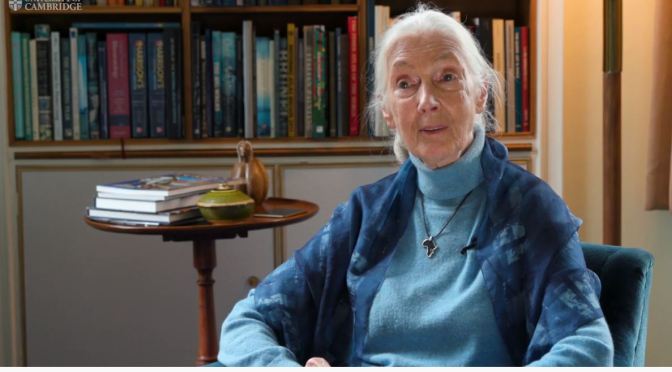
In a new film released as part of Cambridge University’s focus on Sustainable Earth, Dr Jane Goodall DBE talks about the environmental crisis and her reasons for hope. “Every single day that we live, we make some impact on the planet. We have a choice as to what kind of impact that is.”
At the age of 26, Jane Goodall travelled from England to what is now Tanzania, Africa, and ventured into the little-known world of wild chimpanzees. Among her many discoveries, perhaps the greatest was that chimpanzees make and use tools. She completed a PhD at Newnham College in Cambridge in 1966, and subsequently founded the Jane Goodall Institute in 1977 to continue her conservation work and the youth service programme Roots & Shoots in 1991.
She now travels the world as a UN Messenger of Peace. “The human spirit is indomitable. Throughout my life, I’ve met so many incredible people – men and women who tackle what seems impossible and won’t give up until they succeed. With our intellect and our determined spirit, and with the tools that we have now, we can find a way to a better future.”
Cambridge University’s focus on Sustainable Earth looks at how we transition to a carbon zero future, protect the planet’s resources, reduce waste and build resilience.

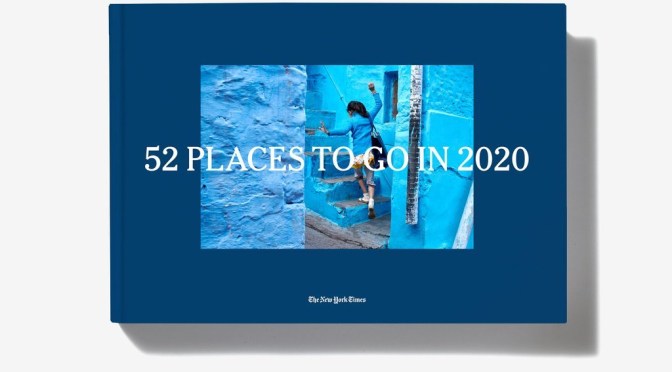
Through more than 100 full-color photographs, “52 Places to Go in 2020” takes you to tranquil beaches, ice kingdoms, ground-breaking museums, jungle paradises, picturesque mountains and world-class restaurants.
And for those who like to keep their travels close to home, it contains seven surprising locations in America, including (spoiler alert) Washington, D.C., the No. 1 destination of 2020.
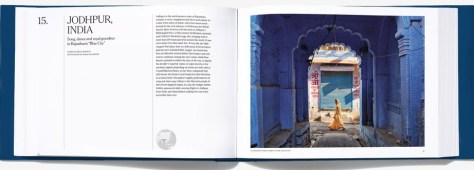
Take a trip around the world with this must-have book detailing our selection of the top destinations of 2020. Whether you’re a frequent flier, weekend traveler or daring explorer, The Times’s annual “52 Places to Go” list will help you plan vacations, set aspirations and check off bucket lists. For the first time, the 52 locations are presented as a hardcover book packed with photographs, maps and information.
The Times has been publishing “Places to Go” in its Travel section since 2006 to inspire, delight and motivate readers to explore the world. This year’s list provides travel inspiration to cities and countries that are amazing, beautiful, culturally significant and, most important, timely. Each destination has a compelling reason to visit this year.
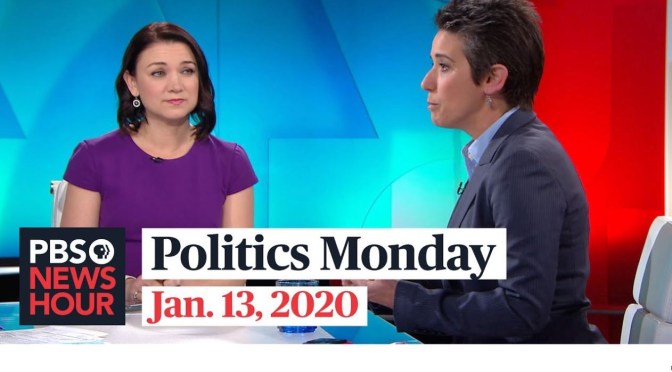
NPR’s Tamara Keith and Amy Walter of the Cook Political Report join Judy Woodruff to discuss the latest political news, including shifting poll numbers from Iowa that show strength for former Vice President Joe Biden, the withdrawal of Sen. Cory Booker from the 2020 presidential race, signs of animosity between Sens. Elizabeth Warren and Bernie Sanders and what President Trump is tweeting.
Medicare for All? ACA? Another option? This event will explore health insurance proposals during the 2020 Presidential election year. Webcast, Jan 13, noon-1pm ET.
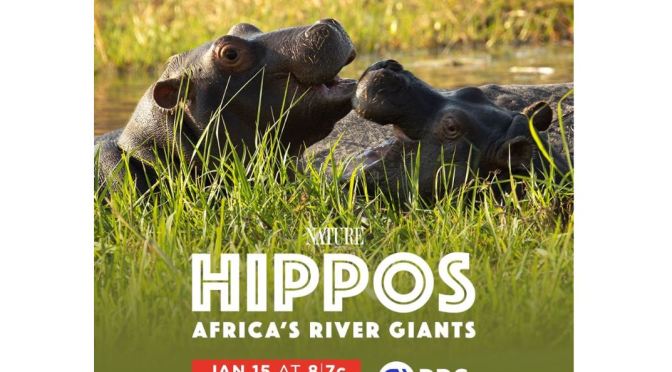
Follow director Brad Bestelink as he captures the lives of hippos, a task that few filmmakers have attempted before.
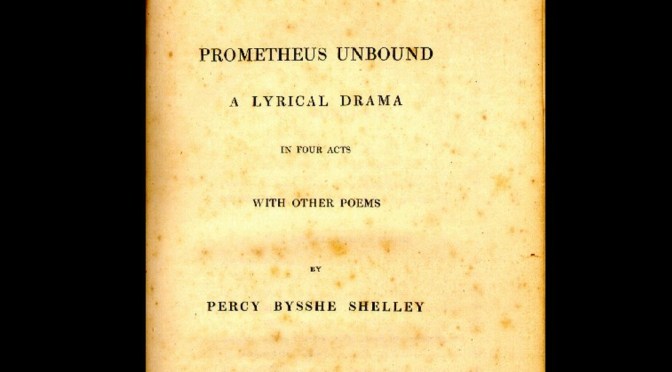
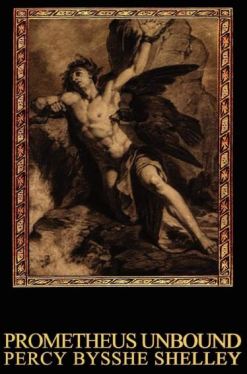 Prometheus Unbound is a four-act lyrical drama by Percy Bysshe Shelley, first published in 1820. It is concerned with the torments of the Greek mythological figure Prometheus, who defies the gods and gives fire to humanity, for which he is subjected to eternal punishment and suffering at the hands of Zeus. It is inspired by the classical Prometheia, a trilogy of plays attributed to Aeschylus. Shelley’s play concerns Prometheus’ release from captivity, but unlike Aeschylus’ version, there is no reconciliation between Prometheus and Jupiter (Zeus). Instead, Jupiter is abandoned by his supportive elements and falls from power, which allows Prometheus to be released.
Excerpt:
As you speak, your words
Fill, pause by pause, my own forgotten sleep
With shapes. Methought among these lawns together
We wandered, underneath the young gray dawn,
And multitudes of dense white fleecy clouds
Were wandering in thick flocks along the mountains
Shepherded by the slow, unwilling wind;
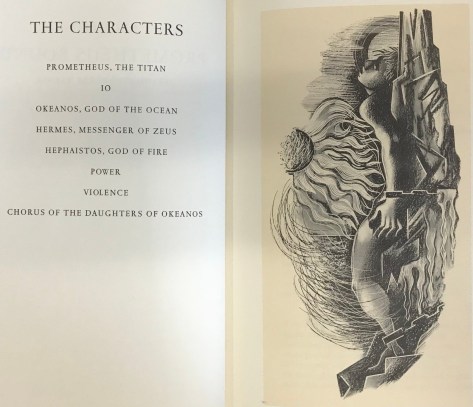
Political – Prometheus, then, is also Shelley’s answer to the mistakes of the French Revolution and its cycle of replacing one tyrant with another. Shelley wished to show how a revolution could be conceived which would avoid doing just that, and in the end of this play, there is no power in charge at all; it is an anarchist’s paradise.
Shelley finishes his “Preface” to the play with an evocation of his intentions as a poet:
My purpose has hitherto been simply to familiarize the highly refined imagination of the more select classes of poetical readers with beautiful idealisms of moral excellence; aware that, until the mind can love, and admire, and trust, and hope, and endure, reasoned principles of moral conduct are seeds cast upon the highway of life which the unconscious passenger tramples into dust, although they would bear the harvest of his happiness.
From Wikipedia