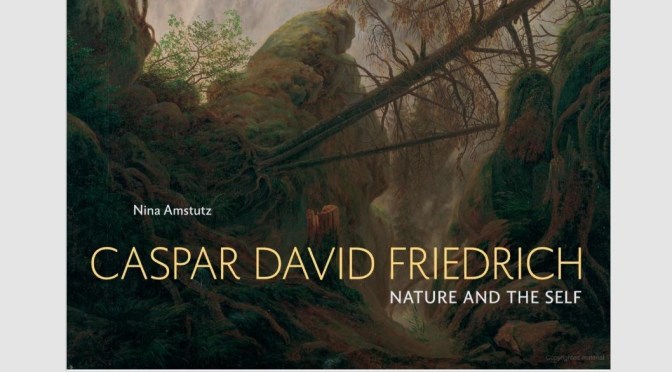
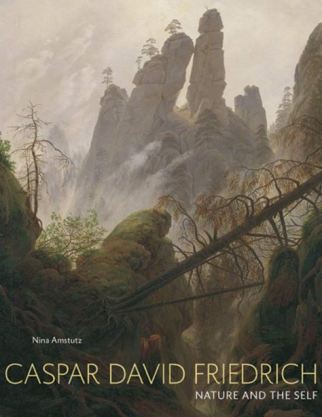
 In this revelatory book, Nina Amstutz combines fresh visual analysis with broad interdisciplinary research to investigate the intersection of landscape painting, self-exploration, and the life sciences in Friedrich’s mature work. Drawing connections between the artist’s anthropomorphic landscape forms and contemporary discussions of biology, anatomy, morphology, death, and decomposition, Amstutz brings Friedrich’s work into the larger discourse surrounding art, nature, and life in the 19th century.
Best known for his atmospheric landscapes featuring contemplative figures silhouetted against night skies and morning mists, Caspar David Friedrich (1774–1840) came of age alongside a German Romantic philosophical movement that saw nature as an organic and interconnected whole. The naturalists in his circle believed that observations about the animal, vegetable, and mineral kingdoms could lead to conclusions about human life. Many of Friedrich’s often-overlooked later paintings reflect his engagement with these philosophical ideas through a focus on isolated shrubs, trees, and rocks. Others revisit earlier compositions or iconographic motifs but subtly metamorphose the previously distinct human figures into the natural landscape.
Nina Amstutz is assistant professor in the history of art and architecture at the University of Oregon.
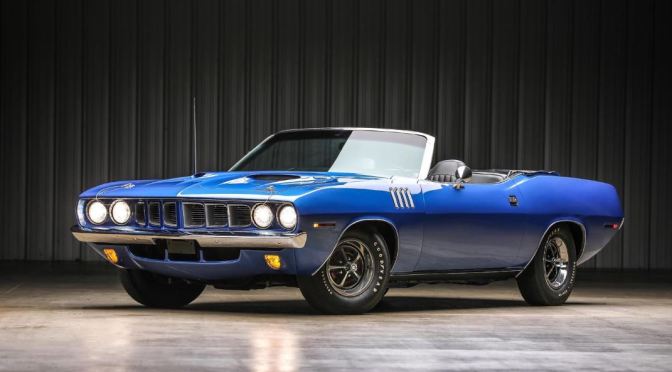
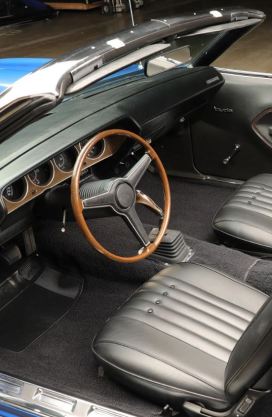 The Plymouth Barracuda is a two-door
  The redesign for the 1970 Barracuda removed all its previous commonality with the Valiant. The original fastback design was deleted from the line and the Barracuda now consisted of coupe and convertible models. The all-new model, styled by John E. Herlitz, was built on a shorter, wider version of Chrysler’s existing B platform, called the E-body. Sharing this platform was the newly launched Dodge Challenger; however no exterior sheet metal interchanged between the two cars, and the Challenger, at 110 inches (2,794 mm), had a wheelbase that was 2 inches (51 mm) longer than the Barracuda.



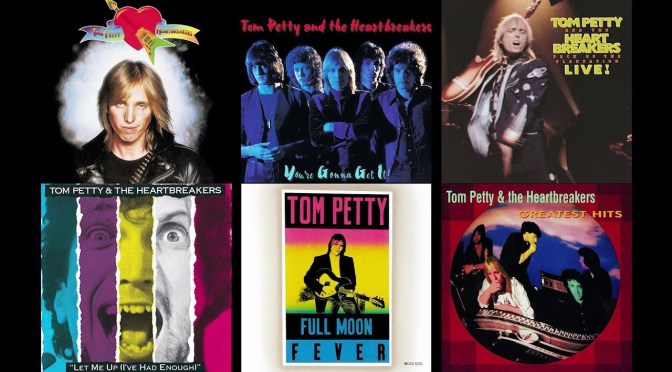
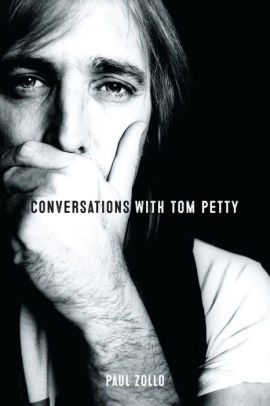 Author Paul Zollo conducted a series of in-depth discussions with Tom about his career, with special focus on his songwriting. The conversations are reprinted here with little or no editorial comment and represent a unique perspective on Tom’s entire career. Originally published in 2005 (also by Omnibus Press), Tom’s wife Dana has fully approved this updated edition, which retains its foreword by Petty, adds additional interview material, an expanded introduction as well as additional photos from Petty’s last ever live performance. This is, perhaps, as close as you can get to an autobiography by the great man.