All posts by Intellicurious

News, Views and Reviews for the Intellectually Curious

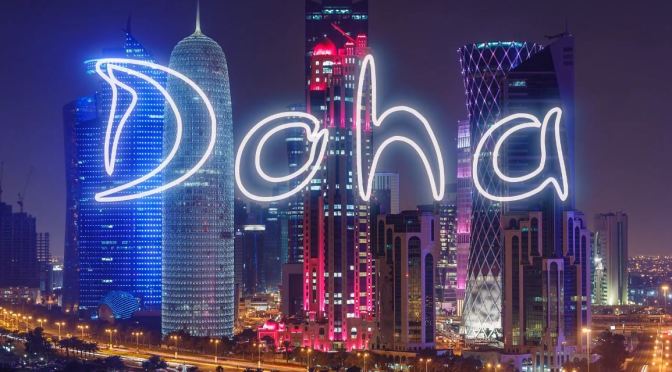
Timelapse Travel Videos: “Doha, Qatar” On The Persian Gulf (March 2020)

Filmed and Edited by: Kirill Neiezhmakov

Picture an impressive skyline with buildings that are so innovative they verge on being works of art, and a waterfront promenade that effortlessly houses the traditional alongside the ultra-modern.

For centuries, Doha was a fishing village known for its pearl trade. The country’s pearl divers were famed for their skill in finding the largest and most perfectly formed pearls, and the original village (which was known as Al Bidda) was also a busy fishing port for generations. With the wealth gained from the oil trade in the 20th century, Doha became one of the key commercial centres for the entire region. Today, it is the economic and metropolitan centre of the State of Qatar and an epicentre for business and finance in the Middle East.

Sites of interest include Clock Tower Square, the souk (marketplace), and Government House (1969), built on reclaimed waterfront land. Further cultural developments include the establishment of a world-class Museum of Islamic Art (2008; designed by I.M. Pei) on an island offshore. Doha International Airport is located just southeast of the city.
Website

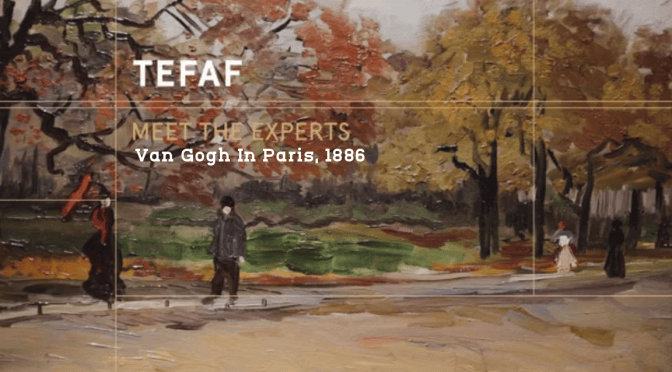
Art: “Van Gogh In Paris, 1886” (Hammer Galleries)

TEFAF’s Meet the Experts presents Howard Shaw from Hammer Gallery shares what Van Gogh would have most likely seen when he visited Paris in 1886. This period of Van Gogh’s life is pivotal to his works as an artist.

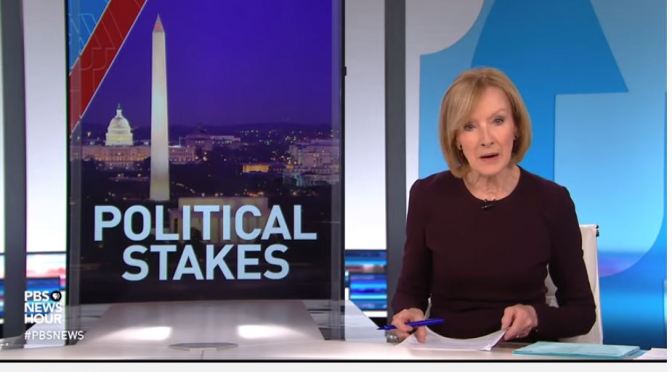
Political News: Tamara Keith And Amy Walter On Latest In Washington (PBS)

NPR’s Tamara Keith and Amy Walter of the Cook Political Report join Judy Woodruff to discuss the latest political news, including how President Trump’s approval ratings have changed amid the coronavirus pandemic, the tendency of American voters to rally around leaders during a crisis and what these unprecedented circumstances mean for the 2020 presidential election.

Survey: Most Americans “Feel Sleepy” 3+ Days Per Week, With Negative Impact On Daily Life (NSF)

National Sleep Foundation logo

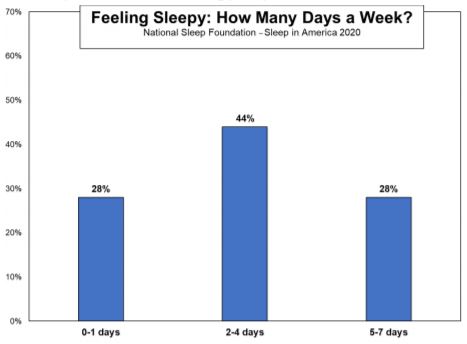
Just 16 percent say they don’t feel sleepy at all in a typical week (this excludes sleepiness at bedtime and when waking up). About half, by contrast, feel sleepy anywhere from three to seven days a week. That includes a big gender gap: Women report feeling sleepy 3.4 days a week, on average; men, 2.7 days. 

Feeling Sleepy How Many Days A Week National Sleep Foundation Poll March 2020


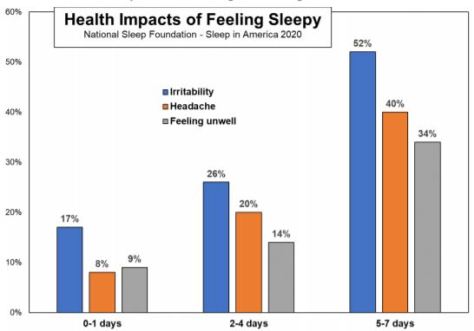
Among the approximately three in 10 Americans who have feelings of sleepiness on five to seven days a week, 52 percent report often or sometimes experiencing irritability when sleepy; 40 percent, headaches; and 34 percent, feeling unwell apart from headaches. Each is far higher than among those with fewer experiences of sleepiness.

Health Impacts of Feeling Sleepy - 2020 Sleep Foundation Study March 2020

Read full study

History: “European Castle Ruins” Digitally Restored By NeoMam Studios

From AtlasObscura.com (March 26, 2020):

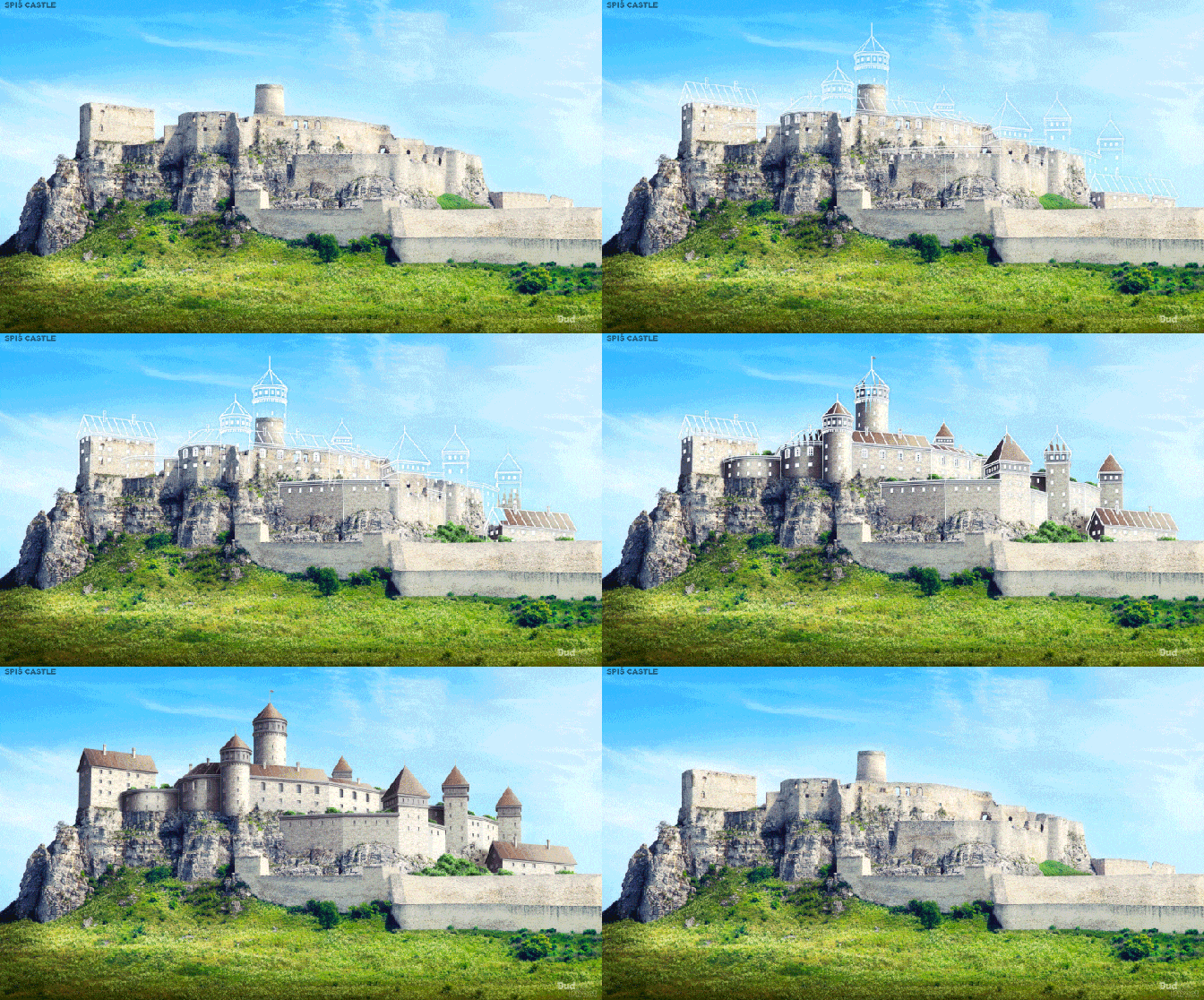
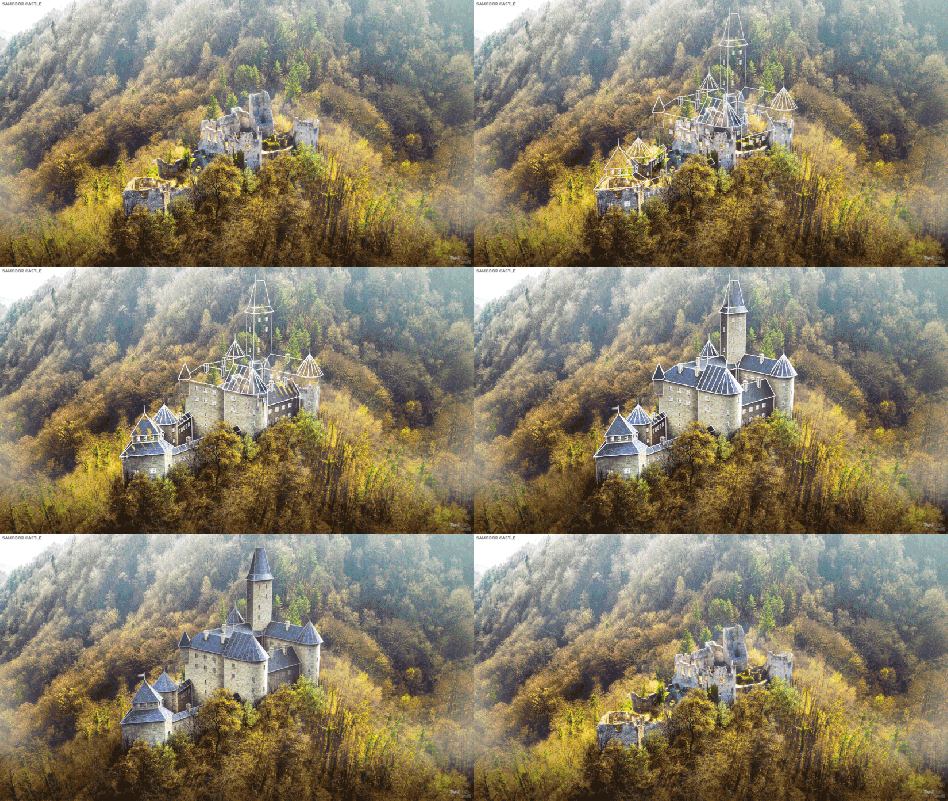
…a team of designers recently looked at the now-ruined castles of Middle Ages Europe, lifting the fortifications up from their dilapidated states and digitally reimagining the structures as they were in their heyday.

Samobor Castle Croatia - Digital Enhancement by NeoMam Studios March 2020

Seven European castles were virtually rebuilt, restoring them from their keeps to their baileys. Architects pored over old paintings, blueprints, and other research documents that describe the strongholds, then offered their opinions to the NeoMam Studios design team, which digitally revived the structures from the ground up.

NeoMam Studios website

Read full article


Art Magazines: “Apollo” April 2020 Issue Released

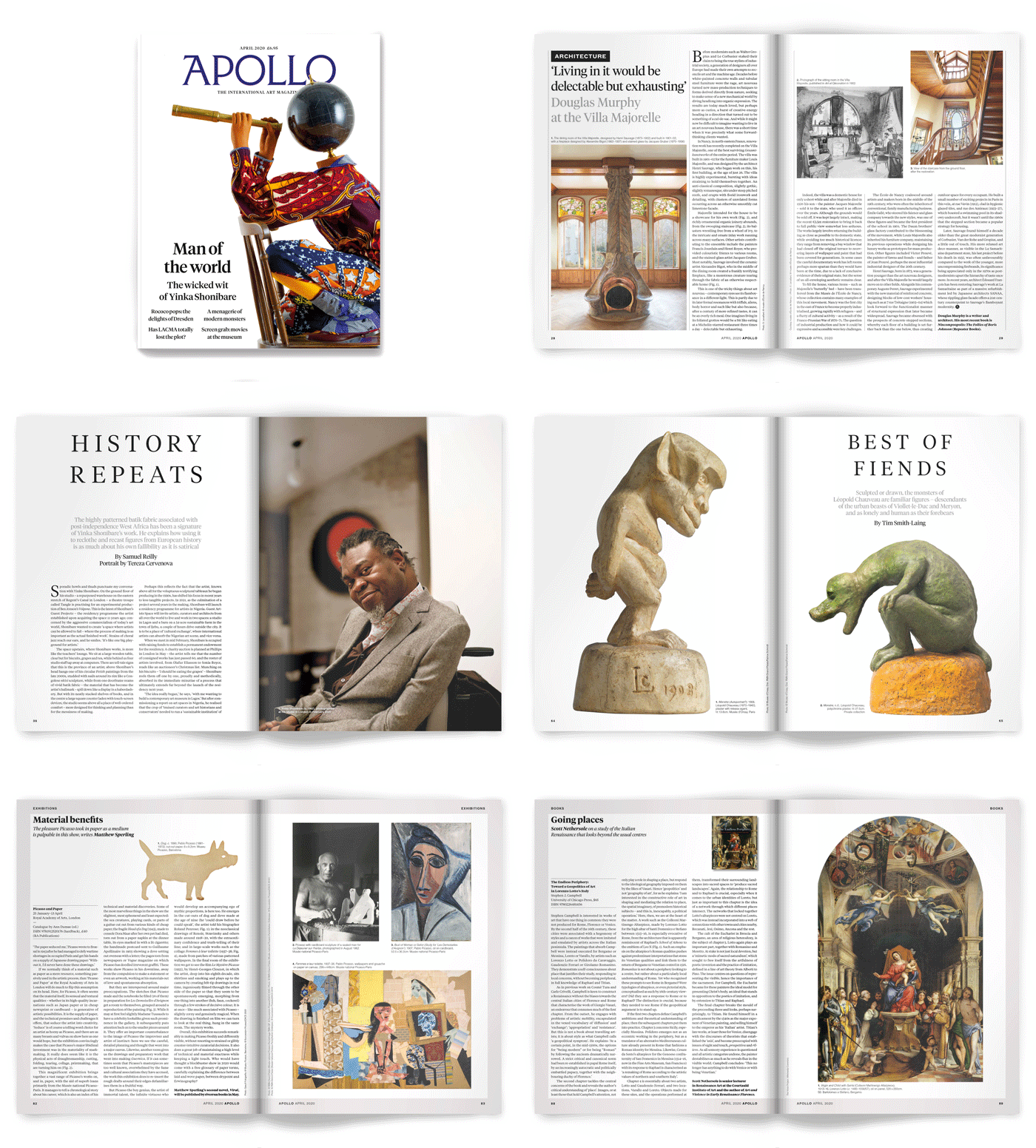
INSIDE THE ISSUE
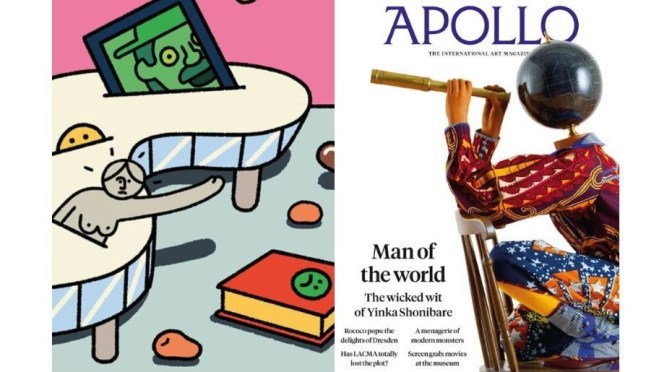
FEATURES | Michael Prodger visits the newly resplendent Gemäldegalerie Alte Meister in Dresden; Yinka Shonibare talks to Samuel Reilly; Seamus Perry considers the visual qualities of Wordsworth’s poems; Tim Smith-Laing on the modern monsters of Léopold Chauveau; Emilie Bickerton looks at how museums tackle the subject of cinema; Christopher Turner talks to Grażyna Kulczyk, founder of the Muzeum Susch
REVIEWS | Matthew Sperling on Picasso’s works on paper at the Royal Academy; Nicholas Hatfull on Edward Hopper at the Fondation Beyeler; Scott Nethersole on Renaissance art in the regions of Italy; Alan Powers on the life of Humphrey Stone; Max Norman on a new study of Poussin; Peter Parker on John Minton’s illustrations for Elizabeth David’s cookery books
MARKET | Tim Maxwell and Tamara Bell on cybersecurity; and the latest art market columns from Susan Moore and Emma Crichton-Miller
PLUS | Matt Stromberg and J. Patrice Marandel consider if LACMA has lost its way; Kitty Hauser takes a personal view of the bushfires in Australia; Rachel Cohen on the resurgence of interest in the painter Beauford Delaney; Fatema Ahmed on a display of chivalry in Abu Dhabi; Douglas Murphy visits an art nouveau masterpiece in Nancy; Robert O’Byrne on a talented Dutch curator; and Thomas Marks on museums and the art world in a time of crisis

Podcasts: How Foreign Governments Are Facing Covid-19 (The Economist)

A selection of essential articles read aloud from the latest issue of The Economist. This week, the role of big government in the time of covid-19, (10:20) assessing the havoc the pandemic is causing in emerging countries, (17:45).

In just a few weeks a virus a ten-thousandth of a millimetre in diameter has transformed Western democracies. States have shut down businesses and sealed people indoors. They have promised trillions of dollars to keep the economy on life support. If South Korea and Singapore are a guide, medical and electronic privacy are about to be cast aside. It is the most dramatic extension of state power since the second world war.

Read article

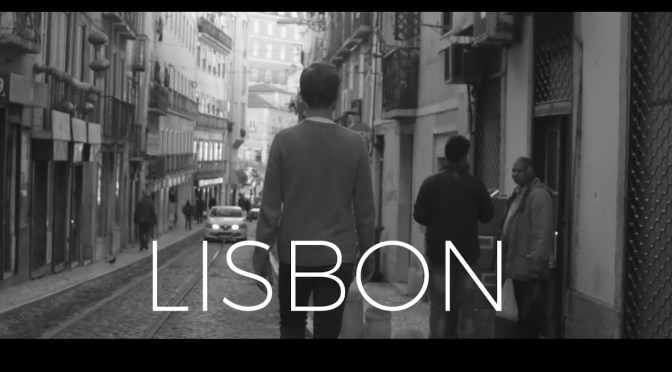
New Travel Guide Videos: “Lisbon” From Attaché

Attache logoOur Lisbon travel guide! What a treat this city is. Lisbon, and indeed much of Portugal, is a traveler’s dream come true. Easy to navigate, effortlessly enjoyable, endlessly delicious. Lisbon is a city that I could definitely live in…and I don’t say that often.

What a lot of people forget about Lisbon, and even Portugal, is their prodigious exploration over hundreds of years that created a huge global influence. And of course that legacy is experienced in Lisbon’s incredible food. Which we, of course, dive head into.

Website

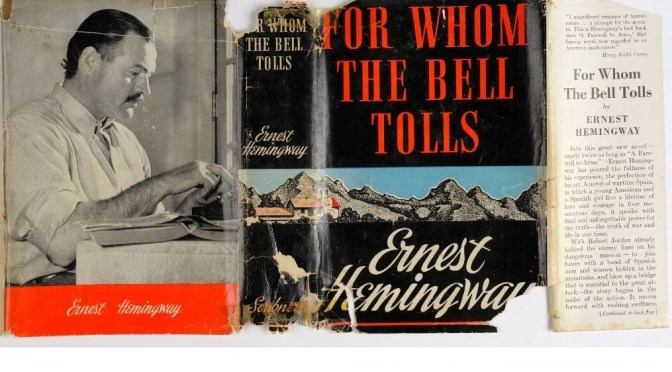
Literature: A Reading Of “For Whom The Bell Tolls” – Ernest Hemingway (1940)

A Poetry Channel logo
Website

The first three chapters of Ernest Hemingway’s classic novel.

For Whom the Bell Tolls is a novel by Ernest Hemingway published in 1940. It tells the story of Robert Jordan, a young American volunteer attached to a Republican guerrilla unit during the Spanish Civil War. As a dynamiter, he is assigned to blow up a bridge during an attack on the city of Segovia.

It was published just after the end of the Spanish Civil War (1936–1939), whose general lines were well known at the time. It assumes the reader knows that the war was between a democratically elected, pro-working-class and anti-Catholic government, supported by the Soviet Union, which many foreigners like Robert went to Spain to help, and a successful, dictatorial, Catholic, pro-landowner revolt, supported by Nazi Germany and Fascist Italy. It was commonly viewed as the dress rehearsal for the Second World War. In 1940, the year the book was published, the United States had not yet entered the war, which had begun on Sept. 1, 1939, with Nazi Germany’s invasion of Poland.

The novel is regarded as one of Hemingway’s best works, along with The Sun Also Rises, A Farewell to Arms, and The Old Man and the Sea.

Ernest Miller Hemingway (July 21, 1899 – July 2, 1961) was an American journalist, novelist, short-story writer, and sportsman. His economical and understated style—which he termed the iceberg theory—had a strong influence on 20th-century fiction, while his adventurous lifestyle and his public image brought him admiration from later generations. Hemingway produced most of his work between the mid-1920s and the mid-1950s, and he won the Nobel Prize in Literature in 1954. He published seven novels, six short-story collections, and two nonfiction works. Three of his novels, four short-story collections, and three nonfiction works were published posthumously. Many of his works are considered classics of American literature.

From Wikipedia