Tag Archives: Science

Science: Metabolic Health Markers & Obesity, Type 1 Diabetes, “Bone Rooms”

First this week, Staff Writer Jennifer Couzin-Frankel joins host Sarah Crespi to discuss the paradox of metabolically healthy obesity. They chat about the latest research into the relationships between markers of metabolic health—such as glucose or cholesterol levels in the blood—and obesity. They aren’t as tied as you might think.

Next, Colin Dayan, professor of clinical diabetes and metabolism at Cardiff University and senior clinical researcher at the Wellcome Centre for Human Genetics at the University of Oxford, joins Sarah to discuss his contribution to a special issue on type 1 diabetes. In his review, Colin and colleagues lay out research into how type 1 diabetes can be detected early, delayed, and maybe even one day prevented. Finally, in the first of a six-patrt series of book interviews on race and science, guest host Angela Saini talks with author and professor of history at the University of Massachusetts, Amherst, Samuel Redman, about his book Bone Rooms: From Scientific Racism to Human Prehistory in Museums. The two discuss the legacy of human bone collecting and racism in museums today. 
Science: 890 Million-Year-Old Sponge, Caffeinated Bees, Greenland Glaciers

Researchers debate whether an ancient fossil is the oldest animal yet discovered, and a new way to eavesdrop on glaciers.

In this episode:

01:04 Early sponge

This week in Nature, a researcher claims to have found a fossil sponge from 890-million-years-ago. If confirmed, this would be more than 300-million-years older than the earliest uncontested animal fossils but not all palaeontologists are convinced.

Research Article: Turner

10:13 Research Highlights

A caffeine buzz appears to improve bees’ memory, and reconstructing an Iron Age man’s final meal.

Research Highlight: A caffeine buzz gives bees flower power

Research Highlight: The guts of a ‘bog body’ reveal sacrificed man’s final meal

12:34 Eavesdropping on a glacier’s base

We hear about one researcher’s unorthodox attempt to listen in to the seismic-whisper at the foot of a Greenland glacier – a method that might reveal more about conditions under these enormous blocks of ice.

Research Article: Podolskiy et al.

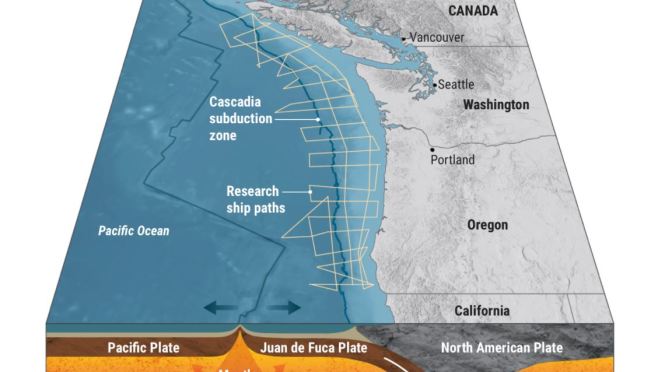
Science: What A ‘Mega’ Earthquake In The Pacific Northwest Will Look Like

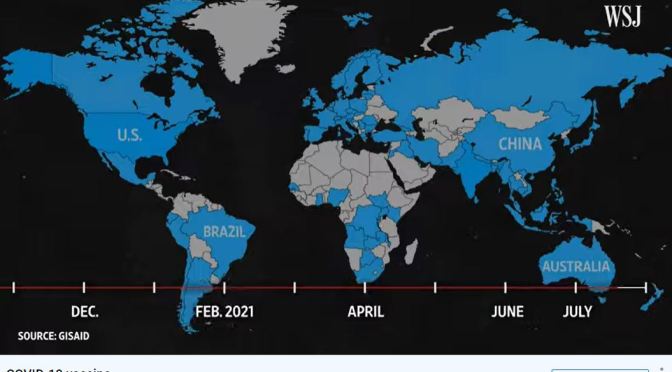
Covid-19: How The Delta Variant Spread Globally

Covid-19’s Delta variant is proliferating world-wide threatening unvaccinated populations and economic recovery. WSJ breaks down events in key countries to explain why Delta spreads faster than previously detected strains. Composite: Sharon Shi

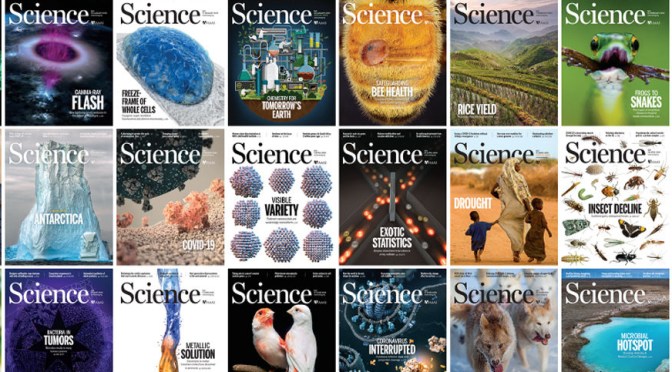
Journal Views: Science Magazine – July 23, 2021

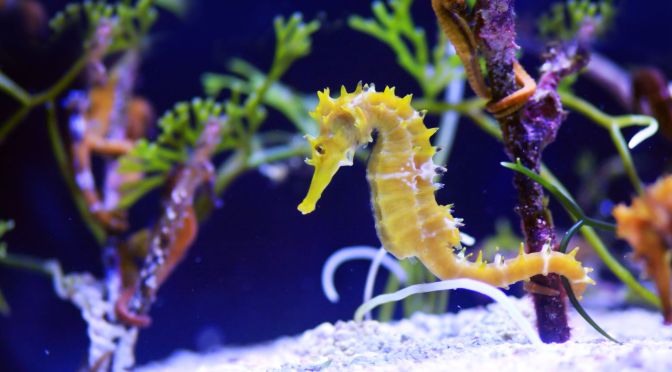
Zoology: The Evolution Of Seahorses (Video)

Sea horses are amazing animals because of many of their strange features like male pregnancy but also due to their beautifully unique body shape. However, this may be the reason why seahorses are famous but it actually makes them very bad swimmers so why did they evolve to have this unique body shape?

A seahorse is any of 46 species of small marine fish in the genus Hippocampus. “Hippocampus” comes from the Ancient Greek hippókampos, itself from híppos meaning “horse” and kámpos meaning “sea monster”.

Ocean Science: Can Kelp Forests Survive Climate Change, Trawler Fishing

Kelp locks up millions of tonnes of carbon globally, provides a nursery for fish and is a buffer against coastal flooding. But climate change, weather and fishing are taking their toll. Now, Mika Peck and his team at the University of Sussex are monitoring kelp off the south coast of the UK, to see if it can recover from the damage done to it by trawling and help improve biodiversity in the area.

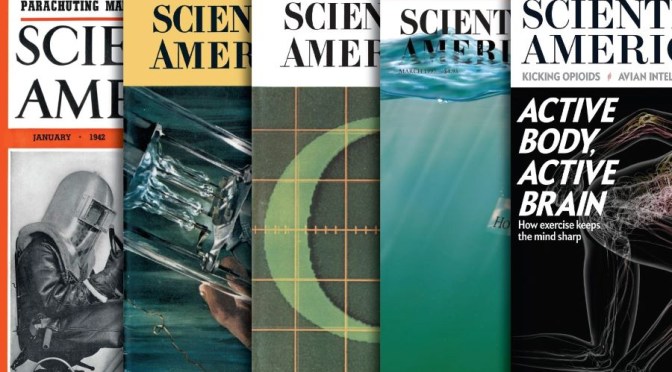
Front Covers: Scientific American – August 2021

Science: Gun Violence Research Returns, Pikas In Winter & Glass Sponges

Funding for gun violence research in the US returns after a 20-year federal hiatus, and the glass sponges that can manipulate ocean currents.

In this episode:

00:45 Gun violence research is rebooted

For 20 years there has been no federally-funded research on gun violence in the US. In 2019, $25 million a year was allocated for this work. We speak to some of the researchers that are using these funds, and the questions they are trying to answer about gun violence.

News Feature: Gun violence is surging — researchers finally have the money to ask why

Podcast: Stick to the science

09:21 Research Highlights

Strategic laziness and yak dung help pikas survive harsh winters, and how food gets wasted in China’s supply chains.

Research Highlight: Pikas in high places have a winter-time treat: yak poo

Research Highlight: China wastes almost 30% of its food

11:40 How a sea sponge controls ocean currents

Venus’ flower baskets are marine sponges that live at the bottom of the Pacific Ocean. These sponges have an unusual glass skeleton that helps them gather food, and even appears to control ocean currents.

Research Article: Falcucci et al.

News and Views: Fluid flow through a deep-sea sponge could inspire engineering designs

18:55 Briefing Chat

We discuss some highlights from the Nature Briefing. This time, investment in non-human primate facilities, and the European Union’s latest climate plan.

Nature News: The US is boosting funding for research monkeys in the wake of COVID

BBC News: EU unveils sweeping climate change plan

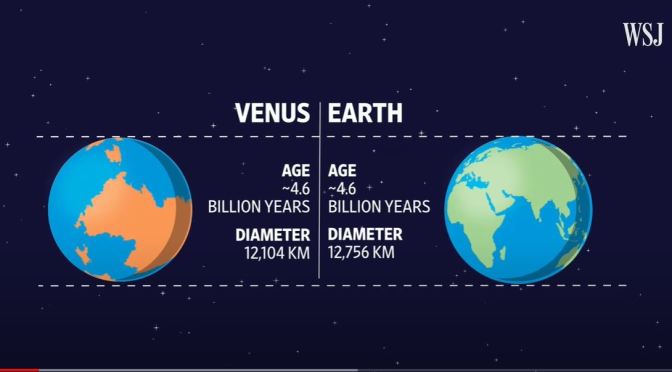
NASA Space Missions: The Search For Life On Venus

NASA is planning two missions to Venus to assess if the now-toxic planet once had an ocean, continents and life. Scientists are beginning the effort on Earth by training sensors and machine learning systems to analyze the building blocks of our own planet. Photo illustration: Laura Kammermann