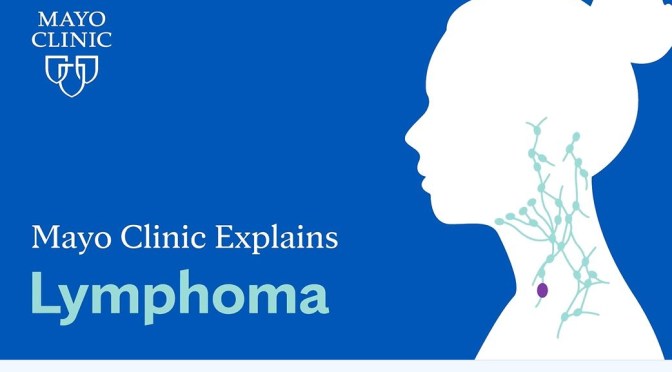
Learning about lymphoma can be intimidating. Let our experts walk you through the facts, the questions, and the answers to help you better understand this condition.
Video timeline: 0:24 What is Lymphoma? 1:20 Types of Lymphoma 2:04 Who gets Lymphoma? 2:48 Risk factors 3:30 Symptoms 4:10 How is Lymphoma diagnosed? 5:07 Treatment options 6:11 Coping methods/ What now? 7:09 Ending
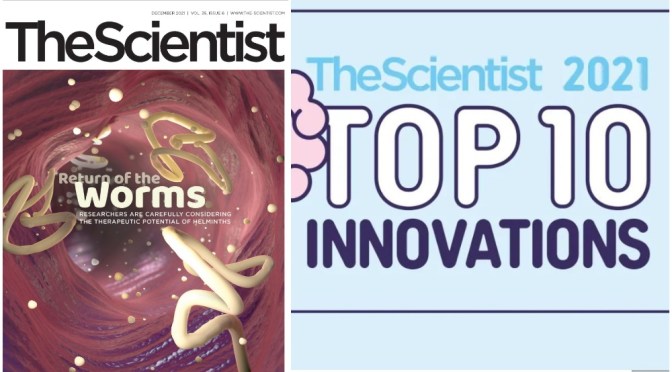
Our December issue is out now! Read about the therapeutic potential of helminths, the winners of our Top 10 Innovations awards, repurposing an African sleeping sickness drug to treat a rare genetic condition, and more! https://t.co/DjDmJRpVOmpic.twitter.com/0ZB05g17hc
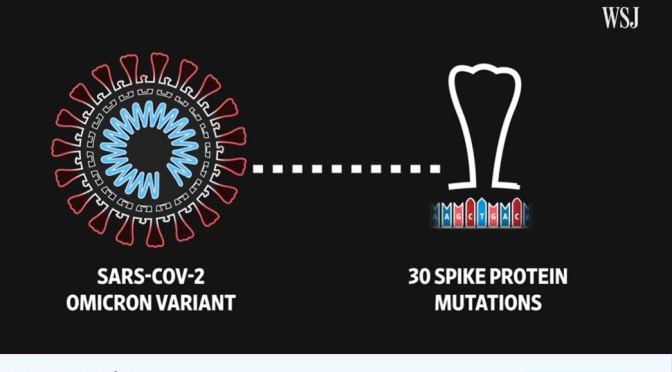
The B.1.1.529 variant was first reported to WHO from South Africa on 24 November 2021. The epidemiological situation in South Africa has been characterized by three distinct peaks in reported cases, the latest of which was predominantly the Delta variant. In recent weeks, infections have increased steeply, coinciding with the detection of B.1.1.529 variant. The first known confirmed B.1.1.529 infection was from a specimen collected on 9 November 2021.
This variant has a large number of mutations, some of which are concerning. Preliminary evidence suggests an increased risk of reinfection with this variant, as compared to other VOCs. The number of cases of this variant appears to be increasing in almost all provinces in South Africa. Current SARS-CoV-2 PCR diagnostics continue to detect this variant. Several labs have indicated that for one widely used PCR test, one of the three target genes is not detected (called S gene dropout or S gene target failure) and this test can therefore be used as marker for this variant, pending sequencing confirmation. Using this approach, this variant has been detected at faster rates than previous surges in infection, suggesting that this variant may have a growth advantage.
Inflammation is a common feature of many human diseases. This special issue of Science highlights recent advances in our understanding of #inflammation biology, especially its role in homeostasis, cell death, viral infection, and more.
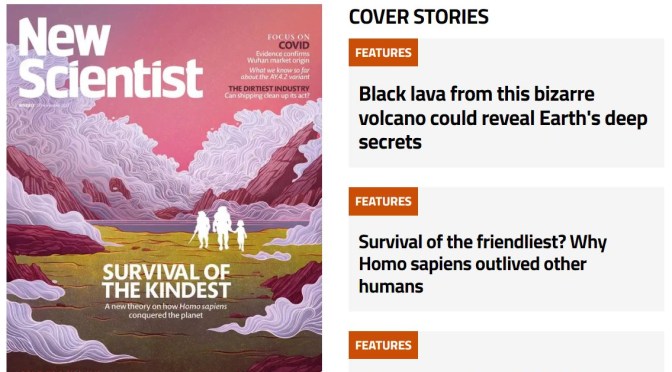
In this week’s issue, a new theory on how Homo sapiens conquered the planet. Plus: black lava from a bizarre volcano could reveal Earth’s deep secrets.
The Nature salary and satisfaction survey reveals researchers’ outlook, and NASA’s test of planetary defenses.
In this episode:
00:45 Salary and satisfaction survey
Like all aspects of life, scientific careers have been impacted by the pandemic. To get an insight into how researchers are feeling, Nature has conducted a salary and satisfaction survey. We hear from some of the respondents.
We discuss some highlights from the Nature Briefing. This time, the plans to smash a spacecraft into an asteroid, and how baby formula is changing to better resemble breast milk.
Could wildfires be depleting the ozone all over again? Staff Writer Paul Voosen talks with host Sarah Crespi about the evidence from the Polarstern research ship for wildfire smoke lofting itself high into the stratosphere, and how it can affect the ozone layer once it gets there.
Next, we talk ticks—the ones that bite, take blood, and can leave you with a nasty infection. Andaleeb Sajid, a staff scientist at the National Cancer Institute, joins Sarah to talk about her Science Translational Medicine paper describing an mRNA vaccine intended to reduce the length of tick bites to before the pests can transmit diseases to a host.
With dramatic flair, a new book tells the 4-billion-year story of life on this planet and how it has been repeatedly shaped by geological, climatic, and atmospheric forces.
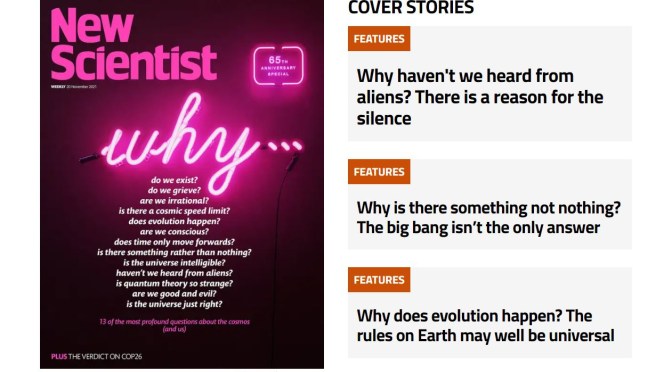
This week’s issue marks New Scientist's 65th anniversary. To celebrate, we attempt to answer 13 of the most mysterious questions about life, the universe and everything.



 Intellicurious