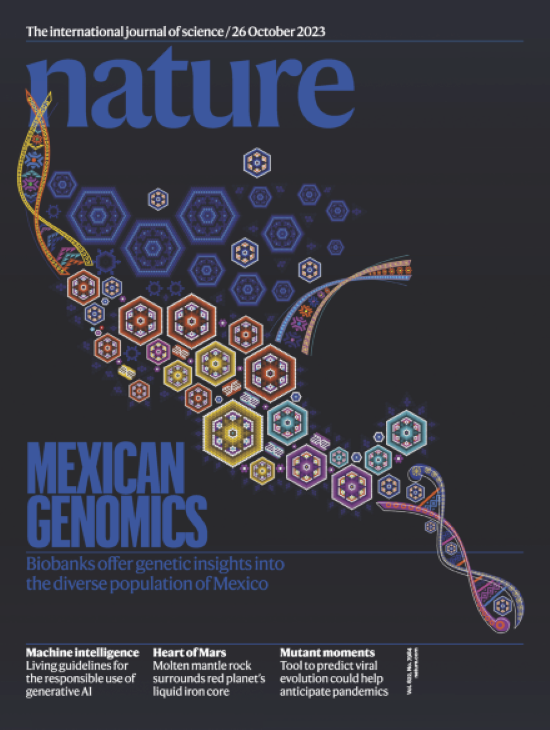
nature Magazine – October 26, 2023:The latest issue cover features a map of Mexico based on data that reflect the nation’s genetic diversity, the initial results of the Mexican Biobank project.
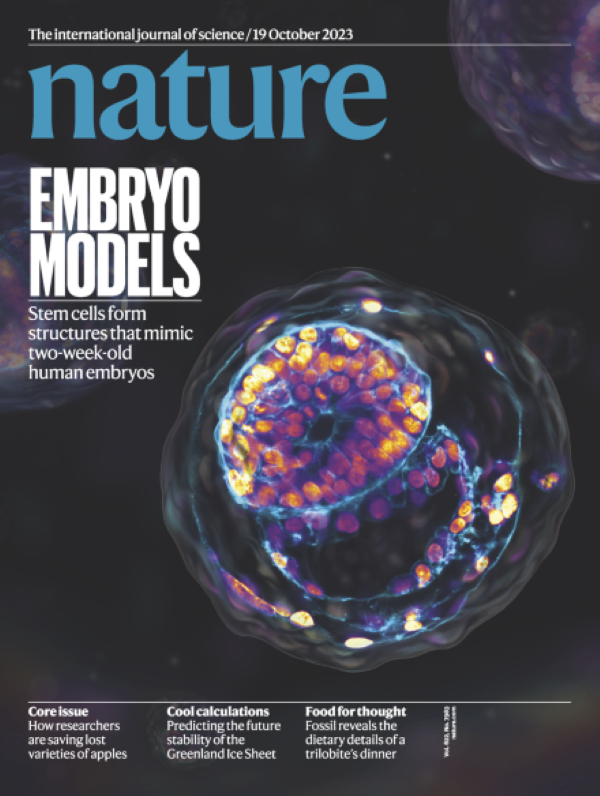
nature Magazine – October 19, 2023: The latest issue features how humans develop in the very early stages when a newly formed embryo is implanted in the wall of the uterus, largely because of the physical and ethical challenges that are presented by studying early human embryos.
The test 30 years ago of what remote sensing could tell us about our own planet shows the value of looking with unbiased eyes at what we think we already know.
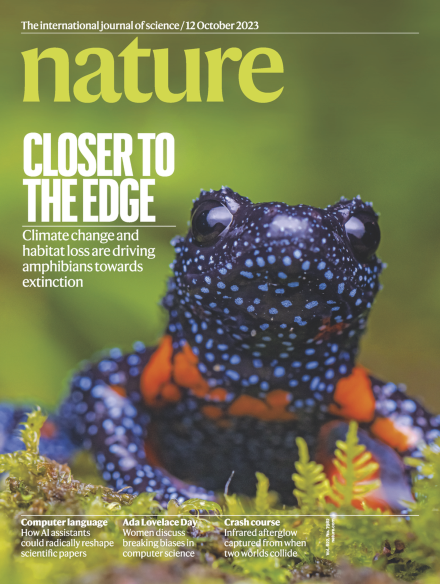
nature Magazine – October 12, 2023: The latest issue features the results of a comprehensive re-evaluation of the conservation status of amphibians since 2004.
Companies say the technology will contribute to faster drug development. Independent verification and clinical trials will determine whether this claim holds up.
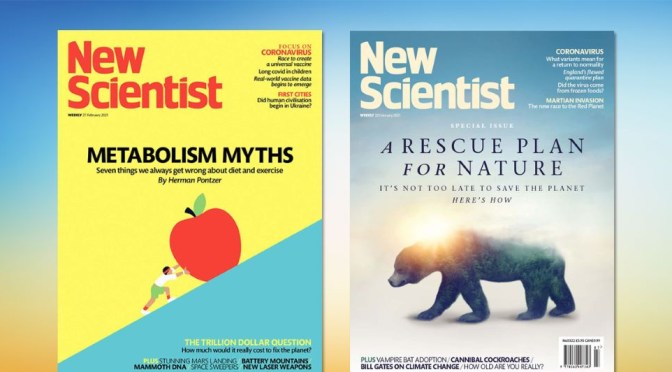
New Scientist Magazine (October 7, 2023): This issue features ‘You And Your Microbiome’; How the microbiome changes our idea of what it means to be human; The best way to care for your microbiome to keep it healthy as you age; and more…
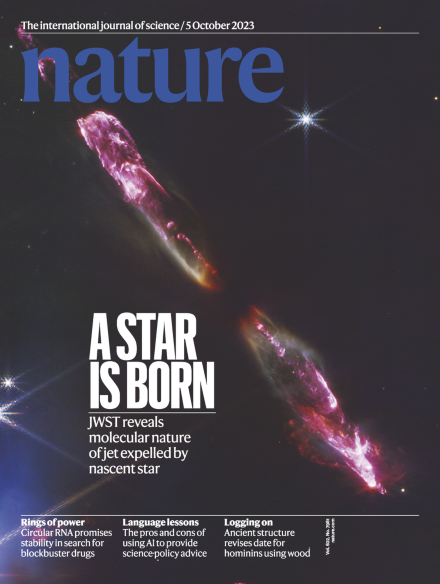
nature Magazine – October 5, 2023: The latest issue features a composite near-infrared image of Herbig-Haro 211, a striking interstellar jet emanating from a young star in the Perseus Molecular Cloud, captured by Tom Ray and his colleagues using the James Webb Space Telescope.
Deceptive videos and images created using generative AI could sway elections, crash stock markets and ruin reputations. Researchers are developing methods to limit their harm.
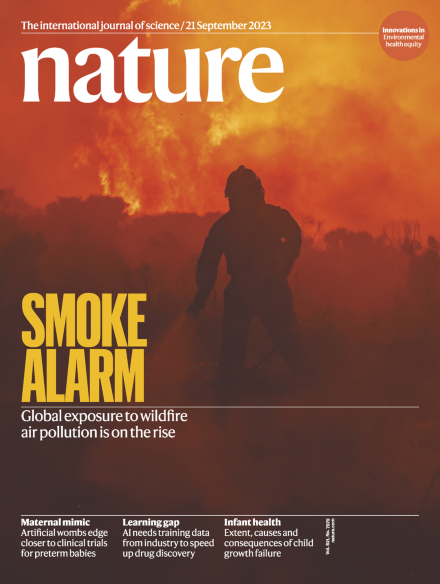
nature Magazine – September 21, 2023: In this week’s issue, an estimate of global human exposure to air pollution from landscape fires (dominated by wildfires, but also including planned or controlled open land fires) between 2000 and 2019.
As many countries head into autumn, they are targeting vaccinations at people in high-risk categories, leaving those at lower risk uncertain about what to do.
Climate change, civil war and international sanctions all contributed to the devastation caused by some of Libya’s worst flooding ever, researchers say.
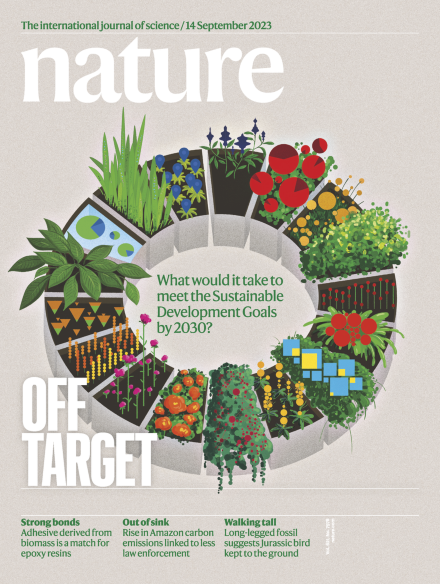
nature Magazine – September 14, 2023: In this week’s issue, 193 countries agreed to work towards 17 goals aimed at improving the lives of people around the world. From eliminating poverty and reducing hunger to tackling global warming and taking care of biodiversity, the Sustainable Development Goals have since taken their place in corporate plans and government policy.
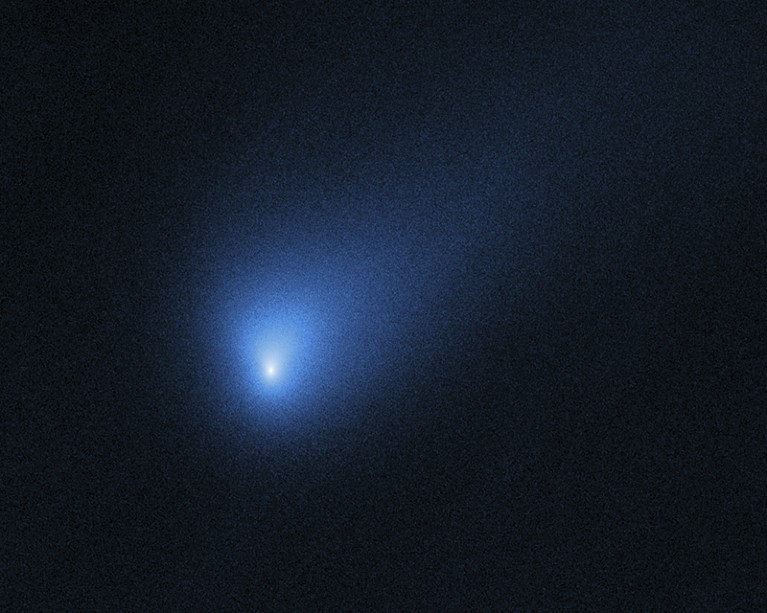
Nature looks at the detective work required to confirm a controversial claim of finding interstellar debris.
A research team made headlines last week when it claimed to have scooped up from the sea floor fragments of a meteorite that came from beyond our Solar System1. Finding such an interstellar sample on Earth would be exciting because it might shed light on how planets and stars beyond our own form. But a number of scientists say that the evidence that the material came from another planetary system is not convincing so far.
The prized materials could be transformative for research — but only if they have other essential qualities.
The wave of excitement caused by LK-99 — the purple crystal that was going to change the world — has now died down after studies showed it wasn’t a superconductor. But a question remains: would a true room-temperature superconductor be revolutionary?
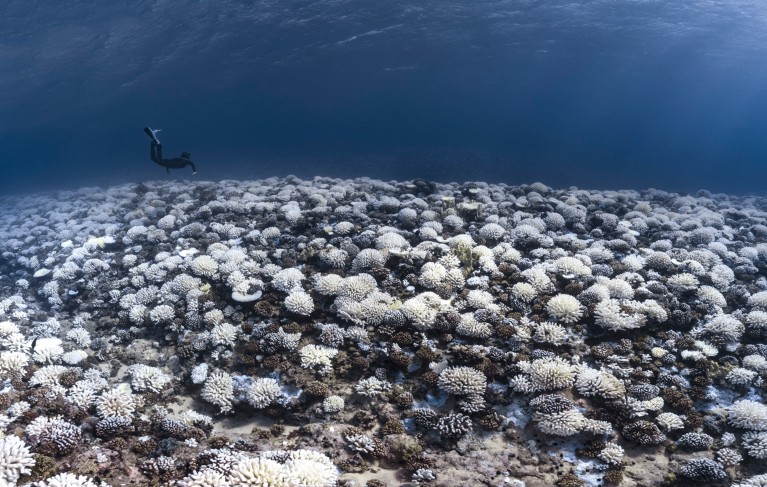
Record-high ocean temperatures, combined with a confluence of extreme climate and weather patterns, are pushing the world into uncharted waters. Researchers must help communities to plan how best to reduce the risks.
Oceans are warming up, and dangerously so. Since April this year, the average global sea surface temperature has been unusually high and rising; by August, oceans in the Northern Hemisphere had reached record-high temperatures, even surpassing 38 °C in one area around Florida.
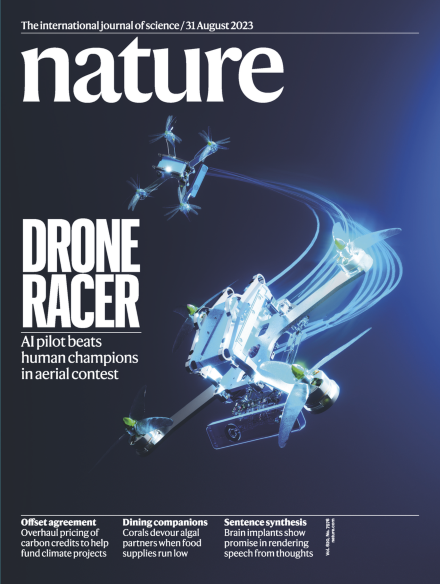
nature Magazine – August 31, 2023 issue:In this week’s issue, AI pilot beats human champions in aerial contest – Artificial intelligence has taken on and beaten human competitors in many games, including chess, StarCraft and Gran Turismo.
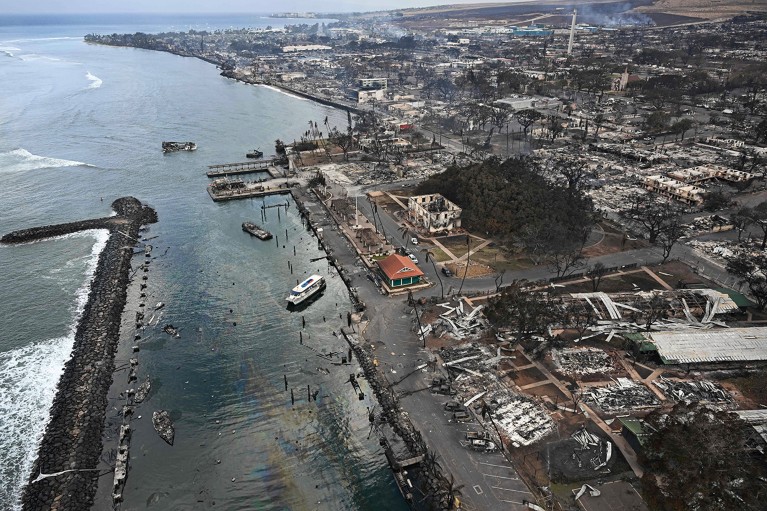
Events in Hawaii show how much we have to learn about wildfire spread — but simple research steps can help to build resilience.
Driven by drought, high winds and extreme heat, fires in recent years have caused destruction and losses on a scale bigger than anyone is used to. The average annual global cost of wildfires is around US$50 billion, the World Economic Forum said in January. And by the end of the century, climate change might make catastrophic conflagrations 50% more common, according to the United Nations Environment Programme. Given the surge in urban development in and near forested areas, something has to be done to protect communities. As Maui’s experience shows, little is in place.
News, Views and Reviews For The Intellectually Curious



 Intellicurious