- World View
- There’s a simple fix for skewed pandemic estimates Demographers must work together so that officials can produce numbers all can trust.
- Elizabeth Wrigley-Field World View 09 Aug 2022
- There’s a simple fix for skewed pandemic estimates Demographers must work together so that officials can produce numbers all can trust.
- Research Highlights
- How jumping up and down in a canoe propels it forwards A watercraft subject to ‘gunwale bobbing’ travels on waves generated by the bobbing itself. Research Highlight 05 Aug 2022
- Sea creatures’ sun shades inspire low-cost ‘smart’ windows Dots of inky pigment spread in branching patterns, allowing close control of shade cover. Research Highlight 04 Aug 2022
- The fungus that entices male flies to mate with female corpses Dead, spore-infested female flies lure males to their doom, perhaps with an attractive odour. Research Highlight 01 Aug 2022
- Cancer cells hijack nerve cells to storm through the brain Cells of the deadly tumour glioblastoma hasten their advance by turning neurons to their advantage. Research Highlight08 Aug 2022
- Ancient graves show plague afflicted Bronze Age Crete Genomic analysis suggests that plague could have played a part in social change on the Greek island around 2000 BC.
Tag Archives: Science Magazines
Cover Preview: Nature Magazine – August 4, 2022
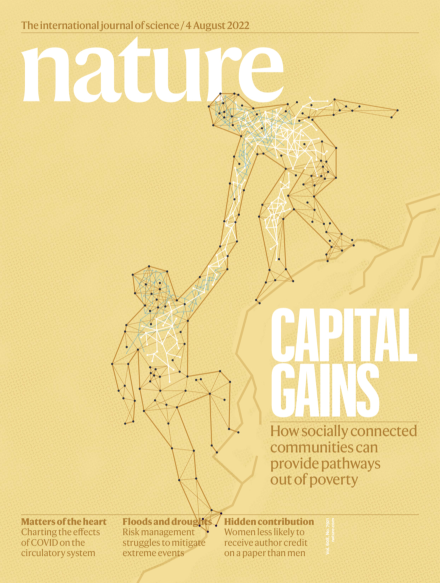
Capital gains
An individual’s social network and community — their ‘social capital’ — has been thought to influence outcomes ranging from earnings to health. But measuring social capital is challenging. In two papers in this week’s issue, Raj Chetty and his colleagues use data on 21 billion friendships from Facebook to construct a Social Capital Atlas containing measures of social capital for each ZIP code, high school and college in the United States. The researchers measure three types of social capital: connectedness between different types of people, social cohesion and civic engagement. They find that children who grow up in communities where people of low and high socio-economic status interact more have substantially greater chances of rising out of poverty. The team then examines what might limit social interactions across class lines, finding a roughly equal contribution from lack of exposure — because children in different socio-economic groups go to different schools, for example — and friending bias, the tendency for people to befriend people similar to them.
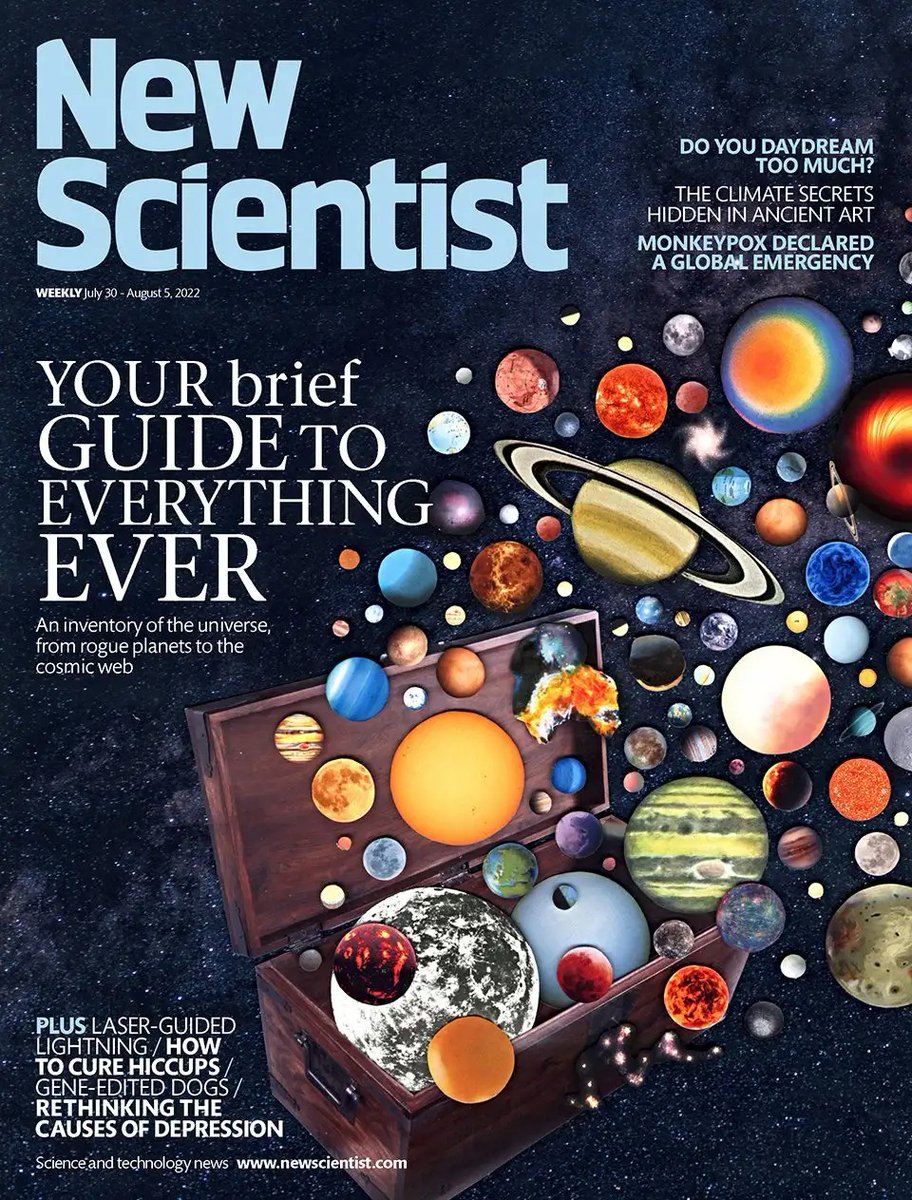
Previews: New Scientist Magazine – July 30, 2022
COVER STORIES
- FEATURES – Your essential guide to the many breathtaking wonders of the universe
- FEATURES – Daydreaming has a dark side – is your fantasising holding you back?
- NEWS – No link between depression and serotonin, finds major analysis
Grab a copy from newsstands now or get our app to download digital and audio editions. https://newscientist.com/issue/3397/
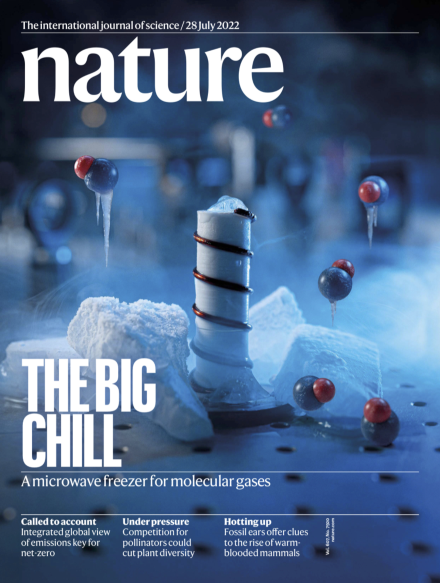
Science Previews: Nature Magazine – July 28, 2022
- Carbon dating hampered by rising fossil-fuel emissions – Archaeologists will increasingly have to rely on other techniques as emissions continue to alter the composition of carbon isotopes in air.
- Nicola Jones News 27 Jul 2022 = How humans’ ability to digest milk evolved from famine and diseaseLandmark study is the first major effort to quantify how lactose tolerance developed.
- Ewen Callaway News 27 Jul 2022 – Dual action of ketamine confines addiction liabilityExperiments in mice show that although ketamine has positive reinforcement properties, which are driven by its action on the dopamine system, it does not induce the synaptic plasticity that is typically observed with addiction.
- Linda D. Simmler
- Yue Li
- Christian LüscherArticle 27 Jul 2022
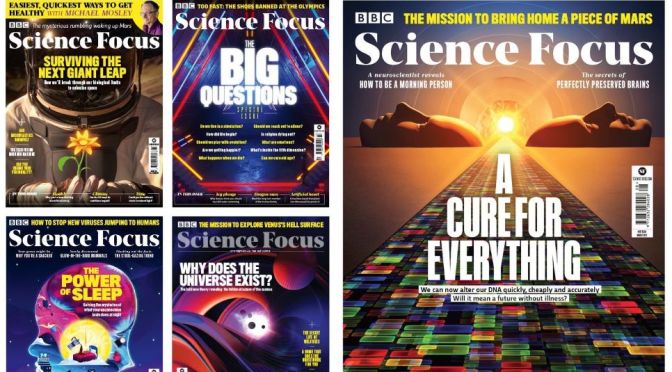
Preview: Science Focus Magazine – July 27, 2022

A multitude of multiverses
Excitingly, scientists say that alternative universes are allowed by physics. We find out about the leading multiverse theories, and establish whether they could harbour an alternate version of you.
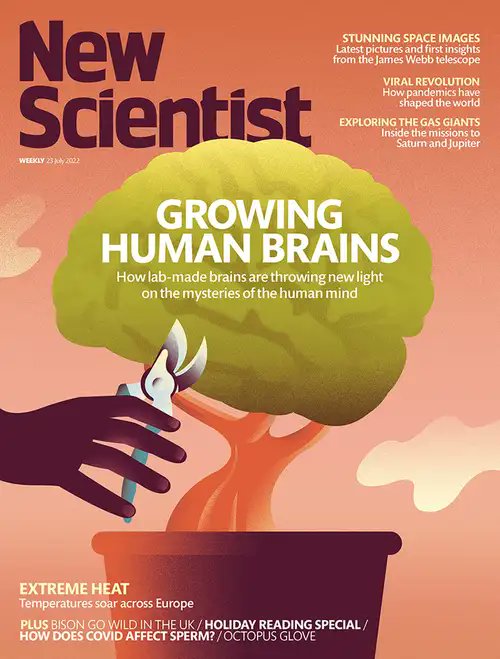
Preview: New Scientist Magazine – July 23, 2022
What lab-grown ‘mini-brains’ are revealing about this mysterious organ
Blobs of human brain cells cultivated in the lab, known as brain organoids or “mini-brains”, are transforming our understanding of neural development and disease. Now, researchers are working to make them more like the real thing
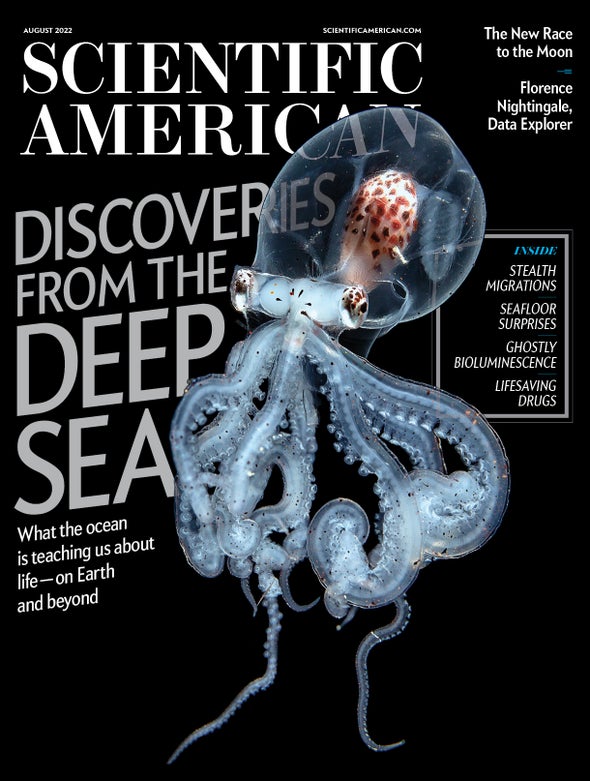
Cover Preview: Scientific American – August 2022

Mystery, Discovery and Surprise in the Oceans
Bizarre sea creatures, a new view of the ocean, the race to the moon, and more
- By Laura Helmuth on August 1, 2022 –
We humans may think of ourselves, or possibly beetles, as typical Earthlings, but to a first approximation, life on Earth exists in the sea. And what spectacular life! Our special package on the oceans is teeming with images of eerie, delicate, elaborate, glowing and occasionally kind of frightening creatures that have rarely been seen by terrestrial species. The in-depth report was guided by sustainability senior editor Mark Fischetti along three main themes: mystery, discovery and surprise.
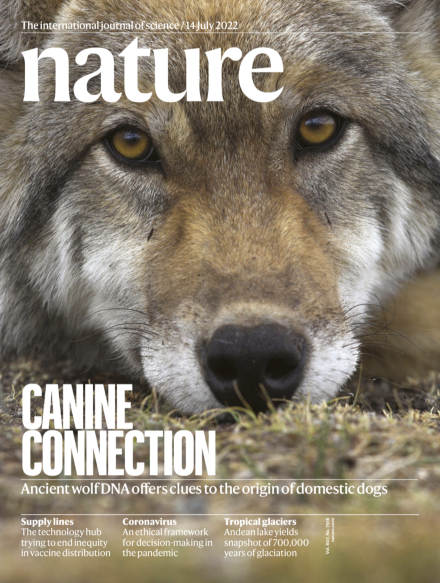
Science Preview: Nature Magazine – July 14, 2022
Nature Magazine – July 14, 2022 Issue
Canine connection
Although the domestic dog can trace its origins to the grey wolf (Canis lupus), exactly when, where and how domestication happened has remained a source of debate. In this week’s issue, Anders Bergström, Pontus Skoglund and their colleagues, take a step towards resolving this question. The researchers analysed the genomes of 72 ancient wolves from across Europe, Siberia and North America, and spanning the past 100,000 years. They found that dogs are most closely related to ancient wolves from eastern Eurasia but that dogs in the Near East and Africa derive
up to half their ancestry from a distinct population related to modern southwest Eurasian wolves. Although none of the genomes analysed was a direct match for either dog ancestry, the researchers say that it has narrowed down where next to look for the ancestors of domestic dogs.

Preview: New Scientist Magazine – July 16, 2022
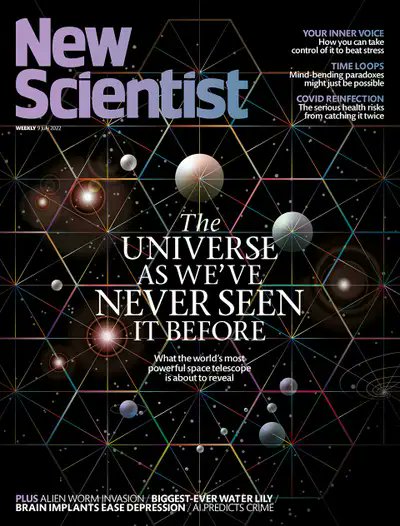
Preview: New Scientist Magazine – July 9, 2022
COVER STORIES
- FEATURES – How to understand your inner voice and control your inner critic
- FEATURES – 7 big questions the James Webb Space Telescope is about to answer
- NEWS– Covid-19: What are the risks of catching the virus multiple times?
In this week’s issue: We’re about to see the first full-colour images from the James Webb Space Telescope – here’s what we can expect Available at newsstands and via our app for digital and audio editions. https://newscientist.com/issue/3394/