
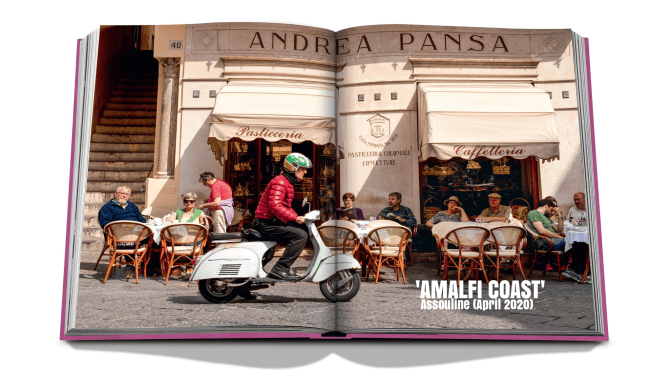
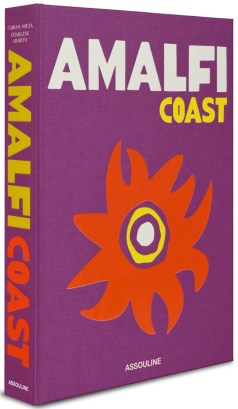
 The Amalfi Coast is the pinnacle of the Italian dream. Tucked amongst the lemon blossoms and the bougainvillea is a line of thirteen towns that comprise the Amalfi Coast. Known for its vertical landscape, the villages are only accessible via the Strada Statale 163 — a narrow, winding, cliffside route that while unsettling to traverse, offers unparalleled views.
This magical strip joins the mountains and the Mediterranean Sea below and aesthetes from around the world flock here year after year to enjoy its quaint pebbled beaches, scenic hikes, perfect climate and legendary establishments, which are not limited to storied hotels and restaurants.
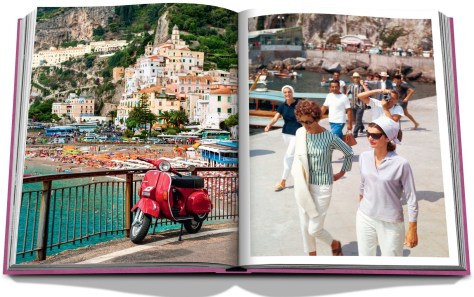
Landmarks from the Cathedral in Amalfi to Villa Rufolo in Ravello, all evoke the culture and the spirit of bygone centuries, and landmarks enjoyed by the likes of Jacqueline Kennedy, John Steinbeck, and Gore Vidal abound. With its signature limoncello, both grown and enjoyed locally, finest villas and breathtaking vistas, the Amalfi Coast is in a class of its own.
Carlos Souza is a global brand ambassador for Valentino and a contributor at Architectural Digest with over forty years of experience in the art and fashion world. His photography career began at the request of Andy Warhol, who asked him to shoot fashion shows for Interview. He has previously worked with Assouline on #Carlos’s Places (2014) and Comporta Bliss (2018).
Charlene Shorto was born in Recife, Brazil, and educated in Switzerland and Great Britain. She is wed to Carlos Souza and has two sons, Sean and Anthony. The family moved to Rome, where Charlene worked tirelessly under the fashion designer Valentino, eventually ascending to the position of director of Oliver by Valentino. Shorto also collaborated with Souza on Comporta Bliss (2018).
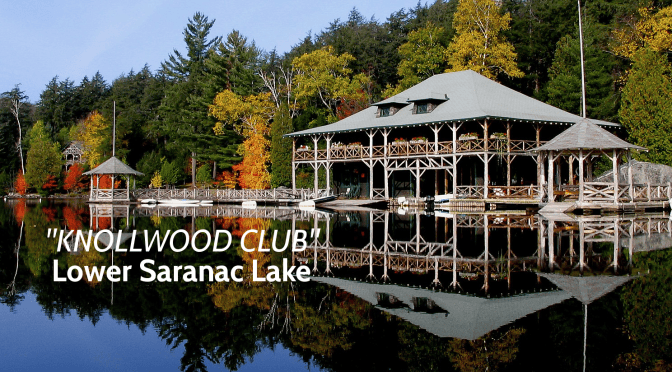
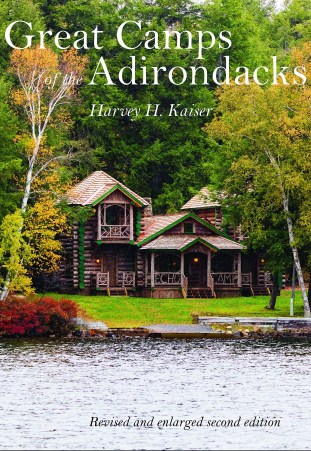 second and enlarged edition, here is the foremost guide to the historic camps within America’s spectacular forest preserve, the six million acre Adirondack Park.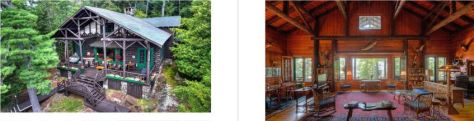
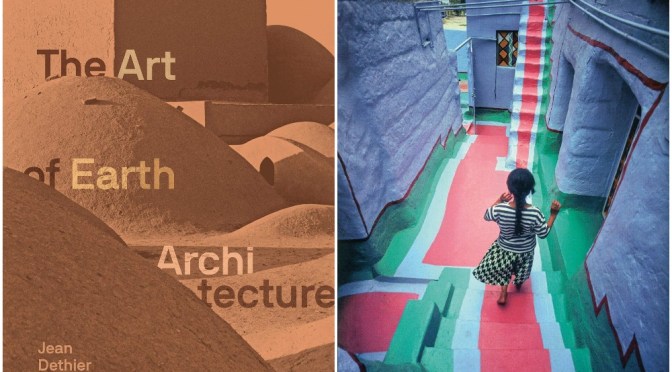
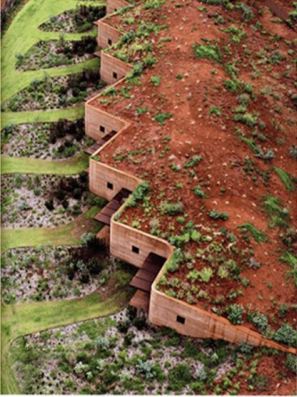 The Art of Earth Architecture demonstrates the wide-ranging applications and sustainability of this building material, while presenting a manifesto for its ecological significance. Featuring raw-earth masterpieces, monumental structures, and little known works, the book includes the temples and palaces of Mesopotamia, the Great Wall of China, large-scale urban developments in Tenochtitlan in Mexico, the medinas of Morocco, and housing in Marrakech and Bogota.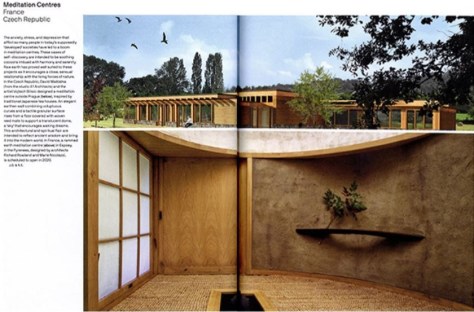
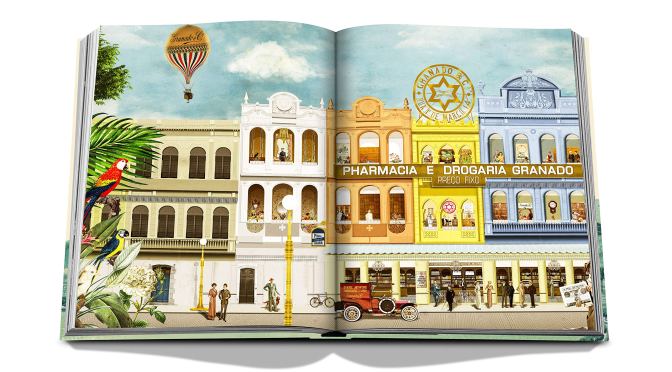
 Since it first opened its doors in Rio de Janeiro in 1870, Granado has remained true to its founding mission: to concoct local, natural remedies and cosmetics, crafted from flora of Brazil. Such a formula is responsible for Granado’s endurance through time and its current standing as Brazil’s oldest pharmacy and apothecary.
 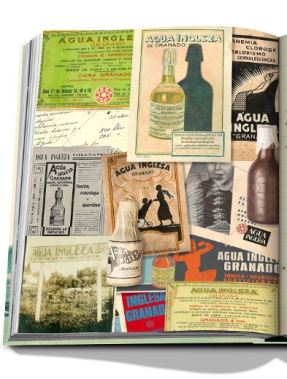 Today, Granado has three boutiques in Paris and a significant online presence in Europe; but the story of Granado’s rise begins with the tale of one man’s singular vision. At a time when medicines used toxic substances such as mercury and arsenic, José Antonio Coxito Granado began to develop natural alternatives that would quickly revolutionize the world of pharmaceuticals in Brazil. In a text enlivened by more than 200 images that capture the bright colors, botanical terrain, and vibrant aesthetics of Rio, writer Hermés Galvao traces the brand’s history, from its modest roots to its time as the Official Pharmacy of the Brazilian Imperial Family and its eventual growth into a global brand under a new family’s ownership. Featuring an illustrious cast of characters and overlapping with some of the most influential eras in Brazilian history, the story of Granado is a tale as rich as the land that yields its products.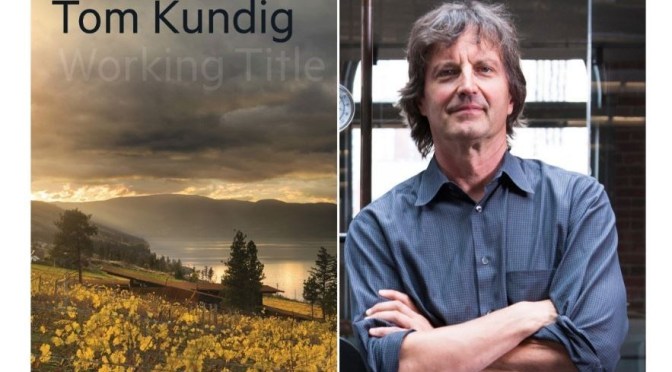
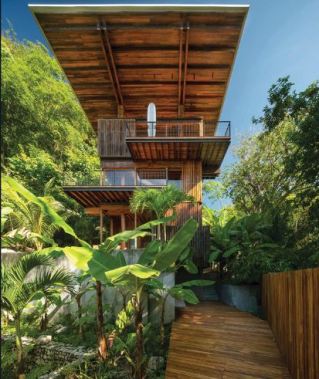 Striking, innovative, and dramatically sited, the twenty-nine projects in Tom Kundig: Working Title reveal the hand of a master of contextually astute, richly detailed architecture. As Kundig’s work has increased in scale and variety, in diverse locations from his native Seattle to Hawaii and Rio de Janeiro, it continues to exhibit his signature sensitivity to material and locale and to feature his fascinating kinetic “gizmos.”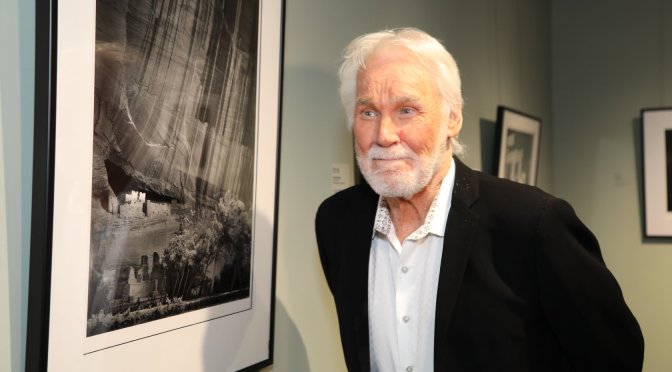
 The International Photography Hall of Fame and Museum mourns the passing of its first Lifetime Achievement Award Winner and 2017 inductee Kenny Rogers. Rogers was a dedicated and talented photographer for nearly four decades. His best-known images are portraits of well-known singers, actors, and dignitaries from around the globe.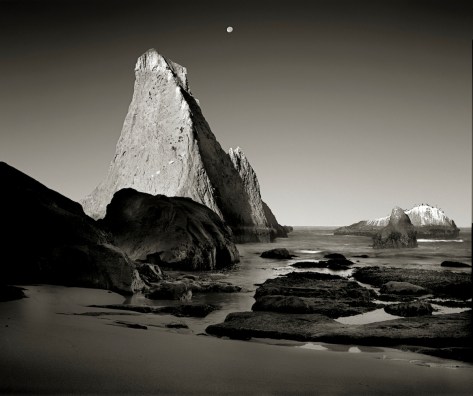

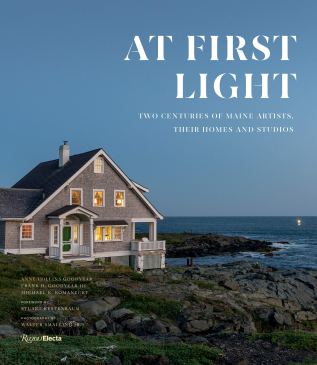 At First Light chronicles twenty-six extraordinary artists of the last two hundred years who have lived and worked in Maine. Published to coincide with the state’s bicentennial in 2020, the volume considers the significant contributions artists have made to a deeper and more profound understanding of Maine’s history, its land and its peoples. Maine’s unique and breathtaking landscape–from its rugged coastline, quaint harbors, majestic mountains, and verdant forests–continues to have a powerful effect on the artists who are drawn to its shores.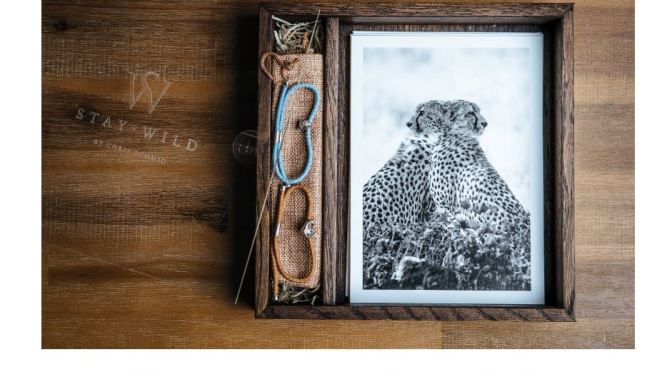
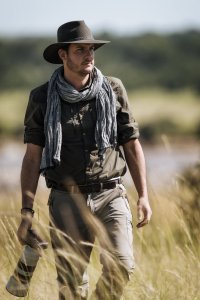 Wildlife photographers and filmmakers, have a wonderful opportunity and great responsibility to share stories about wildlife, stories that both celebrate and also raise concern around conservation issues. My tireless efforts to document and protect the few remaining areas of wilderness are fueled by true love for nature and a desire to protect what’s left. As photographers, we have the chance to put into clear focus the beauty and richness of nature which we all have a communal responsibility to protect. But there is always more we can do.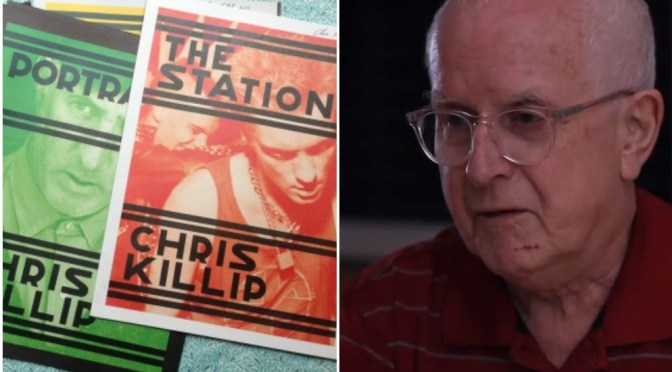
 As you will see from my portfolio, travel plays a huge part in my image-making. I visited nine countries in 2017 alone, and close to twenty since my journey into architectural photography began. I have always been fascinated by different cultures, foods, textures and colours. It is this love for travel, combined with my deep passion for photography, that keeps me motivated and dedicated to putting in the long lonely hours of research and logistical planning to then get out with the camera time and time again.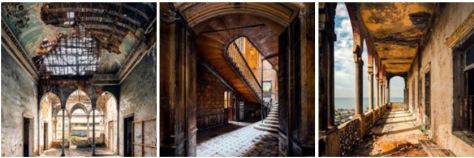
 Intellicurious