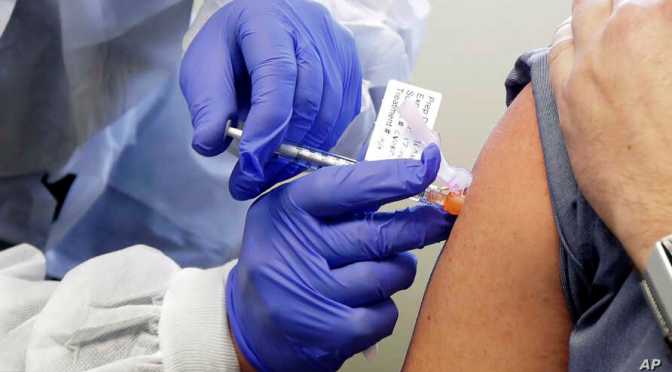
Scientists around the world are racing to develop a vaccine for COVID-19. But experts have said it could take a year to 18 months for one to hit the market. The process for testing and approving a vaccine is long and complicated.
That can be frustrating when the coronavirus is taking more and more lives every day. But cutting corners to push a vaccine through faster can lead to devastating consequences. We know that, because it’s happened before.
Facing shortages of critical equipment, medical workers must make life-or-death decisions about who receives care. WSJ’s Joe Palazzolo reports from an emergency room that’s running short on ventilators, and Chris Weaver explains the plans hospitals are putting in place to decide who gets them.
Arthur Caplan, a bioethicist at NYU’s School of Medicine, talks about how hospitals think about these difficult choices.
Octavian Report “Rostrum” spoke with him about a major theme in Shakespeare’s work and life: disease. Specifically, pandemic plagues, which ravaged London repeatedly throughout Shakespeare’s career, shuttering the theaters, and which appear (obliquely and otherwise) in some of his greatest plays.
The latest episode of the Rostrum’s coronavirus series features James Shapiro, the Larry Miller professor of English and comparative literature at Columbia University, and a leading expert on Shakespeare. Shapiro has published widely on this subject, most recently Shakespeare in a Divided America. He is also an advisor to the Royal Shakespeare Company and to the Public Theater.
James S. Shapiro (born 1955) is Professor of English and Comparative Literature at Columbia University who specialises in Shakespeare and the Early Modern period. Shapiro has served on the faculty at Columbia University since 1985, teaching Shakespeare and other topics, and he has published widely on Shakespeare and Elizabethan culture.
LIVRARIA LELLO OPENS THE FIRST “DRIVE-THRU BOOKSELLER” IN THE WORLD
From April 1st, between 10 am and 12 noon, from Monday to Friday, Livraria Mais Bela do Mundo will offer one book from its “The Collection” per day to all readers who subscribe the day before to which they intend to address the “Drive-Thru” of Livraria Lello.
.
The same should be done until 6 pm, to the email info@livrarialello.pt , sending your personal data (name, address, email and telephone contact).
. On the day of the survey, the reader will only have to stop the car in front of Livraria Lello and the delivery will be made by a collaborator directly through the window.
.
This is a true act of “Love in the Times of Cholera” by Livraria Lello and her team towards their readers, their city, which is their world. A way to give the community some comfort and some encouragement in these difficult times.
NPR’s Tamara Keith and Amy Walter of the Cook Political Report join Judy Woodruff to discuss the latest political news, including how President Trump’s approval ratings have changed amid the coronavirus pandemic, the tendency of American voters to rally around leaders during a crisis and what these unprecedented circumstances mean for the 2020 presidential election.
A selection of essential articles read aloud from the latest issue of The Economist. This week, the role of big government in the time of covid-19, (10:20) assessing the havoc the pandemic is causing in emerging countries, (17:45).
In just a few weeks a virus a ten-thousandth of a millimetre in diameter has transformed Western democracies. States have shut down businesses and sealed people indoors. They have promised trillions of dollars to keep the economy on life support. If South Korea and Singapore are a guide, medical and electronic privacy are about to be cast aside. It is the most dramatic extension of state power since the second world war.
Monocle 24’s Tyler Brûlé is joined by Benno Zogg and Juliet Linley for a look at how the global press is covering the pandemic and whether the tone of the discussion needs a rethink. Plus: Andrew Mueller’s look at what we learnt this week.
New York Times columnist David Brooks and Washington Post columnist Ruth Marcus join Judy Woodruff to discuss the week in politics, including whether Americans are ready for the mounting coronavirus crisis, why the U.S. government wasn’t better prepared for the pandemic, the significance of the $2.2 trillion economic relief package and the status of the 2020 Democratic presidential primary.
NEJM talks with Dr. Julian Flores, who works in a Broward County, Florida, emergency room.
When he was interviewed, the count of Covid-19 cases stood at 412, less than 12 hours later, the new number was 505. He’s expecting the wave to hit hard there. Broward is home to Fort Lauderdale (think spring break) and Pompano Beach (think aging retirees). Couple those demographics with a lack of easy testing for the virus, and you’ve got a worrisome situation.
News, Views and Reviews For The Intellectually Curious

 Scientists around the world are racing to develop a vaccine for COVID-19. But experts have said it could take a year to 18 months for one to hit the market. The process for testing and approving a vaccine is long and complicated.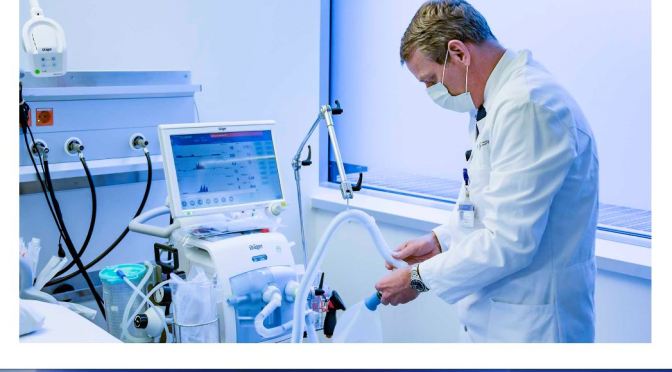
 Facing shortages of critical equipment, medical workers must make life-or-death decisions about who receives care. WSJ’s Joe Palazzolo reports from an emergency room that’s running short on ventilators, and Chris Weaver explains the plans hospitals are putting in place to decide who gets them.

 Octavian Report “Rostrum” spoke with him about a major theme in Shakespeare’s work and life: disease. Specifically, pandemic plagues, which ravaged London repeatedly throughout Shakespeare’s career, shuttering the theaters, and which appear (obliquely and otherwise) in some of his greatest plays.

 Bela do Mundo will offer one book from its “The Collection” per day to all readers who subscribe the day before to which they intend to address the “Drive-Thru” of Livraria Lello.
 This is a true act of “Love in the Times of Cholera” by Livraria Lello and her team towards their readers, their city, which is their world. A way to give the community some comfort and some encouragement in these difficult times.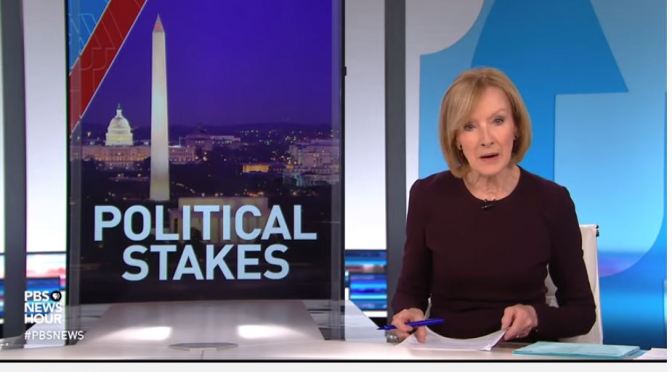


 Monocle 24’s Tyler Brûlé is joined by Benno Zogg and Juliet Linley for a look at how the global press is covering the pandemic and whether the tone of the discussion needs a rethink. Plus: Andrew Mueller’s look at what we learnt this week.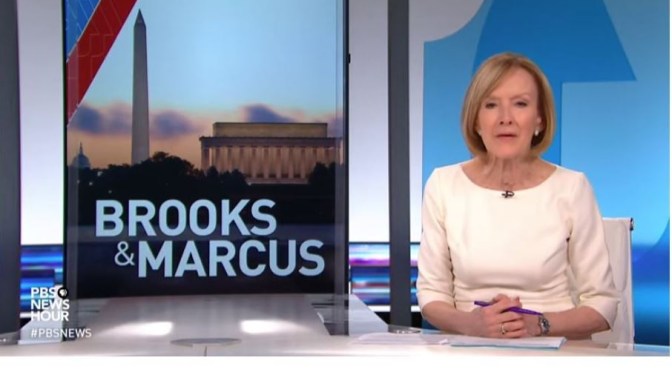
 When he was interviewed, the count of Covid-19 cases stood at 412, less than 12 hours later, the new number was 505. He’s expecting the wave to hit hard there. Broward is home to Fort Lauderdale (think spring break) and Pompano Beach (think aging retirees). Couple those demographics with a lack of easy testing for the virus, and you’ve got a worrisome situation.
 Intellicurious