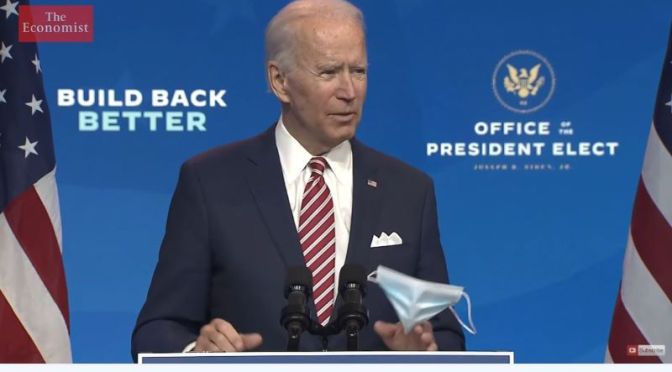
President Joe Biden laid out ambitious emissions targets yesterday, but in order to be taken seriously on climate change, America has some reputation rebuilding to do.
Researchers are starting to understand why online meetings are so exhausting—and are pinpointing the up sides of work lives lived increasingly online. And the waning influence of awards shows such as this Sunday’s Oscars.
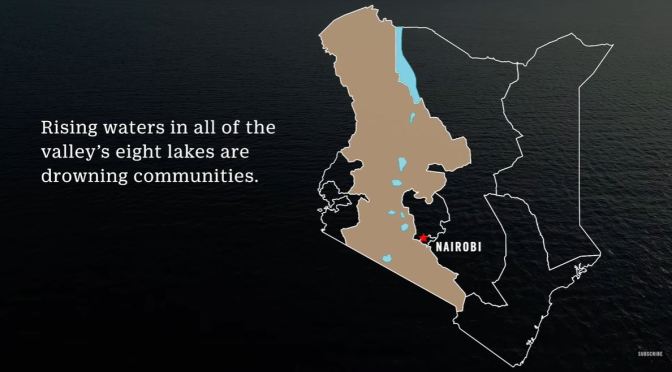
In Kenya’s Rift Valley, climate change has brought an unprecedented increase in annual rainfall over the past several years, drowning pastureland, farms, homes, schools, churches, clinics and businesses.
The Great Rift Valley is part of an intra-continental ridge system that runs through Kenya from north to south. It is part of the Gregory Rift, the eastern branch of the East African Rift, which starts in Tanzania to the south and continues northward into Ethiopia.[1] It was formed on the “Kenyan Dome” a geographical upwelling created by the interactions of three major tectonics: the Arabian, Nubian, and Somalian plates.[2] In the past, it was seen as part of a “Great Rift Valley” that ran from Madagascar to Syria. Most of the valley falls within the former Rift Valley Province.
The Biden Administration wants to bet big on electric vehicles. Can it implement policy that reduces transportation emissions while positioning America as the leader in global EV production?
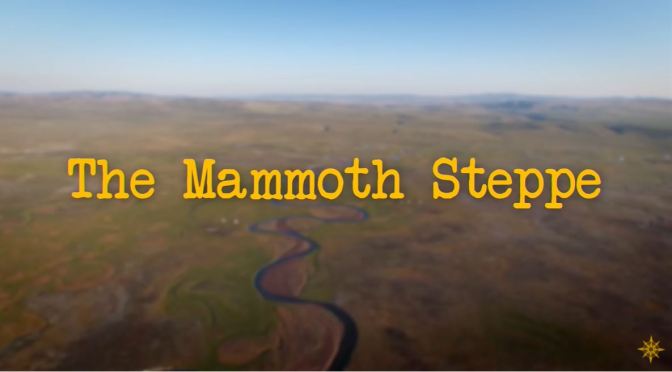
Deep in the frozen north of Russia’s Sakha Republic lies a place where time is being reversed and a once extinct environment is being brought back to life. How is something like this possible and what impact could it have on our world?
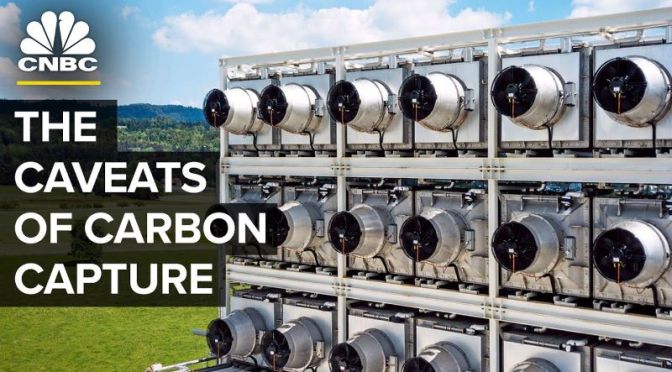
Elon Musk, Microsoft and oil giants like BP, Occidental and Exxon Mobil are investing in carbon capture technologies. Carbon Engineering and Climeworks are two start-ups that have built machines to suck CO2 straight out of the atmosphere in a process known as direct air capture. But the technology faces a number of challenges, one of which is that there’s currently no market for the captured CO2. As a result, some companies are selling their captured CO2 to oil companies, which use it to produce even more oil.
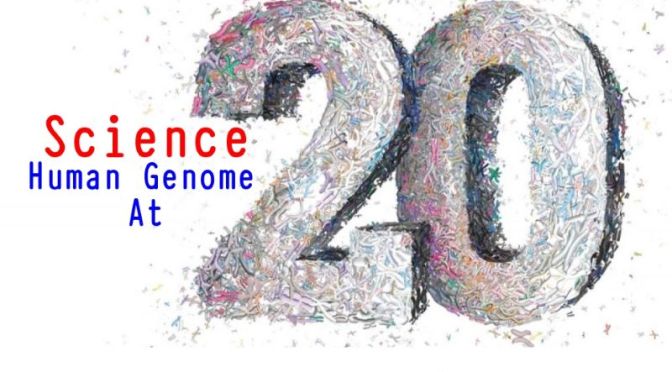
This week, Science celebrates the impending 20th anniversary of the publication of the draft human genome sequence—a landmark achievement by any measure…The Human Genome Project (HGP) was an internationally supported public project (Celera Genomics was the private effort that simultaneously sequenced the human genome). When the endeavor was launched in 1990, collaboration among a diverse group of scientists was essential because the sequencing was distributed across a number of international research sites.
The American Association for the Advancement of Science (AAAS, the publisher of Science) also looks forward to next week’s annual meeting, whose theme is “Understanding Dynamic Ecosystems.” At first glance, these two events may seem unrelated. But the successful completion of the human genome sequence ushered in biology’s era of “big science” and created a research ecosystem for tackling complex, technology-driven, and data-intensive multidisciplinary projects that continue to improve our understanding of cancer, the microbiome, the brain, and other areas of biology.
The Human Genome Project (HGP) was an internationally supported public project (Celera Genomics was the private effort that simultaneously sequenced the human genome). When the endeavor was launched in 1990, collaboration among a diverse group of scientists was essential because the sequencing was distributed across a number of international research sites. High-throughput technologies for DNA sequencing were critical to the project’s success, and the participation of biotech companies in the effort was instrumental in driving down the cost, speed, and throughput of generating DNA sequence. The ever-increasing amount of sequence data drove the development of mathematical and computational tools for assembling and annotating the data. Neither the laboratory scientists nor the computational scientists could have done this alone, and the convergence of these disciplines has been one of the most important legacies of the early genome efforts. There was also a commitment to train the next generation of genome scientists, and over the past 20 years, many colleges and universities have established new undergraduate and graduate programs in quantitative and systems biology. Life sciences students today graduate with a very different set of skills than they did in 2000.
Yesterday, President Joe Biden signaled a new direction for the country when it comes to climate change. He said it should be considered an essential part of foreign policy and national security.
He signed an extremely wide ranging executive order that includes a number of new measures that could kick off the battle between the White House and the oil industry.
Plus, Facebook’s pull back from politics.
And, the second round of small business loans are off to a slow start.
Guests: Axios’ Ben Geman, Courtenay Brown, Sara Fischer and Joann Muller
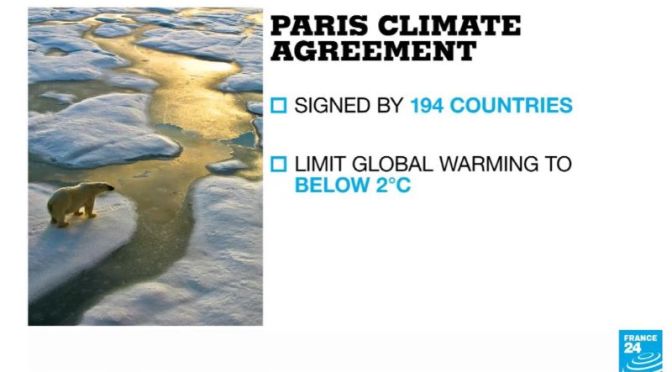
Hours after being sworn in as US 46th President, Joe Biden kicked off his mandate by signing 17 executive orders. Among those, some were destined to undo the legacy of his predecessor Donald Trump, including rejoining the Paris Climate Agreement. The new president seems to keep climate as his administration’s priority, as promised.
Joe Biden’s greatest challenge will be to repair America’s reputation—currently the lowest it’s been for two decades. How can the new president re-boot America’s global leadership?
News, Views and Reviews For The Intellectually Curious