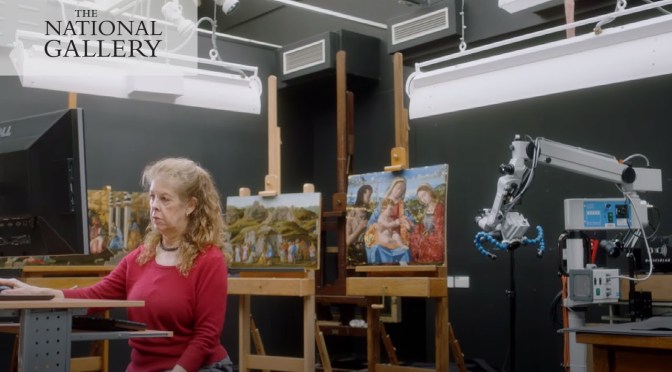
A look ‘beneath’ Titian’s canvases reveals the tweaks and changes he made as he worked over four hundred years ago. Find out more with Restorer Jill Dunkerton.

A look ‘beneath’ Titian’s canvases reveals the tweaks and changes he made as he worked over four hundred years ago. Find out more with Restorer Jill Dunkerton.
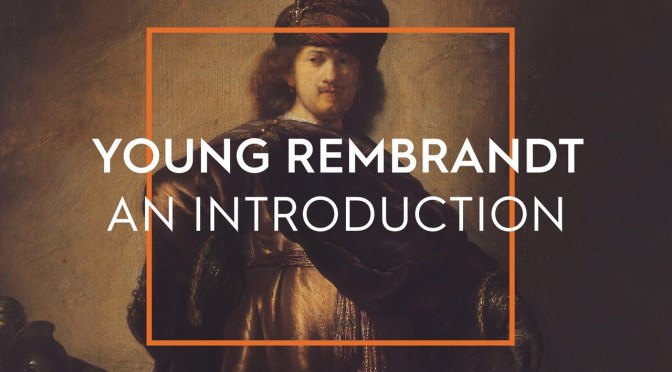
The Ashmolean’s 2020 Young Rembrandt exhibition is currently closed, but you can still visit virtually. Watch this introduction from exhibition curator An Van Camp, and explore the exhibition section by section at ashmolean.org
The Young Rembrandt exhibition charts the astonishing transformation of the Dutch master Rembrandt. Spanning the years 1624 to 1634, it traces how a young and unremarkable artist from Leiden became the superstar of 17th-century Amsterdam and one of the greatest artists of all time.
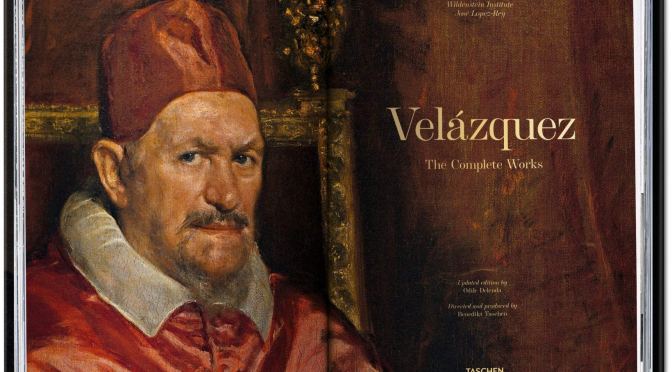
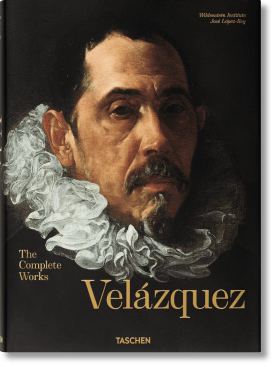 Manet called him “the greatest painter of all.” Picasso was so inspired by his masterpiece Las Meninas that he painted 44 variations of it. Francis Bacon painted a study of his portrait of Pope Innocent X. Monet and Renoir, Corot and Courbet, Degas and Dalí…for so many champions of art history, the ultimate soundboard was—and remains—Diego Rodríguez de Silva y Velázquez (1599-1660).
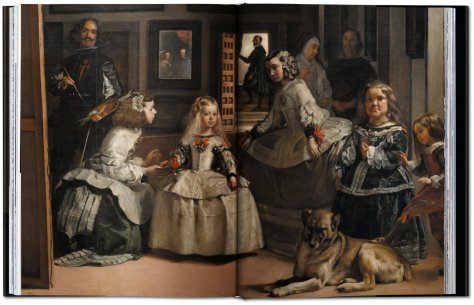
This updated catalog raisonné brings together Velázquez’s complete works, jaw-droppingly reproduced in extra-large format, with a selection of enlarged details and brand new photography of recently restored paintings, achieved through the joint initiative of TASCHEN and Wildenstein. The book’s dazzling images are accompanied by insightful commentary from José López-Rey on Velázquez’s interest in human life and his equal attention to all subjects, from an old woman frying eggs to a pope or king, as well as his commitment to color and light, which would influence the Impressionists over two centuries later.


From Christie’s article (April 22, 2020):
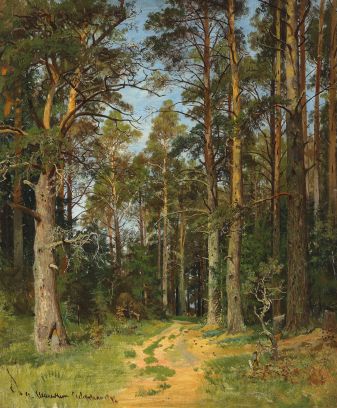
From Switzerland to South America, from the South of England to the coast of Maine, they have been moved by mountains, oceans, deserts, plains, lakes and forests — we hope you will find their art every bit as stirring as we do
Siverskaya, located 70km south of St Petersburg, was a popular summer retreat for Russian city-dwellers in the 19th century. It was in Siverskaya and its neighbouring woods that Ivan Shishkin — one of Russia’s most famous landscape painters, dubbed ‘the patriarch of forests’ — created some of his best-known works.
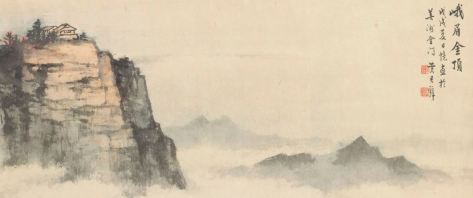
Mount Emei in Sichuan, southwest China, is the highest of China’s four sacred Buddhist mountains, reaching to 3,099 metres. The mountain is a place of pilgrimage, where dozens of temples and monasteries have been erected, and has been an inspiration for artists for centuries.
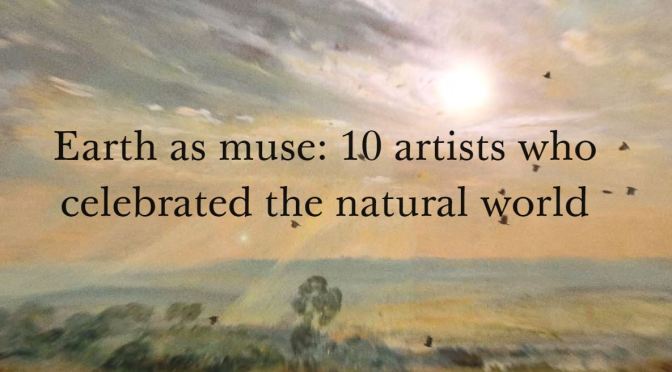
Wednesday 22 April, 2020 marks 50 years since the declaration of the first Earth Day in 1970 — an occasion on which to reflect on our natural world, and perhaps take action to help sustain it. In celebration of this anniversary, we look back on a selection of artists for whom nature — and our planet — has been an inspiration and guide.

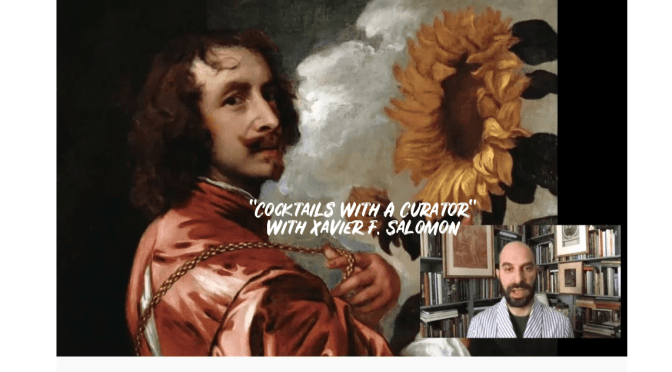
In this episode of “Cocktails with a Curator,” Xavier F. Salomon, Peter Jay Sharp Chief Curator, tells us the story of Sir John Suckling, the subject of Anthony van Dyck’s full-length portrait in The Frick Collection. Xavier has appropriately paired his story of art and literature with an English cocktail called Pink Gin.

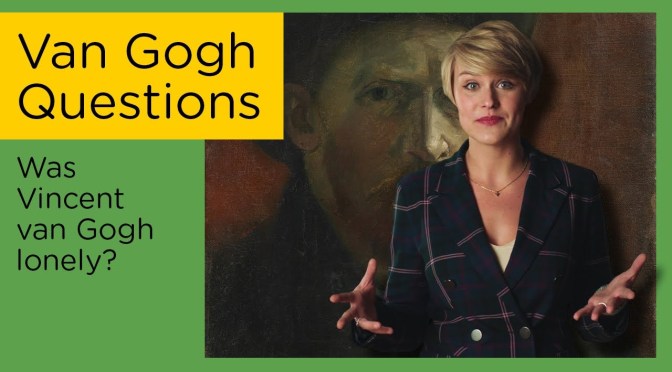
In Van Gogh Questions, our researcher Bregje Gerritse answers the most frequently asked questions about Vincent van Gogh.
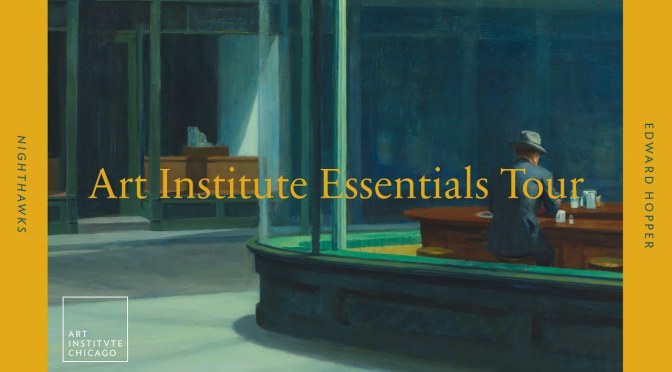
On this episode of Art Institute Essentials Tour, take a closer look at Nighthawks, painted by Edward Hopper in 1942. Inspired by “a restaurant on New York’s Greenwich Avenue where two streets meet,” Hopper’s painting, one of the best-known images of 20th-century art, has a timeless, universal quality that transcends locale.
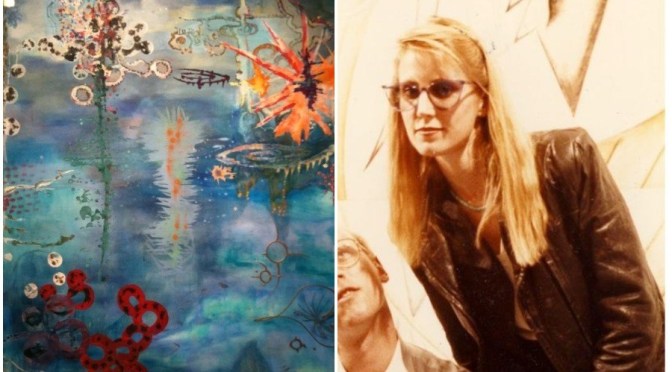
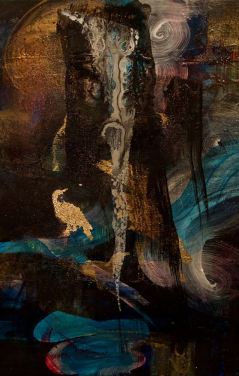 Peggy Cyphers has a persistent vision of nature that she translates into richly colored and textured quasi-abstract paintings. She pours and lightly brushes countless layers of paint and sand onto the canvas until she achieves luminous and sumptuous surface. Approaching each canvas as a kind of garden where organic and geometric elements intermingle with intense light, she nurtures elaborate hybrid forms. David Ebony, ArtNet Magazine
Peggy Cyphers (born 1954) is an American painter, printmaker, professor and art writer, who has shown her work in the U.S. and internationally since 1984. Since Cyphers’ move to New York City over 30 years ago, her inventive and combinatory approaches to the materials of paint, silkscreen and sand have developed into canvases that explore the “Politics of Progress” as it impacts culture and the natural world.
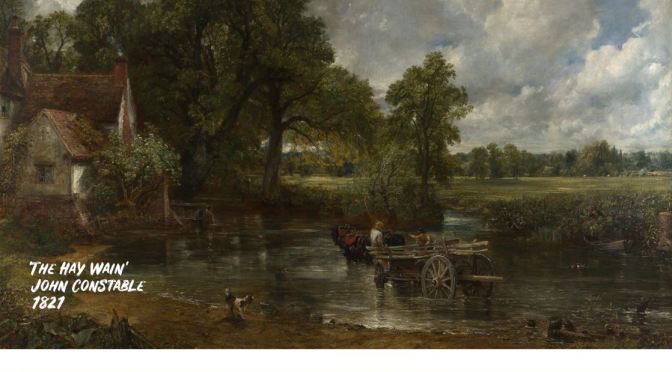
Lucy Chiswell, the Curatorial Fellow for Paintings 1600-1800, explores a day in the countryside through paintings by Rubens, Constable and Corot.
Paintings mentioned
0:50 Peter Paul Rubens ‘An Autumn Landscape with a View of Het Steen in the Early Morning’ 🎨 https://www.nationalgallery.org.uk/pa…
4:19 John Constable, ‘The Hay Wain’ 🎨 https://www.nationalgallery.org.uk/pa…
8:03 Jean-Baptiste-Camille Corot ‘The Four Times of Day: Night’ 🎨 https://www.nationalgallery.org.uk/pa…
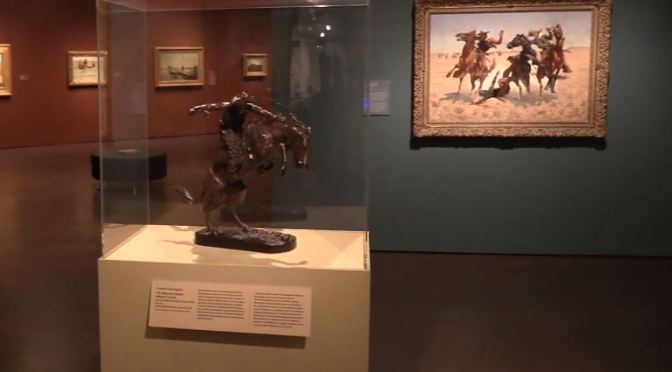
While the Denver Art Museum is temporarily closed, we are sharing this look at the Homer and Remington exhibition. Hear from DAM curators Thomas Brent Smith and Jennifer R. Henneman.
 Intellicurious