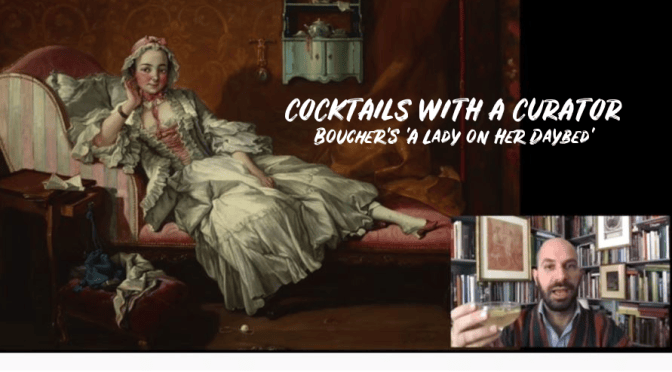
In this episode of “Cocktails with a Curator,” Xavier F. Salomon, Peter Jay Sharp Chief Curator, examines the life and work of French painter François Boucher, with a focus on “A Lady on Her Daybed.” Discover why Boucher was said to epitomize the taste of the eighteenth century.
This week’s complementary cocktail has a kick: the potent French 75, named after the powerful French 75mm field gun.
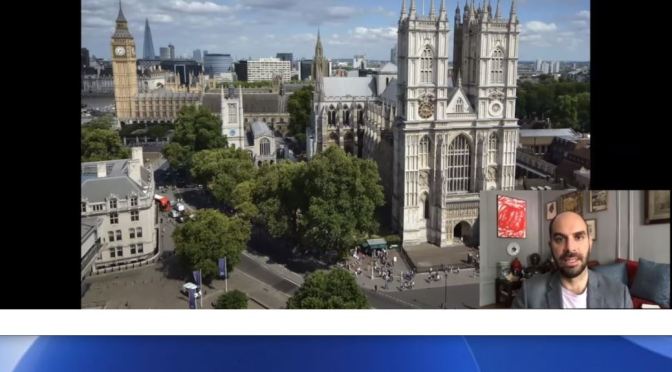
In this episode of “Travels with a Curator,” we visit the world-famous Westminster Abbey in London, with Xavier F. Salomon, Peter Jay Sharp Chief Curator. Xavier shares connections between Westminster Abbey and the Frick through an examination of the life of General John Burgoyne, a playwright, parliamentarian, and military officer buried in the Abbey’s north cloister. Sir Joshua Reynolds’s portrait of Burgoyne was acquired by The Frick Collection in 1943.
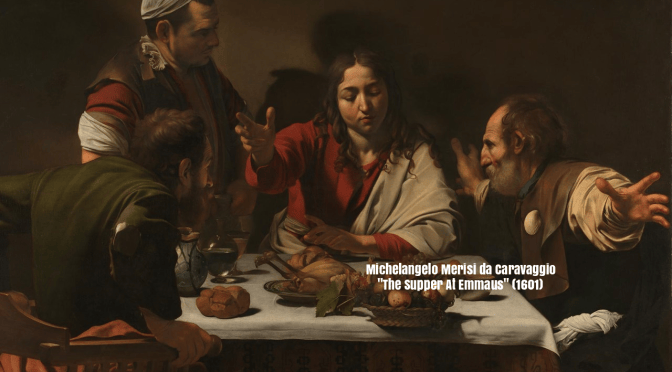
Michelangelo Merisi da Caravaggio is one of the most admired painters of the late 16th and early 17th centuries. Known for his powerful, dramatically lit compositions, Caravaggio depicted violence and the human form with a degree of realism unprecedented at the time. He was among the most famous painters in Rome—but not only because of his skill as an artist.
Caravaggio was also notorious for his wild life and shocking temper. After being sentenced to death for murder, he fled Rome and died in exile at age 38 . Three biographies written in the decades after his death constitute nearly all that is known about the enigmatic artist.
In this episode, Getty curator and expert on Italian painting Davide Gasparatto discusses Caravaggio and the role these early biographies, by Giulio Mancini, Giovanni Baglione, and Giovanni Pietro Bellori, played in defining Caravaggio’s legacy.
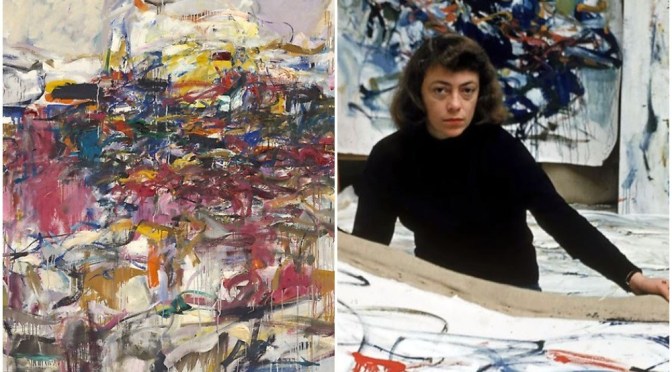
The first comprehensive publication exploring the life and art of pioneering American abstract artist Alice Trumbull Mason is perfect for audiences eager to discover unsung yet brilliantly talented women artists.
A groundbreaking artist, Alice Trumbull Mason (1904-1971) was one of the earliest painters of the twentieth century to embrace abstract painting in America. Mason’s early paintings have been compared to those of Gorky, Kandinsky, and Miró, and in 1936 she became a founding member of the American Abstract Artists (AAA) and one of its leaders in the promotion of abstract work by artists such as Josef Albers, Ad Reinhardt, Piet Mondrian, and many others. Mason was a true artist’s artist whose efforts helped lead to the great movements of later twentieth-century art, such as Abstract Expressionism, Pop Art, Post-Modernism, and Conceptual Art.
Alice Trumbull Mason features essays that illuminate and contextualize the artist’s multifaceted work and personal life through her paintings, prints, poetry, and letters. The book reveals the full life story of a seminal abstractionist, making a sound argument for adding her to the annals of great twentieth-century artists.
About The Author
Elisa Wouk Almino is senior editor of Hyperallergic. Marilyn Brown is professor emerita of art history at the University of Colorado, Boulder, and Tulane University. Meghan Forbes is a postdoctoral fellow in the Leonard A. Lauder Research Center for Modern Art at the Metropolitan Museum of Art in New York. Will Heinrich writes about art for The New Yorker and the New York Times. Thomas Micchelli is an artist, writer, and coeditor of Hyperallergic Weekend. Christina Weyl is an art historian and curator with a focus on midcentury American printmaking and women artists.
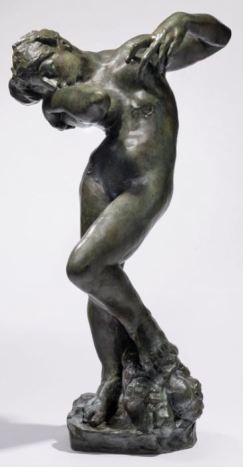
Auguste Rodin (1840-1917) Meditation, small model, type I version
Rodin travelled to Italy in 1875, a trip described by the late art historian Kirk Varnedoe as, ‘one of the seminal events in modern art’.
Here, in his mid-thirties, he fell under the spell of the Renaissance master, Michelangelo. His monumental, exaggerated nude figures would have a deep and lasting influence on the artist. ‘My liberation from academicism was via Michelangelo,’ Rodin later recalled. ‘He is the bridge by which I passed from one circle to another.’
Auguste Rodin (1840-1917) is renowned for breathing life into clay, creating naturalistic, often vigorously modelled sculptures which convey intense human emotions: love, ecstasy, agony or grief. Breaking the rules of academic convention and classical idealism, Rodin ushered in a new form of highly expressive sculpture that went on to influence generations of artists that followed.
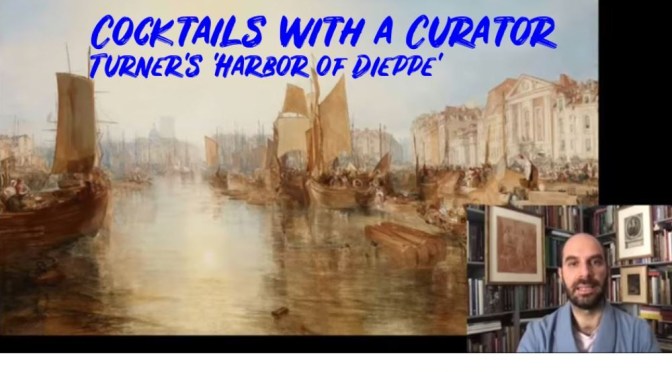
In this episode of “Cocktails with a Curator,” Xavier F. Salomon, Peter Jay Sharp Chief Curator, discusses the French port city depicted in J. M. W. Turner’s painting “Harbor of Dieppe: Changement de Domicile,” and how the artist’s extensive travel throughout Europe helped to develop his affinity for harbors. The complementary cocktail is the Widow’s Kiss, a French drink traditionally given to women who had lost their husbands at sea.
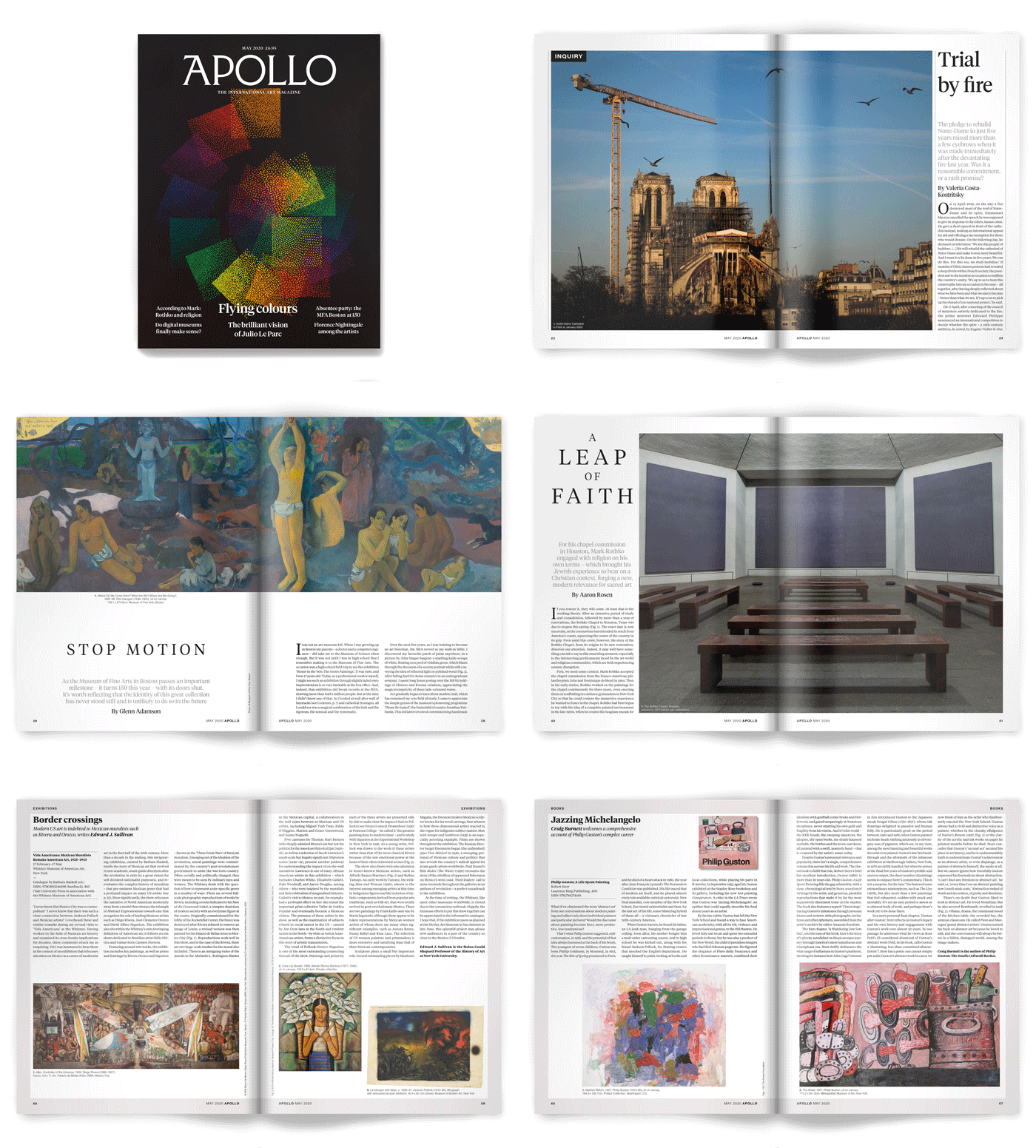
REVIEWS | Morgan Falconer on Donald Judd at MoMA; Edward J. Sullivan on Mexican muralism at the Whitney; Maichol Clemente on Renaissance terracottas in Padua; Susan Owens on ghosts in ancient Rome; Craig Burnett on Philip Guston; Stephen Patience on Blake Gopnik’s biography of Andy Warhol; Thomas Marks on F.T. Marinetti’s Futurist Cookbook
MARKET | Gareth Harris on online viewing rooms; and the latest art market columns from Susan Moore and Emma Crichton-Miller
Alex Hillkurtz was born in England and grew up in California where he is a renowned storyboard artist for feature films, television, and commercials. His film credits include “Argo”, “Almost Famous”, “It’s Complicated”, and many others.
Alex currently lives in Paris with his film editor wife, Tiffany, and enjoys discovering the hidden corners of the city that sketching and plein air painting allow. He uses the language of cinema to inform his images, moving beyond what one sees, and depicting what he wants others to see. He believes that in our too-crowded lives, sketching and plein air painting invite us to move at a more deliberate pace… a true sense of place, and sometimes unexpected stories are revealed.
There is an unhappy irony in the fact that five hundred years after Raphael died of a fever at the age of only thirty-seven, the global covid-19 pandemic has brought to a premature end so many of the exhibitions that have been staged to mark the anniversary.

 Michelangelo Merisi da Caravaggio is one of the most admired painters of the late 16th and early 17th centuries. Known for his powerful, dramatically lit compositions, Caravaggio depicted violence and the human form with a degree of realism unprecedented at the time. He was among the most famous painters in Rome—but not only because of his skill as an artist.
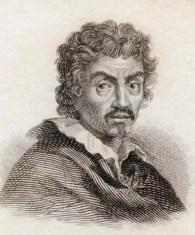 Caravaggio was also notorious for his wild life and shocking temper. After being sentenced to death for murder, he fled Rome and died in exile at age 38 . Three biographies written in the decades after his death constitute nearly all that is known about the enigmatic artist.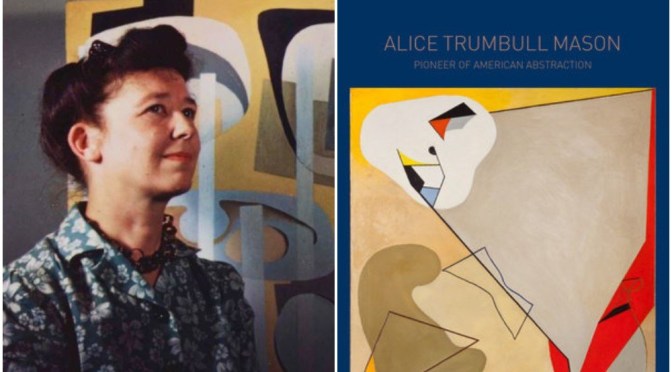
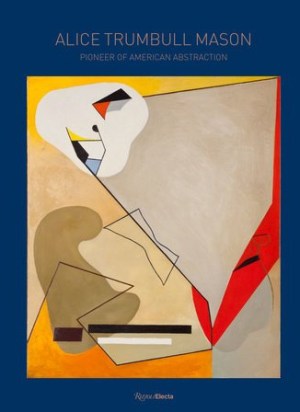 The first comprehensive publication exploring the life and art of pioneering American abstract artist Alice Trumbull Mason is perfect for audiences eager to discover unsung yet brilliantly talented women artists.
 Alice Trumbull Mason features essays that illuminate and contextualize the artist’s multifaceted work and personal life through her paintings, prints, poetry, and letters. The book reveals the full life story of a seminal abstractionist, making a sound argument for adding her to the annals of great twentieth-century artists.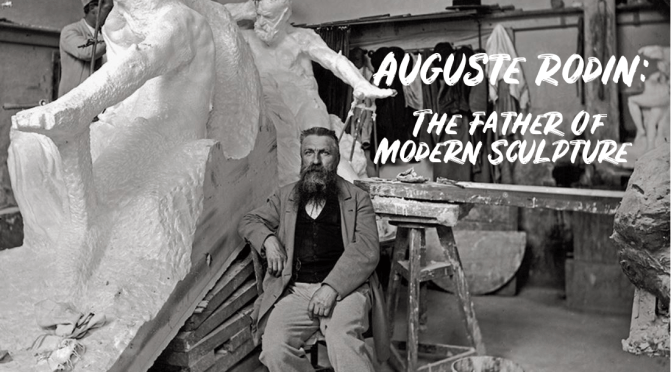


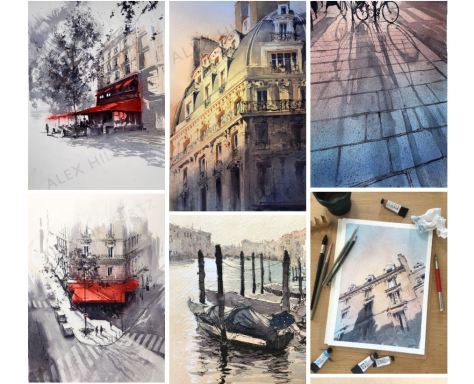 Alex currently lives in Paris with his film editor wife, Tiffany, and enjoys discovering the hidden corners of the city that sketching and plein air painting allow. He uses the language of cinema to inform his images, moving beyond what one sees, and depicting what he wants others to see. He believes that in our too-crowded lives, sketching and plein air painting invite us to move at a more deliberate pace… a true sense of place, and sometimes unexpected stories are revealed.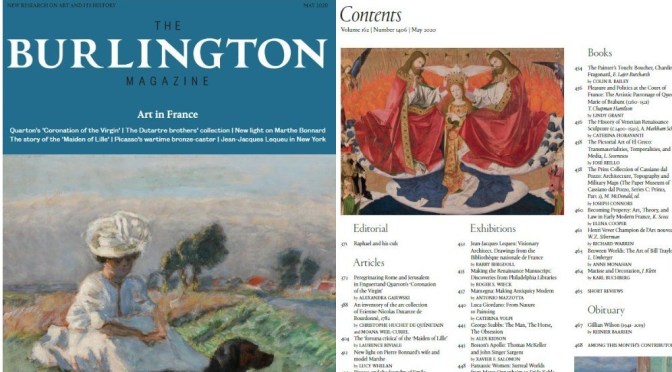
 Intellicurious