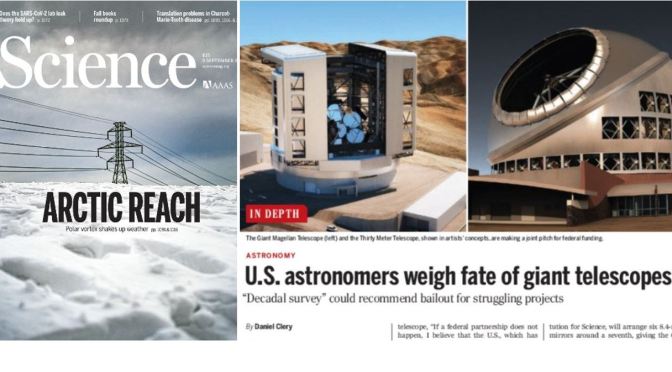
Staff Writer Paul Voosen talks with host Sarah Crespi about plans for NASA’s first visit to the Moon in 50 years—and the quick succession of missions that will likely follow.
Next, Eileen Roesler, an engineering psychologist at the Technical University of Berlin, discusses the benefits of making robots that look and act like people—it’s not always as helpful as you would think.
A new theory to explain missing geological time, the end of leaded petrol, and the ancient humans of Arabia.
In this episode:
00:29 Unpicking the Great Unconformity
For more than 150 years, geologists have been aware of ‘missing’ layers of rock from the Earth’s geological record. Up to one billion years appear to have been erased in what’s known as the Great Unconformity. Many theories to explain this have been proposed, and now a new one suggests that the Great Unconformity may have in fact been a series of smaller events.
In July, Algeria became the final country to ban the sale of leaded petrol, meaning that the fuel is unavailable to buy legally anywhere on Earth. However despite this milestone, the toxic effects of lead petrol pollution will linger for many years to come.
08:26 The ancient humans who lived in a wetter Arabia
While much of modern day Arabia is covered by deserts, new research suggests that hundreds of thousands of years ago conditions were much wetter for periods on the peninsula. These lusher periods may have made the area a key migratory crossroads for ancient humans.
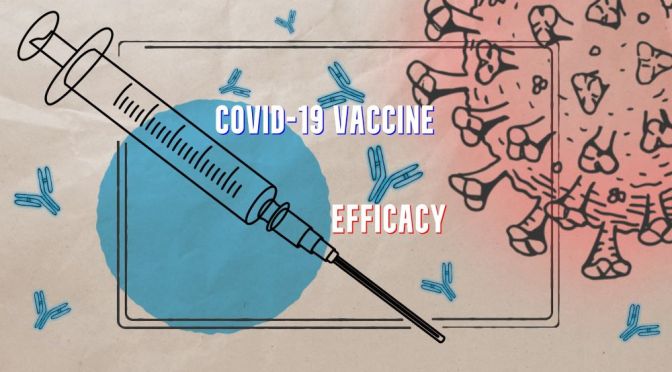
Recent studies have shown that the effectiveness of Covid-19 vaccines is decreasing, though experts say the shots still work well. WSJ explains what the numbers mean and why they don’t tell the full story. Photo illustration: Jacob Reynolds/WSJ
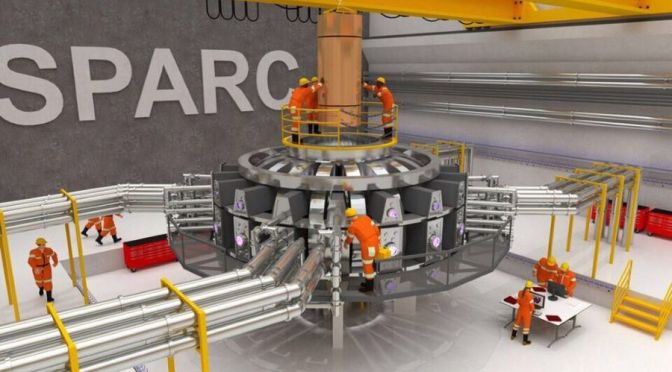
On Sept. 5, 2021, for the first time, a large high-temperature superconducting electromagnet was ramped up to a field strength of 20 tesla, the most powerful magnetic field of its kind ever created on Earth. That successful demonstration helps resolve the greatest uncertainty in the quest to build the world’s first fusion power plant that can produce more power than it consumes, according to the project’s leaders at MIT and startup company Commonwealth Fusion Systems.
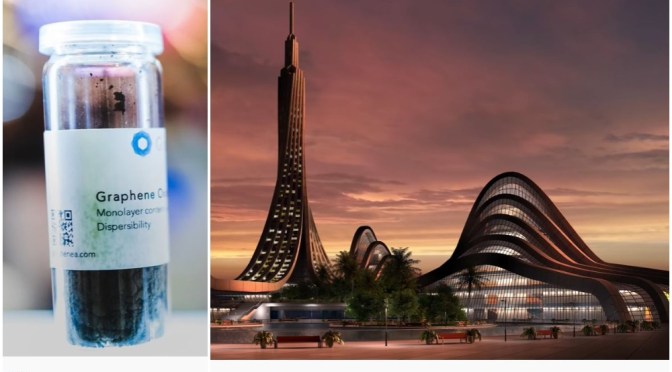
From super-strength concrete to fortified infrastructure, this is what the ‘wonder material for the 21st century’ is now bringing to construction. For more by Tomorrow’s Build subscribe now – https://bit.ly/3vOOJ98 Executive Producer and Narrator – Fred Mills Producer – Adam Savage Video Editing and Graphics – Thomas Canton
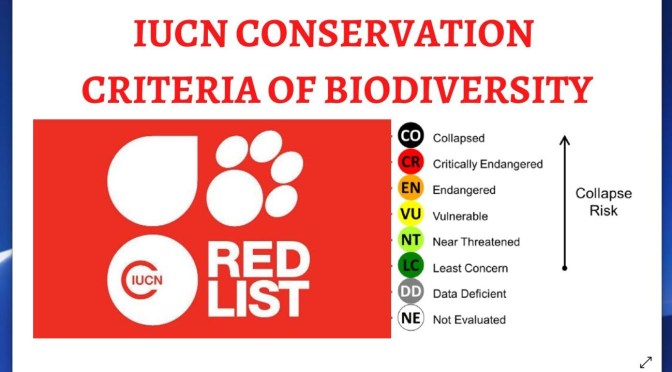
Nearly 30 percent of the 138,374 species assessed by the International Union for the Conservation of Nature (IUCN) for its survival watchlist are now at risk of vanishing in the wild forever, as the destructive impact of human activity on the natural world deepens.
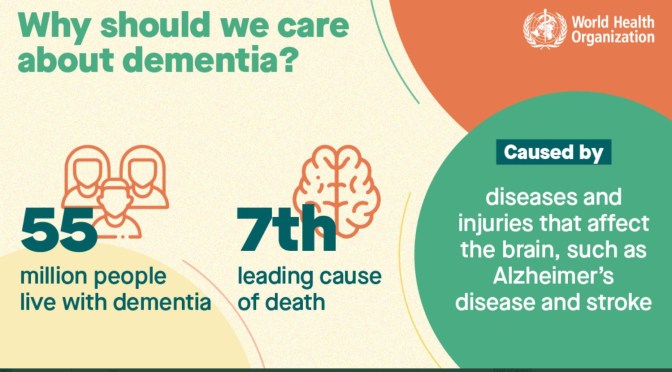
More than 55 million people worldwide are living with dementia, a neurological disorder that robs them of their memory and costs the world $1.3 trillion a year, the World Health Organization (WHO) said on Thursday.
News, Views and Reviews For The Intellectually Curious