
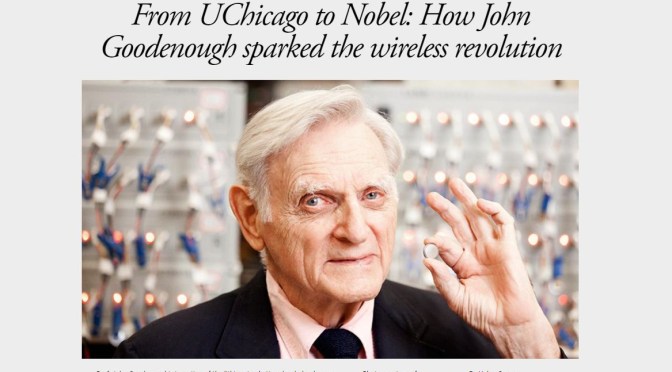
From a UChicago News online article:
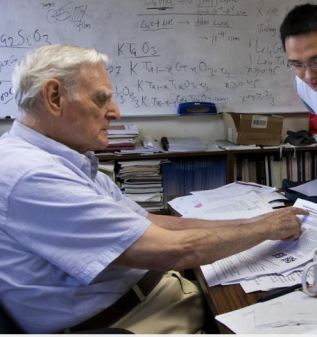 Three-quarters of a century later, at age 97, Goodenough will become the oldest person to receive the Nobel Prize in Chemistry. At a Dec. 10 ceremony in Sweden, he will be honored for pioneering breakthroughs that led to the widespread use of the lithium-ion battery—and helping spark the wireless revolution. The descendants of his batteries now power modern smartphones and hold the potential to one day sustainably harvest solar and wind power.
John B. Goodenough can still remember, word for word, what a University of Chicago professor told him when he arrived on campus following World War II: “I don’t understand you veterans,” said John A. Simpson, a new UChicago instructor who had just helped achieve the first nuclear reaction. “Don’t you know that anyone who has ever done anything significant in physics had already done it by the time he was your age—and you want to begin?”
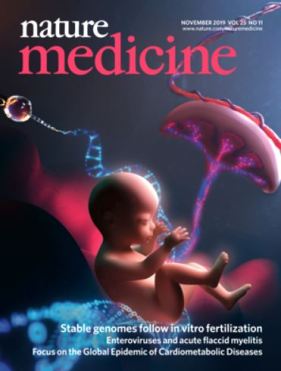 “This proof of concept study demonstrates a new paradigm that measurement of blood proteins can accurately deliver health information that spans across numerous medical specialties and that should be actionable for patients and their healthcare providers,” said Peter Ganz, MD, co-leader of this study and the Maurice Eliaser distinguished professor of medicine at UCSF and director of the Center of Excellence in Vascular Research at Zuckerberg San Francisco General Hospital and Trauma Center.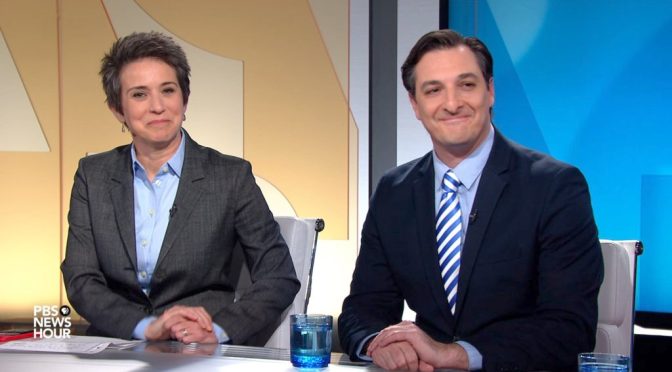
 Amy Walter of the Cook Political Report and Domenico Montenaro of NPR join Yamiche Alcindor to discuss the latest political news, including shifting dynamics in the 2020 Democratic presidential primaries, how congressional Democrats and Republicans view the facts of the impeachment investigation differently, political pressure on moderates and how impeachment could affect the 2020 race.
 In a WTOP-FM interview, Health Affairs Editor-In-Chief Alan Weil assesses how consumers may (or may not) benefit from two long-anticipated rules, recently unveiled by the Trump Administration, that increase price transparency for both hospitals and insurers.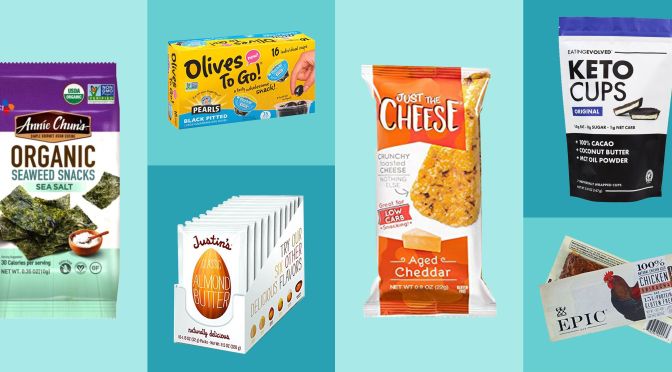
 According to a report from Innova Market Insights, snacking has already become an all-day habit in the States. While 46% of consumers eat salty snacks between-meals in the afternoon and 37% in the evening, more consumers are also replacing traditional meals with quicker bites. The numbers of consumers who are consuming salty snacks at lunchtime (23%), dinner (17%) and even breakfast (8%) are on the increase.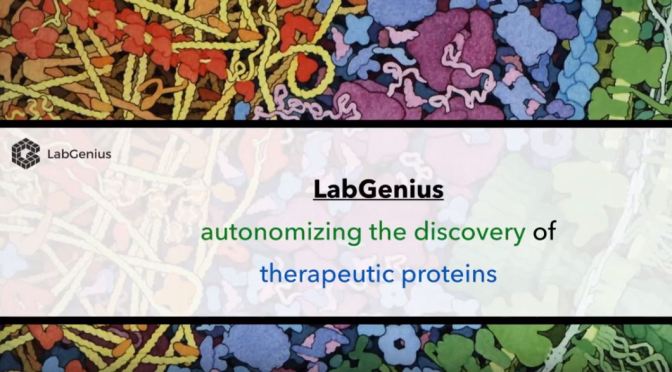
 Researchers are using artificial intelligence techniques to invent medicines and materials—but in the process are they upending the scientific method itself? The AI approach is a form of trial-and-error at scale, or “radical empiricism”. But does AI-driven science uncover new answers that humans cannot understand? Host Kenneth Cukier finds out with James Field of LabGenius…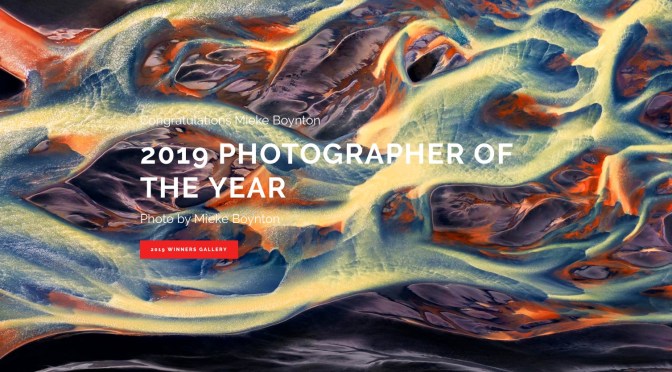
 The 10th EPSON International Pano Awards is dedicated to the craft and art of panoramic photography. Advances in digital photography and editing software have resulted in an ever-increasing rise in the popularity of image stitching, especially in the panoramic format. VR ‘immersive’ photography also continues to excite and develop at a rapid pace, and panoramic film photography remains alive and well.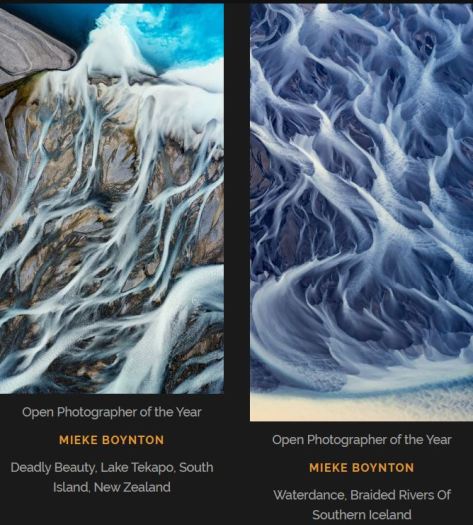

 Intellicurious