

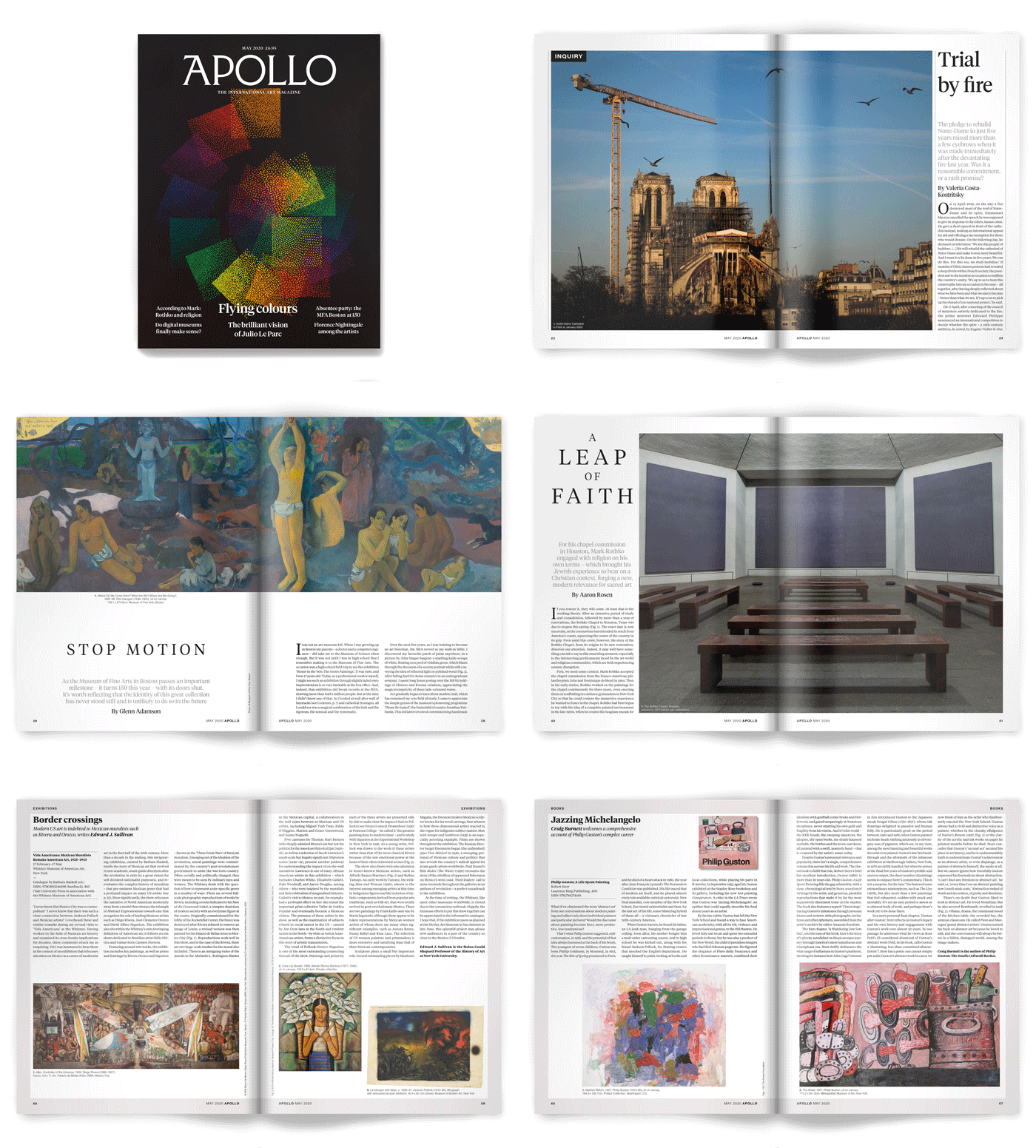
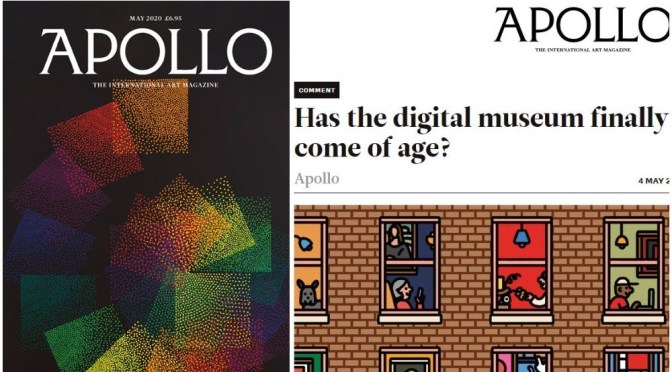
| INSIDE THE ISSUE |
| FEATURES | Julio Le Parc interviewed by Gabrielle Schwarz; Glenn Adamson on the MFA Boston at 150; Aaron Rosen on the Rothko Chapel in Houston; Valeria Costa-Kostritsky on rebuilding Notre-Dame |
| REVIEWS | Morgan Falconer on Donald Judd at MoMA; Edward J. Sullivan on Mexican muralism at the Whitney; Maichol Clemente on Renaissance terracottas in Padua; Susan Owens on ghosts in ancient Rome; Craig Burnett on Philip Guston; Stephen Patience on Blake Gopnik’s biography of Andy Warhol; Thomas Marks on F.T. Marinetti’s Futurist Cookbook |
| MARKET | Gareth Harris on online viewing rooms; and the latest art market columns from Susan Moore and Emma Crichton-Miller |
| PLUS | Thomas Campbell and Adam Koszary debate the role of the digital museum; James Wilkes on trompe-l’oeil and artistic trickery; Kathryn Hughes on the image of Florence Nightingale; Timothy Brittain-Catlin on contemporary architectural follies; Thomas Marks in search of art during lockdown; Robert O’Byrne on an exceptional collection of Chinese art |
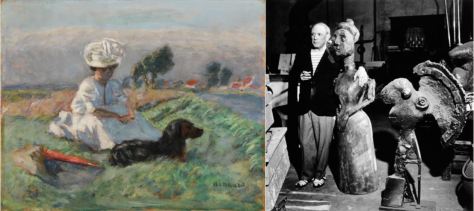
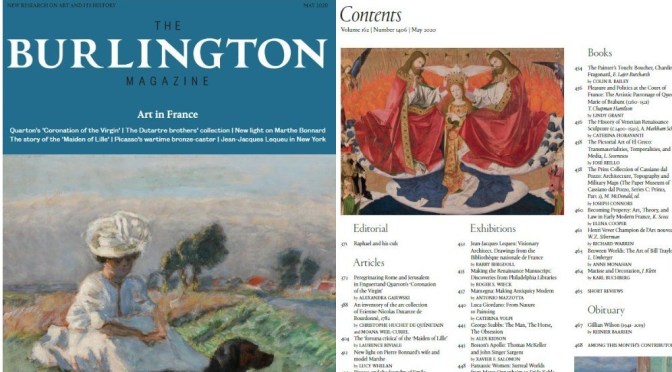
There is an unhappy irony in the fact that five hundred years after Raphael died of a fever at the age of only thirty-seven, the global covid-19 pandemic has brought to a premature end so many of the exhibitions that have been staged to mark the anniversary.
READ DIGITAL ONLINE ISSUE – MAY 2020
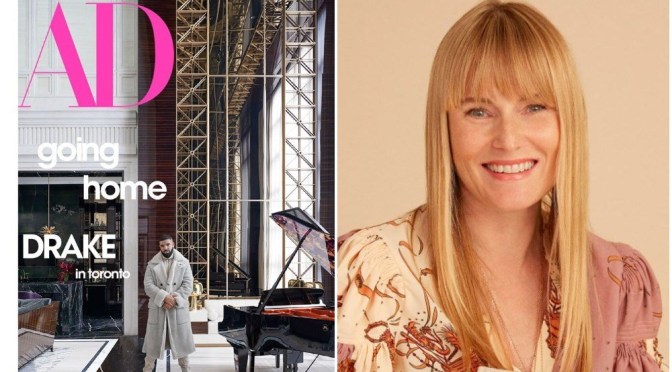
 This week ‘Monocle 24 – The Stack’ speaks with Amy Astley, editor in chief of ‘Architectural Digest’. 2020 is the 100th anniversary of the founding of the magazine in 1920.
Amy Astley (born June 5, 1969) is the editor-in-chief of Architectural Digest as of May 2016. She was editor of Teen Vogue, which launched in January 2003. She was named to edit the new magazine in June 2002 by Anna Wintour, editor-in-chief of Vogue and editorial director of Teen Vogue.
From Classic Driver Magazine (April 18, 2020):
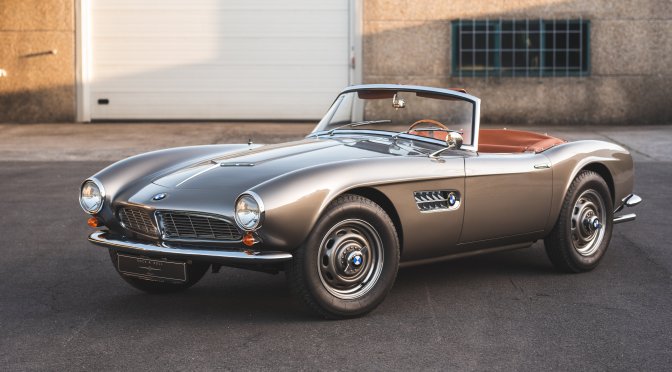
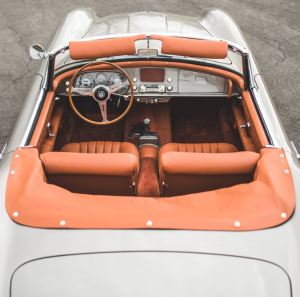 “Astonishing” is the word we are looking to describe this BMW 507. A word we use a lot if it comes to selling classic cars, but only a little few deserve this ‘title’ like this 507 does. When an exceptional model, with an unique story, from what the historical documents are well archieved, it just makes us going crazy. Add matching numbers and -colors tot his list and we are losing it totally. That’s no different with this 507.
 Max Hoffman convinced BMW that if they built a competitor to the Mercedes-Benz 300SL, he would sell it profitable in the United States. The BMW was intended to fill the gap between the affordable sports cars like the triumph and MG and the exclusive cars like the Mercedes-Benz 300SL and Ferrari 250 GT California. Though, BMW couldn’t achieve their target price, for what the BMW 507 was even more expensive than the 300SL. BMW found itself in a financial difficult situation and almost went bankrupt. At the end of the day, BMW recovered from this “failure” and the 507 even became a true flagship in the whole history of automotive.
 In the ‘50s BMW disposed over all fundamental ingredients which would make the 507 complete. An all-aluminium 3.2-litre V8 engine was placed in a shortened chassis of the 502. This ingenious masterpiece produced no less than 150hp and sounds like a guitar solo in your ears. To save weigt, the body was made of aluminium, which results in a 1280kg’s for a fully finished 507. Besides the phenomenal results, BMW wanted to offer luxury as well. Both aspects are just spot on.
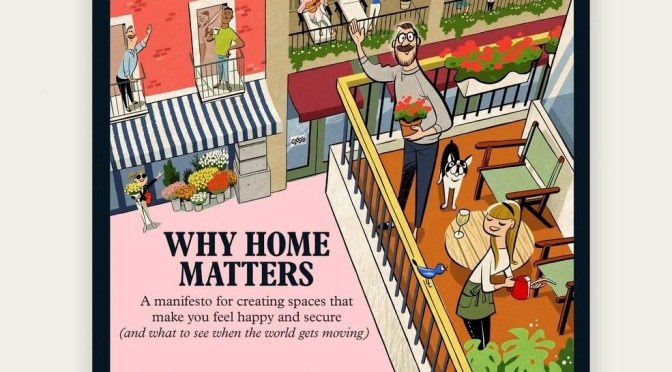
Monocle’s home-focused May issue goes beyond the dramatic headlines to look at how to create spaces that are apt to linger in.
We launch a manifesto for building better, look at the firms eyeing up the domestic market and profile a few elegant residences. Elsewhere, we examine the importance of keeping manufacturing onshore, decode the US political advertising industry and recommend the best media to hunker down with.
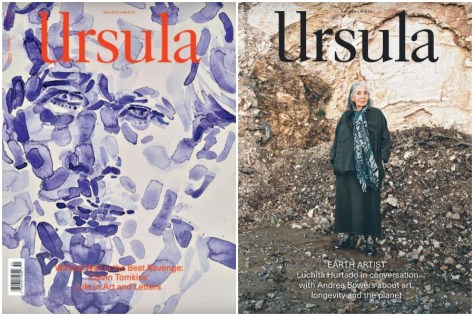
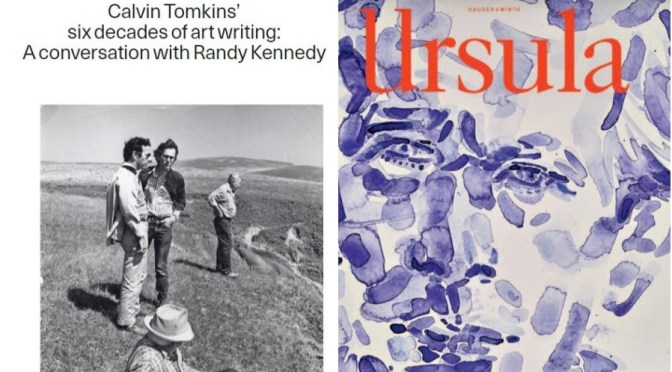
Monocle 24’s “The Stack” chats with Randy Kennedy, editor of ‘Ursula’, the beautiful print quarterly from Hauser & Wirth.‘Ursula’ is the quarterly art magazine featuring essays, profiles, interviews, original portfolios, and photography by some of the most thought-provoking writers and artists in the world, as reported by Artnet. ‘Ursula’ takes its name from the internationally admired co-founder of the gallery: patron, collector, mentor, and art world mater familias Ursula Hauser. Reflecting the inclusive values and broad perspective of the gallery she helped to establish in Zurich in 1992, ‘Ursula’ will showcase not only the work of artists and estates represented by Hauser & Wirth, but also a wide, adventurous swath of the international art world of the 20th and 21st centuries.

 Intellicurious