
90 years ago today, Maie Bartlett Heard, curator Allie Walling BraMé along with a small group of friends and volunteers spent Christmas Day making final preparations for the opening of the Heard Museum. The next day, December 26, 1929, the Heard Museum began our now nine decade long and ongoing legacy of advancing American Indian Art.
This short video poem written, recorded and edited by longtime artist and friend of the Heard Museum, Steven J. Yazzie (Diné) is our very sincere thank you to you.
Heard Museum 90th Celebration Poem, December 2019
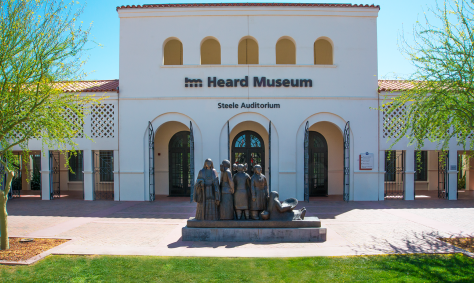
“Home” By Steven J. Yazzie (Diné)
Voiced by: Jenn Henry
Music: Better Now, Phillip Daniel Zach
Why do we come here to these walls painted shades of off white
In search of beauty
or memory
or place
Where the sounds of children can be heard echoing in these vast
and intimate spaces
And where everyone has just arrived here from a journey
What brings us to the feet of stone
or textile
or dried paint
In the galleries of our hearts and truths
Our histories are revealed
and our humanity ensured
This place of my youth and older age
This place of beauty
stewardship
and celebration
Is home
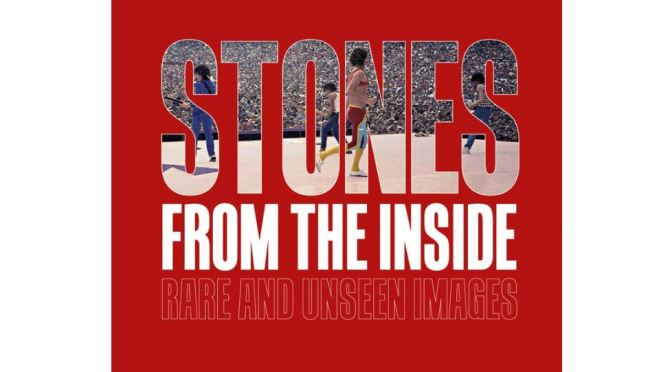
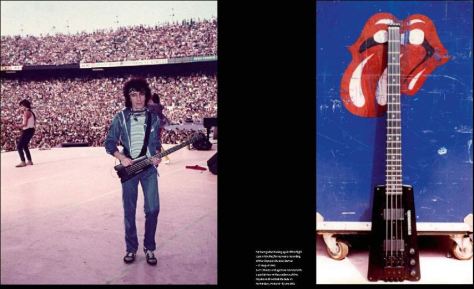
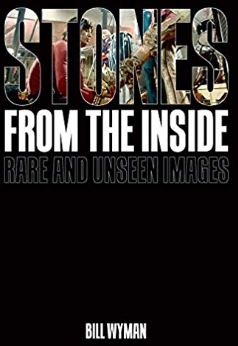 Along with the images of the band at work and play, Wyman includes remarkable images of those along for the ride, from John Lennon, Eric Clapton, David Bowie and Iggy Pop to John Belushi and Dan Aykroyd. To accompany his photographs, Wyman offers up wonderful insights, anecdotes and behind-the-photo stories, giving all us a front-row seat and backstage pass to what it was like to be there, as music history was made as a member of The Rolling Stones.
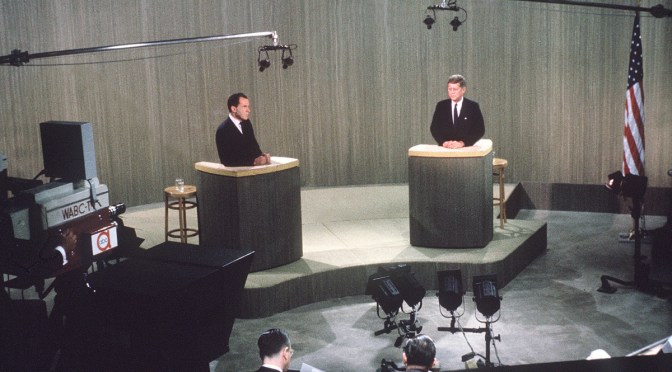
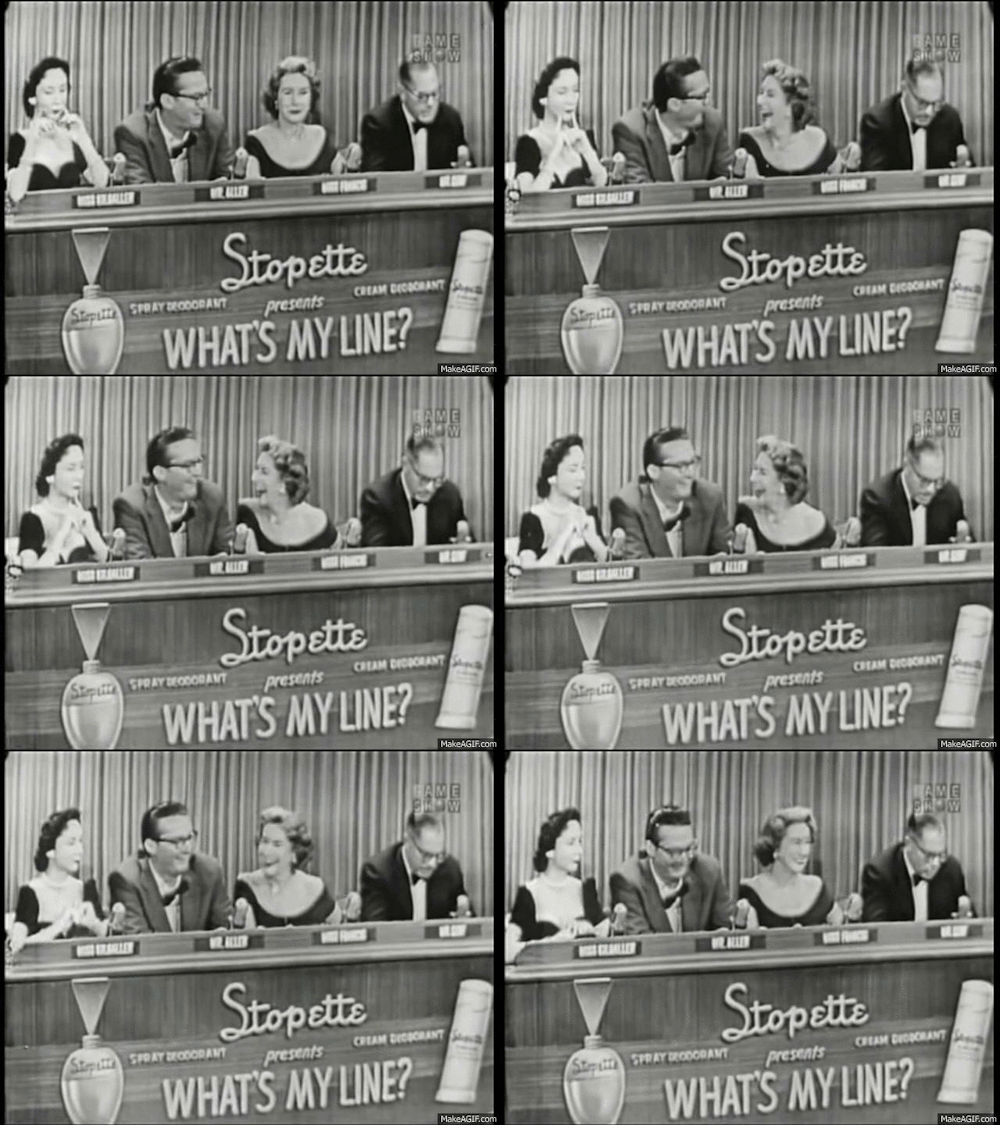 Between 1955 and 1959, America’s prime-time television schedule became dominated by quiz shows.

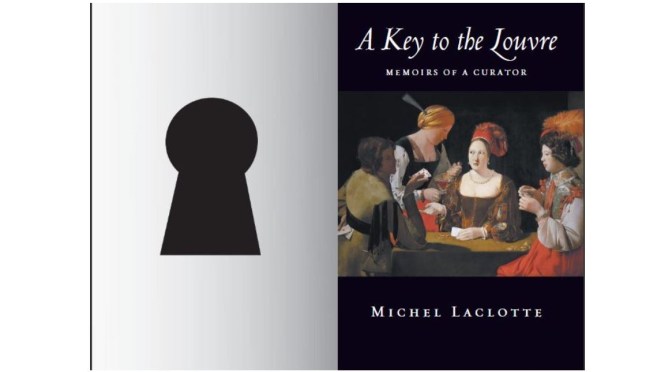
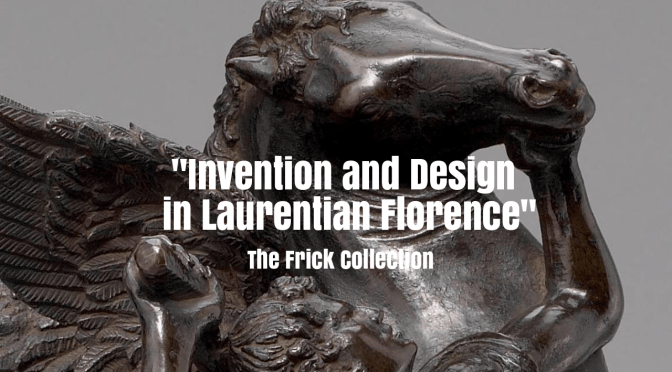
 “…I am almost more interested in the paintings I didn’t get! I wish I could do a small photo exhibition of all the works that we failed to get. Of the early titans, we have two important ones, Giotto and Cimabue, but we don’t have Duccio, the third master of the birth of painting in Europe, if I may say. There was one in the Stoclet collection in Brussels, that we were following through dealer friends, but finally it was purchased by the Met. Also Velázquez, our biggest weakness!”

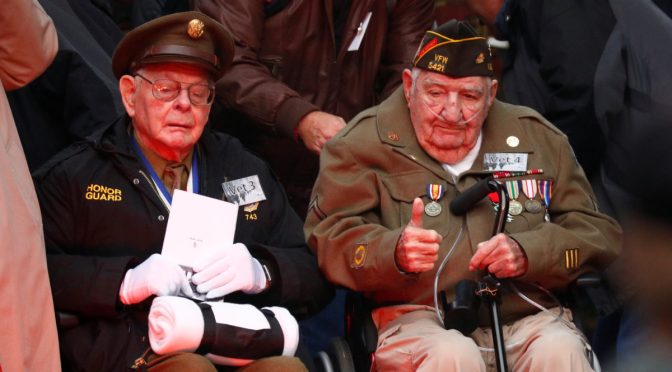
 Today, Monday December 16, marks 75 years since the beginning of one of World War II’s most savage battles. In December 1944, the Nazi army surprised U.S. and Allied forces in the frozen forests of Belgium. Badly outnumbered, the U.S. lost 10,000 soldiers amid frigid conditions in the war’s deadliest conflict. John Yang reports on the commemoration of what became known as the Battle of the Bulge.
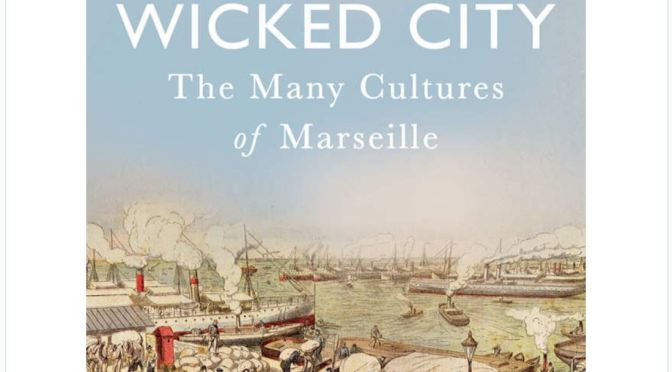
 The Toulousain Charles Dantzig wrote, ‘I find the Marseillais tiresome, especially those who, as soon as you speak to them, start to bang on about the uniqueness of being Marseillais, adding with a particular sort of whining machismo that no one likes them and everyone defames them. Their humour is nothing more than pitiable braggadocio.’ Régis Jauffret, who grew up there, is pithier: ‘Marseille is a tragic city. It formed my imagination.’ (It’s an imagination of peerless bleakness.)
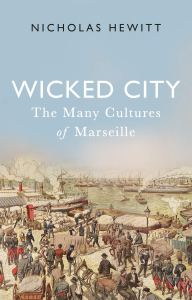
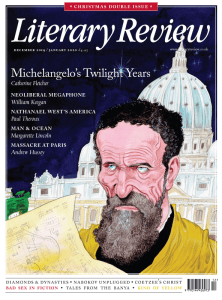 Nicholas Hewitt died in March, less than a month after completing the text of Wicked City. It’s a fine monument to his curiosity, compendious knowledge, resourcefulness and measured enthusiasm. He calls it ‘a series of snapshots’, which is perhaps too modest. If they are snapshots, they have been photoshopped and retouched to accord with his vision of the city and its well-rehearsed mythology of outsiderdom and exceptionalism, edginess and banditry. And his aspiration to explore Marseille’s hold on the ‘nation’s imagination’ is also too modest. The ‘international imagination’ would be more apt.
 Melvyn Bragg and guests discuss the history and social impact of coffee. From its origins in Ethiopia, coffea arabica spread through the Ottoman Empire before reaching Western Europe where, in the 17th century, coffee houses were becoming established.

